Most property owners view a sunken driveway as a surface failure, yet the actual problem resides several feet underground in the volatile soils of the Front Range. When your sidewalk becomes a liability or water starts pooling near your foundation, it’s natural to feel a sense of urgency regarding your property’s structural integrity. You need a restoration method that treats the cause rather than just the symptom. This is where foam concrete lifting stands apart as a sophisticated soil stabilization technology first and a lifting tool second.
In this guide, you’ll discover how high-density polyurethane foam provides a permanent, non-invasive solution for uneven slabs. We will explain the precision engineering behind the process and why modern polymers are the only logical choice for Colorado’s shifting ground. You can expect a thorough look at the technical benefits, including rapid cure times and long-term durability, ensuring you have the knowledge to move from the stress of structural damage toward the peace of mind offered by professional, high-precision intervention.
Key Takeaways
- Understand how high-density polyurethane injections stabilize the ground and lift slabs with surgical precision through penny-sized access points.
- Learn why foam concrete lifting is the preferred modern alternative to mudjacking, offering a lightweight material that won’t further compress fragile subsoils.
- Discover how specialized foam formulations address the unique challenges posed by Colorado’s expansive bentonite clay and seasonal moisture shifts.
- Identify the aesthetic and structural advantages of a non-invasive restoration process that minimizes surface disruption while providing a permanent cure.
- Explore the critical role of a professional site assessment in ensuring your concrete restoration is executed with technical mastery and long-term security.
What is Foam Concrete Lifting?
Foam concrete lifting is a precise engineering process that utilizes specialized high-density polyurethane foam to restore sunken slabs to their original elevation. Within the industry, professionals often refer to this method as polyjacking or foam leveling. While the visible result is a level surface, the underlying objective is far more technical. The process focuses on stabilizing the sub-base and filling the voids created by soil erosion or compaction. Concrete leveling techniques have evolved significantly over the decades, moving from heavy cementitious slurries toward these lightweight, advanced polymers. This method is exceptionally versatile, proving effective for various residential and commercial applications, including:
- Residential driveways and walkways
- Patio and pool deck surfaces
- Sidewalks and municipal paths
- Commercial warehouse floors and loading docks
The Core Components of Polyjacking
The technical efficacy of this method relies on a two-part liquid polymer reaction. When these two components meet at the injection nozzle, they undergo a chemical change that causes the material to expand rapidly into a rigid, high-density foam. This density is critical for load-bearing applications. Unlike standard insulation foams, structural polyurethane is engineered to withstand thousands of pounds of pressure per square foot. Additionally, the material features a closed-cell structure. This means the foam remains impervious to water, preventing it from washing away or absorbing moisture, which is a common cause of secondary settlement in traditional repairs.
A Modern Alternative to Replacement
Property owners often assume that cracked or sunken slabs require a full tear-out and replacement. However, high density foam concrete lifting offers a more efficient path. Restoration is typically a fraction of the cost of pouring new concrete, primarily because it eliminates the labor-intensive requirements of demolition and disposal. Choosing restoration over replacement also provides a significant environmental advantage. It keeps massive amounts of old concrete out of landfills, utilizing the existing slab as a finished surface. The speed of the process is perhaps its most practical benefit. While new concrete takes days or weeks to reach full strength, polyurethane-treated surfaces are ready for foot and vehicle traffic in as little as 15 to 30 minutes.
The Engineering Behind High-Density Polyurethane Injections
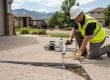
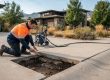
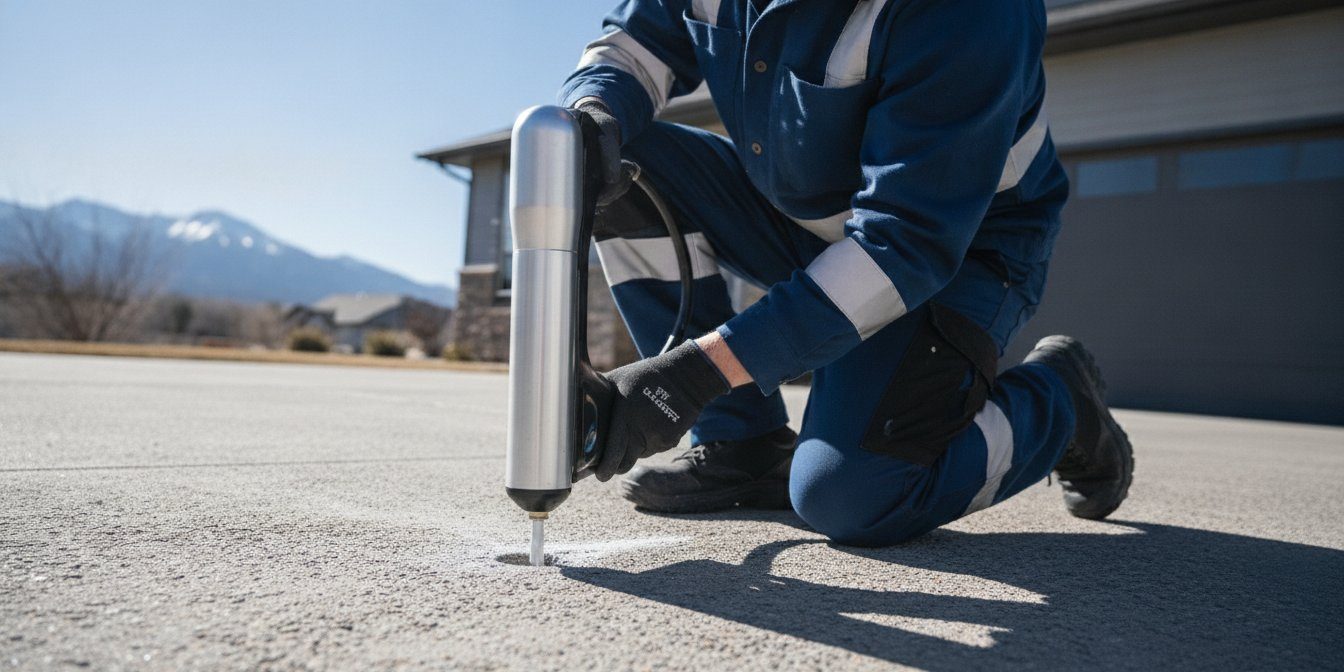
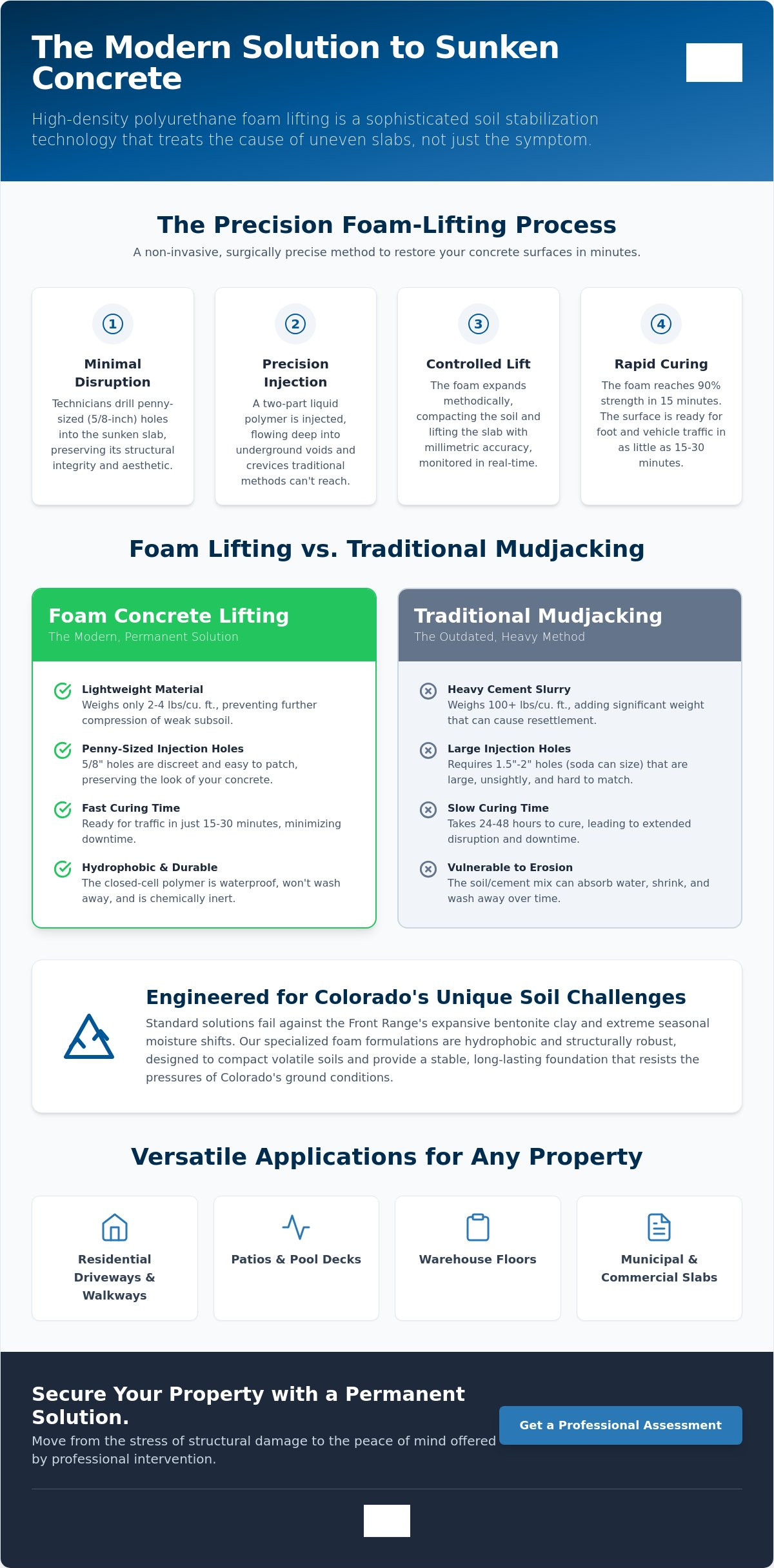
Technical precision defines modern foam concrete lifting. The process begins with the drilling of penny-sized access points, typically 5/8-inch in diameter, which minimizes surface disruption and maintains the structural integrity of the existing slab. Once the injection port is secured, we introduce a two-part liquid polymer. In its liquid state, this material flows into the smallest crevices, following the path of least resistance to fill hidden voids that traditional methods often miss. The speed and accuracy of foam injection concrete leveling rely on these controlled expansion dynamics.
As the chemical reaction occurs, the liquid expands into a rigid, structural foam. This expansion is not explosive but methodical, allowing for millimetric precision during the lift phase. We monitor the slab’s movement in real-time, ensuring it returns to its exact original grade with surgical accuracy. Structural curing happens almost immediately. The polymer reaches 90% of its full compressive strength within just 15 minutes, allowing the surface to return to service without the lengthy downtime required by cement-based repairs.
Compacting the Sub-Base
While surface leveling is the visible goal, the most critical work happens below the frost line. As the foam expands, it exerts multi-directional pressure that pushes the loose soil downward. This consolidation process eliminates the air pockets and soft spots that caused the initial settlement. By increasing soil density, the foam expansion creates a stable, reinforced foundation that prevents future sinking. If you’re concerned about recurring settlement, a professional concrete leveling assessment can identify these sub-surface weaknesses before they lead to further damage.
Hydrophobic Properties and Longevity
Durability is a hallmark of high-density polyurethane. Unlike mudjacking slurry, which consists of soil and cement, this polymer is hydrophobic. It doesn’t absorb water, nor will it wash away during heavy rain or snowmelt. This is particularly vital in the Front Range, where seasonal moisture fluctuations are extreme. The cured foam is chemically inert, meaning it won’t leach toxins into the groundwater or surrounding soil. It also remains flexible enough to resist the intense freeze-thaw cycles of Colorado winters without cracking or losing its structural bond.
Foam Lifting vs. Traditional Methods: A Strategic Comparison
Choosing the right restoration method is a strategic decision that impacts the longevity of your property. While traditional mudjacking was once the only option, it relies on a heavy mixture of sand, soil, and cement. This slurry often weighs over 100 pounds per cubic foot. In contrast, the high-density polyurethane used in structural foam concrete lifting weighs between 2 and 4 pounds per cubic foot. By choosing a lightweight material, you avoid placing an unnecessary burden on subsoils that are already struggling to support the weight of the concrete slab itself. This prevents the overburden effect, where the weight of the repair causes further settlement.
The aesthetic difference between these methods is equally significant. Mudjacking requires large, two-inch access holes that are difficult to patch inconspicuously. Our high-precision injections utilize 5/8-inch holes, roughly the size of a penny. Once the process is complete, these small ports are filled with a matching cementitious grout, leaving the surface looking nearly untouched. This level of detail preserves the visual appeal of your driveway or patio while restoring its structural function. Over the long term, foam represents a better investment because it doesn’t shrink or wash away like the organic materials found in traditional slurries.
Why We Avoid Traditional Mudjacking
We prioritize the long-term stability of your foundation, which is why we steer away from traditional mudjacking. Adding thousands of pounds of wet mud to failing soil is often counterproductive and can lead to secondary sinking. The heavy machinery required for mudjacking can also damage your landscaping, and the wet slurry itself is notoriously messy to manage. It’s a heavy-handed approach that lacks the precision required for modern slab restoration. For a deeper analysis of these technical differences, you can read our guide on Polyurethane vs Mudjacking: Why Foam is the Better Choice.
When Replacement is (and is not) Necessary
Restoration isn’t always the answer. If a slab exhibits extensive spider-web cracking or has crumbled into small, disconnected fragments, the structural integrity is likely compromised beyond repair. We follow a clear “Save vs. Scrap” rule: if the slab is mostly intact and the cracks are linear, lifting is the superior choice. Lifting your existing concrete preserves the color and texture match of your surrounding surfaces. This prevents the mismatched appearance that occurs when you pour a single new section of bright, fresh concrete next to weathered, older surfaces.
Navigating Colorado’s Soil Challenges with Foam Leveling
Colorado property owners face a unique adversary: bentonite. This expansive clay soil, prevalent across Denver and the Front Range, acts like a sponge. It swells during spring runoff and shrinks during dry summers, causing concrete slabs to heave and sink seasonally. Traditional repairs often fail here because they don’t account for this volatility. Foam concrete lifting is uniquely engineered to address these shifts. Because the polymer is lightweight and hydrophobic, it doesn’t contribute to soil saturation or add excessive weight that would trigger further settlement in the sensitive clay.
The extreme temperature swings in cities like Centennial and Aurora also demand a resilient material. High-density foam maintains its structural integrity despite the rapid freeze-thaw cycles that can make other materials brittle. Beyond temperature, shifting mountain runoff often carves out hidden voids beneath driveways and patios. Our injection process fills these cavities completely, providing a solid foundation that mountain water cannot easily erode. This approach ensures the sub-base remains stable even when the local climate is at its most unpredictable. For properties where expansive soil movement poses a more severe structural threat, post tension installation offers an additional layer of reinforcement by actively compressing the concrete slab to resist cracking and shifting.
Stabilizing the Front Range Foundation
In Boulder and Colorado Springs, residential properties often sit on complex terrain. We utilize local soil reports to calibrate our injection pressure and volume, ensuring the lift is both accurate and sustainable. While foam stabilizes the immediate area, we also emphasize the importance of proper drainage. Redirecting gutter runoff away from the slab ensures the long-term success of the restoration. If you’re seeing signs of seasonal movement, you can schedule a technical soil evaluation to determine the best course of action for your property.
Commercial Applications in Denver Industrial Hubs
Industrial zones in Aurora and Thornton require heavy-duty solutions for warehouse floors. Sunken slabs in these environments do more than just look unsightly; they create dangerous rocking at joints that can damage forklift axles and compromise pallet stability. We specialize in minimizing business downtime by offering overnight repairs. Since the foam cures in minutes, a facility can resume full operations by the morning shift, ensuring that structural maintenance never disrupts the supply chain or worker safety.
Restoring Your Property with RiseLock’s Precision Foam Solutions
RiseLock views every structural challenge as a personal priority and a commitment to long-term security. We don’t believe in superficial repairs that fail after a single Colorado winter. Our approach to foam concrete lifting is built on a foundation of technical mastery, where every injection is calculated to provide maximum stabilization for the sub-base. We act as a professional guide for our clients, moving property owners away from the frustration of sinking slabs toward the peace of mind that comes with a permanent, high-precision solution. This ethical backbone ensures that we never recommend a “quick fix” when a more thorough, engineered approach is required to protect the property’s integrity.
Our Precision Injection Process
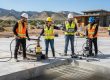
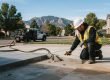
During the restoration, we maintain rigorous standards for accuracy and cleanliness. We monitor the lift in real-time, using specialized equipment to ensure joints become perfectly flush. This precision eliminates the uneven edges that create liability concerns and aesthetic dissatisfaction. Once the slab is stabilized, our team performs a thorough post-injection cleanup. We fill the small access ports with color-matched grout and remove all equipment, leaving the property in better condition than we found it. A final verification inspection ensures the foam has reached its structural density and the slab is ready for immediate use.
Schedule Your Professional Assessment
Early intervention is the most effective way to prevent costly structural damage and escalating repair needs. You might notice subtle warning signs like a garage floor that seems to be pulling away from the walls or a sidewalk section that holds water after a storm. These issues often indicate that the soil beneath your concrete is shifting or eroding due to the Front Range’s volatile clay. Addressing these trip hazards now removes significant liability concerns and protects the overall value of your home or business. We provide a comprehensive site assessment in the Denver metro area, identifying the specific environmental factors contributing to the settlement. It’s time to move past the stress of uneven surfaces and structural uncertainty. Protect your investment with RiseLock’s expert concrete lifting and secure your property’s structural future today.
Securing Your Property’s Structural Integrity
Protecting a Colorado property requires a restoration method that addresses both the visible surface and the volatile soil beneath it. We have detailed how foam concrete lifting provides a permanent, non-invasive solution by stabilizing the sub-base with specialized high-density polymers. This process ensures that your slabs are not just level but are supported by a foundation capable of resisting the seasonal shifts of expansive clay. By prioritizing precision and technical mastery, you can eliminate liability concerns and restore the long-term value of your home or commercial facility.
RiseLock serves the entire Front Range, from Denver to Colorado Springs, with a focus on specialized structural reinforcement and post tension installation. We understand the specific engineering requirements of our local climate and offer the expertise needed to stabilize even the most challenging sites. Moving from structural stress to peace of mind begins with a thorough evaluation of your property’s unique needs. Our team views every project as a commitment to your safety and long-term security.
Request Your Free Structural Assessment from RiseLock
You don’t have to manage the risks of sunken concrete alone. Our specialists are ready to provide the professional guidance and high-precision intervention your property deserves to remain stable for years to come.
Frequently Asked Questions
Is foam concrete lifting permanent?
High-density polyurethane is a permanent solution for slab stabilization. Once the material cures, it becomes a chemically inert solid that doesn’t biodegrade or wash away. It remains unaffected by moisture and soil chemicals, ensuring the lift stays in place for the life of the concrete.
How much weight can polyurethane foam support?
Structural polyurethane foam is engineered to support significant loads, often rated between 6,000 and 14,000 pounds per square foot depending on the specific formulation. This high compressive strength makes it suitable for heavy vehicle traffic, including residential driveways and commercial loading docks.
Will the foam injection holes be visible after the repair?
The injection points are nearly invisible once the project is finished. We use 5/8-inch ports, which are roughly the size of a penny. After the lift is complete, these holes are filled with a cementitious grout that is color-matched to your existing concrete to ensure a clean, professional finish.
How long does it take for the foam to dry?
The material cures almost instantly. Polyurethane reaches 90% of its full structural strength within 15 minutes of injection. This allows property owners to use their driveways or sidewalks for foot and vehicle traffic immediately after our team finishes the cleanup.
Can you lift concrete in the winter in Colorado?
Concrete restoration can be performed year-round in the Front Range. The chemical reaction that creates the foam is exothermic, meaning it generates its own heat to cure properly even in colder temperatures. Unless the ground is excessively heaved by deep frost, winter installations are highly effective.
Is foam concrete lifting environmentally friendly?
Yes, foam concrete lifting is an environmentally responsible choice because it prevents old concrete from being hauled to landfills. The cured foam is chemically inert and doesn’t leach harmful substances into the soil or groundwater. Modern formulations also utilize blowing agents with low global warming potential.
What happens if the soil continues to settle after the lift?
The foam fills existing voids and compacts loose subsoil to provide a stable foundation. While the material itself won’t fail, it’s important to address the root cause of soil movement, such as poor drainage. We provide professional guidance on maintaining your property to prevent new erosion in surrounding areas.
How does foam lifting compare in cost to concrete replacement?
Restoration is a significantly more cost-effective investment than full replacement. Choosing foam injection concrete leveling typically saves property owners between 50% and 70% compared to the price of demolition and pouring new slabs. It also eliminates the hidden costs of landscaping repairs often caused by heavy demolition equipment.