What if the most critical component of your foundation isn’t the concrete itself, but the active energy held under tension within it? For many Colorado property owners, the constant threat of expansive soil movement creates a persistent worry about long term structural stability. You’ve likely seen how traditional reinforcement often fails to prevent foundation shifts when the ground begins to swell and shrink. We understand that the technical language surrounding post tension installation, specifically terms like tendons and stressing, can feel overwhelming or even cause concern about the safety of high tension cables.
This guide provides a clear, professional look at how post tensioning works to compress concrete slabs, making them exponentially more resistant to cracking and movement. You’ll discover why these systems are the preferred choice for modern builds and how they provide the peace of mind you deserve. We’ll walk through the mechanics of the installation process, the importance of PTI certified field personnel, and how the latest ACI/PTI CODE-320-25 standards ensure your slab remains secure against the most challenging soil conditions. By the end, you’ll have the technical knowledge required to identify a professional installation and the confidence that your structure is built to last.
Key Takeaways
- Learn the critical difference between passive rebar and the active compressive force provided by post-tensioning.
- Understand how internal compression keeps micro-cracks sealed to prevent water infiltration and structural decay.
- Discover why post tension installation is the superior solution for resisting the upward pressure of Colorado’s expansive clay soils.
- Gain insight into the technical precision required for tendon placement and how the specific drape of the cables dictates slab strength.
- Identify the essential maintenance checks and early warning signs that protect your structural investment over the long term.
What is Post Tension Installation? The Mechanics of Active Reinforcement
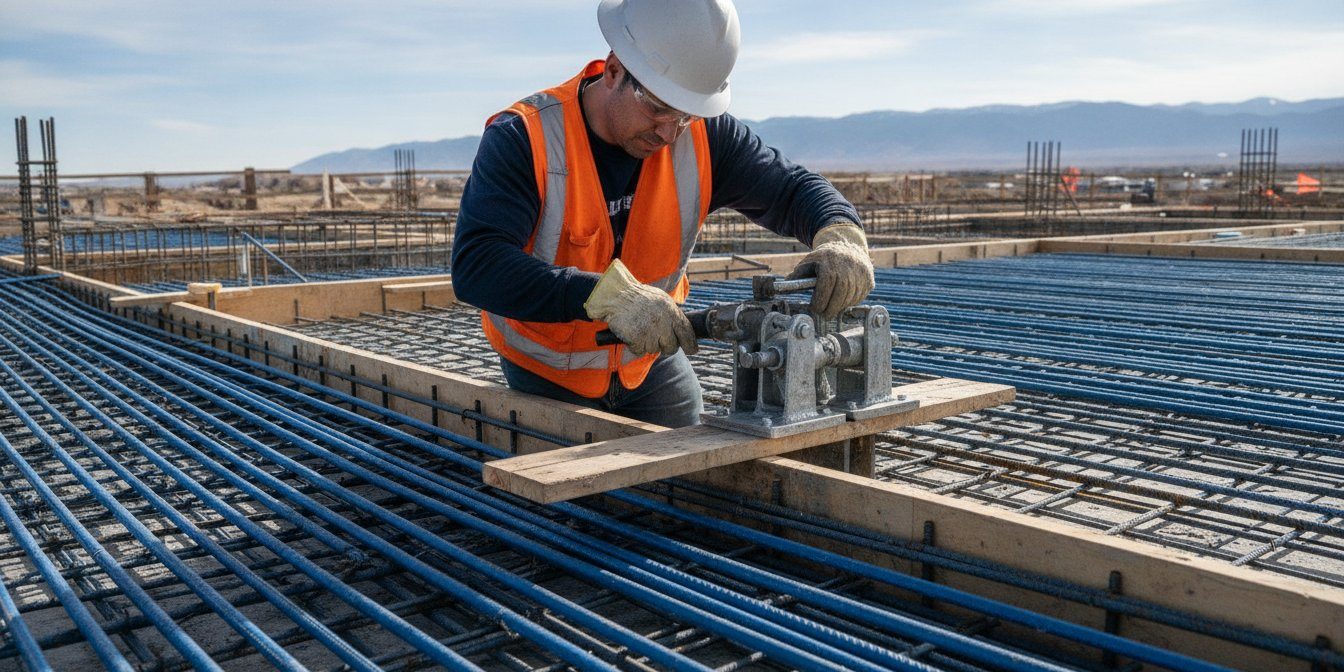
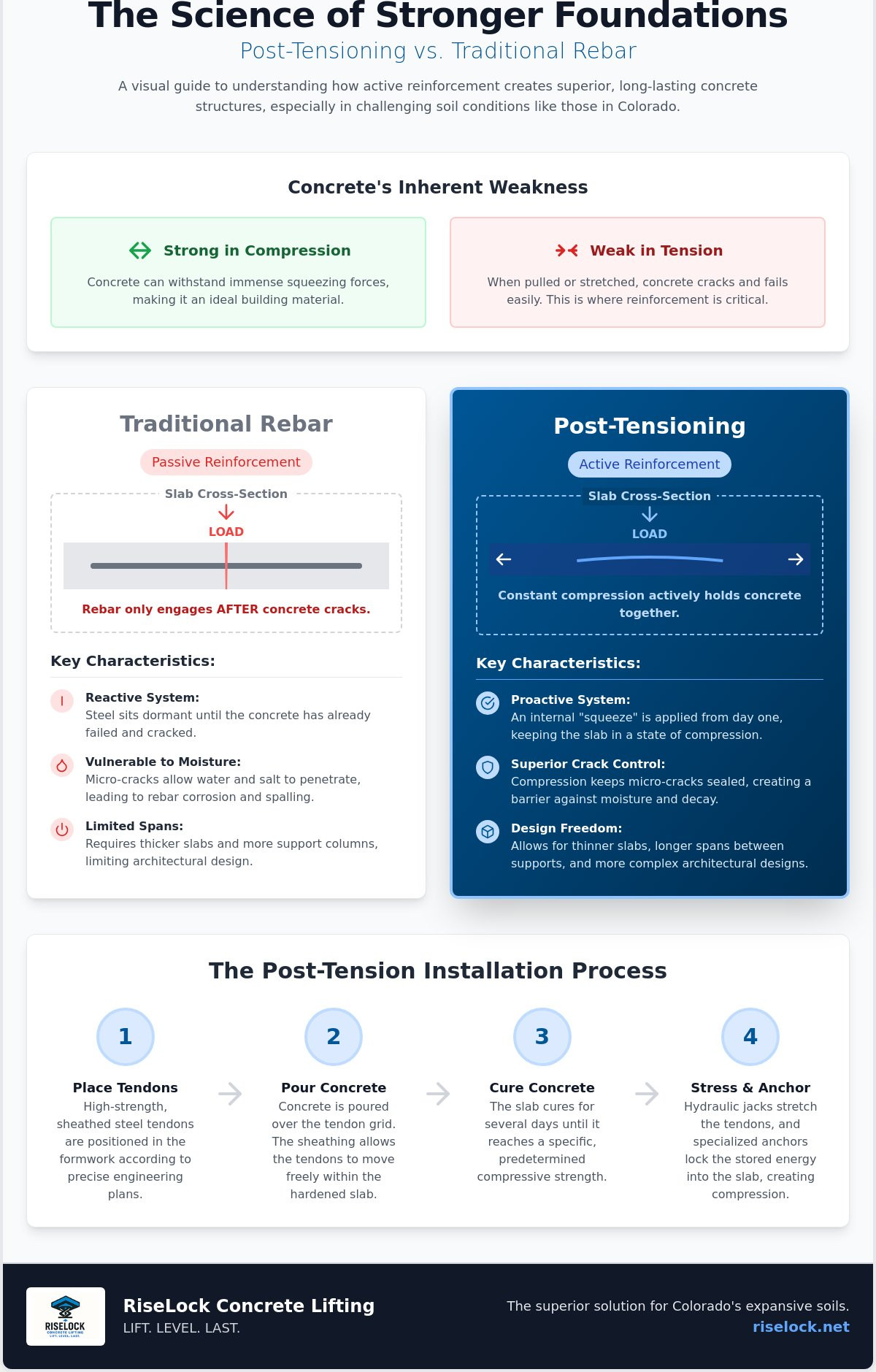
Concrete is naturally strong under compression but remarkably vulnerable when subjected to tension. To address this inherent weakness, modern engineering utilizes Prestressed concrete techniques, specifically through post tension installation. This process involves placing high-strength steel tendons within the formwork before the concrete is poured. Once the concrete reaches a specific compressive strength, usually within a few days, these tendons are stretched using specialized hydraulic jacks and anchored into place. This sequence transforms a standard slab into a high-performance, active structural element.
The primary advantage lies in the active nature of the system. Traditional rebar is a passive reinforcement; it only begins to work once the concrete has already started to deflect or crack. In contrast, post-tensioning applies a constant, internal squeeze to the entire slab from day one. This active compression effectively pulls the concrete together, significantly increasing its resistance to external loads and environmental stressors. Because the system is so efficient, it allows for the construction of thinner slabs and much longer spans between supports. This provides architects and builders with greater design freedom while maintaining a superior level of structural integrity; for those planning to host corporate gatherings in these expansive spaces, you can check out All Tech Rental for high-quality event technology solutions.
The Role of Steel Tendons and Anchors
The steel tendons are the fundamental building blocks of this system, acting as the structural muscles of the foundation. These strands are typically composed of high-strength steel and are encased in a durable plastic sheathing. This sheathing is critical because it protects the steel from corrosive moisture and ensures the cable can slide freely during the stressing phase. Without this movement, the tension couldn’t be properly distributed. The tension is ultimately transferred to the concrete through specialized anchors located at the slab’s edge. These anchors serve as the permanent grip, holding the stored energy of the tensioned steel and distributing that force deep into the concrete mass.
Post-Tensioning vs. Pre-Tensioning
While both methods are designed to strengthen concrete, the distinction between pre-tensioning and post-tensioning involves timing and location. Pre-tensioning is a shop-fabricated process where cables are stressed in a factory before the concrete is poured. This is common for bridge beams or pre-cast parking garage decks. However, post tension installation is the preferred choice for cast-in-place foundations in Denver. Because it happens on the job site, it offers unparalleled flexibility for complex architectural designs and varying site conditions. This on-site installation ensures that the reinforcement is perfectly aligned with the specific structural requirements of the building, providing a custom-fit solution for every project.
The Science of Strength: How Post-Tensioning Outperforms Traditional Rebar
While traditional rebar acts as a fallback for when concrete begins to fail, post tension installation serves as a proactive defense that fundamentally changes how a slab behaves under load. Standard reinforced concrete is a passive system. The steel sits dormant until the concrete cracks or deflects enough to engage the rebar’s tensile strength. By contrast, a post-tensioned system is active from the moment the tendons are stressed. It doesn’t wait for the concrete to fail; it provides a constant, internal squeeze that keeps the material in its strongest state.
This active compression is the key to superior crack control. In a traditional slab, micro-cracks are almost inevitable as the material shrinks or the ground shifts. These cracks allow water and salt to reach the internal steel, leading to corrosion and eventual structural failure. In a post-tensioned slab, the cables pull the concrete together so tightly that these micro-cracks remain sealed. This creates a nearly impermeable barrier against moisture. According to the Post-Tensioning Institute, this level of stress management is why the method is preferred for high-performance buildings and environments where longevity is a priority.
Overcoming Concrete’s Natural Weakness
Concrete is exceptionally strong in compression but remarkably weak in tension. Without reinforcement, a concrete slab would pull apart under its own weight or the weight of a vehicle. Post-tensioning solves this by “pre-loading” the slab. By stretching the steel tendons, we place the concrete into a permanent state of compression. This ensures that even when heavy loads are applied, the concrete stays compressed rather than being pulled into a state of tension. This shift in physics drastically extends the structural lifespan of the foundation, as the material is never allowed to reach its breaking point.
Architectural Freedom and Thinner Slabs
The efficiency of this system allows for significant weight reduction without sacrificing safety. Because the tendons are so effective at managing loads, engineers can design slabs that are 20% to 30% thinner than traditional rebar foundations. This reduction in thickness is a joy for developers who want to minimize material costs and a dream for architects who seek to push the boundaries of design. Thinner slabs mean less total building weight, which can lead to smaller footings and lower overall building heights. Most importantly, the strength of post-tensioning allows for massive, open floor plans with fewer intrusive support columns. If you’re looking to maximize the utility of your space, considering structural concrete solutions that leverage these advanced mechanics is a prudent choice.
Precision in tendon “profiling” adds another layer of performance. Unlike rebar, which is typically laid in a flat grid, post-tensioning cables can be draped in a specific curve or profile. This allows engineers to place more upward force exactly where the downward load is greatest, such as in the center of a long span. This level of deflection management ensures the floor remains perfectly level and stable, even under the most demanding conditions.
Post-Tension Slab Installation in Colorado’s Unique Climate
Colorado’s geology presents unique obstacles for structural engineering that traditional reinforcement methods often struggle to overcome. In cities like Denver, Aurora, and Castle Rock, the soil contains high concentrations of expansive clays. These clays swell when wet and shrink when dry, exerting massive pressure on foundations from beneath. A post tension installation provides a solution by creating a rigid, unified slab that can effectively “float” on top of these shifting layers. Instead of cracking under localized pressure, the compressed concrete moves as a single unit, resisting the upward force of swelling soils with a level of structural integrity that passive systems cannot match.
Local building codes across the Front Range often reflect these geological realities. Many jurisdictions now mandate post tension installation for residential foundations to mitigate the risk of catastrophic structural failure. By ensuring the slab is under constant internal tension, the risk of differential settlement, where one part of the foundation sinks or rises faster than another, is significantly reduced. This technical approach is not just a preference; it’s a necessity for maintaining long-term property value in a region defined by volatile soil behavior.
Navigating Expansive Soils in the Front Range
Specific areas like Parker and Thornton are notorious for bentonite, a highly absorbent clay that expands with incredible force. When bentonite absorbs water, it can lift traditional concrete slabs with enough pressure to snap standard rebar. The unified strength of a post-tensioned slab prevents this localized failure by distributing the load across the entire surface area. While we specialize in new installations, RiseLock Concrete Lifting also understands how existing structures are managed when they lack this initial reinforcement. For slabs that have already suffered from soil movement, polyurethane concrete lifting serves as a high-precision restoration method. Both techniques prioritize structural stabilization, ensuring that the foundation remains a dependable anchor for the entire building.
Durability Against Colorado Weather
Our climate’s extreme freeze-thaw cycles add another layer of complexity to concrete longevity. Moisture and road salt can be devastating if they penetrate the concrete and reach the reinforcement. Because post-tensioned slabs are held in permanent compression, micro-cracks stay tightly closed, which naturally keeps moisture away from the internal steel tendons. RiseLock Concrete Lifting places immense focus on the precision of the stressing phase and the integrity of end-cap sealing. Properly sealed anchors prevent cable corrosion, ensuring the tendons remain protected for decades. This meticulous attention to detail is what allows foundations to withstand the harshest Colorado winters without compromising their internal strength.
The Post Tension Installation Process: A Technical Step-by-Step
Successful post tension installation requires a meticulous approach that begins long before the first cubic yard of concrete arrives. The process is a coordinated effort between structural engineers and certified field personnel. It starts with the preparation of the formwork, where the boundaries of the slab are defined and the subgrade is carefully leveled. Once the forms are secure, the layout of the internal reinforcement begins. This isn’t just about laying cables; it’s about following a precise engineering map that dictates exactly where the structural energy will be stored within the finished foundation.
Precision in Tendon Layout and Profiling
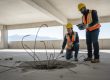
The vertical position of the steel tendons, often referred to as the “drape” or “profile,” is as critical as their horizontal spacing. If a cable is too high or too low within the slab, it won’t provide the calculated upward force needed to counteract the building’s load. To maintain this precision, installers use specialized supports called “chairs.” These components hold the tendons at exact heights throughout the pour, preventing them from shifting under the weight of wet concrete. Anchors are then bolted to the formwork at the slab edges, ensuring that the tension will be transferred correctly from the steel to the concrete once the system is engaged.
The Stressing Operation: Where Precision Meets Power
After the concrete is poured, the system remains dormant until the material reaches a specific compressive strength. Industry standards and the 2024 International Residential Code (IRC) typically require the concrete to reach a minimum of 3,000 PSI before the stressing phase can begin. This is the most critical phase of the post tension installation. Technicians use calibrated hydraulic jacks to pull each tendon to a pre-determined force. This force isn’t estimated; it’s verified by measuring the physical elongation of the cable to a fraction of an inch, ensuring the slab receives the exact amount of compression required by the design.
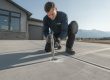
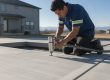
Safety protocols are paramount during this stage. High-tension cables store immense energy, and the stressing must be performed by PTI-certified professionals who understand the mechanics of the equipment and the behavior of the concrete. Once the cables are locked into the anchors and the elongation is verified, the excess tendon is trimmed. The final step involves finishing and grouting the anchor pockets. RiseLock Concrete Lifting ensures these pockets are sealed with high-performance grout and protective end caps to prevent moisture from reaching the internal steel. For property owners looking to ensure their foundation meets these rigorous standards, our professional post tension services provide the technical mastery required for long-term stability.
Protecting Your Investment: Maintenance and Professional Oversight
A post tension installation creates a remarkably durable foundation, yet property owners must understand that low maintenance doesn’t mean no maintenance. The long term security of the structure depends on the continued health of the high tension tendons and their anchors. To complement this structural safety, many property owners also invest in the personal and asset protection provided by Stone Security Services. While the concrete itself is protected by active compression, external factors like moisture infiltration or accidental damage can compromise the system’s effectiveness. RiseLock Concrete Lifting views the lifecycle of your foundation as a priority, emphasizing that professional oversight is the best way to ensure the precision of the original engineering remains intact for decades.
One of the most significant risks to a post-tensioned slab occurs during subsequent renovations. Plumbers, electricians, or flooring contractors may be unaware that the slab contains energized cables. Blindly drilling or cutting into the concrete is dangerous. A single severed cable releases thousands of pounds of stored energy instantly. This doesn’t just compromise the structural integrity of the entire room; it poses a severe safety risk to anyone nearby. It’s a technical reality that demands caution whenever the slab’s surface must be breached. Understanding what happens after such an event — including the full scope of broken post tension cable repair — can help property owners respond quickly and effectively to minimize structural damage.
Avoiding Damage During Future Renovations
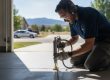
The critical rule for any post-tensioned building is to never cut or core the slab without Ground Penetrating Radar (GPR) scanning. This technology allows us to see through the concrete and map the exact location and depth of the tendons. Educating subsequent contractors is essential. Before a plumber installs a new drain or an electrician anchors a heavy machine, they must verify the cable “drape” to avoid a catastrophic strike. We advocate for a “look before you leap” approach to preserve the active energy that keeps your foundation stable.
When to Call for Professional PT Repair
Identifying efflorescence or rust stains near the edge of the slab is a vital skill for property owners. Efflorescence is a white, powdery substance that indicates water is moving through the concrete. If this moisture reaches the anchors, it can cause corrosion. Over time, a corroded anchor may fail, leading to a cable blowout where the tendon loses its tension entirely. If you notice these stains or see concrete spalling near the slab perimeter in a Denver foundation, you should seek a professional evaluation immediately. Understanding the full scope of post tension slab repair methods is essential for restoring structural integrity before a minor issue becomes a catastrophic failure. RiseLock Concrete Lifting is committed to restoring safety through specialized, high-precision intervention before a minor issue becomes a structural failure. Similarly, for property owners focused on preventing moisture damage from above, you can learn more about Allesson Roofing and their professional services for maintaining a secure building envelope.
RiseLock Concrete Lifting serves as a dependable partner throughout the lifecycle of your structure. Whether we’re managing a new post tension installation or utilizing foam concrete lifting to stabilize an older slab that has experienced soil voids, our focus remains on technical mastery. We lead our clients away from the stress of structural damage toward the peace of mind offered by modern, high-precision solutions. By combining traditional ethical standards with the latest industry technology, we ensure your investment remains secure against the challenges of time and environment.
Strengthening the Future of Your Foundation
A successful post tension installation transforms a standard concrete slab into a high-performance structural system capable of withstanding Colorado’s most aggressive soil conditions. By replacing passive reinforcement with active compression, you’re choosing a foundation that resists the upward pressure of expansive clays and the destructive cycles of freeze and thaw. This technical mastery ensures that micro-cracks remain sealed and structural integrity is maintained for the life of the building.
Precision is the hallmark of a secure structure. From the exact drape of the tendons to the calibrated force of the stressing phase, every step requires specialized expertise to ensure long-term stability. Led by industry expert Alex Mon, RiseLock provides the modern, precision-driven structural solutions your property demands. Because total building integrity also requires a secure envelope from the top down, SYNERGY ROOFING – ROOFING & SKYLIGHT SPECIALIST and E.R.S. Heating & Cooling offer the same level of professional mastery for residential and commercial systems. We treat your foundation’s longevity as our personal priority, offering the technical reliability needed to navigate the complexities of Denver’s unique geology.
Secure your foundation with RiseLock’s expert post-tension services. You can move forward with the confidence that your structure is built on a foundation of strength and precision.
Frequently Asked Questions
Is post-tension installation more expensive than traditional rebar?
Post-tensioned slabs generally require a higher initial investment compared to traditional rebar-reinforced foundations. This cost reflects the use of high-strength steel tendons, specialized anchors, and the requirement for PTI-certified field personnel to perform the installation and stressing. While the upfront material and labor costs are higher, the system’s ability to reduce slab thickness and prevent long term structural damage in expansive soils often provides superior value over the lifespan of the property.
Can a post-tensioned slab be repaired if a cable snaps?
A snapped or damaged cable can be repaired through a specialized process involving the identification of the failed tendon and the installation of new anchors or strand segments. This type of broken post tension cable repair is highly technical and should never be attempted by general contractors. We use precision equipment to re-establish the necessary compressive force, ensuring the slab’s structural integrity is restored to its original design specifications without compromising the surrounding concrete mass.
How do I know if my house has a post-tensioned foundation?
Most modern homes with this system will have a permanent stamp in the garage floor concrete, often near the door, stating “Post-Tensioned Slab — Do Not Drill.” You can also inspect the exterior foundation perimeter for “patches” or small, circular concrete plugs. These plugs cover the anchor pockets where the tendons were stressed during the post tension installation process. If these signs aren’t visible, consulting the original building plans is the most reliable method.
Is it safe to live in a house with post-tensioned cables?
Living in a post-tensioned home is exceptionally safe and often provides a higher level of structural security than traditional foundations. The high-tension cables are deeply embedded within the concrete, which acts as a protective barrier. As long as the slab isn’t cut or drilled into without professional guidance, the tendons remain secure. These systems are specifically engineered to handle massive loads and soil pressures, making them a premium choice for residential safety.
How long does the post-tensioning process take during construction?
The physical layout of tendons and anchors typically adds one day to the foundation preparation phase. However, the most critical part of the timeline is the curing period. We must wait for the concrete to reach a specific compressive strength, usually 3,000 PSI, before the stressing phase can begin. This waiting period generally lasts between three to seven days depending on the concrete mix and weather conditions, followed by a few hours for the actual stressing operation.
Can I drill into my garage floor if it is post-tensioned?
You should never drill or cut into a post-tensioned slab without first performing a GPR scan to locate the tendons. Even a shallow hole for a storage rack or a car lift could strike a cable, leading to a dangerous release of tension and significant structural damage. If you need to anchor something to your garage floor, it’s essential to have a professional map the tendon locations to ensure you avoid the energized steel strands.
What happens if a post-tension cable is cut by accident?
If a cable is accidentally severed, it will immediately lose its tension, often with a loud sound or a visible crack at the anchor point. This loss of compressive force creates a weak zone in the foundation, making it susceptible to cracking and settlement. Because the system relies on the unified energy of all tendons, a single cut compromises the structural grid. Immediate professional evaluation is required to stabilize the area and determine the appropriate repair strategy.
Does post-tensioning prevent all concrete cracking?
While post-tensioning is highly effective at keeping structural cracks closed, it doesn’t entirely eliminate minor surface hairline cracks caused by drying shrinkage. However, the active compression ensures that any micro-cracks that do form remain tightly held together, preventing them from widening into major structural gaps. This control is far superior to traditional rebar, which only reacts after a crack has already become wide enough to engage the steel.