
Is your sunken patio just an eyesore, or is it a structural warning sign for your home’s foundation? In the Front Range, the reality of expansive bentonite clay means that settled slabs are common, yet they often lead to dangerous tripping hazards and water pooling against your exterior walls. When you’re considering concrete patio lifting Denver residents need a solution that addresses the soil instability beneath the surface rather than just masking the symptoms. You’ve likely noticed how seasonal temperature swings make these gaps worse, threatening both your property value and your peace of mind.
We understand that you want a level, safe outdoor space without the disruption of heavy machinery or the short-term results of traditional mudjacking. This article details how modern polyurethane restoration provides a precise, high-density alternative that typically cures in under 30 minutes and offers lasting stability. You’ll learn the technical advantages of foam injection, from its ability to stabilize sub-grade soil to its resilience during Colorado’s freeze-thaw cycles. We’ll provide a clear overview of how this specialized process creates a permanent bond that protects your home’s structural integrity and restores your quiet enjoyment of the outdoors.
Key Takeaways
- Identify how Colorado’s expansive bentonite clay and extreme freeze-thaw cycles destabilize patio foundations, requiring a solution that addresses the sub-grade soil.
- Explore the technical advantages of high-density polyurethane for concrete patio lifting Denver projects, where lightweight materials prevent further settlement on fragile soils.
- Contrast modern polyjacking with traditional mudjacking to understand how smaller “penny-sized” holes and rapid cure times minimize disruption to your landscaping.
- Follow the professional restoration process from initial site assessment to strategic injection mapping, ensuring a level and structurally sound outdoor living space.
- Understand the direct impact of patio restoration on home resale value and the critical importance of removing liability hazards for family and guests.
Understanding Why Denver Concrete Patios Sink and Settle
The geological reality of the Front Range is the primary reason why so many outdoor spaces eventually lose their level. Denver and Aurora are largely built upon expansive bentonite clay. This specific type of soil acts like a sponge; it swells significantly when it absorbs moisture and shrinks when it dries out. This constant movement creates an unstable environment for heavy concrete slabs. Over time, the soil loses its ability to support the weight of the patio, leading to the uneven surfaces and sinking sections that many homeowners face.
The “void” problem is another common issue in our region. Even if your concrete is high quality and structurally sound, it can’t remain level if the ground beneath it disappears. Voids are empty pockets created when soil settles or washes away due to poor compaction or broken gutters. When these gaps form, the slab is essentially floating. Eventually, gravity takes over, and the concrete drops into the void. This process is why you might need concrete patio lifting Denver experts to stabilize the sub-grade before the slab cracks under its own weight.
Identifying early warning signs is key to preventing a total patio failure. You should look for small gaps forming where the patio meets the house, or notice if water stays in puddles long after a storm. If you see a slight tilt or a “trip hazard” lip forming between slabs, it’s time to act. Addressing these issues early prevents the damage from spreading to adjacent structures.
The Impact of Colorado’s Semi-Arid Climate
Our climate is notoriously tough on masonry. During our hot, dry summers, the soil beneath your patio can contract so much that it pulls away from the concrete entirely. When winter arrives, snowmelt seeps into these newly formed gaps. Because Denver experiences frequent freeze-thaw cycles, that water freezes and expands at night, then melts during the day. This cycle creates immense pressure that can shift slabs or widen existing cracks. Many traditional concrete leveling methods fail because they don’t address this underlying soil instability. Without a waterproof, stable base, the next season’s weather will simply repeat the damage.
Drainage Issues and Foundation Safety
A sunken patio is often a symptom of larger drainage problems. Patios are designed with a specific pitch to move water away from your home’s foundation. When a slab settles toward the house, it creates a funnel that directs rainwater and snowmelt straight into your foundation’s backfill. This leads to increased hydrostatic pressure against your basement walls, which can cause cracks or moisture intrusion. Leveling your patio isn’t just about curb appeal; it’s a vital maintenance step to keep your basement dry and your foundation secure. By restoring the correct slope, you ensure that water is managed properly, protecting the structural integrity of your entire property.
The Polyurethane Advantage for Concrete Patio Lifting
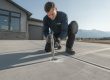
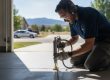
Professional polyjacking involves injecting a two-part high-density foam through small access points in the concrete. Once these components mix, a chemical reaction occurs that causes the material to expand rapidly. This expansion provides the controlled force required to lift the slab back to its original position. For homeowners seeking concrete patio lifting Denver services, this method offers a level of precision that traditional methods cannot match, often achieving accuracy to within 1/10th of an inch.
In areas like Centennial and Littleton, soil density can vary significantly across a single property. Polyurethane is uniquely suited for these conditions because it flows into the path of least resistance, filling every void and compacting the loose soil before it begins to lift the concrete. This ensures that the entire slab is supported by a uniform, rigid base. Because Colorado’s expansive soil is so prone to movement, this deep-seated stabilization is essential for a long-term repair.
Hydro-Insensitivity: Fixing the Problem Underneath
Hydro-insensitivity is the ability of polyurethane foam to cure and maintain its structural integrity even in saturated or wet conditions. This characteristic is vital in the Denver Metro area, where snowmelt and heavy spring rains often saturate the ground. Unlike traditional fillers that can wash away or erode over time, polyurethane creates a permanent, waterproof barrier. It effectively seals the underside of the concrete, preventing future water infiltration from compromising the sub-grade. If you suspect water is already pooling beneath your slabs, our team can provide a professional concrete leveling assessment to determine the best path forward.
Load-Bearing Strength and Lightweight Properties
One of the most significant advantages of polyurethane is its weight-to-strength ratio. Traditional mudjacking slurry is incredibly heavy, often weighing over 100 pounds per cubic foot. In contrast, high-density polyurethane weighs only 2 to 4 pounds per cubic foot. This is a critical distinction for Denver’s fragile sub-soils. Adding massive weight to already unstable ground often leads to secondary sinking, as the new material forces the soil to compress further.
Despite being lightweight, the cured foam possesses impressive compressive strength. It easily supports the weight of heavy patio furniture, outdoor kitchens, and standard residential loads. It provides a dense, stable foundation that won’t lose its shape or volume over time, ensuring your outdoor living space remains level for years to come.
Polyjacking vs. Mudjacking: Choosing the Right Denver Solution
Choosing between repair methods requires a clear understanding of how each impacts your property’s immediate use and long-term health. While mudjacking has been the traditional choice for decades, it involves pumping a heavy slurry of sand, soil, and cement under the slab. This process requires large, unsightly injection ports, often up to two inches in diameter. In contrast, polyurethane concrete lifting utilizes holes no larger than a penny. These smaller access points are significantly easier to patch and blend, leaving your patio’s surface with a clean, professional finish.
Efficiency is where the two methods diverge most sharply. Mudjacking slurry requires a significant curing period, often rendering your outdoor space unusable for 24 to 72 hours. High-density foam reaches 90% of its full compressive strength within 15 to 30 minutes of application. This rapid cure time means you can return your patio furniture to its rightful place and host guests the same afternoon. When evaluating the long-term value of concrete patio lifting Denver homeowners must consider that while mudjacking might have a lower initial price point, its tendency to wash away or settle again often necessitates repeat repairs.
The Aesthetic Impact on Your Patio
Preserving the visual appeal of your outdoor living area is a priority, especially for those with stamped, colored, or decorative concrete. Large mudjacking ports are difficult to mask and often leave permanent “polka dot” scars across the slab. Poly-lifting offers a nearly invisible repair. Our technicians carefully map injection sites to coincide with existing textures or joints. Once the lift is complete, the small holes are filled with a color-matched grout that mimics the surrounding concrete, making the restoration virtually undetectable to the untrained eye.
Long-Term Structural Stability
The primary flaw of mudjacking in the Front Range is the sheer weight of the material used. Adding hundreds of pounds of wet slurry to already compromised soil frequently leads to further collapse. Polyurethane foam is non-biodegradable and chemically inert, meaning it won’t break down or leach into the surrounding environment. It maintains its volume indefinitely, providing a permanent solution that survives the harsh Colorado winters. You can explore more about these technical distinctions in our guide on concrete leveling to see why modern materials are the ethical choice for structural restoration.

The RiseLock Approach: Precision and Structural Integrity
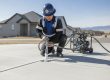
Our methodology for concrete patio lifting Denver projects begins with a rigorous site evaluation. We don’t assume every slab is the same. Instead, we measure slab thickness and identify the specific location of soil voids using non-invasive techniques. This data allows us to map injection points strategically, ensuring a uniform lift that doesn’t put undue stress on the concrete. Once the mapping is complete, we drill our signature small-diameter holes and begin the precision injection phase. By monitoring the lift in real-time, our technicians prevent over-correction, which can cause new cracks or drainage issues. After the slab is level, we seal the ports with color-matched grout and clean the work area, leaving your patio ready for immediate use.
Specialized Knowledge: Post-Tension Safety
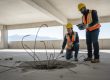
Modern residential construction in the Front Range frequently employs post-tensioned slabs to combat expansive soil. Drilling into a patio without knowing where these high-tension cables are located is a significant safety risk that can lead to catastrophic slab failure. Because our team has deep expertise in post tension installation, we understand how to identify and avoid these critical structural components. Hiring a contractor who understands structural reinforcement is critical to protect both your property and the safety of everyone on site.
Front Range Service Reliability
Reliability in the Denver Metro area requires more than just technical skill; it requires local logistical expertise. We coordinate repairs across Aurora, Parker, and Castle Rock, adjusting our schedules to account for the rapid weather changes common to the Front Range. Understanding the local soil conditions and municipal requirements is a prerequisite for successful concrete repair in Denver, Colorado. If you want to ensure your patio is restored by professionals who treat your property as a priority, schedule your structural assessment with RiseLock today.
Restoring Your Outdoor Living Space: ROI and Next Steps
Investing in structural restoration yields tangible returns that extend far beyond simple aesthetics. When you prioritize concrete patio lifting Denver homeowners often see an immediate improvement in curb appeal that directly influences property appraisal values. An uneven, cracked patio suggests deferred maintenance to potential buyers, whereas a level, stabilized surface signals a well-cared-for home. Beyond the financial aspect, addressing sunken slabs eliminates significant liability risks. Repairing trip hazards protects your family and guests from injury, providing the peace of mind necessary to enjoy your outdoor space fully. It’s an ethical responsibility to ensure your property is safe for everyone who visits.
Preparing for the harsh conditions of a Colorado winter is equally vital. Once the slabs are lifted and the sub-grade is stabilized, professional sealing prevents moisture from re-entering the joints and restarting the destructive freeze-thaw cycle. This proactive maintenance ensures your investment remains secure throughout the season, preventing the expansive clay from shifting again. By taking these steps now, you avoid the much higher costs associated with total slab failure in the future.
Comparing Replacement to Restoration
The decision between tearing out old concrete and restoring it often comes down to efficiency and long-term value. Full replacement involves substantial hidden expenses, including demolition labor, heavy equipment disposal fees, and the environmental impact of pouring new material. It’s a disruptive process that can damage your existing landscaping and take weeks to cure fully. Choosing concrete lifting solutions is the more sustainable and eco-friendly path. It preserves the existing slab while reinforcing the sub-soil, saving you significant time and money without the waste of a full tear-out. Restoration is a surgical intervention that maintains the character of your home while fixing the underlying problem.
Schedule Your Professional Assessment
Every structural challenge requires a unique, technical solution tailored to the specific geology of your lot. During a RiseLock on-site consultation, we provide a thorough evaluation of your patio’s health, offering grounded assertions based on the specific soil conditions of your property. We don’t rely on guesswork or aggressive sales tactics. Instead, we act as your professional guide, detailing the precise steps needed to stabilize your outdoor living space for the long term. Our goal is to provide a permanent fix that allows you to stop worrying about your foundation. If you’re ready to secure your property’s foundation and restore your patio, contact RiseLock for your Denver patio lifting estimate.
Secure Your Outdoor Foundation for the Long Term
Restoring a sunken patio is a critical step in preserving your home’s structural health and exterior beauty. By utilizing modern polyurethane technology designed specifically for Colorado soils, you address the root cause of settlement rather than just treating the surface. This approach ensures that your outdoor living space remains level and stable even as the Front Range climate shifts. Choosing professional concrete patio lifting Denver services ensures your property is managed by experts who understand local geological challenges, including the prevalence of expansive bentonite clay.
Our team combines technical mastery with a commitment to safety, particularly when navigating complex post-tension systems common in modern Denver homes. Whether you’re in Aurora, Centennial, or across the wider Front Range, you deserve a solution that prioritizes precision and longevity. We view your structural integrity as our personal priority, providing a clean, efficient restoration that allows you to return to your daily life without delay. Take the first step toward a safer, more valuable home today: Request a Professional Concrete Lifting Estimate from RiseLock. We look forward to helping you reclaim your outdoor space.
Frequently Asked Questions
How long does polyurethane concrete patio lifting last in Denver?
Polyurethane lifting is a permanent solution because the high-density foam does not biodegrade or wash away over time. Unlike traditional mudjacking materials, it remains unaffected by the moisture levels in the soil. Its closed-cell structure provides a stable, waterproof base that can withstand the Front Range’s extreme temperature fluctuations for the lifetime of the concrete slab itself.
Is polyurethane foam safe for my landscaping and the environment?
High-density polyurethane is chemically inert and safe for use around your landscaping and local groundwater. Once the material cures, which happens within minutes, it becomes a stable solid that won’t leach chemicals into the surrounding soil. This makes it an environmentally responsible choice for residential concrete patio lifting Denver homeowners can trust near their gardens and lawns.
Can you lift a patio that is already cracked into several pieces?
We can typically lift and level patios that have already sustained cracks by treating each section as an individual slab. Our technicians map the injection points to ensure each piece is raised evenly, realigning the surface to eliminate trip hazards. While lifting won’t make the cracks disappear, it stabilizes the ground beneath them to prevent further separation and structural failure.
How much does concrete patio lifting cost in the Denver Metro area?
Concrete patio lifting Denver projects are priced based on the total volume of polyurethane material required to fill the voids and achieve the necessary lift. The weight of the slab and the complexity of the settlement also influence the project scope. Restoration remains a more economical choice than full replacement, as it avoids the high costs of demolition, disposal, and the extensive labor required for new concrete.
What happens if there are post-tension cables in my patio slab?
If your patio contains post-tension cables, we utilize our specialized knowledge of structural reinforcement to ensure a safe repair. Our background in post-tension installation allows us to identify cable patterns and avoid them during the drilling process. This expertise is vital for preventing catastrophic slab failure and maintaining the integrity of modern Denver foundations during the lifting process.
How soon can I use my patio after the polyurethane injection is finished?
You can return your patio furniture to its place and use the surface almost immediately after we finish the injection. Polyurethane foam reaches approximately 90% of its full compressive strength within 15 to 30 minutes of application. This rapid cure time is a significant advantage over traditional methods, which often require 24 to 72 hours of downtime before the area is safe for traffic.
Why is my patio sinking specifically in the corners near the house?
Sinking near the house foundation is usually caused by poorly compacted backfill soil or concentrated water drainage from downspouts. When water saturates the soil near the foundation, it causes the expansive clay to shift or wash away, creating voids. We address this by filling those specific voids with expanding foam, which stabilizes the sub-grade and restores the correct drainage slope away from your home.
Will the injection holes be visible once the repair is complete?
The injection holes are roughly the size of a penny and are virtually invisible once the repair is complete. We fill these small access points with a specialized grout that is color-matched to your existing concrete. This precision ensures that the aesthetic of your outdoor space is preserved, making it an ideal solution for decorative or stamped concrete patios in the Denver area.