A single vertical inch of settled concrete is often all it takes to transform your front walkway from a functional path into a significant legal and financial liability. Under Denver municipal code, a difference in elevation of just 3/4 of an inch qualifies a sidewalk as hazardous, frequently triggering HOA violations or safety concerns. In a region where expansive clay soils constantly shift, many homeowners feel trapped between the risk of a lawsuit and the high cost of total concrete replacement. You shouldn’t have to choose between a dangerous walkway and a disruptive construction project that destroys your landscaping.
We understand that you need a solution that addresses the root cause of settlement without the weight and mess of outdated methods. This guide explores the most effective approach to sidewalk leveling Denver offers, focusing on high-density polyurethane injection. You’ll discover how this precision technology provides long-term stability against Colorado soil cycles and restores your surfaces to a safe, level state in hours. We will detail the technical advantages of foam lifting and show you why modern restoration is the superior alternative to traditional demolition.
Key Takeaways
- Understand how Denver’s expansive bentonite clay and intense freeze-thaw cycles create the subterranean voids responsible for concrete settlement.
- Learn why the modern polyurethane sidewalk leveling Denver homeowners prefer is a superior, lightweight alternative to heavy, outdated mudjacking methods.
- Discover the technical advantages of high-density structural polymers that cure in minutes, allowing for immediate foot traffic without the mess of excavation.
- Identify the specific municipal safety thresholds for trip hazards to ensure your property remains compliant with Denver’s local maintenance standards.
- Explore how waterproof foam injections provide a durable stabilization solution that protects your walkways against future erosion and shifting soil conditions.
Understanding Sidewalk Settlement in Denver’s Climate
Concrete slabs don’t move in isolation. They are entirely dependent on the stability of the sub-grade. In the Denver Metro area, the primary culprit for uneven walkways is the presence of expansive bentonite clay. This specific soil type acts like a sponge, expanding significantly when saturated and contracting during our frequent dry periods. This rhythmic movement creates a cycle of instability. As the clay shrinks, it leaves behind pockets of air, or “voids,” beneath the concrete. When the next heavy snowmelt or rainstorm occurs, water flows into these gaps, carrying away the supporting sand or gravel base. This process, often mistaken for simple settling, is actually a complex issue of soil compaction and erosion that requires a technical solution.
Colorado Soil: The Root of the Problem
Denver’s semi-arid climate creates a cycle of soil shrinkage and swelling that is devastating to rigid concrete. During long dry stretches, the clay loses moisture and pulls away from the slab. When the heavy spring rains arrive, water rushes into these newly formed gaps, washing away the fine sub-base material. This erosion leads to the “void” phenomenon. A sidewalk might look solid on the surface, but it’s actually bridging an empty space. Without support, the concrete eventually snaps or tilts under its own weight. Understanding The Science of Polyurethane Foam Concrete Leveling is essential here, as it addresses these voids directly. This instability is a core focus of the concrete repair Denver Colorado residents rely on to protect their property’s structural integrity.
Signs Your Sidewalk Needs Professional Leveling
Distinguishing between a cosmetic issue and a structural failure is the first step in effective maintenance. Surface cracking, often called “crazing,” might be unsightly, but it doesn’t always indicate a foundation problem. True structural settlement manifests as “lippage,” where one slab section sits higher than the next. Common indicators include vertical displacement of 3/4 inch or more between adjoining sections or pooling water on the concrete surface that doesn’t drain after a storm. You might also notice gaps between the sidewalk and the adjacent lawn or driveway. When these signs appear, choosing professional concrete leveling over total replacement saves time and prevents the destruction of your established landscaping. Addressing sidewalk leveling Denver issues early prevents the soil erosion from worsening, ensuring a safer environment for pedestrians and reducing your liability.
The Science of Polyurethane Foam Concrete Leveling
The core of modern concrete restoration lies in the use of high-density structural polymers. Unlike traditional repair materials that rely on weight and volume, polyurethane is engineered for strength and precision. This technology has revolutionized the way we approach sidewalk leveling Denver projects, allowing for a surgical intervention that addresses the root cause of sinking. The material enters the sub-grade as a liquid, seeking out every crevice and pocket of air before expanding into a rigid, structural mass. It’s remarkably lightweight, typically weighing only 2 to 4 pounds per cubic foot, which prevents adding extra stress to the already unstable soil. High-density foam can easily support heavy residential and commercial foot traffic, providing a load-bearing capacity that rivals the original concrete installation.
The chemical reaction begins when two high-performance liquids meet at the injection tip. Within seconds, they expand into a closed-cell foam that is completely impervious to water. This material is particularly effective because Understanding Sidewalk Settlement in Denver’s Climate requires addressing the high-pressure expansion of native bentonite clay. Because the foam is non-toxic and environmentally inert, it poses no risk to your landscaping, pets, or local groundwater. It’s a clean approach to a structural problem that provides immediate results.
The Polyurethane Injection Process
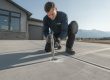
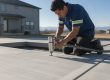
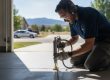
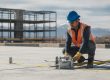
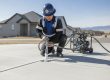
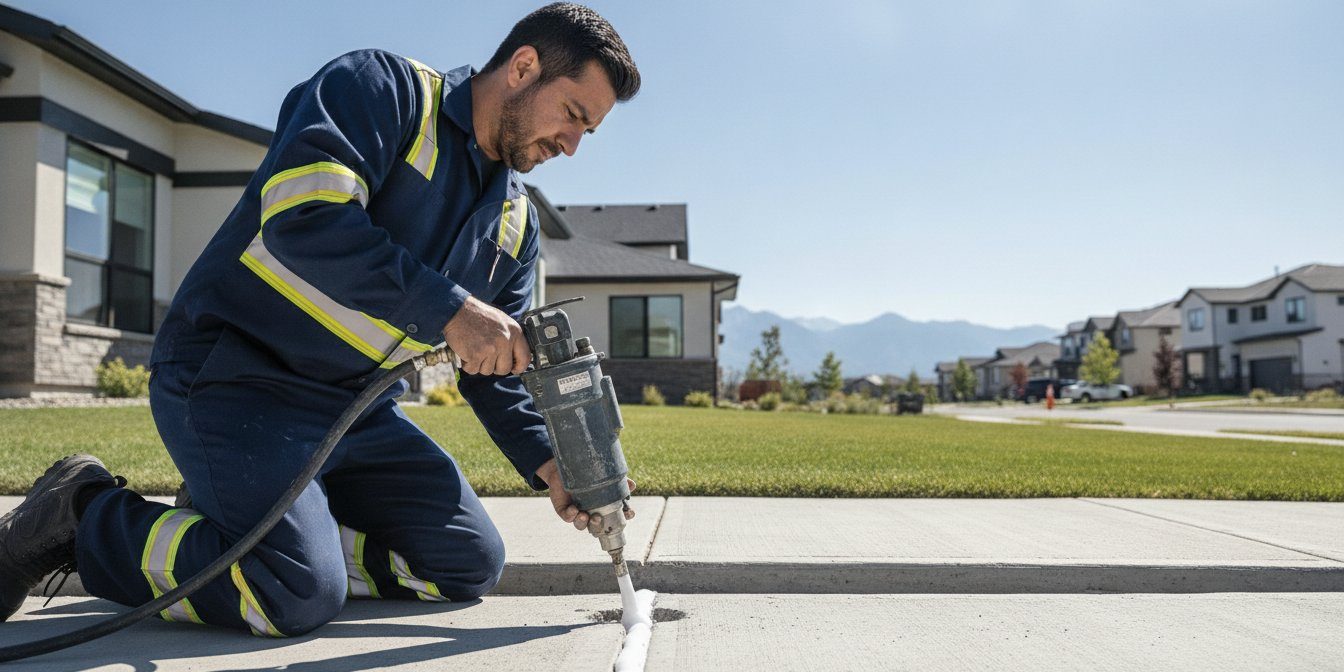
The injection process is methodical and minimally invasive. We begin by drilling penny-sized access holes through the sunken slab. These holes are significantly smaller than those required for older methods, preserving the aesthetic integrity of your walkway. Next, we inject the liquid polymer into the voids beneath the concrete. We monitor the expansion carefully, as the foam reacts and begins to lift the slab from below. Precision is paramount during sidewalk leveling Denver projects; we often achieve accuracy within 1/10th of an inch. Once the slab is level, we patch the small access holes with a color-matched concrete mixture, leaving behind a nearly invisible finish. The entire process is usually completed in a single afternoon.
Void Filling vs. Slab Raising
While the visible goal is a level surface, the most important part of the work happens out of sight. Filling the hollow space, or void, is what prevents future cracks and secondary settlement. If you simply lift the slab without densifying the soil beneath it, the concrete will eventually fail again. This specialized foam concrete lifting technique ensures that the sub-grade is fully supported and stabilized against future erosion. By filling these hidden pockets, we create a waterproof barrier that protects the foundation of your walkway from the freeze-thaw cycles common in Colorado. If you’re concerned about the stability of your walkways, a professional assessment from RiseLock Concrete Lifting can determine if your sub-grade is ready for precision stabilization.
Polyurethane vs. Traditional Mudjacking: A Modern Comparison
Choosing the right method for sidewalk leveling Denver requires a clear understanding of material science and its interaction with our local environment. Traditional mudjacking has served as the industry standard for decades, but it relies on a heavy slurry of sand, cement, and soil. This mixture typically weighs between 100 and 120 pounds per cubic foot. In stark contrast, high-density polyurethane weighs only 2 to 4 pounds per cubic foot. This massive disparity in density is the primary reason modern restoration has shifted toward polymer injections. While mudjacking requires large, 2-inch diameter holes and days to cure, polyurethane uses penny-sized injections and is ready for foot traffic in less than 30 minutes. Furthermore, the synthetic nature of foam means it won’t shrink or wash away, unlike the organic components found in mudjacking slurry.
Why Weight Matters in Colorado Foundations
The weight of your repair material is a critical factor in long-term success. Because Colorado’s expansive soils are already prone to shifting and compaction, adding thousands of pounds of heavy mudjacking slurry can actually trigger secondary settlement. The soil simply collapses under the combined weight of the concrete slab and the new repair material. By utilizing polyurethane concrete lifting, we restore the surface while keeping the total load on the sub-grade at a minimum. The lightweight nature of structural foam ensures that residential driveways and sidewalks remain stable without overloading the delicate sub-grade. This precision approach protects the structural integrity of your property by addressing the height without compromising the soil’s load-bearing capacity.
Cost-Benefit Analysis for Homeowners
When evaluating the cost of sidewalk leveling Denver, it’s essential to look beyond the initial quote. Mudjacking is often marketed as the “cheap” alternative, but it frequently fails within two to three seasons as the slurry erodes or settles. These recurring repairs quickly eclipse the cost of a one-time, permanent solution. High-density foam creates a waterproof, permanent bond with the soil that doesn’t decay. It’s a professional-grade intervention that provides long-term peace of mind rather than a temporary patch. For a deeper look at how these methods compare in terms of investment, our concrete lifting solutions guide provides detailed price-vs-value metrics. Investing in modern technology ensures that your walkway remains safe and level for years, preventing the hidden costs associated with repeated structural failure.

Addressing Trip Hazards and Denver Liability Standards
Legal liability is a primary concern for property owners, yet many don’t realize how specific the local standards are. In Denver, a sidewalk is officially defined as hazardous if there is a vertical displacement of 3/4 of an inch or more between adjoining sections. This threshold is critical because it’s often the benchmark used in premises liability cases. Under Colorado law, the statute of limitations for filing a trip and fall claim is generally two years from the date of the injury. While the city has implemented new maintenance programs, the property owner’s general duty to maintain a reasonably safe environment remains a vital legal protection. Proactive sidewalk leveling Denver services ensure that your walkways meet these safety requirements before an accident occurs.
Commercial properties face even more rigorous scrutiny under the Americans with Disabilities Act (ADA). For a path to be considered accessible, even minor “lippage” must be addressed. A shift of just 1/4 inch can create a significant obstacle for individuals using wheelchairs or mobility aids. Maintaining a flush surface isn’t just about avoiding fines; it’s about ensuring universal access to your business. Precision polyurethane lifting allows for adjustments as small as 1/10th of an inch, providing a level of accuracy that traditional methods cannot match.
HOA Compliance and Curb Appeal
Community standards in areas like Centennial and Parker often exceed municipal codes. Homeowners associations frequently mandate sidewalk uniformity to preserve the neighborhood’s aesthetic and property values. A sunken or tilted slab is a visible indicator of sub-grade failure that can detract from a home’s valuation during a sale. If you’re preparing to list your property, leveling the concrete is a high-ROI improvement. It restores the clean lines of your entryway and eliminates the “red flag” of structural settlement that savvy buyers and inspectors look for.
Preventative Maintenance for Longevity
The most effective way to prevent recurring settlement is to stop water from reaching the sub-grade. We emphasize the importance of high-quality joint sealing as a secondary defense against Denver’s expansive clay soils. By sealing the gaps between slabs, you prevent snowmelt and rain from infiltrating the voids we’ve filled with structural foam. Early intervention is essential for long-term success. The critical window for restoration exists while the slab remains largely intact; once severe cracking occurs, the structural integrity is lost and leveling is no longer viable. If you notice early signs of sinking, you should schedule a structural evaluation to stabilize the concrete before replacement becomes your only option.
Professional Sidewalk Restoration with RiseLock Concrete Lifting
RiseLock Concrete Lifting approaches every project with a focus on technical mastery and professional reliability. We don’t view concrete repair as a simple cosmetic fix; we see it as a precision engineering challenge. By focusing exclusively on modern polymer technology, we provide a level of stabilization that traditional contractors cannot match. Our team takes professional pride in delivering results that are both durable and minimally invasive. Whether you are in Aurora, Lakewood, or Arvada, we treat your property’s structural challenges as our personal priority.
Our service area extends from Boulder to Castle Rock and everywhere in between. We’ve specifically chosen to avoid outdated mudjacking methods in favor of high-density polyurethane foam. This choice is rooted in our commitment to long-term security for our clients. By utilizing lightweight materials that don’t overload the sub-grade, we provide a solution for sidewalk leveling Denver residents can trust to withstand the region’s intense soil cycles. Every project we undertake is governed by a guarantee of precision, cleanliness, and lasting structural reinforcement.
Customized Solutions for Complex Slab Issues
Not all concrete surfaces are created equal. Modern residential construction often utilizes post-tension slabs, which require a specialized understanding of internal cable systems to avoid damage during repair. Our extensive knowledge of post tension installation allows us to navigate these complexities with confidence. We integrate this structural expertise into every leveling project, ensuring that the lifting process never compromises the slab’s internal reinforcement. Additionally, we maintain a strict “no-mess” promise. Because our equipment is self-contained and our injection holes are minimal, we protect even the most manicured Denver landscapes from the disruption of heavy machinery.
Getting Started with Your Denver Sidewalk Project
The path to a safe, level walkway begins with a methodical on-site structural consultation. During this assessment, we identify the specific causes of your sidewalk’s failure and determine the precise volume of polymer required for a permanent lift. We value your time, which is why our process is designed for maximum efficiency. Most sidewalk leveling Denver projects are completed in just a few hours, moving from the initial estimate to a fully restored, walkable surface in a single day. You won’t have to wait days for a slurry to cure or deal with the residue of traditional construction. If you’re ready to eliminate trip hazards and restore your curb appeal, schedule your precision concrete assessment with RiseLock Concrete Lifting today and experience the standard of modern restoration.
Secure Your Property with Precision Restoration
Maintaining a safe walkway is a foundational responsibility for every homeowner in the Front Range. We’ve explored how the intersection of expansive soils and municipal standards makes proactive maintenance essential for avoiding liability and preserving property value. By choosing high-density polymer injections over heavy, traditional methods, you address the root cause of settlement without the disruption of a full demolition. This precision approach is the most effective method for sidewalk leveling Denver offers, ensuring your concrete remains stable against the region’s intense environmental cycles.
RiseLock Concrete Lifting operates as a modern polyurethane specialist with a deep commitment to technical mastery. Our specialized knowledge of post-tensioned slabs and structural reinforcement allows us to handle complex repairs that standard contractors often avoid. We serve the entire Denver Metro and Front Range, providing an efficient restoration process that prioritizes your time and your landscaping. You don’t have to settle for the mess of outdated mudjacking or the high cost of replacement.
Protect your investment and your peace of mind with a permanent structural solution. Request a Professional Structural Assessment from RiseLock Concrete Lifting today to stabilize your walkways. We look forward to helping you restore the safety and value of your property with professional reliability.
Frequently Asked Questions
How much does sidewalk leveling cost in Denver?
The total cost for sidewalk restoration depends on the degree of settlement and the volume of structural polymer required to stabilize the sub-grade. While we don’t provide flat rates, this precision method is typically a fraction of the cost of total concrete replacement. By eliminating the need for demolition, hauling, and new material pours, homeowners save on both labor and disposal fees. A professional assessment is necessary to determine the exact requirements for your specific project.
Is polyurethane concrete lifting better than mudjacking?
Polyurethane is the technically superior choice for the Front Range because it’s significantly lighter than traditional mudjacking slurry. Mudjacking adds roughly 100 pounds per cubic foot to unstable soil, which often triggers secondary settlement. Structural foam weighs only 2 to 4 pounds per cubic foot while offering higher load-bearing capacity. It also requires much smaller injection holes and cures in minutes rather than days.
Can you level a sidewalk in the winter in Colorado?
We can perform sidewalk leveling Denver projects throughout the winter months as long as the ground isn’t frozen deep into the sub-grade. The chemical reaction that creates the foam generates its own heat, allowing the material to expand and cure properly even in cold temperatures. As long as the work area is clear of snow and ice, we can successfully restore your walkways during the off-season.
How long does the polyurethane foam last?
High-density polyurethane is an inert, closed-cell polymer that does not biodegrade or wash away over time. Once it’s injected and cured, the material remains a permanent part of the sub-structure. It is impervious to water and resistant to the chemical shifts in Colorado soil. The longevity of the repair is typically limited only by the integrity of the concrete slab itself and the stability of the surrounding environment.
Will the foam injection damage my lawn or sprinkler system?
The injection process is designed to be minimally invasive and won’t harm your landscaping or underground utilities. We use penny-sized access holes and lightweight equipment that doesn’t require driving heavy trucks across your grass. Sprinkler lines are typically installed at a depth that sits above our primary injection zone. Our technicians are trained to identify and avoid utility lines to ensure your property remains undisturbed.
Is sidewalk leveling a permanent fix for Denver clay soils?
Polyurethane injection provides a permanent solution for existing voids and densifies the sub-base to prevent immediate re-settlement. However, Denver’s expansive bentonite clay will continue to shift with moisture changes. To ensure the longest possible life for your repair, we recommend maintaining proper drainage and sealing joints to keep water away from the foundation. This combined approach offers the best defense against Colorado’s unique geological challenges.
What is the difference between concrete leveling and replacement?
Concrete leveling restores your existing slabs by filling voids from beneath, while replacement requires total demolition and a new pour. Leveling is a surgical process that takes only a few hours and allows for immediate foot traffic. Replacement is a multi-day construction project that involves heavy machinery, significant noise, and a week-long curing period. Leveling preserves your established landscaping and avoids the color mismatch of new concrete patches.
Does my HOA allow polyurethane foam lifting?
Most HOAs in communities like Centennial and Parker prefer sidewalk leveling Denver services over traditional replacement because the process is quiet and clean. Since the injection holes are very small and patched with color-matched mortar, the repair is nearly invisible upon completion. This method allows homeowners to meet safety compliance and aesthetic standards without the disruption of a major construction site in the neighborhood.