Did you know that Denver’s expansive clay soils, such as the Pierre Shale, can swell by as much as 15% when saturated? This geological reality exerts immense pressure on your home’s slabs, making professional concrete repair denver colorado a specialized necessity rather than a simple cosmetic fix. You’ve likely dealt with the frustrating results: trip hazards on the sidewalk, water pooling toward your foundation, or jagged cracks that seem to grow every winter. It’s natural to worry that these issues will persist regardless of how many times they’re patched.
We believe structural integrity should be a permanent asset, not a recurring headache. This guide explains why modern, non-invasive techniques like high-density polyurethane lifting and post-tensioning offer a superior alternative to traditional replacement. You’ll learn how these precision-engineered solutions stabilize the soil and restore level surfaces without the mess or expense of a full demolition. We’ll provide the technical clarity you need to move from the stress of structural damage to the security of a lasting, professional restoration.
Key Takeaways
- Understand the specific impact of Denver’s expansive bentonite clay and local freeze-thaw cycles on the structural stability of your concrete surfaces.
- Explore why high-density polyurethane foam offers a more durable and precise solution for concrete leveling than traditional mudjacking.
- Evaluate the significant cost advantages of specialized concrete repair denver colorado over the invasive and disruptive process of total slab replacement.
- Identify the unique safety requirements and technical expertise necessary for repairing post-tensioned foundations common in newer Front Range developments.
- Learn the essential criteria for selecting a local contractor with the technical mastery and specialized equipment required for Colorado’s unique geological conditions.
The Denver Soil Challenge: Why Concrete Fails in Colorado
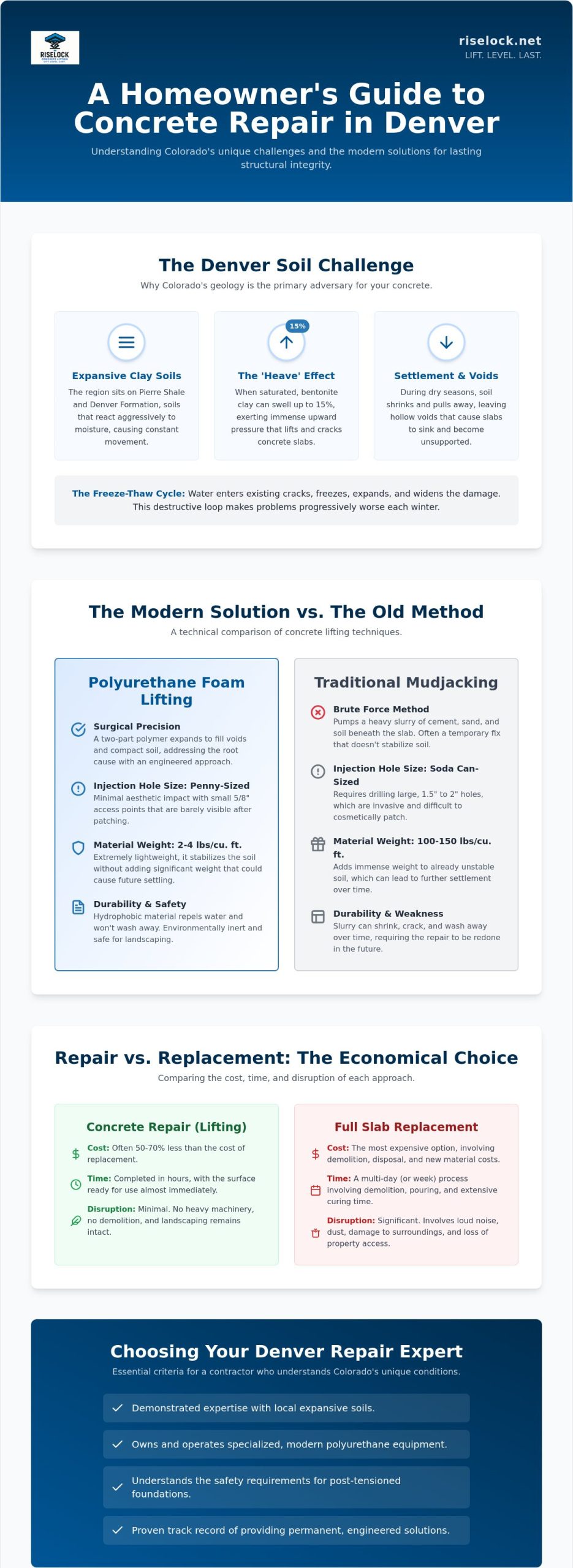
Denver’s geology is the primary adversary for any residential or commercial concrete structure. The region sits atop a complex layer of expansive clay soils, primarily the Pierre Shale and Denver Formation. These soils don’t remain static; they react aggressively to moisture, creating a cycle of movement that traditional construction methods often fail to accommodate. This geological volatility is the root cause behind most calls for concrete repair denver colorado. When the ground beneath a slab moves, the rigid concrete has no choice but to crack or shift.
Expansive Soils and the ‘Heave’ Effect
When Denver’s spring snowmelt saturates the ground, the bentonite clay particles within the soil absorb water at a molecular level. This leads to a physical expansion of up to 15%. This upward force, known as “heaving,” is powerful enough to lift and crack even high-quality reinforced slabs. Homeowners should watch for early warning signs like hairline fractures. If left unaddressed, these can evolve into structural “stair-step” cracks that indicate a deeper problem with the foundation’s support. The pressure is relentless, and it’s a primary reason why simple surface patches never last.
Settlement and Void Formation
Conversely, Colorado’s semi-arid summers cause the soil to lose moisture rapidly, leading to significant shrinkage. As the clay pulls back, it leaves behind hollow pockets or “voids” beneath your driveway, patio, or sidewalk. This process is often accelerated by “piping,” where water from heavy downpours or poor gutter drainage washes away the fine sub-base material. Consequently, lifting settled concrete steps and slabs becomes a necessary technical intervention to restore safety and prevent further structural degradation.
The Rockies’ intense freeze-thaw cycles exacerbate these issues. When water enters existing cracks and freezes, it expands, widening the gap. This “frost wedging” creates a destructive loop where each season makes the damage more severe. Many property owners attempt to solve these issues with surface-level patching or caulking. While these methods might hide a crack temporarily, they do nothing to address the unstable soil or the voids beneath. Without stabilizing the sub-base, the next seasonal shift will simply reopen the damage. Effective concrete repair denver colorado requires an engineered approach that stabilizes the underlying environment rather than just masking the symptoms of movement. For a deeper look at code-compliant restoration methods, our technical guide to structural concrete repair in Denver covers the latest 2024 International Building Code updates and soil stabilization standards.
Polyurethane Foam: The Modern Science of Concrete Lifting
High-density polyurethane represents a significant shift in how we approach concrete repair denver colorado. Unlike traditional methods that rely on heavy slurries, this process utilizes a specialized two-part polymer that expands upon injection. This chemical reaction transforms a liquid into a rigid, structural foam that fills voids and compacts loose soil simultaneously. It provides a stable foundation without adding the excessive weight that often causes secondary settlement. We view this as a surgical intervention for your property, addressing the root cause of movement with technical precision.
Because expansive soil is recognized by the Colorado Geological Survey as Colorado’s most significant geologic hazard, the materials used for stabilization must be resilient. Polyurethane is naturally hydrophobic. It doesn’t absorb water or wash away during the heavy spring rains common in the Front Range. This ensures that once the slab is lifted, the support beneath it remains permanent. Modern geotechnical foams are also environmentally inert, meaning they won’t leach chemicals into your landscaping or the local water table.
Precision Leveling vs. Traditional Mudjacking
The technical advantages of polyurethane concrete lifting are most evident when compared to mudjacking. Mudjacking requires drilling holes the size of a soda can, which can compromise the aesthetic and structural integrity of the slab. In contrast, polyurethane injections require only penny-sized access points. Mudjacking adds roughly 100 to 150 pounds per cubic foot to the soil. Polyurethane weighs only 2 to 4 pounds per cubic foot. This lightweight profile prevents the very “settling” issues that caused the initial damage, making it the more ethical choice for long-term stability.
The Injection Process: What to Expect
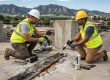
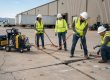
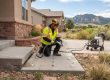
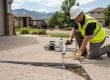
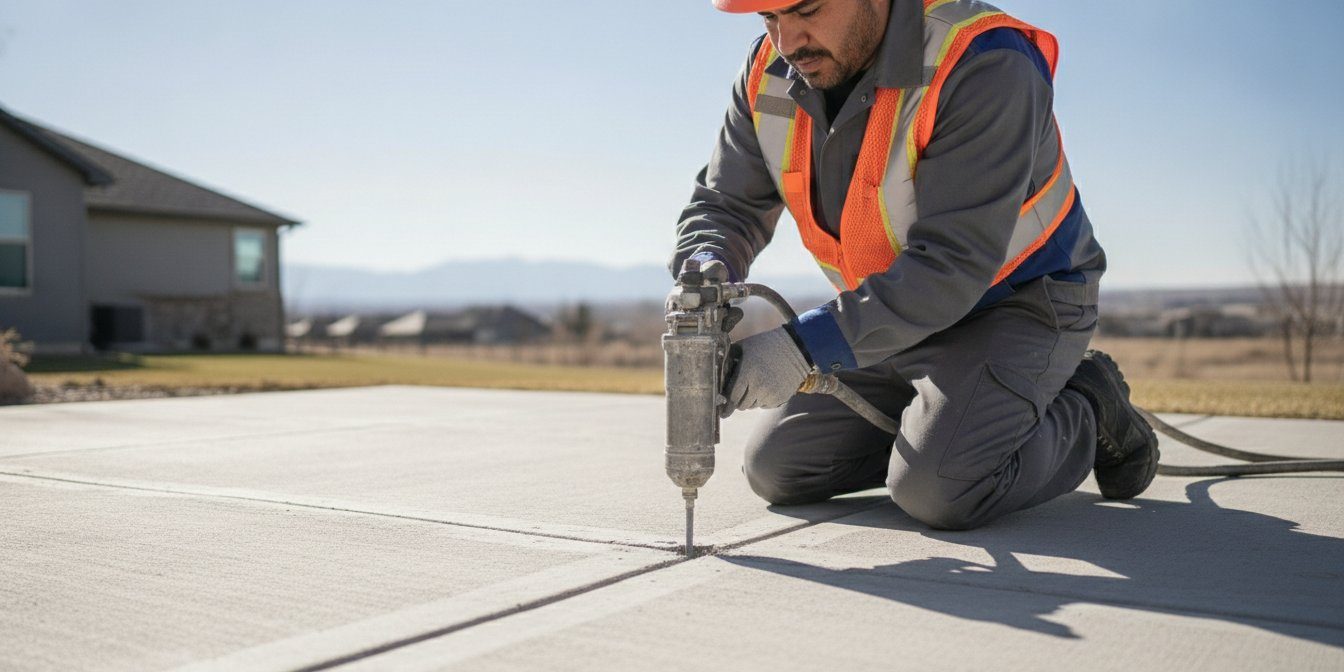
Our process is designed for efficiency and minimal disruption. We begin by strategically drilling small access points across the affected slab. As the foam is injected, it expands in seconds, allowing for real-time monitoring and sub-millimeter precision. This level of control ensures a perfectly flush surface, eliminating trip hazards and correcting drainage issues immediately. The foam travels through the path of least resistance, filling every hidden pocket before lifting the concrete.
Since the material cures in roughly 15 minutes, you can drive your vehicle onto a repaired driveway the same day. This speed doesn’t sacrifice quality; it reflects the advanced nature of the materials we use. If you are noticing uneven surfaces, exploring concrete lifting solutions can prevent a minor crack from becoming a major structural failure. We prioritize the longevity of your repair, ensuring the solution withstands the unique pressures of the Denver environment.
Repair vs. Replacement: Making the Economical Choice
Choosing between restoration and total replacement is a critical decision for any property owner. Many assume that a new slab is the only way to ensure longevity, but the reality is often the opposite. In the context of concrete repair denver colorado, restoration typically costs 50% to 70% less than a full tear-out and pour. This price gap doesn’t just come from labor; it includes the significant “hidden” costs associated with demolition. When you replace a driveway or patio, you’re paying for heavy machinery, debris disposal at a landfill, and the inevitable damage to your surrounding landscaping. We view repair as a more surgical, ethical approach that preserves your property’s existing assets.
Factors for Choosing Restoration
Deciding to pursue concrete slab repair without replacement depends largely on the surface’s current condition. If the concrete is structurally sound but has sunken due to soil voids, it’s an ideal candidate for lifting. We look for surface integrity; “spalling” or surface scaling might suggest the concrete mix itself is failing, whereas a clean break or a simple tilt indicates a sub-grade issue. Concrete that is around 10 years old is often at its peak strength, making it more resilient during the lifting process than brand-new, uncured material. There’s also a clear environmental benefit. By choosing repair, you prevent thousands of pounds of debris from entering Colorado’s waste stream.
The ‘New Concrete’ Trap
The most common mistake we see in the Front Range is the “new concrete trap.” Property owners often spend thousands on a fresh pour, only to see it crack within 2 to 3 years. This happens because the underlying soil remains unstable. If the expansive clay or voids that caused the first slab to fail aren’t addressed, the new, heavier concrete will simply sink faster. Following industry best practices for concrete lifting ensures that the focus remains on the soil, not just the surface.
A replacement only addresses the symptom. Stabilization addresses the cause. By injecting high-density foam, we compact the existing sub-base and create a stable platform. This engineered stabilization is the true “permanent” fix for shifting slabs. While there are instances where concrete is too far gone, such as when it has shattered into dozens of small pieces, most homeowners find that a technical restoration offers better value and superior long-term stability. It’s a methodical approach that respects both your budget and the structural requirements of the Denver environment.
Structural Integrity: Post-Tension Cables and Foundation Safety
Many modern residential foundations in the Denver metro area, particularly in newer Aurora developments, utilize post-tensioned slabs. This engineering method involves high-strength steel tendons that are stressed after the concrete has cured, providing the necessary reinforcement to withstand the soil movement discussed in previous sections. When you require concrete repair denver colorado, it’s essential to determine if your slab is post-tensioned before any work begins. These systems are under immense pressure; a single compromised cable can lead to a “blowout,” which poses a significant risk to the structural integrity of the home and the safety of anyone on-site.
A blowout occurs when a cable snaps or the anchoring system fails, causing the steel tendon to erupt through the concrete surface. This isn’t just a cosmetic issue. It represents a loss of the compressive force that keeps the slab from separating. Because of this, we strictly advise homeowners to never drill or cut into their garage or basement floors without professional verification. Our approach to post tension installation and repair focuses on maintaining this delicate balance of tension to ensure the foundation remains a cohesive unit.
Identifying Post-Tensioned Concrete
Identifying these systems is relatively straightforward for a trained eye. You should look for “PT” stamps in the concrete or plastic-capped anchor points along the visible edge of the foundation. These caps cover the ends of the tendons where they were originally stressed. If these caps are missing or if you notice rust streaks near the slab edge, it could indicate that the internal steel is corroding. RiseLock specializes in these high-tension systems, providing the specialized equipment and expertise needed to manage repairs that go beyond simple surface leveling.
Cable Repair and Slab Reinforcement
Structural concrete repair in the Front Range often requires a dual-phase strategy. While polyurethane foam addresses the voids beneath the slab, cable re-tensioning restores the internal “skeleton” of the foundation. If a cable has lost its tension, we must carefully excavate the anchor point, splice the tendon if necessary, and use a hydraulic jack to restore the specified force. This methodical intervention ensures your home’s foundation can once again resist the shifting pressures of Colorado’s clay soils. If you suspect your foundation cables are compromised, you should request a professional structural inspection immediately to prevent further damage.
Choosing a Concrete Repair Contractor in Denver
Selecting a partner for concrete repair denver colorado requires more than a simple comparison of quotes. Because our region’s expansive bentonite clay is so volatile, a contractor must possess a deep understanding of Front Range geology. A generalist might offer a surface-level fix, but a specialist understands how to stabilize the soil layers beneath. When vetting providers, ensure they utilize high-density geotechnical foam specifically engineered for load-bearing stabilization. This material is the modern standard, providing a more reliable outcome than the heavy, messy slurries used in traditional mudjacking. Technical mastery in this field is non-negotiable for achieving a permanent result. Homeowners seeking to understand the full scope of modern methods will find our guide to structural concrete repair in Denver an essential resource for evaluating contractor qualifications and code-compliant restoration approaches.
A professional contractor should also prioritize the cleanliness and efficiency of the repair process. Residential property owners shouldn’t have to choose between a level driveway and a ruined lawn. We recommend looking for a “no-mess” guarantee, which is only possible through the small-diameter injection ports used in polyurethane lifting. This approach ensures that the work is performed with surgical precision, leaving your landscaping and surrounding structures undisturbed. By focusing on advanced technology rather than outdated, invasive methods, you ensure that the intervention is both effective and respectful of your property’s aesthetic value. Before committing to any contractor, reviewing a comprehensive buyer’s guide to concrete lifting solutions in Colorado can help you ask the right questions and make a fully informed decision.
The RiseLock Difference
At RiseLock, we view every slab as a structural priority. Our commitment to technical mastery means we don’t just “fill holes”; we perform precise injections that restore equilibrium to your property. We serve the entire Front Range corridor, providing professional reliability for homeowners from Arvada to Castle Rock and down to Colorado Springs. By choosing modern sunken concrete repair in Denver, you’re investing in a solution that preserves your property and returns it to service in minutes. We take professional pride in maintaining the highest standards of precision on every job site, positioning ourselves as a dependable partner in your home’s long-term security.
Next Steps for Your Property
To prepare for a professional assessment, we recommend documenting any visible damage. Look for changes in crack width over time or areas where water pools toward your home’s foundation. During a site assessment, an authoritative expert should be able to discuss soil density and the approximate size of the voids beneath your slab. Don’t hesitate to ask about the specific compressive strength of the polyurethane being used. If you’re ready to secure your property’s future, Contact RiseLock for a professional assessment today. Our methodical approach ensures you understand the “why” behind the “how,” leading you away from the stress of structural damage toward long-term peace of mind.
Securing Your Property’s Structural Future
Addressing concrete failure in the Front Range requires more than just filling cracks; it demands an engineered approach to soil stabilization. By utilizing high-density polyurethane foam and specialized post-tension cable repair, you can resolve underlying structural issues without the disruption of a full replacement. This methodical process ensures your surfaces remain level and safe against the seasonal shifts of Colorado’s expansive clay. Effective concrete repair denver colorado is an investment in the long-term stability of your home, prioritizing technical precision over temporary patches.
RiseLock brings technical mastery to every project, offering cleaner, faster polyurethane foam technology and specialized expertise in complex post-tensioned systems. We serve property owners across the entire Front Range with professional reliability and a commitment to precision. Our goal is to lead you away from the stress of structural damage toward the peace of mind offered by specialized intervention. Get Your Free Structural Assessment from RiseLock Concrete Lifting. Don’t let settling slabs compromise your property’s value. Take the first step toward a permanent, non-invasive restoration today.
Frequently Asked Questions
How much does concrete repair cost in Denver vs. full replacement?
Concrete restoration typically costs significantly less than a full tear-out and pour. By choosing concrete repair denver colorado, you avoid the expenses associated with heavy equipment rental, debris disposal, and the labor required for demolition. Most property owners find that repairing their existing slabs provides a 50% to 70% savings compared to the price of new concrete. It’s an economical way to restore property value without the hidden costs of landscaping damage.
Can polyurethane foam lifting fix my sinking driveway in one day?
Yes, most residential lifting projects are completed and ready for use within a single day. High-density polyurethane cures rapidly, often reaching full structural capacity in about 15 minutes. This allows you to drive your vehicle onto the surface shortly after our team finishes the injection process. It’s a highly efficient alternative to the multi-day downtime required for pouring and curing new concrete, which often takes several days to reach drive-on strength.
Is concrete lifting safe for my post-tension foundation?
It’s safe and often necessary for structural stability, provided the contractor has specialized knowledge of post-tensioned systems. We prioritize identifying the location of high-strength steel tendons before any drilling occurs to prevent damage. By restoring the sub-grade support with foam, we actually relieve the stress on the cables. This prevents the types of movement that lead to dangerous cable blowouts and maintains the home’s “skeleton.”
How long do polyurethane concrete repairs actually last in Colorado’s climate?
Polyurethane repairs are designed to be a permanent solution. Unlike organic materials or traditional slurries, high-density foam doesn’t shrink, crack, or degrade over time. It remains stable through the Front Range’s intense freeze-thaw cycles. Because it stabilizes the soil beneath the slab, it prevents the recurring settlement issues that typically plague surface-level patches. It’s a technical intervention that addresses the root cause of the movement.
Will the foam wash away during a heavy Denver snowmelt or rainstorm?
No, the geotechnical foam used in our process is hydrophobic. This means it repels water and won’t wash away, even when subjected to the heavy runoff from spring snowmelt or localized flooding. Once the liquid polymer expands into a solid, it forms a water-resistant barrier. This barrier helps manage drainage and prevents the “piping” effect that traditionally removes soil from under your foundation during heavy Colorado storms.
What is the difference between mudjacking and foam lifting?
The primary differences lie in weight and precision. Mudjacking adds thousands of pounds of heavy slurry to already failing soil, which can cause further sinking. Foam lifting uses a material that weighs only a few pounds per cubic foot. Additionally, foam requires injection holes the size of a penny, whereas mudjacking requires holes the size of a soda can. This makes foam a cleaner, more durable choice for concrete repair denver colorado.
Do I need a permit for concrete repair in cities like Aurora or Lakewood?
Permit requirements depend on the scope of the work and the specific municipality. In Denver, structural repairs like underpinning or wall stabilization require a building permit under the 2024 International Building Code. Minor, non-structural lifting or crack sealing often doesn’t require one. We recommend checking with the building departments in Aurora or Lakewood to verify if your specific project needs an engineered plan or a permit before starting work.
Can you fix concrete cracks during the winter in Colorado?
Yes, we can perform polyurethane injections during the winter months. The chemical reaction that creates the foam generates its own heat, allowing it to expand and cure even when ground temperatures are low. While surface caulking and aesthetic crack sealing often require temperatures above 40 degrees for proper adhesion, the structural lifting process remains viable throughout most of the year. We monitor soil conditions to ensure the ground isn’t too frozen for the foam to travel effectively.