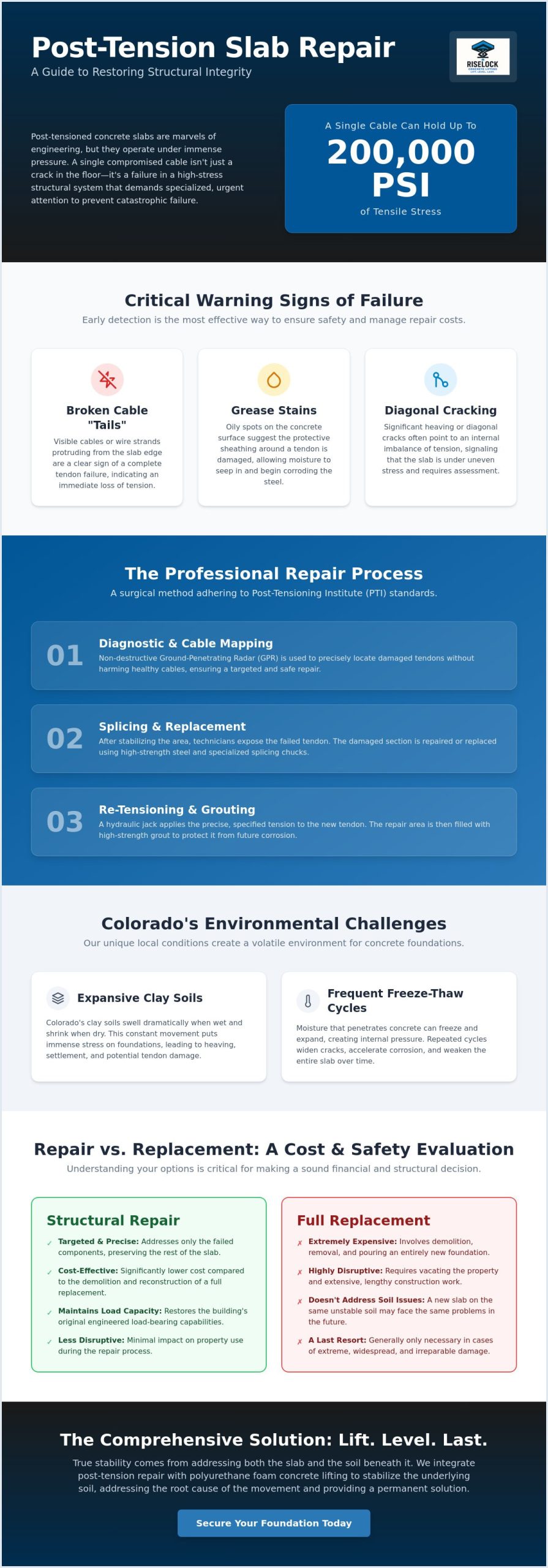
A single post-tension cable can hold up to 200,000 psi of tensile stress; this means a compromised slab is more than just a cosmetic flaw. It’s a structural system under immense pressure. When you discover signs of distress in your foundation, the fear of a sudden, catastrophic failure is a heavy burden to carry. It’s understandable to feel uncertain about whether your property needs a full replacement or if a targeted post tension slab repair can restore its integrity. This is particularly true in Colorado, where our expansive clay soils and frequent freeze-thaw cycles create a volatile environment for even the most robust concrete designs.
You deserve a solution that prioritizes precision over guesswork. This guide provides the technical clarity you need to identify failing tendons, assess structural risks, and understand the professional methods used to ensure long-term safety. We’ll walk through the essential steps of restoration, including the latest 2025 PTI standards and modern stabilization techniques that address the root cause of the shift. By the end of this article, you’ll have a clear roadmap for moving from the stress of structural damage to the peace of mind that comes with a permanent, high-precision intervention.
Key Takeaways
- Understand why post-tensioned systems require specialized intervention compared to traditional rebar due to the active tensile forces within the slab.
- Discover the high-precision steps of professional post tension slab repair, from non-destructive GPR scanning to the safe re-tensioning of tendons.
- Identify how Colorado’s expansive clay soils and environmental moisture contribute to cable failure and what can be done to mitigate these risks.
- Evaluate the long-term cost benefits of structural restoration over full slab replacement while maintaining the building’s original load-bearing capacity.
- Learn how integrating foam concrete lifting with structural repair addresses the root cause of movement by stabilizing the underlying soil.
What is Post Tension Slab Repair and Why is it Critical?
A post-tensioned slab is a sophisticated engineering solution. It provides superior strength with less material than traditional foundations. Unlike standard concrete that relies on passive rebar, these slabs contain high-strength steel tendons stressed to high tension levels, often reaching 200,000 psi, after the concrete has cured. This creates an active reinforcement system. This stored energy allows the slab to support heavier loads and span longer distances without cracking. Understanding What is a Post-Tension Slab is the first step in recognizing why specialized intervention is necessary when the system begins to fail.
When a tendon fails, it doesn’t just sit there. It’s like a snapped rubber band under thousands of pounds of pressure. This is why post tension slab repair is never a cosmetic upgrade; it’s a critical safety requirement. The Post-Tensioning Institute (PTI) establishes the rigorous standards for these repairs. These standards ensure that any restoration work maintains the original design intent and structural safety of the building. We adhere to these standards because they represent the industry’s highest commitment to structural integrity and professional mastery.
Signs Your Post-Tension Slab Needs Immediate Attention
Early detection is the most effective way to manage repair costs and ensure safety. You should look for visible broken cables or “tails” protruding from the slab edge. These indicate a total tendon failure. Grease stains on the concrete surface are another warning sign. They suggest the protective sheath around the tendon is damaged, allowing moisture to enter. Additionally, diagonal cracking or significant heaving in a garage or foundation floor often points to internal tension imbalances that require professional assessment. If you see any of these indicators, the slab is already communicating its distress. Our detailed broken post tension cable repair case study illustrates exactly how these failure points are identified and resolved by certified professionals.
The Dangers of Delayed PT Slab Repair
Postponing a necessary post tension slab repair leads to a compounding series of structural failures. As moisture infiltrates the damaged tendons, it triggers accelerated corrosion that weakens the steel. This results in a gradual loss of structural load-bearing capacity. Eventually, this threatens the stability of the entire foundation. The most immediate risk is a sudden cable snap. When a stressed tendon fails, the released energy can be violent enough to cause significant property damage or injure occupants. This makes timely intervention an ethical and practical priority for any property owner.
How to Repair a Post-Tension Slab: The Professional Process
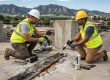
Successful post tension slab repair is a surgical process that demands technical precision and a deep understanding of structural dynamics. Unlike traditional concrete work, repairing a stressed system requires a methodical approach to ensure the safety of both the structure and the technicians performing the work. The restoration begins with a comprehensive diagnostic phase, followed by the physical replacement of compromised components and the careful restoration of the slab’s active forces.
Step 1: Diagnostic Testing and Cable Mapping
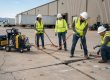
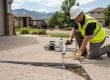
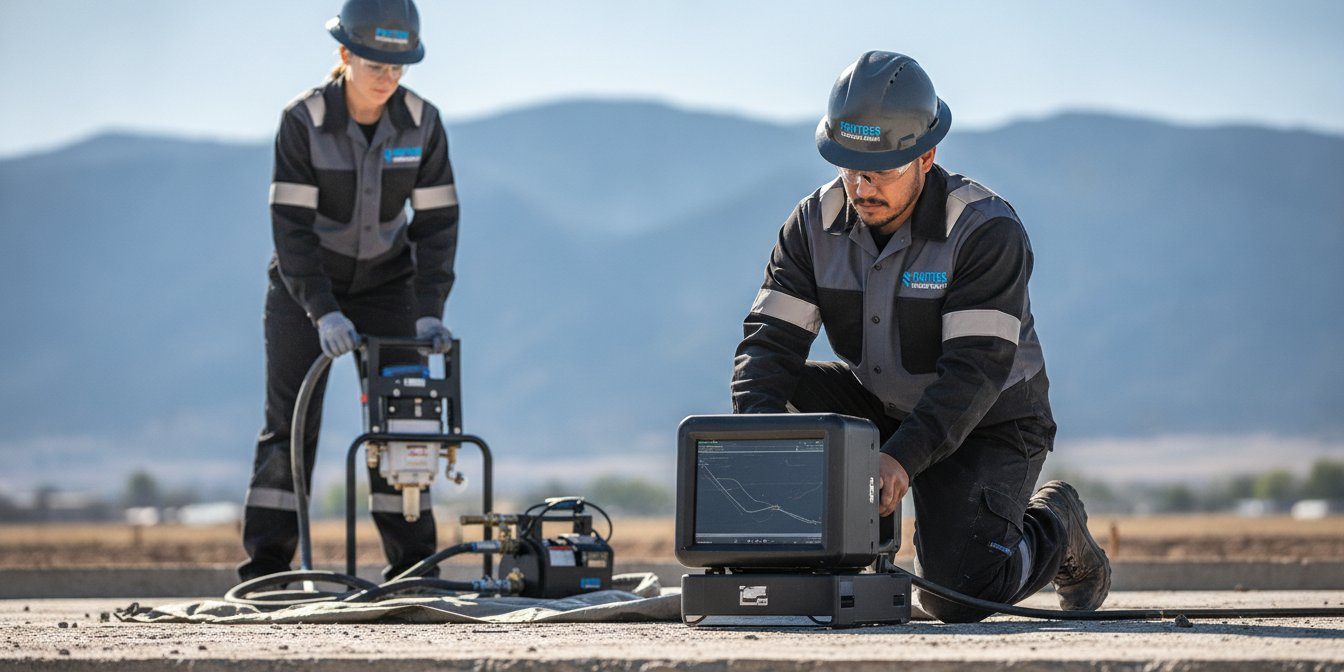
Before any concrete is broken, ground-penetrating radar (GPR) is essential for mapping the existing tendon layout. This non-destructive testing allows us to visualize the internal matrix, ensuring we avoid cutting healthy cables while locating the exact “break point” of the damaged tendon. During this phase, we also inspect the surrounding concrete for “honeycombing” or air pockets. These voids can compromise the anchor’s grip and must be addressed to ensure the new repair has a solid foundation. Adhering strictly to Post-Tensioning Institute guidelines during this assessment phase ensures that the repair strategy is grounded in proven engineering principles.
After identifying the damage, the slab must be secured to prevent any unintended movement or shifting during the repair. This stabilization often involves temporary shoring or bracing. Once the structure is stable, technicians carefully expose the damaged tendon and anchor. Using specialized splicing chucks and high-strength steel, the damaged section is either repaired or completely replaced. This stage requires specialized equipment to ensure the new connection can withstand the immense tensile loads it will soon carry.
Step 2: Tensioning and Grouting Procedures
Once the damaged cable is spliced or replaced, we use calibrated hydraulic jacks to restore the precise amount of force required by the original engineering specifications. This re-tensioning process is what restores the slab’s load-bearing capacity. After the tendon is secured, the anchor pockets are filled with high-strength, non-shrink grout. This “pocket finishing” is a vital step in preventing future corrosion from moisture or de-icing salts, particularly in the harsh climates of Denver and Aurora. Our commitment to post tension installation standards means every repair is executed with the same rigor as a new build.
Common Causes of Post-Tension Failure in Colorado
Structural integrity in Colorado faces a unique set of environmental challenges that aren’t present in more stable climates. While post-tensioned systems are designed for extreme durability, they aren’t immune to the relentless forces of nature or the consequences of human error. Identifying the specific root cause of distress is the first step in a successful post tension slab repair strategy. This diagnostic precision ensures we don’t just fix the visible symptom but address the underlying catalyst for the failure to prevent recurrence.
The Role of Expansive Soils in Slab Distress
Denver and the surrounding Front Range are notorious for expansive clay soils. These soils swell significantly when moisture levels rise and shrink as they dry, leading to what engineers call differential settlement. When the center of a slab heaves while the edges remain static, it creates localized stress points that the tendons weren’t originally designed to counteract. The resulting tension imbalances can lead to slab cracking or anchor failure. In these cases, we often combine tendon restoration with polyurethane concrete lifting to stabilize the underlying soil and provide a level, secure foundation for the repaired slab. Properties throughout the Pikes Peak region face particularly aggressive bentonite clay conditions, which is why working with a qualified post tension contractor Colorado Springs specialists trust is essential for long-term structural stability.
Corrosion: The Silent Killer of PT Tendons
Corrosion remains a leading cause of tendon failure, particularly in parking structures or slabs exposed to the elements. If the protective plastic sheathing around a tendon is breached, oxygen and moisture can reach the high-strength steel. In Colorado, the frequent use of de-icing salts significantly accelerates this process. As the steel oxidizes, it expands, exerting internal pressure that can cause the concrete to spall or crack from the inside out. To mitigate this risk, we often recommend preventative coatings and high-performance sealers, and for a technical perspective on addressing structural corrosion, you can visit Composites Construction UK.
Beyond environmental factors, human intervention often plays a role in structural compromise. Accidental damage frequently occurs during building renovations when contractors drill or core into a slab without first performing a GPR scan. Striking a live cable can cause an immediate and dangerous release of energy, necessitating emergency intervention. Additionally, poor initial installation, such as improper cable “draping” during the original construction, can lead to uneven tension distribution. These installation errors might remain hidden for years until the slab is subjected to unusual loading or environmental stress, eventually requiring a professional post tension slab repair to restore the building’s safety and longevity.
Cost vs. Safety: Evaluating Your Repair Options
Choosing between a targeted post tension slab repair and a full foundation replacement is a decision that impacts both your capital expenditure and your property’s long-term safety. In almost every scenario, restoration is the more fiscally responsible choice. A full replacement requires significant demolition, waste removal, and the re-pouring of thousands of pounds of concrete. By contrast, specialized repair focuses on the specific tendons and anchors that have reached their limit. This approach preserves the existing structural mass while restoring its active reinforcement.
Several technical variables dictate the scope of the project. The number of compromised cables is the primary driver, followed by the depth of the break within the concrete matrix. Accessibility also plays a role; a cable break in an open parking deck is more straightforward than one located beneath a finished interior floor. However, the most significant hidden cost often lies in the soil. In the Front Range, our expansive clay is frequently the catalyst for tendon failure. If a contractor offers a fix that only addresses the steel without considering soil stabilization, they’re merely delaying the next failure. True restoration requires a holistic view of the structure’s environment. To see how this process unfolds in practice, review our broken post tension cable repair case study, which walks through a real residential foundation restoration from diagnosis to completion.
Repair vs. Replacement: A Strategic Comparison
The timeline for a professional repair is typically measured in days, whereas a full replacement can disrupt operations for weeks. This speed isn’t just a convenience; it’s a way to minimize the environmental footprint of the project. By extending the life of the current slab, we reduce the demand for new materials and keep debris out of local landfills. While rare, a slab can be deemed “beyond repair” if the concrete matrix itself has lost its structural integrity due to massive chemical degradation or widespread structural collapse. In most cases, precision intervention is enough to return a slab to its original engineering specifications.
Choosing a Qualified PT Repair Contractor
Because of the high-energy nature of stressed tendons, PTI (Post-Tensioning Institute) Certification is a non-negotiable requirement. As of February 2025, the PTI has updated its standards for shallow foundations on expansive soils, making it critical to work with a team that stays current with these technical regulations. You should prioritize contractors with deep roots in Colorado Springs and the Denver metro. These teams understand how our local climate affects concrete curing and soil behavior. For El Paso County property owners specifically, engaging an experienced post tension contractor Colorado Springs residents rely on ensures compliance with the latest 2026 building code requirements and local soil expertise. Ask about their equipment calibration logs and safety protocols before signing any contract. Precision is the only way to guarantee safety. If you’re ready to secure your property’s future, request a professional assessment from our structural experts.
Comprehensive Stabilization: The RiseLock Concrete Lifting Approach
At RiseLock Concrete Lifting, we view structural restoration as a holistic endeavor. A successful post tension slab repair cannot exist in a vacuum; it must account for the geological and structural environment that led to the failure in the first place. By integrating our deep expertise in post tension installation with advanced lifting technologies, we provide a unified solution that addresses both the internal reinforcement and the external foundation stability. This dual-focus approach ensures that the repair is not just a temporary patch but a permanent restoration of the building’s integrity.
Stabilizing the Foundation Before the Fix
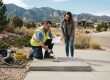
Fixing a snapped tendon in a slab that is still actively settling is a temporary measure at best. If the underlying soil continues to shift, the new repair will eventually be subjected to the same stresses that caused the original break. To prevent this cycle, we utilize high-density polyurethane for foam concrete lifting. This process injects a lightweight, structural foam beneath the slab, filling voids and compacting the soil to create a stable, non-reactive base. Establishing this solid foundation first ensures that the subsequent cable re-tensioning occurs on a level plane, which is essential for the uniform distribution of tensile forces.
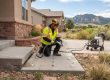
Precision leveling is the final piece of the structural puzzle. When a slab is out of level, the internal tendons are pulled in directions they weren’t designed to accommodate. Our technical mastery allows us to lift the slab with millimeter accuracy, removing these parasitic stresses before the final re-tensioning phase. For properties in Colorado, where soil moisture varies wildly between seasons, we also emphasize the importance of long-term monitoring. Regular inspections of anchor pockets and surface integrity can identify minor issues before they escalate into significant structural risks. This proactive stance is the hallmark of a professional partner.
Commitment to Precision and Safety
Our approach is built on a foundation of professional pride and a commitment to the highest industry standards. We understand that structural issues are deeply personal for property owners, which is why RiseLock Concrete Lifting acts as a dedicated partner throughout the entire restoration process. From residential driveways in Boulder to large-scale commercial foundations in Castle Rock, our team delivers the same level of quiet authority and technical precision to every project. We invite you to contact us for a professional assessment of your foundation. Let us lead you away from the stress of structural damage toward the peace of mind offered by a specialized, high-precision post tension slab repair.
Securing Your Property’s Structural Future
Restoring a post-tensioned system requires more than just concrete patching; it demands a sophisticated understanding of tensile forces and soil dynamics. By addressing the root cause of failure and integrating modern stabilization methods, you ensure a repair that lasts. Professional intervention protects your investment and ensures the safety of everyone inside the building. It’s a strategic move that favors precision over the high costs of total replacement.
The team at RiseLock Concrete Lifting focuses on delivering high-precision post tension slab repair that meets the highest industry standards. We don’t just fix the surface; we stabilize the foundation to prevent future distress. This commitment to technical mastery and ethical service provides the long-term security your property deserves. You don’t have to navigate structural failure alone.
If you’ve noticed signs of slab distress, don’t wait for the damage to escalate. Take the first step toward a permanent solution by choosing a partner who views your structural safety as a personal priority. Request a Structural Assessment from RiseLock Concrete Lifting today. We’re here to guide you through the restoration process with precision and care.
Frequently Asked Questions
Can you drill into a post-tension slab?
No, you should never drill or core into a post-tension slab without first performing a ground-penetrating radar (GPR) scan to map the tendon locations. Striking a live cable releases thousands of pounds of pressure instantly, which can cause severe injury or significant structural damage. Professional mapping ensures your renovation proceeds safely without compromising the building’s active reinforcement system.
How much does it cost to repair a broken post-tension cable?
The cost of a post tension slab repair depends on several technical factors, including the number of damaged tendons, the depth of the break, and the accessibility of the anchors. While localized repairs are significantly more cost-effective than full slab replacement, projects often involve mobilization minimums and specialized hydraulic equipment. A professional assessment is required to provide an accurate scope based on your specific structural needs.
How do I know if my foundation is post-tensioned?
You can typically identify a post-tensioned slab by looking for a “Post-Tension” or “Do Not Cut” stamp impressed into the concrete, often found in a garage or near the building entry. You may also see small, circular grout patches along the exterior edge of the slab where the anchor pockets were finished. If these physical signs aren’t visible, reviewing the original structural blueprints is the most reliable method of identification.
Is a broken post-tension cable a structural emergency?
A broken cable is a serious structural concern that requires immediate professional evaluation to prevent further deterioration. Much like the specialized emergency response provided by Leicestershire Locksmiths Limited for security issues, structural emergencies require rapid intervention to protect the property. While one broken tendon may not cause an instant collapse, it significantly weakens the slab’s load-bearing capacity and places undue stress on the remaining cables. If the cable snaps violently, the sudden release of energy also poses an immediate safety risk to occupants and property.
What happens if a post-tension cable snaps?
When a post-tension cable snaps, the stored energy is released with explosive force, often causing the cable to “blow out” through the concrete surface or the slab edge. This event can crack the foundation, damage interior flooring, or even penetrate walls. Beyond the immediate physical damage, the slab loses its active reinforcement, which can lead to progressive sagging or structural failure over time.
Can a post-tension slab be leveled with foam?
Yes, high-density polyurethane foam is an ideal solution for leveling and stabilizing the soil beneath a post-tensioned slab. This method provides a stable base without adding significant weight to the expansive clay soils common in Colorado. It’s frequently used in conjunction with tendon repairs to ensure the slab remains level and secure while addressing the root cause of the movement.
How long does a post-tension slab repair last?
A professional repair executed to PTI standards is designed to be a permanent solution that lasts for the remaining life of the structure. The longevity of the fix depends on addressing the environmental factors, such as moisture intrusion or soil movement, that caused the initial failure. When combined with proper maintenance and soil stabilization, the restored integrity of the slab is highly durable.
Do I need an engineer for PT slab repair?
Yes, most jurisdictions and industry standards require a licensed professional engineer to assess the damage and design the specific repair plan. An engineer ensures that the re-tensioning specifications match the original structural design requirements of the building. This oversight is vital for maintaining the structural warranty and ensuring the long-term safety of the completed post tension slab repair.