The heavy slurry traditionally used to lift concrete might actually be the weight that forces your slab to fail a second time. It’s a common frustration for homeowners who watch their outdoor living spaces transform into a series of dangerous trip hazards. You’ve likely noticed widening gaps and uneven slabs; you’re rightly concerned about the long-term safety of your family and the structural integrity of your property. When you need to repair cracked and sunken patio Thornton surfaces, the choice between traditional methods and modern innovation is critical for a lasting result.
This article demonstrates how high-density polyurethane lifting restores the beauty of your patio by addressing the underlying soil instability that causes settlement. You’ll discover why this lightweight, precision-engineered foam is the superior alternative to messy, heavy mudjacking. We’ll examine the technical process of foam stabilization, its durability against Colorado’s intense freeze-thaw cycles, and how this modern intervention provides a cost-effective path to a level surface without the disruption of a full concrete replacement. By understanding the science of soil stabilization, you can move from the stress of structural damage toward the peace of mind offered by specialized, high-precision repair.
Key Takeaways
- Understand how Thornton’s expansive clay soils and local freeze-thaw cycles create the specific geological pressures that lead to patio settlement and cracking.
- Learn why you should repair cracked and sunken patio Thornton surfaces using high-density polyurethane foam, a lightweight solution that stabilizes soil without the destructive weight of traditional mudjacking.
- Discover the efficiency of modern restoration techniques that allow you to resume using your outdoor living space in as little as 15 minutes after the injection process is complete.
- Identify the economic and aesthetic benefits of concrete leveling, which offers a cost-effective alternative to full replacement while protecting your property’s landscaping from heavy machinery.
- Recognize the structural warning signs, such as step-down trip hazards and wide displacement cracks, that indicate a need for professional stabilization before damage worsens.
Understanding Why Thornton Patios Sink and Crack
Concrete slabs don’t fail in a vacuum. In Thornton, the ground itself is often the primary antagonist. Homeowners looking to repair cracked and sunken patio Thornton slabs must first understand that the soil beneath the surface is dynamic. It reacts to moisture and temperature in ways that standard construction often fails to account for over time. When your patio begins to tilt or split, it’s rarely a sign of poor concrete quality; rather, it’s a symptom of a shifting foundation.
The Role of Expansive Soil in Adams County
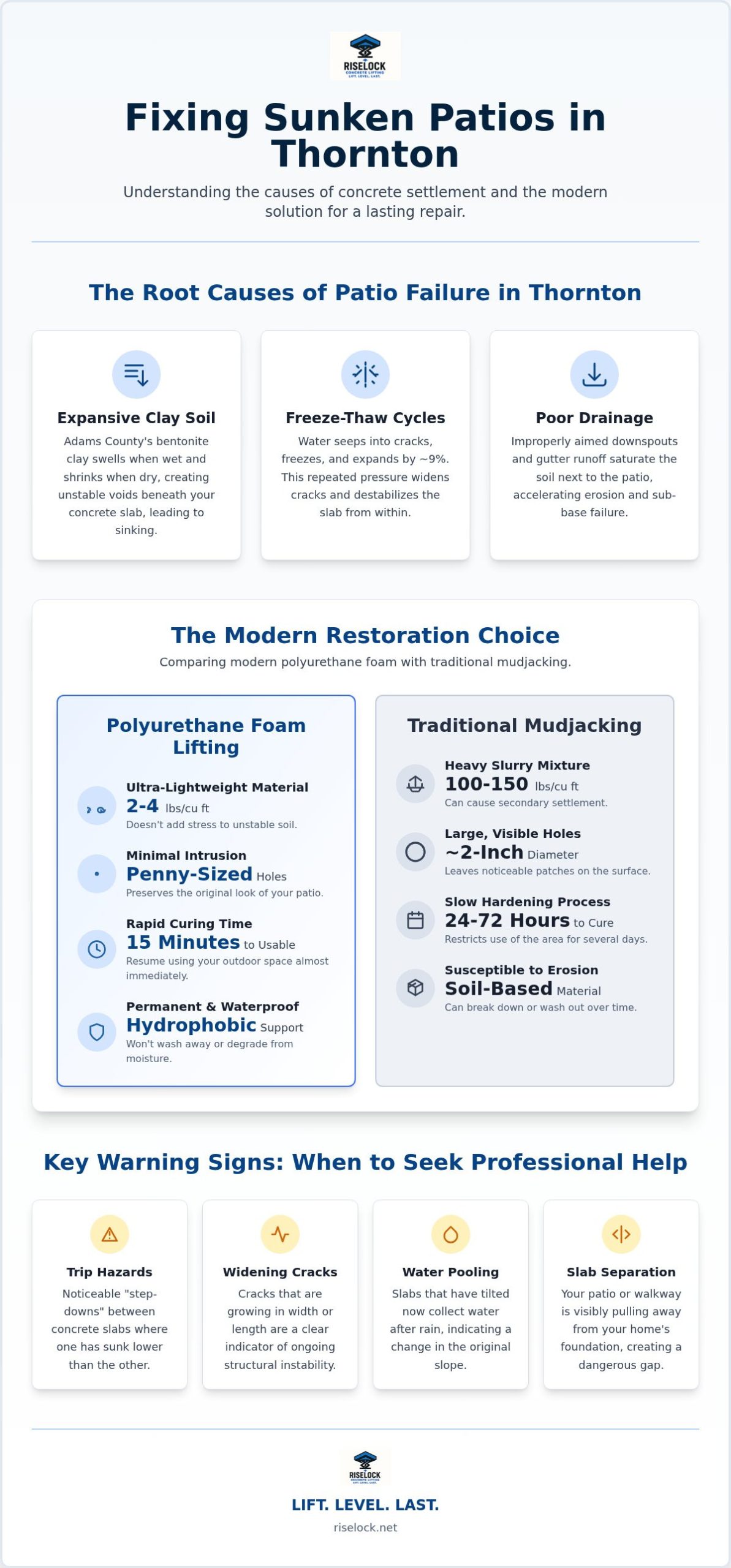
Adams County is known for its high concentrations of bentonite clay. This specific mineral is highly expansive, meaning it swells significantly when it absorbs water and shrinks as it dries out. This constant “heaving” movement creates a cycle of instability. As the soil shrinks during dry Colorado summers, it leaves behind empty pockets or “voids.” Without the support of the earth, the heavy concrete slab eventually succumbs to gravity and sinks into these gaps. Soil compaction is the foundation of concrete health.
Freeze-Thaw Cycles and Your Concrete
The Front Range experiences dramatic temperature swings that accelerate the physical causes of concrete degradation. When snow melts during a sunny afternoon, water seeps into hairline fractures and beneath the slab. As temperatures plummet at night, that trapped water freezes and expands by approximately 9%. This internal pressure forces cracks to widen and deepens the structural separation.
Sealing these entry points before the first Thornton frost is a critical maintenance step, yet surface-level patches often fail. If the underlying soil remains unstable, the next freeze cycle will simply move the slab again, breaking the new seal. This is why a permanent repair cracked and sunken patio Thornton strategy requires stabilizing the base, not just masking the surface damage. Without addressing the root cause, you are merely treating the symptoms of a deeper geological issue.
Poorly positioned downspouts and gutter runoff often exacerbate these issues by saturating the soil directly next to the patio. This concentrated moisture accelerates the erosion of the sub-base and triggers the expansion of clay minerals. It’s a mistake to view “settling” as a one-time event that happens shortly after a house is built. In reality, it’s an ongoing process driven by environmental factors. Without professional intervention, a sinking patio will continue to move as long as the soil remains susceptible to moisture and temperature fluctuations.
Polyurethane Foam vs. Mudjacking: The Modern Restoration Choice
When homeowners choose to repair cracked and sunken patio Thornton surfaces, the decision often comes down to two competing technologies: traditional mudjacking and modern polyurethane injection. While mudjacking has served the industry for decades, it relies on a heavy slurry of sand, cement, and soil. This material adds significant weight to already compromised soil, often weighing between 100 and 150 pounds per cubic foot. In contrast, high-density polyurethane foam weighs only 2 to 4 pounds per cubic foot. This allows for structural lifting without overburdening the sub-grade, reducing the risk of secondary settlement.
The practical differences extend to the aesthetics and timeline of the project. Mudjacking requires drilling large holes, often nearly two inches in diameter, which remain visible even after being patched with concrete. Polyurethane systems use access ports no larger than a penny, preserving the visual integrity of your patio. The cure time for foam is exceptionally fast; you can resume using your outdoor space just 15 minutes after the injection. Mudjacking typically requires 24 to 72 hours of restricted use while the wet slurry hardens and stabilizes.
Why High-Density Foam is Superior for Patios
The technical advantage of foam lies in its expansive chemical reaction. As the liquid components mix beneath the slab, they expand to fill every microscopic void and crevice. This creates a uniform support structure that is entirely hydrophobic. It won’t wash away during heavy Thornton rainstorms or spring snowmelt. This material effectively acts as a moisture barrier, protecting the stabilized soil from future erosion. The precision of the lift is equally impressive, allowing technicians to achieve millimeter-level accuracy for perfect drainage away from your home.
The Problem with Traditional Mudjacking
Traditional mudjacking is increasingly viewed as an obsolete approach for residential restoration. Because the slurry is water-based, it is susceptible to the same “washout” that caused the original settlement. Adding hundreds of pounds of wet soil beneath a sinking slab is often counterintuitive. It frequently triggers further compression of the underlying clay, leading to more sinking within a few seasons. For those seeking a permanent, modern solution, polyurethane concrete lifting has become the professional standard. It’s a cleaner, more durable method that respects the delicate balance of Colorado’s soil. If you’re tired of navigating trip hazards, scheduling a professional assessment is the first step toward a level and safe outdoor living area.
The Cost-Benefit Analysis: Repairing vs. Replacing Your Patio
Homeowners often assume that a severely fractured slab is beyond salvation and requires a full tear-out. However, choosing to repair cracked and sunken patio Thornton surfaces is usually the more fiscally responsible and structurally sound decision. Industry data consistently shows that professional restoration typically costs 50% to 70% less than the total expense of a complete replacement. This significant price gap exists because restoration bypasses the intensive labor of demolition, the high cost of new raw materials, and the logistics of heavy equipment transport.
The logistical advantages extend to the preservation of your property. A full replacement requires heavy machinery, such as skid steers and dump trucks, which can easily damage your lawn and compact the soil in your garden beds. In contrast, polyurethane lifting uses a small, self-contained system that leaves your landscaping untouched. The timeline is equally efficient. While a new concrete pour requires days of construction and a week of curing, a professional repair is completed in a single afternoon. This immediate return to service preserves your curb appeal and restores your outdoor living space without the stress of a prolonged construction zone.
Hidden Costs of Concrete Replacement
Replacing a patio involves several financial burdens that aren’t always apparent in an initial estimate. You must account for Thornton municipal permit fees and the specialized disposal costs associated with hauling away tons of old concrete. There is also a significant aesthetic risk to consider. New concrete rarely matches the weathered patina of your existing walkways or driveway; this creates a mismatched appearance that can actually detract from your home’s resale value. Furthermore, the vibration and weight of demolition equipment often lead to broken sprinkler lines and damaged sod, adding unexpected repair bills to your project total.
Long-Term ROI of Professional Leveling
Beyond the immediate savings, precision leveling provides essential liability protection. An uneven patio is a documented trip hazard for guests and family members. Addressing these variances now protects you from potential legal complications and insurance claims. More importantly, stabilizing a sinking slab prevents cracks from migrating toward your home’s foundation. Early intervention stops a minor patio issue from becoming a major structural failure. For those evaluating their long-term options, these concrete leveling solutions offer deep insights into preserving structural integrity while maximizing your home’s value. It’s a proactive approach that ensures safety and longevity for your outdoor investment.
Identifying Structural Warning Signs in Your Outdoor Concrete
Early detection of concrete failure is the most effective way to minimize restoration costs. While some hairline fractures are purely cosmetic, others indicate a significant loss of sub-grade support. Homeowners looking to repair cracked and sunken patio Thornton surfaces should regularly inspect the transition points where the concrete meets the home’s threshold. A visible “step-down” or a widening gap at the sliding door or back entrance is a primary indicator that the slab is no longer level. These variances create immediate trip hazards and suggest that the soil beneath has shifted or compacted unevenly.
Structural distress often manifests as cracks wider than a quarter-inch. More concerning than the width, however, is vertical displacement, where one side of the crack sits higher than the other. You should also pay attention to the sound of your patio. Walking across the surface or tapping it with a tool might reveal a hollow, echoing tone. This auditory cue confirms the presence of a “void,” an empty pocket where the soil has washed away, leaving the concrete slab suspended without a foundation. If you notice water pooling toward your home after a rainstorm, the “pitch” of your patio has failed, posing a direct threat to your foundation’s integrity.
Post-Tension Cable Awareness for Thornton Homeowners
Many residential properties in Thornton utilize post-tension slabs to combat the region’s expansive soils. These slabs contain high-strength steel cables stretched to thousands of pounds of pressure. If an inexperienced contractor attempts a repair without specialized knowledge, they risk a “blowout,” a dangerous event where a severed cable bursts through the concrete. Because RiseLock Concrete Lifting possesses deep expertise in post tension installation, we understand how to navigate these reinforced systems safely. We use precision mapping and non-destructive techniques to ensure your structural reinforcement remains intact during the lifting process.
Drainage Issues and Foundation Safety
A sunken patio is rarely an isolated problem; it often acts as a funnel for basement seepage. When a slab tilts toward the house, it directs thousands of gallons of snowmelt and rainwater toward the foundation walls. This saturated soil exerts hydrostatic pressure that can lead to basement leaks and internal wall cracks. Checking the pitch of your patio is a simple but vital task. If the concrete doesn’t slope away at a rate of at least one inch for every ten feet, the sub-soil has likely already eroded. To protect your home from secondary water damage, request a professional site assessment to identify these hidden risks before the next storm cycle.
RiseLock Concrete Lifting’s Precision Concrete Lifting Process in Thornton
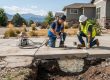
The methodology at RiseLock Concrete Lifting for a repair cracked and sunken patio Thornton project begins with a technical diagnosis rather than a simple visual inspection. We employ advanced site assessment techniques to identify the specific locations of sub-slab voids. This diagnostic phase ensures that the injection plan targets the root cause of the settlement. By mapping the empty spaces beneath the concrete, we can calculate the exact volume of high-density polyurethane required to stabilize the foundation and restore the slab’s structural integrity.
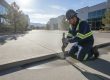
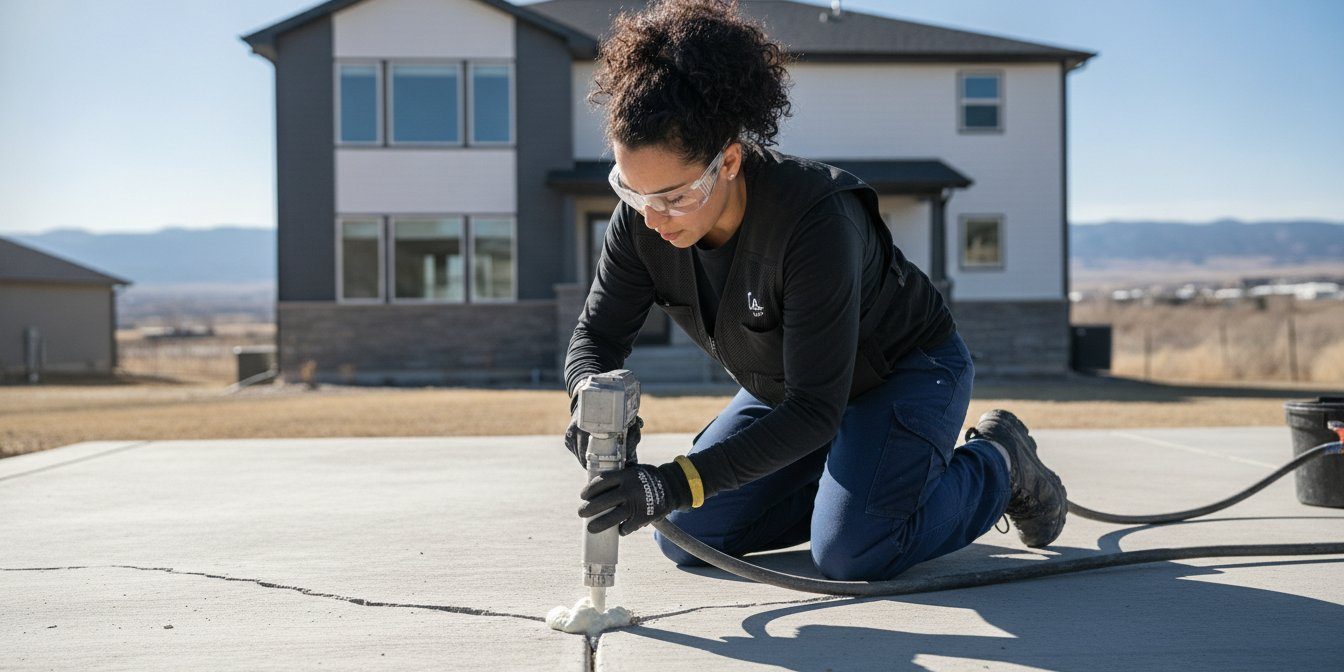
The physical intervention is remarkably non-invasive. Our technicians drill small-diameter access ports, approximately 5/8 of an inch in diameter, which is about the size of a penny. These ports are strategically placed to maximize the reach of the expanding foam while minimizing the visual impact on the patio surface. We use a multi-stage injection process, delivering the polyurethane in controlled bursts. This incremental approach prevents over-lifting and allows the foam to expand fully into every crevice, creating a solid, waterproof base that traditional materials cannot match.
The Science of the Lift
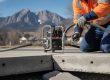
During the injection, our technical team monitors the slab in real-time with laser levels to ensure millimeter-level precision. As the liquid components mix, a chemical reaction occurs that causes the foam to expand rapidly. This expansion generates the force necessary to lift the heavy concrete back to its original design height. There is a quiet authority in the way our team works; we focus on technical mastery and steady progression rather than rushed results. This careful monitoring ensures that drainage patterns are restored, directing water away from your home’s foundation as originally intended.
Finishing Touches and Protection
Once the patio is level and stabilized, we remove the injection ports and clean the work area thoroughly. We seal each access hole with a specialized concrete grout that is color-matched to your existing patio, making the repair nearly invisible to the naked eye. To provide long-term security, we often recommend professional joint sealing. This additional layer of protection prevents future water intrusion, which is the primary driver of soil erosion and freeze-thaw damage in Thornton. Our process concludes with a final walkthrough, ensuring the surface is safe, level, and meets the high standards of RiseLock Concrete Lifting for craftsmanship and durability.
Securing the Future of Your Thornton Outdoor Living Space
A sinking patio is more than a cosmetic nuisance; it’s a structural challenge that requires a technical solution. By choosing high-density polyurethane over heavy, traditional slurries, you address the root cause of settlement without overburdening Thornton’s expansive clay soils. This modern restoration method provides a durable, waterproof foundation that withstands the Front Range’s intense freeze-thaw cycles. It’s a precise intervention that restores safety and property value while saving you the significant expense and disruption of a full concrete replacement.
Choosing the right partner to repair cracked and sunken patio Thornton surfaces ensures your home remains secure. Our team serves as Thornton local soil experts, bringing specialized polyurethane technology and post-tension safety certification to every project. We view your structural integrity as our priority, providing a level of precision that traditional methods simply can’t match. You don’t have to live with dangerous trip hazards or the fear of worsening damage.
Take the first step toward a level, long-lasting surface today. Get a Free Precision Concrete Assessment in Thornton and discover the peace of mind that comes with professional stabilization. Your patio can be beautiful and safe once again.
Frequently Asked Questions
How much does it cost to repair a sunken patio in Thornton?
The total investment for patio restoration depends on the degree of settlement and the volume of high-density foam required to fill underlying voids. While we don’t provide flat rates, this specialized method typically saves homeowners a substantial percentage compared to the cost of total demolition and a new concrete pour. Factors like site accessibility and specific soil conditions in your Thornton neighborhood will influence the final scope and technical requirements of the project.
How long does polyurethane concrete lifting last in Colorado?
High-density polyurethane repairs are engineered for long-term stability, often providing a reliable support structure for 10 to 15 years or more. Unlike traditional fill materials that can erode over time, this foam is hydrophobic and remains unaffected by moisture or underground water flow. This durability is essential for surviving the intense freeze-thaw cycles common in the Denver metro area. It creates a permanent, stable base that prevents the concrete from sinking again.
Can you repair a patio that is cracked into many small pieces?
If your patio has fractured into several large slabs, we can usually stabilize and lift each section individually to restore a level surface. However, if the concrete has deteriorated into very small, shattered fragments, the structural integrity of the material may be too compromised for a successful lift. A professional assessment is necessary to determine if the pieces are large enough to accept the pressure of the expanding foam without sustaining further damage.
Is polyurethane foam environmentally friendly and safe for my yard?
The high-density foam we utilize is environmentally inert once it has fully cured. It does not leach harmful chemicals into the surrounding Adams County soil or local groundwater. Because the process requires fewer and significantly smaller injection holes than traditional methods, it is also less disruptive to your landscaping and root systems. It is a safe, non-toxic solution for families with pets and those who maintain active garden spaces near their outdoor living areas.
What is the best time of year to fix my patio in Thornton?
The ideal window for concrete repair in the Front Range is when the ground is not frozen and soil moisture levels are relatively stable. Late spring through early autumn provides the most predictable conditions for accurate soil assessment and foam expansion. While we can perform repairs in cooler weather, avoiding the peak of winter ensures that the underlying soil is not heaving due to frost, allowing for a more precise and permanent lift.
Will the foam injections be visible after the job is done?
The injection points are very discreet and typically measure about 5/8 of an inch, which is roughly the size of a penny. Once the lifting process is complete, we fill these small access ports with a specialized grout that is color-matched to your existing concrete. While the patches might be visible initially, they weather over time and become nearly indistinguishable from the rest of the slab, especially when compared to the large, messy holes required by mudjacking.
Do I need a permit for patio concrete leveling in Thornton?
In most cases, a building permit is not required to repair cracked and sunken patio Thornton surfaces when the work involves flat groundwork like a concrete pad. Standard leveling and stabilization are generally considered maintenance rather than new construction. However, if your project involves structural changes to a porch or a deck foundation, you should contact the City of Thornton Development Department to verify specific municipal requirements for your particular property and project scope.
How soon can I put my patio furniture back after the repair?
You can return your patio furniture and resume full use of the outdoor space in as little as 15 minutes after the injection process is complete. The chemical reaction that drives the lift happens quickly, and the material reaches 90% of its full compressive strength within a quarter of an hour. This rapid cure time is a significant advantage over traditional slurry methods, which often require you to keep the area clear for 24 to 72 hours.