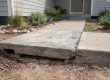
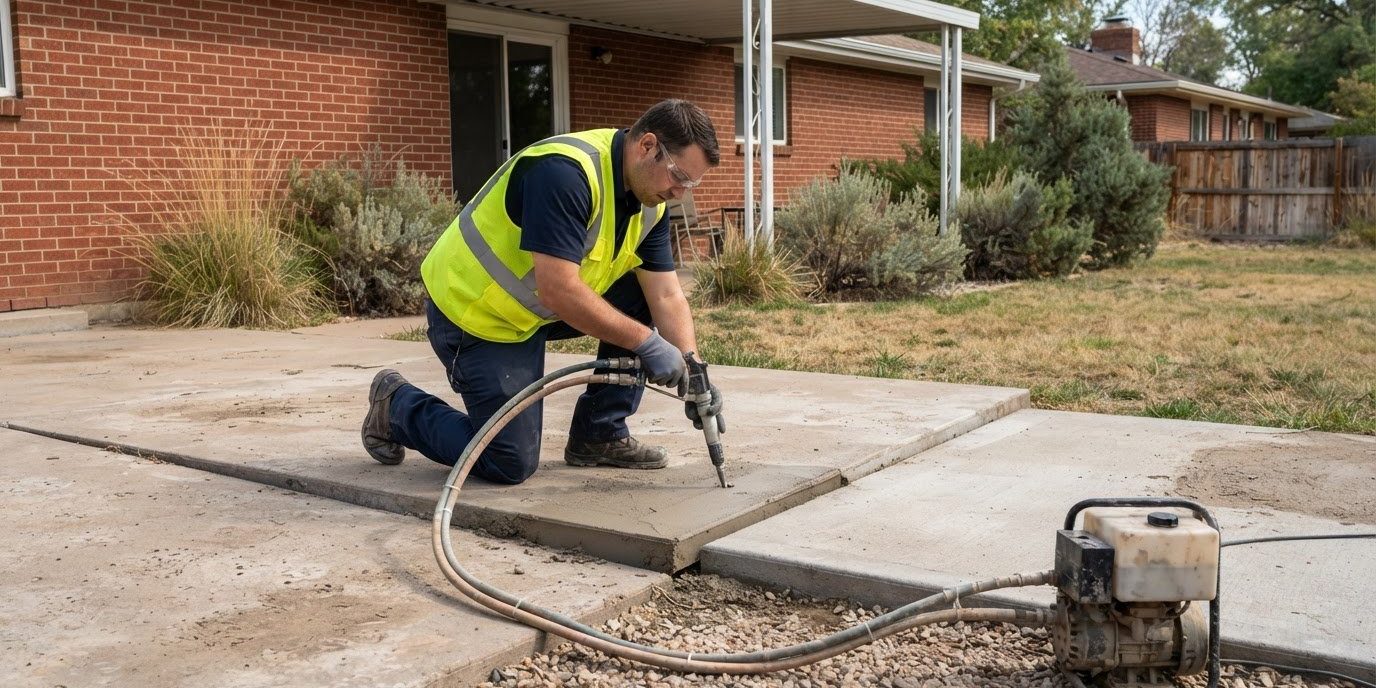
Raising settled concrete is different from pouring a new slab. The cost to raise a concrete slab in Denver depends on the condition of the concrete and the work needed, not just its size. Key factors include how many panels have settled and how complex the lift will be.
It’s reasonable to want a clear figure before deciding what to do. But an estimate for new concrete does not explain the cost of lifting a sunken slab. The scope of a lifting project depends on the area affected and how far the concrete has settled.
This article explains how slab lifting differs from replacement, which factors shape the work, and how the lifting method affects the repair. You’ll also learn how to decide whether lifting or another type of concrete repair better fits the slab’s condition.
Key Takeaways
- Distinguish the cost of raising an existing slab from estimates for pouring a new one; square-foot and cubic-yard figures may describe different work.
- Compare estimates for similar surfaces, since walkway, driveway, patio, and interior floor projects can involve different scopes.
- Understand how the lifting method and the slab’s condition shape the work involved and the estimate.
- Learn how mudjacking and polyurethane lifting differ so you can better understand which approach fits the repair.
How much does concrete leveling cost in Denver and Fort Collins, Colorado?
The cost to raise a concrete slab in Denver depends on the affected area and the complexity of the lift. The number of settled panels matters too: leveling one section of a walkway differs from correcting several sections of a driveway. A project-specific quote accounts for the slab’s area and condition, access, and the work needed to raise it. These details explain why surface area alone does not describe the full scope.
Estimates for slab leveling or mudjacking describe raising existing concrete, not pouring a replacement slab. Mudjacking raises settled panels by pumping grout beneath them. The scope depends on which panels have dropped and how they need to be lifted. Estimates may distinguish the area being raised from the full size of a patio, sidewalk, or driveway, so make sure the included work area is clear.
Sidewalk and walkway installation estimates cover new concrete, so they are different from leveling estimates. Installation creates a new slab; leveling raises concrete already in place. Slab pouring and repair also involve different scopes. A localized repair may address a specific defect, while pouring creates a new surface. Compare estimates only when they cover similar work, areas, and concrete conditions.
Replacement is a separate scope. Replacing a slab in the Denver area can involve removing damaged concrete and preparing the ground beneath it. Soil conditions, the work area, and infrastructure below the slab all affect the job. A foundation slab may require different planning from an exterior walkway. These distinctions explain why estimates for installation, replacement, and lifting are not interchangeable.
In most of Denver, concrete slab work typically requires a permit, with inspections usually required before and after the work. This applies to planning for slab work, including sidewalk projects, and may add city review to the physical repair.
An estimate depends on the affected area, slab condition, access, and complexity of the lift. A project-specific quote provides the price for your case.
Cost per square foot and cubic yard
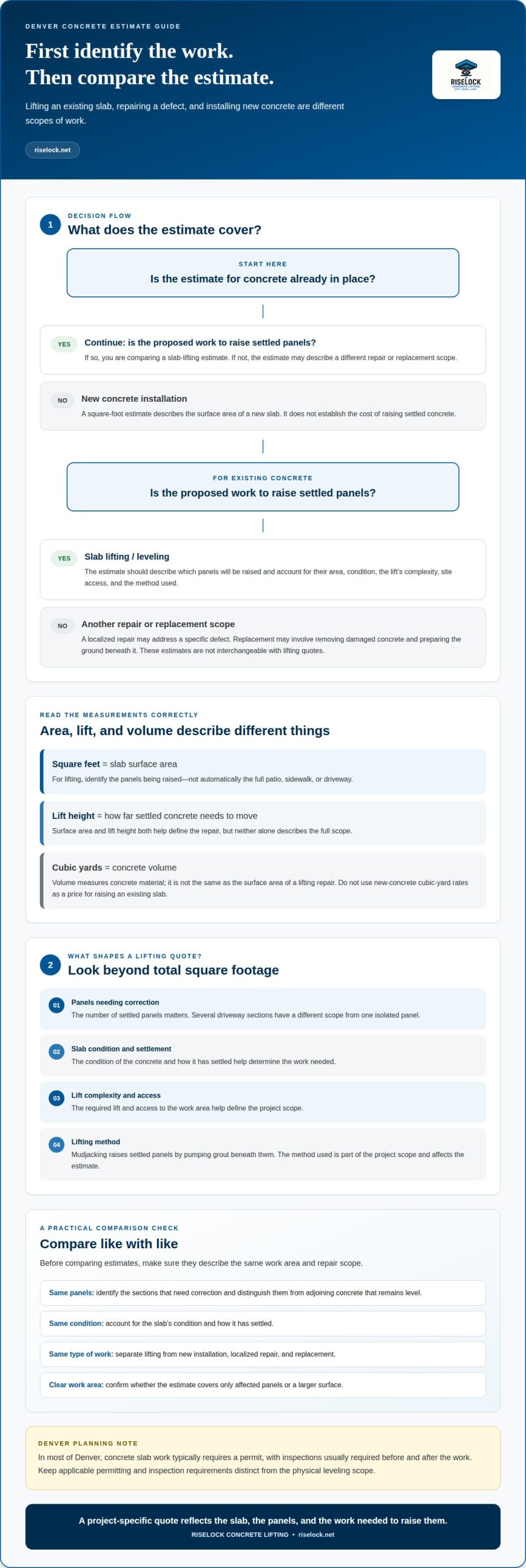
Square feet and cubic yards measure different aspects of concrete work, so the figures are not interchangeable. This distinction matters when comparing an estimate for a new slab with a quote to lift existing concrete.
Concrete Slab Cost per Square Foot
A square-foot estimate describes the surface area of a new concrete slab. It helps frame installation costs, not the cost of raising settled concrete.
That calculation does not include demolition or establish the cost of repairing existing concrete. Compare estimates only when they cover the same scope, slab area, and type of work.
Slab-Raising Price per Square Foot
A slab-raising estimate covers lifting existing concrete, not installing a new slab. The area being raised helps describe the job, but square footage alone does not provide a complete price. The number and condition of affected panels, along with the complexity of the lift, also shape the work.
For polyurethane lifting, area alone does not show what a project requires. The quote depends on the slab’s size and condition, the lift’s complexity, and the method used. A project-specific quote provides the price for your case.
Square Footage and Lift Height
Square footage measures the surface to be raised; lift height describes how far the settled concrete needs to move. Both help define the repair, but neither tells the whole story. A broad slab with a modest drop and a smaller panel needing a more complex lift involve different scopes.
For example, when assessing a patio, distinguish the panels needing correction from the patio’s total area. The required lift also affects the work beneath those panels. A quote should identify the area being raised and account for the lift, rather than applying new-concrete cubic-yard rates to an existing slab.
Cubic yards measure concrete volume, not the surface area of a repair. The measurements serve different purposes: cubic yards quantify concrete material, while square footage describes a slab’s surface. Neither figure alone prices a complete demolition, replacement, or lifting project.
Denver concrete raising estimates and pricing factors
For settled concrete, the estimate depends on the repair area and the complexity of the lift. To compare quotes, describe the same panels, slab condition, and requested work.
Slab Size and Other Price Factors
Slab size means the concrete area included in the leveling work, while other factors describe its condition and lift requirements. Both matter because a larger area or more complex lift changes the project scope. The number of settled panels is a key cost factor in Denver. A homeowner should distinguish panels needing correction from adjoining concrete that remains level.
For example, a driveway with several settled sections has a different scope from one isolated panel. The estimate also depends on how the slab has settled and what work is needed to raise it. These details show why square footage alone cannot describe the full repair.
Cost Factors and Preliminary Expenses
Preliminary expenses are project costs considered before the lifting work itself, such as applicable permitting and inspection requirements. In most of Denver, concrete slab work typically requires a permit, with inspections usually required before and after the work. These requirements can affect planning and should be distinguished from the physical leveling scope.
The repair’s size and lift complexity are central pricing factors. Site access and the condition of the settled slab also help define the work. Keep these factors distinct from any permit or inspection costs when reviewing an estimate.
Getting Accurate Contractor Quotes
A useful quote describes the specific panels, their condition, and the work proposed to raise them. Estimates based on different areas or repair scopes are not directly comparable. When discussing a project with RiseLock Concrete Lifting, provide the same details for each quote, including which sections have settled and whether they are part of a walkway, patio, or driveway.
Ask each estimate to identify the area included, the lifting approach, and any separate preliminary work. Note visible changes in height and where affected panels meet level concrete. The price depends on the project’s size, panel condition, and lift complexity, and a project-specific quote provides the figure.
Before comparing estimates, match their scope: leveling settled panels is not the same as pouring or replacing a slab. A clear description helps you see what each quote covers and which project factors account for the difference.
Mudjacking and concrete slab lifting
Mudjacking and other lifting methods raise settled concrete by filling space beneath the slab. The approach matters because the material used and the slab’s condition shape the work.
Lifting Time and When Slabs Can Be Used
On-site time describes how long crews work at the property, while return-to-use depends on the repair method. A concrete slab project in Denver typically takes 1 to 3 days on site, but that figure can include more than lifting alone.
For a driveway or walkway, plan for access to the work area and follow the instructions provided for the surface after lifting. If the project includes pouring or patching concrete, the new material needs time to set. A general project duration is not the same as a specific reopening time.
Lifting Risks, Limitations, and Warranties
Lifting corrects a slab’s position, but it does not remove existing cracks or address every cause of movement beneath it. Consider the concrete’s condition and whether the repair scope addresses the settled panels. Severe surface damage or continuing ground movement can limit what lifting alone can resolve.
Warranty terms depend on the written conditions, exclusions, and work described. Read whether coverage applies to lifting, cracking, or future settlement, and note any maintenance requirements. Do not assume a warranty covers every change in the slab or surrounding surface.
Mudjacking typically uses drilled access points to pump cement-based slurry beneath a settled slab, filling voids and raising the concrete. Polyurethane foam lifting injects foam instead. The materials and methods differ, so the suitable approach depends on the slab and repair conditions, not simply whether the surface is a driveway or walkway.
First identify whether the goal is to raise settled concrete or replace a damaged slab. Lifting addresses a change in height, while cracks and underlying movement still need consideration. If the slab’s condition makes lifting unsuitable, concrete repair or replacement may be a more appropriate scope.
For help assessing a settled slab and its lifting needs, discuss your concrete lifting project.
RiseLock Concrete Lifting: Polyurethane Concrete Lifting
RiseLock Concrete Lifting provides polyurethane concrete lifting and leveling for settled slabs. It can help homeowners address uneven sections of driveways, walkways, patios, and similar concrete surfaces. The right repair depends on the slab’s condition and the scope of the lift.
For damage beyond settlement, concrete repair may be appropriate; post-tension installation addresses a different construction need. Identifying the problem helps determine the right type of work instead of treating every concrete issue as a lifting project.
If your slab has settled, contact RiseLock Concrete Lifting to discuss the repair and request a project-specific quote, or visit riselock.net.
Choose the Next Step for Your Concrete
To help define the repair, describe how you need the surface to function afterward. Note which areas feel uneven, where panels meet, and whether visible cracks affect your decision. This context helps focus the conversation on the property’s needs rather than treating every slab as the same job.
The cost to raise a concrete slab in Denver depends on the slab’s condition, affected area, access, and lifting requirements. A project-specific quote provides the price. Clear information about the problem helps define the scope and makes the repair discussion more useful.
RiseLock Concrete Lifting can help assess whether concrete leveling fits the issue you’re facing. Contact RiseLock Concrete Lifting to discuss your concrete project and its next steps. With the repair question clearly defined, you can move forward with a better understanding of what the slab needs.
Frequently Asked Questions
How do you price a lift?
The price of a lift depends on the concrete area involved, the slab’s condition, and the complexity of raising it. The number of affected sections and access to the work area help define the job too. For a useful quote, describe which panels are uneven and whether they are part of a driveway, patio, or garage floor. Your project-specific quote provides the price.
What is the average cost to raise a concrete slab in Denver per square foot?
A per-square-foot figure alone cannot establish the price of a specific Denver slab lift. Square footage describes the area, but the estimate also depends on the slab’s condition, which sections need lifting, and the repair’s complexity. For example, a quote covering an entire patio may include more area than the panels needing correction. The project-specific quote provides the price for your case.
How much does concrete slabjacking or mudjacking cost in Denver?
There is no single mudjacking price that determines the cost of a particular Denver repair. Traditional mudjacking and polyurethane concrete lifting use different materials and methods, so their estimates are not directly interchangeable. RiseLock provides polyurethane concrete lifting. The price depends on the area, slab condition, and lifting requirements, and is provided in a project-specific quote.
How much does polyurethane foam concrete lifting cost in Denver?
The price of polyurethane foam lifting depends on the project, including the affected slab area, its condition, and the lift required. A garage floor and a short section of walkway can involve different repair scopes even if both have settled concrete. Describe the surface and the areas that need attention to define the estimate. A project-specific quote provides the price for your case.
How do concrete lifting costs compare with removing and replacing a slab in Denver?
Concrete lifting raises an existing slab, while replacement involves removing the old concrete and installing new material. Those approaches have different scopes, so compare quotes that describe the same area and work. RiseLock states polyurethane lifting is 50%-75% less than replacement. The right comparison also considers whether the slab’s condition suits lifting or whether damage calls for a different repair approach.
Are there minimum service charges or inspection fees for concrete lifting in Denver?
Any minimum charge or inspection fee for a specific project should be identified in its quote. The price depends on the work involved, including the concrete area, slab condition, and access to the repair. For a Denver driveway, note which sections have settled and whether adjoining panels are affected. A quote for your case clarifies the project’s scope and applicable charges before work proceeds.