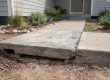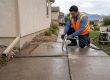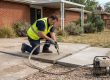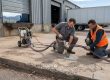
A sinking garage floor needs more than crack filler. To repair a cracked and sinking garage floor in Castle Rock, the loss of support beneath the slab must be addressed. Filling a crack alone will not correct settlement. Voids beneath the concrete can be filled, allowing the slab to be lifted toward its original position.
Cracks and uneven concrete can be concerning, especially if the floor keeps moving. Possible causes include soil movement, poor compaction, moisture, or water washing soil from beneath the slab. Identifying the likely cause helps determine an appropriate repair.
This article explains what can cause garage-floor damage, which signs may point to settlement, and how repairs can address both support and visible cracking. It also covers factors that shape the repair approach and when concrete lifting and leveling may help restore a more even, usable surface.
Key Takeaways
- Look at a crack alongside changes in floor height, slope, and nearby walls to understand whether the slab may be settling.
- Trace moisture and drainage patterns around the garage, since water movement can affect the soil supporting the concrete.
- Recognize when unevenness or widening cracks may point beyond a surface defect and call for a closer assessment of slab support.
- Concrete lifting and leveling can address a sunken slab; RiseLock Concrete Lifting provides concrete repair for damaged garage floors.
Sinking Concrete in Castle Rock?
A sinking garage slab in Castle Rock may have lost support beneath the concrete, rather than simply developed a surface crack. Comparing movement, soil conditions, moisture, and drainage can help distinguish a localized void from broader settlement.
Polyurethane Foam Slab Lifting
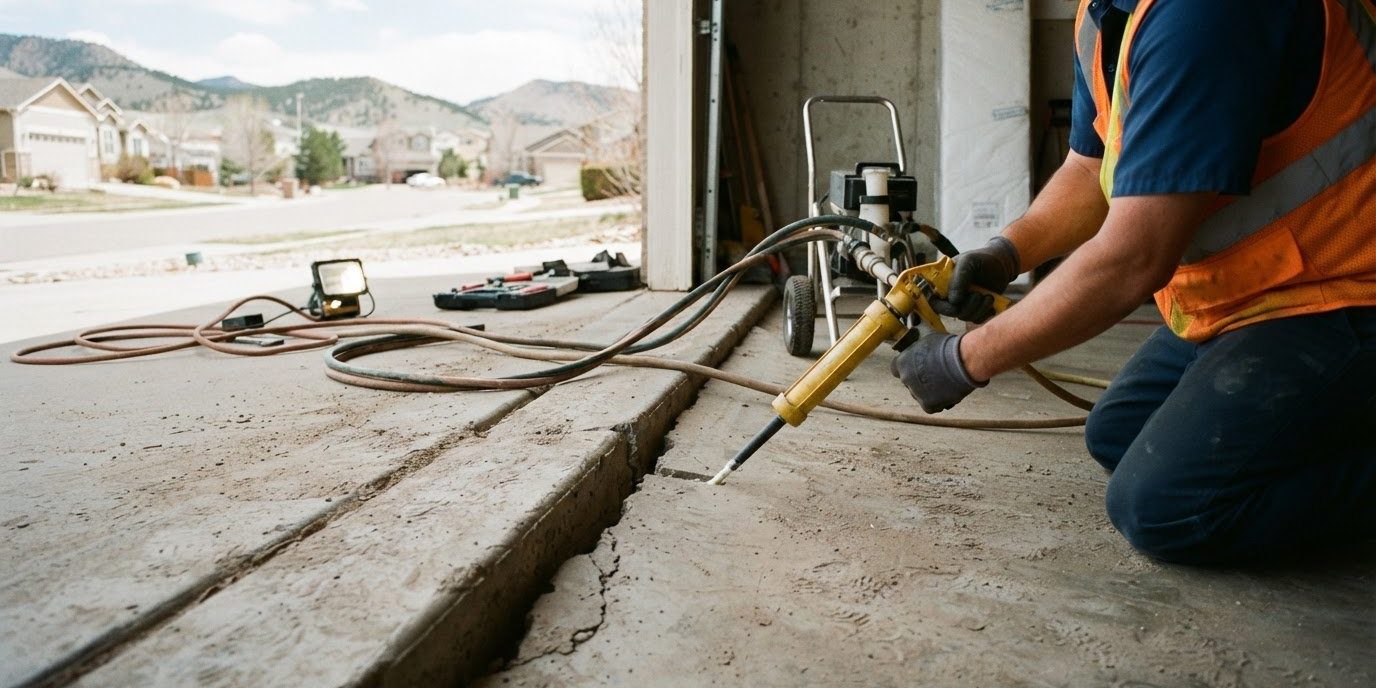
Polyurethane foam injection fills voids beneath a sunken slab and can lift the concrete toward its original position. This concrete-leveling method restores support below the floor instead of hiding a crack at the surface. The assessment considers how far and in which direction the slab has settled, and whether the affected area is localized or part of a wider pattern.
Slab Movement and Underlying Support
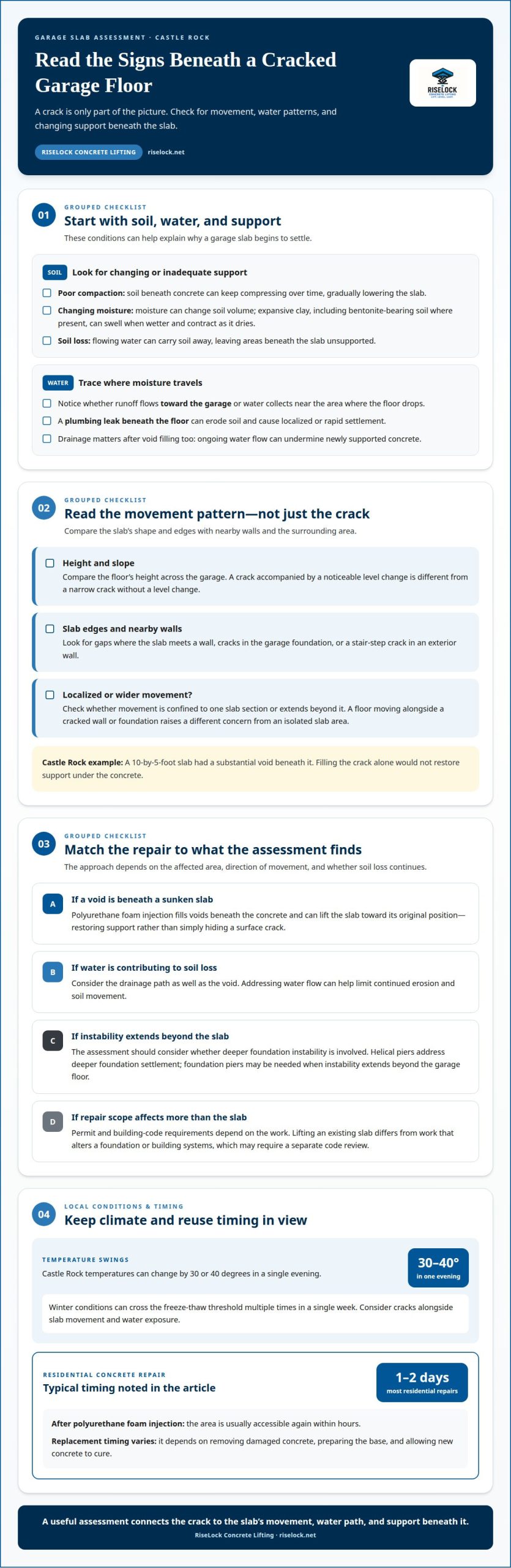
An assessment compares the slab’s height and slope across the garage, then checks cracks and changes along its edges. A narrow crack without a level change differs from one accompanied by visible settlement. The assessment also considers possible voids, drainage near the garage, and whether movement extends beyond one section. These observations help determine whether the repair needs to restore support beneath the concrete.
Soil Settling and Erosion
Poorly compacted soil beneath a garage slab can compress over time, allowing the concrete to settle. Water can cause another support problem: runoff flowing toward the garage or a plumbing leak beneath the floor may erode soil and leave a void. Note where water travels around the slab and whether settlement is concentrated nearby. Addressing drainage as well as the void can help limit continued erosion and soil movement.
Castle Rock’s seasonal temperature swings can add stress to concrete. Temperatures can change by 30 or 40 degrees in a single evening, and winter conditions can cross the freeze-thaw threshold multiple times in a single week. Moisture and repeated temperature shifts can contribute to deterioration, so cracks should be considered alongside slab movement and water exposure.
Permit and building-code requirements depend on the scope of the repair. Lifting an existing slab without changing the garage structure differs from work that alters a foundation or building systems, which may require a separate code review.
Soil movement, compaction, moisture, and washout
Soil conditions affect whether a garage slab stays supported or begins to move. In Castle Rock, evaluating moisture paths and settlement patterns can help distinguish a localized void from movement affecting the foundation.
Compaction, Moisture, and Washout
Poorly compacted soil can keep compressing beneath concrete, gradually lowering the slab. Moisture can change soil volume, while flowing water can carry soil away and leave unsupported areas. A plumbing leak beneath a garage floor may cause localized or rapid settlement; in such cases, drain and sewer experts like A&V Drain Corp. can help diagnose and repair damaged subsurface lines. Note where the floor drops and whether water collects nearby to help assess the pattern.
Settlement Beneath Garage Slabs
Soil settlement beneath a garage slab can cause cracks, tilting, or uneven support. Expansive clay, including bentonite-bearing soil where present, can swell as moisture increases and contract as it dries. This movement may contribute to wider cracks or heaving. A floor moving alongside a cracked wall or foundation raises a different concern from settlement confined to one slab section.
Void Filling and Soil Stabilization
When erosion leaves a void, filling the space beneath the concrete can restore contact and support. Polyurethane foam injection fills voids beneath a sunken slab and lifts it toward its original position. The repair approach depends on the affected area, direction of movement, and whether soil loss continues. Drainage matters too, because ongoing water flow can undermine newly supported concrete.
Concrete repair should address the cause of movement, not just the surface crack. If water runs toward the garage, improving its drainage path can reduce continued erosion. If floor movement occurs alongside changes to a foundation or wall, the assessment should consider whether deeper instability is involved. These signs help distinguish slab settlement from a broader structural concern.
For a practical next step, review garage slab repair considerations alongside the visible movement, moisture patterns, and support beneath the floor.
Uneven garage slabs and visible settlement
An uneven garage floor can signal localized slab movement or a deeper structural problem. Compare the floor’s slope with cracks in nearby walls and the driveway to understand the pattern.
Signs of Garage Floor Settlement
Look for a floor that slopes to one side, gaps where the slab meets a wall, or cracks in the garage foundation. A stair-step crack in an exterior wall can indicate settlement at one corner. These signs differ from unevenness isolated to the slab. Helical piers address deeper foundation settlement, while foundation piers may be needed when instability extends beyond the garage floor.
Cracks in Settled Slabs
A crack that crosses an area of noticeable height change may be linked to settlement rather than a surface-only defect. Consider its direction alongside the slab’s slope and any separation at the wall. A Castle Rock example involved a 10-by-5-foot slab with a substantial void underneath. In that situation, filling the crack alone wouldn’t restore support beneath the concrete.
Repair and Garage Reuse Timing
In Castle Rock, most residential concrete repairs take one to two days. After polyurethane foam is injected beneath a garage slab, the area is usually accessible again within hours. Replacement timing depends on the work involved, including removing damaged concrete, preparing the base, and allowing new concrete to cure. The repair method and site conditions affect when the garage can return to use; once the foundation is sound, property owners often consider long-term surface protection from resinous flooring specialists such as Masterclass Epoxy Floors & Training.
Risks of Delaying Floor Repairs
Delaying attention to a changing crack or slope can leave a trip hazard in a frequently used garage. Continued settlement may enlarge voids and make the repair more involved than addressing a floor just beginning to move. A slab that has dropped several inches with major voids may require more extensive work. Visible movement near a foundation crack also warrants prompt structural assessment.
What causes cracks in a garage floor?
Garage-floor cracks can result from shrinkage, soil movement, moisture, or lost support underneath. Short, hairline cracks are usually normal, but cracks accompanied by sinking or a changing slope deserve attention. For homeowners repairing a cracked and sinking garage floor in Castle Rock, the pattern matters: surface damage differs from a crack that follows a settled section or widening gap.
Water is one cause homeowners can observe around the garage. Runoff flowing toward the slab can erode supporting soil, while a plumbing leak beneath the floor can wash soil away and create a localized void. Notice where downspouts discharge and whether water collects beside the garage. Downspouts should extend at least 10 feet away from a home to reduce erosion and water-damage risks.
Castle Rock’s winter freeze-thaw cycles and snow-removal chemicals can contribute to surface pitting and crumbling. These signs alone do not explain why a floor is sinking, so note whether damage is limited to the surface or accompanied by movement. A crack changing alongside the floor’s level suggests a different repair need from isolated deterioration. That distinction helps determine whether lifting, concrete repair, or replacement is appropriate.
Does homeowners insurance cover cracked or sinking garage floors in Colorado? Coverage depends on the policy terms and the cause of the damage. Document visible cracks, changes in floor level, and any suspected water source, then describe the damage accurately when discussing coverage with the insurer.
An estimate depends on the damage pattern and the work needed underneath the concrete. A surface crack without settlement calls for a different response than a slab with a void, ongoing washout, or major deterioration. Addressing drainage can also matter: extending downspouts at least 10 feet from the home helps reduce erosion risk. If you’re considering how to repair a cracked and sinking garage floor in Castle Rock, request an evaluation of the garage floor.
RiseLock Concrete Lifting: Concrete Repair
RiseLock Concrete Lifting repairs garage floors with cracks, uneven areas, or settlement. When a slab has lost support beneath it, polyurethane concrete lifting and concrete leveling can restore its position as part of the repair. If the damage is limited to the concrete surface, the repair approach differs from one that involves movement or voids underneath.
The assessment focuses on the crack pattern, slab movement, and condition of the supporting soil. Considering these factors helps determine whether lifting, leveling, or another concrete repair is appropriate. This distinction matters because filling a crack alone will not correct a slab that continues to settle.
If your garage floor is cracked or uneven, contact RiseLock Concrete Lifting to discuss concrete repair.
Take the Next Step Toward a Stable Garage Floor
Choosing how to repair a cracked and sinking garage floor in Castle Rock starts with understanding what the slab needs now and what will support it going forward. A focused assessment can distinguish concrete that needs lifting from damage requiring another repair approach, so the next step addresses the condition rather than just its visible signs.
RiseLock Concrete Lifting provides polyurethane concrete lifting and concrete leveling for uneven slabs, as well as post-tension installation to support slab structural integrity. The right service depends on the project’s needs and the concrete’s condition.
Describe what you’re seeing, such as a changing crack, a sloped section, or a gap beneath the floor. These details can help start a practical conversation about the repair.
Contact RiseLock Concrete Lifting to discuss your garage floor. With a clear understanding of the problem, you can move toward a considered repair and a more dependable space.
Frequently Asked Questions
What causes a garage floor in Castle Rock, Colorado, to crack and sink?
Cracking and sinking can follow soil compression, moisture-related expansion, or soil washed out from beneath the slab. Clues may appear together: a crack crosses a low section, or the floor changes slope near a water source. Short hairline cracks alone are usually normal. A pattern of cracks alongside a change in floor height is more useful for distinguishing movement from surface cracking.
What are the repair options for a sinking garage floor: concrete lifting, mudjacking, or replacement?
Concrete lifting can raise a slab when its condition and supporting base allow repair. Polyurethane foam lifting fills voids beneath the concrete, while mudjacking uses a cement-based slurry to lift it. Replacement may be appropriate when deterioration is too deep or the subbase lacks structural integrity. The slab’s condition and underlying support help determine the right approach, not the crack’s appearance alone.
Can polyurethane foam lifting repair a sinking garage floor in Colorado?
Yes, polyurethane foam lifting can repair a Colorado garage slab when a void beneath the concrete has caused settlement. The process involves drilling small holes, injecting expanding foam beneath the slab, and letting it harden. The foam fills the void and lifts the concrete without removing the existing slab, provided the slab is suitable for lifting.
How do contractors diagnose garage floor cracks and settlement?
Diagnosis considers the crack pattern, floor slope, settlement, and signs of moisture, then checks whether the issue extends beyond one area. According to InterNACHI, home inspectors look for settlement, cracking, and moisture evidence when evaluating concrete slabs. A practical assessment also relates floor changes to nearby walls, foundation cracks, and drainage paths. Together, these observations help distinguish a localized slab issue from a broader structural concern.
How does Castle Rock’s expansive soil and freeze-thaw climate affect garage floor damage?
Expansive soil can change volume as its moisture content shifts, contributing to larger cracks or heaving. Castle Rock’s winter temperatures can cross the freeze-thaw threshold multiple times in a single week, exposing concrete to repeated temperature changes. Snowmelt can also carry water toward the garage or beneath slab edges. Consider soil and water patterns alongside visible cracking.
How can homeowners choose a reputable concrete repair contractor in Castle Rock?
Look for clear explanations of the observed damage, the proposed repair, and how the underlying support will be addressed. Homeowners should verify that a foundation repair company is reputable, insured, and accredited by the Better Business Bureau before signing a service contract. RiseLock Concrete Lifting is fully insured and a PTI-certified contractor. Its service area includes Castle Rock, Denver, Aurora, Centennial, Parker, Colorado Springs, Englewood, Littleton, Lakewood, Arvada, Thornton, Wheatridge, Castle Pines, and Boulder.