What if the most significant threat to your home’s structural integrity isn’t the visible crack in your driveway, but the hollow space silently expanding beneath it? For many homeowners across the Front Range, the discovery of a gap under a patio or a sinking walkway brings an immediate sense of unease. You’re likely concerned about more than just a trip hazard; you’re worried about the long-term stability of your foundation and the potential for pests to nest in those hidden cavities. It is a valid concern, as Colorado’s expansive clay soils are known for shifting and creating the very instability that leads to concrete failure.
We understand that the distinction between simple leveling and comprehensive concrete void filling Denver can be confusing. This guide clarifies how professional polyurethane injection addresses the root cause of the problem by restoring a solid, dependable base. You will discover how high-density foam provides a non-invasive, durable solution that prevents future sinking and secures your property for decades. We will examine the technical precision required to master these subterranean challenges and why modern foam technology has become the standard for structural restoration in Denver.
Key Takeaways
- Understand that void filling is a specialized stabilization process designed to eliminate hidden hollows before they lead to significant structural failure.
- Professional concrete void filling Denver services utilize high-density polyurethane to create an impermeable, chemical-resistant barrier that withstands Colorado’s unique soil conditions.
- Learn how to identify subterranean gaps through simple diagnostic tests, such as checking for hollow sounds or observing slabs that bounce under weight.
- Discover why lightweight foam is safer for Denver’s expansive clay than traditional heavy materials, which often exacerbate sinking due to excessive weight.
- Identify the specific technical criteria and local geological knowledge required to select a qualified specialist for long-term slab stability.
Understanding Concrete Void Filling: More Than Just Leveling
Concrete void filling Denver is a specialized restoration technique that targets the hidden spaces beneath your slabs before they manifest as surface-level damage. While many homeowners associate concrete repair strictly with lifting or leveling, void filling focuses on stabilization. It’s the process of injecting a structural material, specifically high-density polyurethane foam, into the pockets of air created by soil movement. Even if a slab appears perfectly level, a subterranean void removes the necessary support, leaving the concrete to bridge a gap it wasn’t engineered to handle. This lack of support is the primary precursor to structural cracking and eventual foundation failure.
High-density polyurethane provides a lightweight, rock-solid base that reinforces the slab without adding the excessive weight associated with older methods. By integrating Understanding Concrete Leveling principles, we can identify whether a project requires a simple fill for stability or a more complex lift to restore a specific grade. Addressing these gaps early ensures that the concrete remains a unified part of the property’s structure rather than a floating liability. This proactive approach prevents the slab from snapping under the weight of vehicles or foot traffic.
The Science of Denver Soils: Why Voids Form
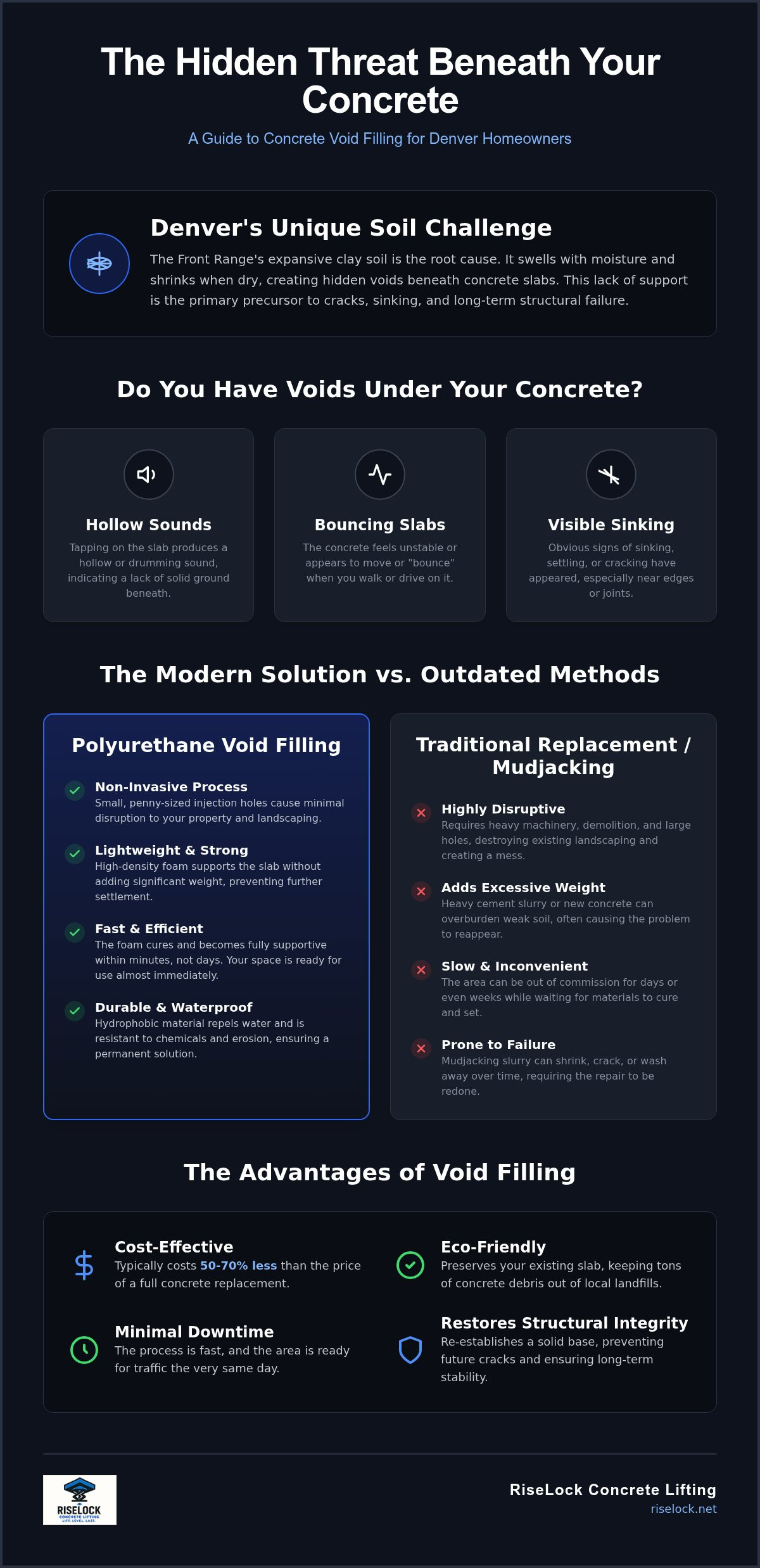
The geological profile of the Front Range presents unique challenges for concrete stability. Denver’s soil is rich in expansive bentonite clay, a material that undergoes dramatic volume changes based on moisture content. During wet seasons, the clay swells; during our semi-arid summers, it loses moisture and shrinks. This process, known as desiccation, creates literal gaps between the soil and the concrete. Additionally, the rapid development of neighborhoods in Aurora, Centennial, and Parker often involved soil compaction that didn’t account for these long-term cycles, leading to settling years after construction. These natural shifts mean that even the best-poured concrete can eventually lose its foundational support.
Void Filling vs. Traditional Concrete Replacement
Choosing to fill a void rather than replacing a slab is a decision rooted in both economics and structural logic. Tearing out and repouring concrete is labor-intensive and often costs 50-70% more than a precision injection. Beyond the financial savings, void filling offers significant environmental and aesthetic benefits:
- Waste Reduction: Preserving your existing slab keeps tons of concrete debris out of local landfills, making it the more sustainable choice for Denver property owners.
- Landscaping Preservation: Our non-invasive injection process requires only small, penny-sized holes, protecting your mature landscaping and sod from the damage caused by heavy demolition machinery.
- Structural Integrity: Maintaining the original slab preserves the established structural connections and joints that new pours might disrupt, ensuring the entire system remains stable.
The RiseLock Approach: Precision Polyurethane Injection
At RiseLock, we view concrete void filling Denver as a surgical intervention rather than a broad construction task. We utilize a high-density polyurethane material specifically engineered to withstand the rigors of the Front Range climate. Unlike traditional slurries that can degrade over time, this foam is hydrophobic. It doesn’t wash away during heavy Colorado spring rains or lose its volume during periods of drought. It’s also resistant to soil chemicals and microbial growth, ensuring the stabilization lasts for decades. This process often works in tandem with polyurethane concrete lifting to provide a holistic solution for compromised surfaces, ensuring the slab is both level and fully supported from beneath.
Our execution focuses on what we call quiet authority. We understand that structural repairs can be stressful, so we prioritize a process that is minimally invasive. There’s no heavy machinery tearing up your lawn and no loud, prolonged demolition noise. We arrive with a self-contained system, perform the precision injection, and leave the site as clean as we found it. This professional reliability is why many homeowners in Aurora and Centennial trust us with their most critical structural concerns.
The Injection Process: From Drilling to Curing
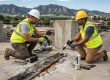
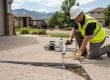
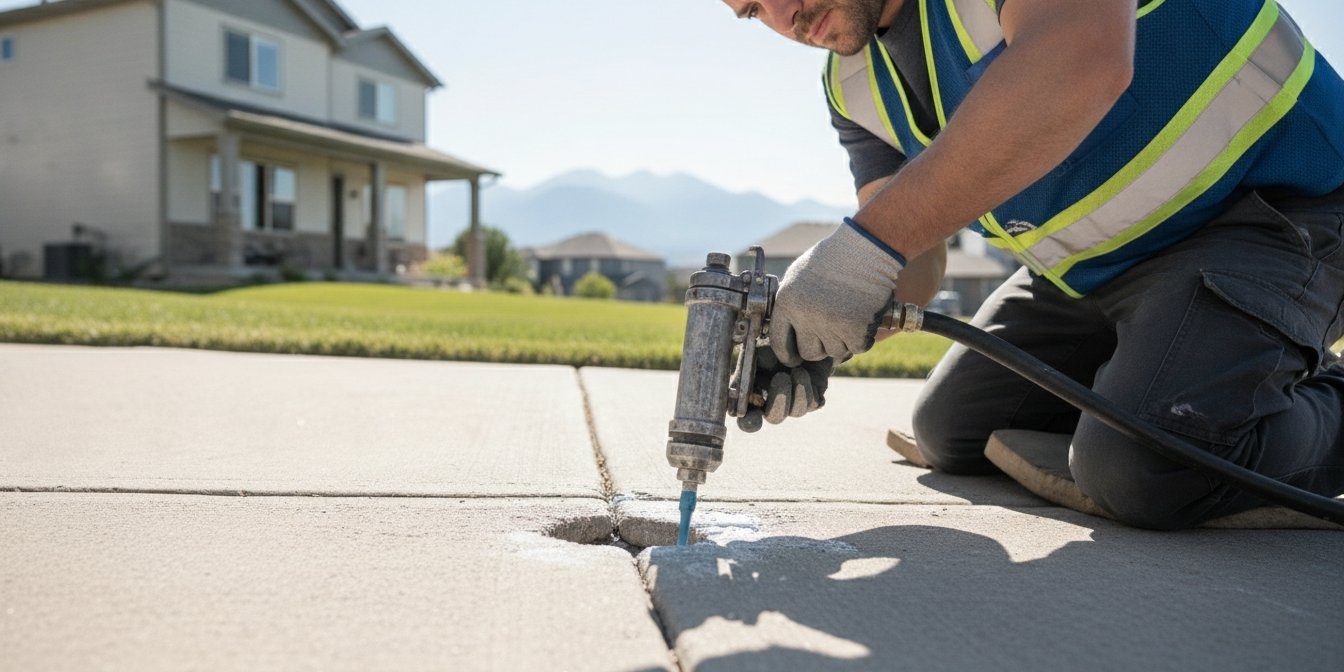
The application itself is remarkably clean and efficient. We begin by drilling small holes, roughly the size of a penny, through the concrete in a strategic pattern. A specialized injection gun delivers the liquid components into the void. Once beneath the slab, the material undergoes a rapid chemical reaction, expanding to fill every micro-crevice and compacting the loose soil. This geotechnical rehabilitation with polyurethane foam provides immediate structural support by creating a dense, lightweight foundation. Because the foam cures in roughly 15 to 30 minutes, you can return the area to full service almost immediately. If you’re noticing hollow sounds or slight shifts, it’s a good time to consult with our stabilization experts to prevent further damage.
Special Considerations for Post-Tension Slabs
Post-tensioned slabs require a significantly higher level of technical mastery than standard reinforced concrete. Our extensive background in post tension installation allows us to navigate these complex systems with precision. We understand the location and extreme tension of the internal cables, which is critical during the drilling phase. Striking a cable can be catastrophic for the slab’s integrity. By stabilizing the soil beneath these tensioned systems, we ensure the slab remains in its intended state of compression. This technical expertise protects the delicate balance of the slab while providing the solid base necessary for long-term durability.
Common Signs Your Denver Property Has Voids
Recognizing a subterranean void before it manifests as a catastrophic structural failure requires attention to subtle environmental and acoustic cues. One of the most effective diagnostic tools available to a homeowner is the “hollow sound” test. When you walk across a patio or tap a driveway with a heavy tool, the resonance should be dull and solid. A sharp, echoing, or ringing tone indicates that the concrete is no longer in contact with the sub-grade. This isn’t just an acoustic anomaly; it signifies that the slab is acting as a bridge, bearing weight it was never designed to support without a solid base. This loss of support is why seeking professional concrete void filling Denver at the first sign of hollowness is a critical preventative measure.
Visual indicators often provide the next level of confirmation. You might notice cracks that seem to “float” or move independently when pressure is applied. In more advanced cases of instability, a slab may actually “bounce” or deflect slightly under the weight of a vehicle. This movement is a clear sign that the soil has receded, leaving the concrete vulnerable to snapping. If left unaddressed, these small gaps lead to a total slab collapse, as the internal reinforcement eventually fatigues under the constant cycle of deflection and return.
Erosion and Drainage Issues in the Front Range
Colorado’s weather patterns frequently contribute to the formation of these hidden gaps. Sudden, high-intensity rain events in suburban lots across Aurora and Centennial can wash away sub-base materials, particularly when downspouts aren’t properly extended away from the concrete. This leads to a phenomenon known as “piping,” where water carves out underground tunnels beneath your driveway or sidewalk. It’s a significant enough engineering challenge that many transportation departments rely on polyurethane foam to stabilize infrastructure, as the material fills these erratic tunnels and reinforces the surrounding soil more effectively than traditional fill dirt.
The Rodent Factor: Structural Risks from Burrowing
During Denver’s cold winter months, the residual warmth trapped beneath a concrete slab becomes a prime target for burrowing rodents. Animals like voles and rats often choose these protected spaces for nesting, removing significant amounts of soil to create their chambers. This cumulative loss of material creates localized weak spots that can cause a slab to tip or crack unexpectedly. Our high-density polyurethane foam doesn’t just restore the lost volume; it creates an impenetrable, non-nutritive barrier that deters future nesting. This provides a dual benefit of structural concrete void filling Denver residents need, while simultaneously hardening the property against pest-related erosion.
Why Polyurethane is Superior to Traditional Mudjacking
Choosing between modern injection and traditional mudjacking often comes down to an understanding of soil mechanics. Traditional mudjacking involves pumping a heavy slurry of sand, cement, and soil beneath the slab. This material is incredibly dense, weighing upwards of 100 pounds per cubic foot. In the context of concrete void filling Denver, this excessive weight is frequently counterproductive. Denver’s soft, expansive clays are already struggling to support the weight of the concrete itself. Adding several hundred pounds of slurry can actually accelerate the sinking process, forcing the slab deeper into the ground over time.
By contrast, high-density polyurethane foam weighs only 2 to 4 pounds per cubic foot. It provides the necessary structural support without placing an undue burden on the underlying soil. This lightweight nature allows for precision control during the injection process. We can fill expansive voids and stabilize the grade without the risk of accidentally over-lifting the slab, a common issue with the high-pressure, high-volume nature of mudjacking. This level of technical mastery ensures that the repair remains exactly where it was intended, providing a permanent fix rather than a temporary weight increase.
Material Longevity and Environmental Stability
Polyurethane is a chemically inert material, meaning it won’t leach into the Colorado water table or degrade when exposed to soil moisture. This stability is critical for properties in Lakewood and Castle Rock, where intense freeze-thaw cycles can cause traditional cement-based fills to crack or crumble. Because the foam is hydrophobic, it won’t wash away during heavy runoff events. It represents the “set it and forget it” nature of modern foam concrete lifting, offering a solution that remains structurally sound for the life of the concrete.
Comparing Cleanliness and Property Impact
The physical impact on your property is another area where polyurethane proves its superiority. Mudjacking requires large, 2 to 3-inch drill holes that are difficult to patch aesthetically. Our process uses tiny 5/8-inch ports, roughly the size of a penny, which vanish once the repair is complete. We also avoid the need for heavy trucks and bulky equipment that can crack neighbor’s curbs or damage your own driveway during the staging process. Most Denver driveways can be fully stabilized in just a few hours, allowing you to park your vehicle on the surface the same afternoon. If you’re ready to secure your property with a cleaner, more durable solution, request a structural assessment from our team today.
Choosing a Denver Void Filling Specialist
Selecting a specialist for concrete void filling Denver is a decision that impacts the long-term safety and value of your property. It requires a partner who possesses a deep understanding of Front Range geology, specifically the way moisture cycles interact with local soil compositions. A general contractor might offer a surface-level fix, but technical mastery is found in those who specialize in structural concrete repair in Denver, Colorado. At RiseLock, we prioritize precision, ensuring that every injection is calculated to provide maximum stabilization without compromising the slab’s existing tension or joints. This commitment to technical excellence makes us the preferred choice for homeowners in Littleton and Arvada who seek a permanent resolution to subterranean hollows.
The right specialist acts as a professional guide, leading you away from the stress of structural damage toward the security of a high-precision intervention. We don’t rely on guesswork or hyperbolic claims. Instead, we use grounded, confident assertions backed by the technical advantages of high-density polyurethane. By identifying the specific mechanics of your soil movement, we can implement a solution that prevents future sinking and protects your investment for decades.
RiseLock’s Service Area and Local Commitment
We provide dedicated service across the entire Denver Metro area, including Aurora, Centennial, Parker, and the surrounding communities. Our team views each project as a personal priority, applying the same rigorous standards to a residential walkway as we would to a complex commercial foundation. We don’t just fill gaps; we restore peace of mind through methodical intervention. This local commitment means we’re familiar with the specific neighborhood challenges, from the settling issues in newer developments to the drainage concerns of established Front Range properties.
What to Expect During Your RiseLock Estimate
A professional evaluation must be methodical and thorough to be effective. When we visit your property, we conduct a comprehensive site inspection to determine the root cause of the void. This involves analyzing drainage patterns, soil compaction, and the specific load-bearing requirements of the slab. We believe in transparent communication, explaining the “why” behind our technical recommendations so you can make an informed decision. We provide a fact-dense plan for your concrete lifting solutions, ensuring you understand how our materials and methods will secure your property. Requesting this evaluation is the first step toward identifying hidden risks and restoring a solid foundation.
Securing Your Property’s Structural Future
Protecting your property’s integrity begins with addressing what lies beneath the surface. Ignoring subterranean gaps leads to inevitable settlement and costly damage. High-density polyurethane injection offers a precise, lightweight solution that stabilizes your slabs without the risks associated with heavy, traditional materials. By choosing a partner who understands the specific geological pressures of the Front Range, you ensure your repair is a long-term investment in safety and value.
RiseLock remains a trusted authority for both residential and commercial structural repair across the Denver Metro area. Our specialized approach to concrete void filling Denver focuses on technical mastery and minimal property disruption. We don’t just fill holes; we restore the solid foundation your home or business requires to withstand Colorado’s unique soil cycles. Taking action today prevents the progression of damage and restores your peace of mind.
Request a Professional Void Filling Evaluation from RiseLock to identify hidden risks and secure your slabs with a modern, high-precision solution. Your property deserves the lasting stability that only expert intervention can provide.
Frequently Asked Questions
How do I know if I have a void under my concrete slab?
You can identify a potential void by performing a hollow sound test, where tapping the concrete surface produces a ringing or echoing tone rather than a dull thud. Other signs include slabs that deflect or bounce slightly under the weight of a vehicle and cracks that seem to move independently. If you notice soil washouts near downspouts in your Aurora or Centennial yard, there’s a high probability that subterranean gaps have formed.
Is concrete void filling the same as mudjacking?
No, void filling with polyurethane is a modern, lightweight alternative to traditional mudjacking. While mudjacking uses a heavy slurry of sand and cement that can weigh over 100 pounds per cubic foot, we utilize high-density foam that weighs only 2 to 4 pounds. This is critical in Denver’s expansive clay soils, where adding excessive weight often causes further sinking. Our method is cleaner, uses smaller injection ports, and cures much faster.
Can polyurethane foam fill large voids under a foundation?
High-density polyurethane is specifically engineered to expand and fill significant volumes beneath foundations and slabs. The liquid material travels into every micro-crevice before expanding, ensuring that even large, erratic cavities are completely occupied. This process provides immediate geotechnical rehabilitation without the need for invasive excavation. It’s a highly effective solution for stabilizing foundations in Parker and Castle Rock that have been compromised by soil erosion or burrowing animals.
How long does the polyurethane void filling process take?
Most residential concrete void filling Denver projects are completed in just a few hours. Because the injection ports are small and the setup is self-contained, there’s very little staging time required. The polyurethane material reaches 90% of its full structural strength within 15 to 30 minutes of injection. This rapid curing time means you don’t have to wait days for the material to dry before returning the area to its normal use.
Will the foam used for void filling harm my landscaping or soil?
The high-density polyurethane we use is chemically inert and environmentally stable once cured. It won’t leach chemicals into the Colorado water table or react with the surrounding soil. The injection process itself is minimally invasive, requiring only penny-sized holes that leave your landscaping and sod undisturbed. This makes it an ideal choice for established properties in Littleton or Arvada where preserving mature gardens and trees is a priority.
Can I drive my car on the driveway immediately after void filling?
You can typically drive on your driveway within 30 minutes of the final injection. Unlike traditional cement-based repairs that require days of curing time, polyurethane foam achieves structural stability almost instantly. By the time our team has finished patching the small injection ports and cleaning the work area, the material is ready to support full weight-bearing loads. This efficiency minimizes the disruption to your daily routine in busy Denver neighborhoods.
What is the primary cause of concrete voids in Denver?
The primary cause is the shrink-swell cycle of Colorado’s expansive bentonite clay. When the soil dries out during our semi-arid summers, it shrinks and pulls away from the concrete slab, creating a hollow space. Heavy rain events then wash away the loose, desiccated sub-base material through a process called piping. Poorly compacted fill dirt and burrowing rodents also contribute significantly to the formation of these gaps under Front Range properties.
Is void filling a permanent solution for sinking concrete?
Void filling is considered a long-term solution because the polyurethane material doesn’t shrink, settle, or wash away over time. It creates a waterproof, durable base that remains structurally sound for the life of the concrete slab. While the foam itself is permanent, it’s also important to address external factors like drainage and downspout placement to prevent new soil erosion. Professional concrete void filling Denver ensures your slabs remain stabilized against future environmental shifts.