Tearing out a sunken concrete driveway or walkway is often a costly overreaction to a problem that actually exists deep beneath the surface. Most property owners assume that once a slab starts to settle or crack, the only permanent fix involves a jackhammer and a fresh pour. It’s stressful to watch a significant investment become a trip hazard or a source of water pooling near your foundation, especially when you fear the disruption of a multi-day construction project.
You don’t have to accept the mess of traditional methods or the high price of replacement. High-density foam injection concrete leveling offers a surgical, permanent solution that restores your surfaces to their original height while stabilizing the underlying soil voids. This article explains how this modern standard provides immediate structural integrity, allowing you to use your concrete again in a matter of minutes. We’ll examine the technical advantages of polyurethane over traditional mudjacking and why precision restoration is the most reliable path to long-term property safety and peace of mind.
Key Takeaways
- Understand why small, penny-sized injection ports provide a cleaner, less invasive alternative to the large holes required by traditional repair methods.
- Learn about the engineering advantages of high-density polyurethane, which supports heavy loads without adding significant weight to vulnerable subsoil.
- Discover why foam injection concrete leveling is a superior long-term investment compared to mudjacking or full slab replacement.
- Identify how specific soil conditions in Denver and the Front Range, such as expansive bentonite clay, contribute to concrete settlement.
- Gain insight into the technical precision required to stabilize soil voids and restore structural integrity to your property with minimal downtime.
What is Foam Injection Concrete Leveling?
Foam injection concrete leveling is a high-precision structural repair method designed to stabilize and lift sunken slabs using high-density polyurethane polymers. When researching what is foam injection concrete leveling, it’s clear that the industry has shifted away from heavy, invasive materials toward these lightweight, engineered solutions. This process addresses the root cause of concrete failure by filling subsurface voids and compacting loose soil without the need for heavy machinery or total demolition.
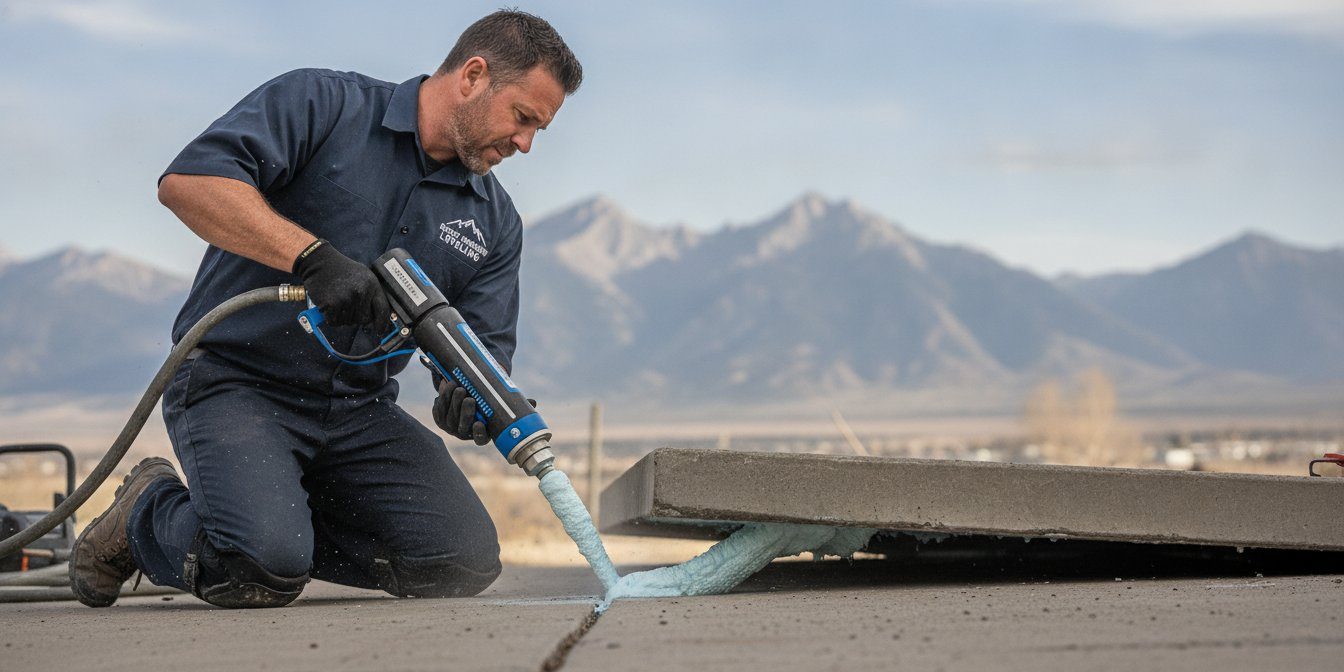
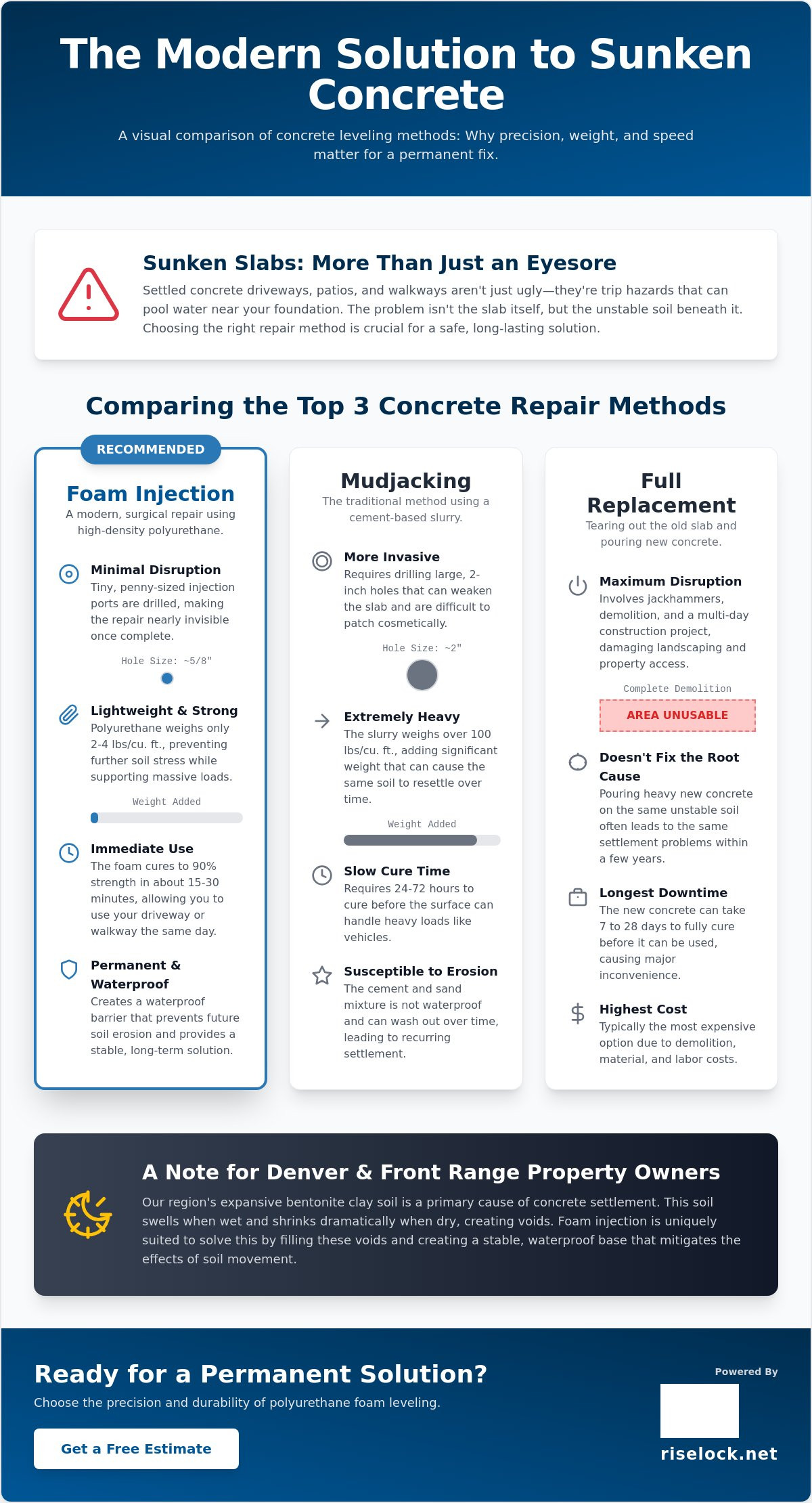
Modern engineering favors this approach because of its surgical execution. Traditional mudjacking, which requires drilling large, two-inch holes that can weaken the slab’s integrity, is becoming obsolete. In contrast, foam injection concrete leveling uses tiny, penny-sized injection ports. These small entries are much less disruptive to the concrete’s surface and are virtually invisible once the project is complete. It’s a cleaner, more refined way to restore structural balance to a property without the mess of a construction site.
The process begins with a two-part liquid polymer. When these components meet beneath the concrete, they initiate a chemical reaction that transforms the liquid into a rigid, structural foam. This expansion is powerful enough to lift heavy slabs back to their original grade with millimeter precision. Because the material is waterproof, it won’t wash away or erode over time, providing a permanent fix that traditional sand and cement mixtures simply can’t match.
The Science of Expansion and Lift
The transformation from liquid to solid is driven by a controlled exothermic reaction. As the components mix, they rapidly expand, seeking out the path of least resistance to fill every microscopic void and crevice in the subsoil. This ensures that the entire slab is supported by a uniform, stable base rather than just a few points of contact. Hydrostatic pressure in this context refers to the uniform force exerted by the expanding foam as it builds enough strength to lift a concrete slab weighing 10,000 pounds or more.
Key Applications for Residential and Commercial Properties
This technology is versatile enough for almost any concrete surface. In residential settings, it’s the preferred choice for driveways, patios, and pool decks where aesthetics and speed are vital. Understanding what causes sunken concrete driveway issues is the first step toward choosing the right stabilization method. By addressing the soil failure directly, homeowners can avoid the recurring costs of temporary patches.
Commercial facilities benefit from the minimal downtime associated with this method. Warehouse floors, loading bays, and high-traffic parking lots can return to full service within minutes of the injection. This efficiency prevents the massive operational losses that occur when a facility has to shut down for a full concrete replacement. For businesses undergoing larger renovations, you can visit RPS Building Services to learn about specialized construction cleaning that ensures a smooth transition back to daily operations. Whether it’s a small walkway or a massive industrial floor, the goal remains the same: a level, safe, and stabilized surface.
The Engineering Advantages of High-Density Polyurethane
The material used in foam injection concrete leveling is a high-density, structural-grade polymer specifically engineered to solve subsoil instability. One of its most significant advantages is its extreme lightweight profile, typically weighing only 2 to 4 pounds per cubic foot. This is a critical factor in restoration because it adds negligible weight to already stressed subsoils. Traditional cement-based slurries can weigh over 100 pounds per cubic foot, which often inadvertently triggers secondary settlement by overloading the ground. Despite this low density, the material exhibits impressive compressive strength. According to ASTM D1621-16(2023) standards, these structural foams can achieve strengths of 50 to 100 PSI, providing more than enough support for heavy vehicle traffic on driveways or industrial loading bays. For a comprehensive breakdown of how these materials perform under real-world conditions, the definitive guide to high density foam concrete lifting covers the full spectrum of structural polyurethane applications and material science.
Beyond its load-bearing capacity, the foam is naturally impermeable. Once it expands and cures, it creates a permanent water barrier that prevents future erosion by blocking the pathways where water typically flows under a slab. It’s also environmentally inert, meaning it won’t leach chemicals into the surrounding soil or groundwater. For modern residential and commercial properties, this method is especially safe. The small injection ports used in foam injection concrete leveling allow technicians to work with extreme precision, ensuring they don’t damage internal post-tension installation cables. This preserves the structural tension of the slab while restoring its level grade.
Durability and Lifespan of Polyurethane Foam
Structural foam doesn’t shrink, crack, or wash away over time. Because the material is a closed-cell polymer, it remains stable for decades, often outlasting the concrete slab itself. During the injection process, the foam’s expansion also serves to compact the existing loose soil, creating a denser, more reliable foundation. This dual-action approach of filling voids while strengthening the base ensures a long-term solution rather than a temporary patch. If you’re seeing signs of settlement, seeking a professional concrete repair specialist can prevent further structural degradation.
Speed of Restoration and Minimal Downtime
Efficiency is a hallmark of this technology. The liquid polymer reaches full load-bearing capacity within 15 to 30 minutes of injection. In comparison, a traditional concrete re-pour requires several days to cure before it can handle weight, and mudjacking often demands a 24 to 48-hour waiting period. This rapid turnaround is why it’s the preferred choice for Denver businesses that need to maintain operations without lengthy closures. Most surfaces are ready for full use before the technicians even leave the site, reflecting the technical mastery required for modern restoration.
Foam Injection vs. Mudjacking vs. Replacement
Choosing the right restoration method requires a clear understanding of how each approach affects your property’s long-term stability. Property owners often feel caught between the high cost of replacement and the perceived savings of traditional mudjacking. However, foam injection concrete leveling has emerged as the modern standard because it balances structural performance with aesthetic preservation. While full replacement is sometimes necessary, leveling is typically 50% to 70% more cost-effective. It allows you to keep your original concrete, avoiding the mismatched colors and textures that occur when a single new slab is poured next to weathered surfaces.
The “mess factor” is a significant differentiator between these methods. Traditional mudjacking relies on a heavy slurry of water, dirt, and cement, which is pumped through large, two-inch holes. These entry points are difficult to patch discreetly and often leave permanent scars on your driveway or patio. In contrast, polyurethane injection uses penny-sized ports that are easily sealed and textured to match the surrounding area. Beyond the visual impact, weight plays a decisive role. Mudjacking adds 100 pounds or more per cubic foot to the subsoil. This massive increase in weight often causes the ground to compress further, leading to secondary sinking and a repeat of the original problem.
When to Level and When to Replace
Precision repair isn’t a universal fix for every slab. If your concrete exhibits “spiderweb” cracking, where dozens of small fractures intersect across the surface, the material itself has likely reached the end of its structural lifespan. In these cases, replacement is the only viable path. A helpful guideline is the “Rule of Three.” If a slab is broken into three major pieces or fewer, it can usually be successfully salvaged and stabilized. We evaluate whether the concrete is still structurally sound; if the failure is purely a result of soil settlement rather than concrete degradation, leveling is the superior choice.
The Hidden Costs of Traditional Mudjacking
While mudjacking may have a lower initial price point, its long-term failure rate in wet environments often makes it more expensive over time. The organic materials used in the slurry can wash away during heavy rain or snowmelt cycles, leaving the slab unsupported once again. This leads to the “cost of doing it twice,” as property owners eventually have to pay for a more permanent solution. When evaluating these options, understanding the technical nuances of polyurethane concrete lifting helps property owners make an informed choice that prioritizes permanent stability over a temporary patch.
Solving Concrete Settlement in Denver and the Front Range
The geological landscape of the Front Range requires a specialized approach to structural restoration. In cities like Denver, Aurora, and Castle Rock, the soil contains high concentrations of bentonite, an expansive clay that physically changes volume based on moisture content. When it rains or snows, this clay swells, exerting massive upward pressure on concrete slabs. Conversely, during Colorado’s dry spells, the soil shrinks, leaving behind large voids that cause the concrete to settle and crack under its own weight. Foam injection concrete leveling provides a stable, non-reactive buffer between the slab and these shifting soils, effectively neutralizing the cycle of expansion and contraction that destroys traditional repairs. For a deeper understanding of how these volatile soil conditions affect your property, our definitive guide to concrete slab lifting in Colorado examines the specific soil mechanics of the Front Range and the most reliable restoration methods available.
This stability is particularly valuable in Boulder and Colorado Springs, where varying elevations and rocky terrain can lead to uneven drainage patterns. High-density polyurethane doesn’t just lift the slab; it fills the underground cavities created by these environmental stressors. By creating a solid foundation that is immune to the movement of bentonite, we ensure that the restoration survives the unique demands of the Colorado landscape. It’s a technical solution designed for a technically challenging environment.
The Impact of Colorado’s Climate on Concrete
The Front Range is famous for rapid temperature swings, often fluctuating 40 or 50 degrees in a single day. These shifts cause the ground to expand and contract at a rate that traditional cement slurries can’t accommodate. Spring runoff further complicates the issue as melting snow penetrates the sub-base, washing away loose sediment and leaving slabs unsupported. The material’s rigid, closed-cell structure remains completely unaffected by the extreme moisture cycles and saturation levels common during Colorado’s heavy spring snowmelt. This ensures that once the slab is leveled, it won’t be compromised by the next season’s weather patterns.
Local Regulations and Trip Hazard Compliance
Municipalities like Lakewood and Arvada have strict requirements regarding sidewalk maintenance and ADA compliance. A vertical displacement of even a half-inch can constitute a legal liability and a significant safety risk for pedestrians. Denver property managers frequently prioritize polyurethane restoration because it offers a rapid, quiet solution to these liability issues without the disruption of a full construction crew. Utilizing professional foam concrete lifting allows for precise adjustments that meet local safety standards in a fraction of the time required for replacement. If you’re concerned about shifting soil on your property, you can schedule a structural assessment to identify the best path forward for your specific location.
Why Precision Matters: The RiseLock Concrete Lifting Approach to Foam Leveling
Structural restoration is as much a science as it is a craft. While the technology behind foam injection concrete leveling is powerful, the success of the repair depends entirely on the technical mastery of the technician. At RiseLock Concrete Lifting, we approach every project with a commitment to quiet authority and professional reliability. We don’t just aim to lift a slab; we aim to stabilize the entire structural environment. This starts with the selection of professional-grade, high-density polyurethane. Not all foams are equal; we utilize materials that meet rigorous ASTM standards for compressive strength and density to ensure the lift remains permanent under the heaviest loads.
Our background in post-tension installation provides a unique advantage that generic contractors often lack. We understand the internal mechanics of a concrete slab, specifically the location and vulnerability of high-tension steel cables. During the injection process, we use specialized equipment to monitor the slab’s reaction in real time, ensuring that the expansion of the foam never compromises these critical structural components. This level of care transforms a standard repair into a high-precision intervention that preserves the long-term integrity of your property.
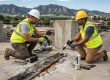
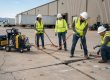
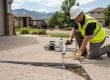
When you schedule a service call with RiseLock Concrete Lifting, you can expect a methodical progression of work. It begins with a thorough subsurface survey to identify the exact location of voids. We then drill our penny-sized injection ports in a strategic pattern designed to maximize coverage while minimizing surface impact. Once the injection is complete and the slab is stabilized, we patch the ports with color-matched mortar and conduct a final site cleanup. The result is a level, safe surface that looks as though it was never damaged in the first place.
Technical Mastery in Structural Reinforcement
Precision is our primary metric for success. We utilize advanced laser levels during the injection process to monitor the lift to within 1/10th of an inch. This accuracy is vital because balancing the lifting force of the expanding polymer against the dead weight of the concrete requires a deep understanding of structural physics. Over-lifting a slab can be just as damaging as under-lifting it. Our expertise in both concrete repair and post-tension systems allows us to manage these forces with a degree of control that ensures a perfectly flush finish every time.
Ready for a Permanent Solution?
Choosing high-density foam over temporary patches is an investment in your property’s future. While it’s tempting to delay repairs, addressing sinking concrete early prevents minor settlement from turning into unrepairable structural failure. By stabilizing the soil now, you eliminate trip hazards, restore drainage patterns, and protect your foundation from the invasive moisture cycles common in Colorado. If you’re ready to secure your surfaces with a modern, surgical solution, contact RiseLock Concrete Lifting today for a professional structural survey in the Denver metro area. We’re here to provide the technical expertise and peace of mind your property deserves.
Restore Structural Balance to Your Concrete Surfaces
Restoring a sunken driveway or patio doesn’t have to involve the noise and waste of a full replacement project. By utilizing high-density polyurethane technology, you can address the root cause of settlement, subsurface soil voids, without adding unnecessary weight to the ground. This method provides a cleaner, faster, and more durable result than traditional mudjacking, especially in the challenging expansive soils found throughout Denver and the Front Range. Selecting foam injection concrete leveling ensures your property remains safe, level, and compliant with local safety standards for decades to come.
At RiseLock Concrete Lifting, we combine our specialized post-tension mastery with advanced structural foams to deliver results that prioritize your property’s long-term security. Our technical approach ensures that every lift is executed with surgical precision, protecting the internal integrity of your slabs while providing a permanent solution to settlement issues. If you’re ready to move past the stress of trip hazards and foundation concerns, we’re here to guide you through the restoration process. Request Your Professional Concrete Survey from RiseLock Concrete Lifting today to secure your investment with the modern standard of slab repair. We look forward to helping you restore the safety and value of your property.
Frequently Asked Questions
Is foam injection concrete leveling permanent?
Polyurethane foam is a stable, closed-cell polymer that doesn’t break down, shrink, or wash away over time. Unlike traditional organic fill materials, it remains structurally sound regardless of moisture levels in the soil. While the foam itself is permanent, the longevity of the repair also depends on addressing external factors like proper drainage to prevent new soil erosion around the stabilized area.
How much does foam injection concrete leveling cost compared to replacement?
Choosing restoration over a full tear-out and re-pour typically saves property owners between 50% and 70% of the total project cost. Replacement involves significant labor for demolition, disposal fees, and the cost of new materials. In contrast, foam injection concrete leveling utilizes the existing slab, making it a financially responsible choice that provides high-performance results without the high price of new construction.
Can you use foam injection on a post-tension slab foundation?
This method is safe for post-tension slabs when performed by technicians who understand structural reinforcement. Because the injection ports are only the size of a penny, the risk of intersecting a high-tension cable is significantly lower than with traditional mudjacking. Our specialized background in post-tension installation ensures that we maintain the structural integrity of the slab while accurately restoring its level grade.
How long does it take for the foam to dry and be ready for cars?
The material reaches approximately 90% of its full compressive strength within 15 minutes of injection. In most residential and commercial applications, the surface is ready for foot traffic immediately and can support heavy vehicle loads within 30 minutes. This speed is a primary advantage over a new concrete pour, which requires several days of curing before it can handle weight.
Is the foam used for concrete lifting environmentally friendly?
Modern structural foams are environmentally inert once they’ve fully cured beneath the slab. They don’t leach chemicals into the surrounding soil or groundwater. Many industry-leading formulations are manufactured using recycled materials and utilize blowing agents with low global warming potential. This ensures that the stabilization of your property doesn’t come at the expense of local environmental health.
What is the difference between polyjacking and mudjacking?
The primary difference lies in the material weight and the size of the injection holes. Polyjacking uses a lightweight structural foam that weighs about 2 to 4 pounds per cubic foot, while mudjacking uses a heavy slurry weighing over 100 pounds. Additionally, polyjacking requires much smaller entry holes, which results in a cleaner aesthetic finish and less structural disruption to the concrete itself.
Will foam injection fix the cracks in my concrete slab?
The lifting process often brings cracked sections back into alignment, which can significantly narrow or close existing gaps. However, the foam is a lifting and stabilization agent, not a bonding adhesive for the concrete surface. While the slab will be level and supported, we recommend applying a professional-grade sealant to the cracks afterward to prevent water from entering the sub-base. For those looking to fully restore their home’s exterior, read more about professional cleaning and maintenance for roofs and decks.
Can foam injection be done in the winter in Colorado?
Restoration can often proceed during the winter months provided the ground isn’t frozen too deeply to allow for proper material expansion. The chemical reaction that creates the foam generates its own heat, allowing it to cure effectively even in cooler temperatures. This flexibility is essential for Colorado property owners who need foam injection concrete leveling to address safety hazards before the spring melt begins.