
Could the solution to a sinking pool deck be as simple as a series of small, penny-sized holes? For many homeowners, the sight of a shifting concrete slab is more than just an eyesore; it’s a liability that threatens the safety of every guest who walks near the water. You likely recognize the stress of watching water pool in the wrong places or worrying about a family member tripping on a jagged edge. It’s natural to feel that a massive, messy demolition project is the only way to restore the beauty and function of your outdoor space.
The reality is that uneven pool deck repair Denver has evolved beyond the invasive techniques of the past. This guide explains how high-density polyurethane injection provides a sophisticated, surgical approach to concrete lifting that stabilizes your soil without the weight of traditional materials. You’ll learn how this modern method addresses the root cause of settlement in Colorado’s expansive soils. We also detail the process that allows your pool area to be fully functional just minutes after the work is complete. Discover how precision engineering can return your peace of mind and protect your property investment for the long term.
Key Takeaways
- Understand how Denver’s expansive bentonite clay soils and moisture changes create the specific conditions that lead to structural settlement under your deck.
- Learn why high-density polyurethane foam is a superior alternative to heavy mudjacking materials, providing a lightweight lift that avoids triggering secondary sinking.
- Discover the critical link between uneven slabs and the integrity of your pool’s plumbing and coping seals, helping you prevent costly underground damage.
- Explore the modern process for uneven pool deck repair Denver homeowners use to restore level surfaces without the noise, dust, or delays of traditional demolition.
- See how non-invasive injection techniques preserve your existing landscaping and allow for near-immediate use of the pool area following the restoration.
Why Pool Decks Sink: The Denver Soil Challenge
Pool deck settlement is the vertical movement of concrete slabs caused by subgrade instability. While concrete is a remarkably durable material, its structural integrity is entirely dependent on the soil supporting it from below. When that foundation shifts, the concrete inevitably follows, leading to the cracks and misalignments that necessitate uneven pool deck repair Denver. In our region, this instability isn’t usually the result of poor construction. Instead, it’s a direct consequence of the complex geological conditions found throughout the Front Range.
Soil erosion and the local climate work together to undermine your outdoor living space. Pool water splash-out and improper drainage often accelerate this process by allowing moisture to seep beneath the slab. As water moves through the subgrade, it washes away the fine particles of soil that provide critical support. This creates hidden voids. Colorado’s intense freeze-thaw cycles further complicate the issue. When moisture trapped in these voids freezes, it expands with immense force, only to leave behind an even larger gap once it thaws. Over time, the heavy concrete slab loses its footing and sinks into these empty spaces.
The Role of Expansive Clay in the Front Range
The primary culprit behind sinking concrete in Denver is bentonite clay. This expansive soil reacts to moisture like a giant, underground sponge. During our heavy spring rains, the clay absorbs water and swells, exerting upward pressure on your pool deck. As the semi-arid summer heat returns, the soil loses that moisture and shrinks significantly. This constant “heaving” and “shrinking” cycle creates a volatile environment where traditional fill dirt simply cannot remain stable. Because the soil is always in motion, the concrete slabs eventually settle at different rates, creating the jagged edges and dangerous slopes that homeowners find so frustrating.
Signs Your Pool Deck Needs Immediate Attention
Identifying the early stages of settlement can prevent more significant structural damage to your pool’s filtration system and coping. You should monitor your deck for these specific indicators of subgrade failure:
- Trip Hazards: Vertical offsets where two slabs meet, often occurring where the deck connects to the pool coping.
- Radiating Cracks: Fractures that seem to originate from high-stress areas like the skimmer box or decorative pillars.
- Hollow Sounds: A distinct “drum-like” noise when walking over certain sections, indicating a void has formed beneath the concrete.
- Water Pooling: Areas where water no longer drains away from the pool, but instead sits in stagnant puddles near the edge.
Ignoring these signs often leads to “shear stress” on the PVC plumbing lines buried beneath the deck. If a slab sinks too far, it can snap these pipes, turning a surface-level concrete issue into an expensive mechanical repair. Addressing the problem early with specialized stabilization is the most ethical and cost-effective way to protect your property.
The Science of Polyurethane Concrete Lifting
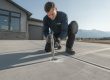
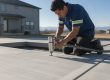
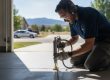
The process of uneven pool deck repair Denver relies on the precise application of high-density polyurethane. Unlike older methods that move large volumes of heavy material, this technique uses a chemical reaction to achieve elevation. Technicians inject the liquid components through holes no larger than a penny. Once below the surface, the material expands rapidly. This expansion fills every hidden void in the subgrade before exerting a controlled, upward force that levels the concrete slab with mathematical accuracy.
One of the most significant technical advantages of this material is its density. Polyurethane foam is incredibly lightweight, typically adding less than 5 pounds per cubic foot to the soil. This is vital in Denver, where adding heavy weight to expansive clay can actually trigger more settlement. Additionally, the foam is hydrophobic. It doesn’t just fill gaps; it creates a waterproof barrier that prevents future erosion from pool splash-out or heavy rain. This chemical reaction results in a stable, long-lasting foundation that resists the environmental pressures of the Front Range.
How Polyurethane Stabilizes Denver Subgrades
The stabilization process follows a methodical three-step sequence: drill, inject, and level. Because the foam is a closed-cell polymer, it doesn’t wash away or break down when exposed to moisture. This is a common failure point for traditional mudjacking, which uses a sand and cement slurry that can eventually erode or shrink. The compressive strength of high-density foam ensures it can easily support the weight of heavy patio furniture and constant foot traffic. For homeowners seeking a permanent fix, understanding the technical benefits of polyurethane concrete lifting is the first step toward a stable outdoor space.
Speed and Cleanliness in the Pool Area
Precision is the hallmark of modern foam lifting. The equipment footprint is minimal, usually consisting of a single hose pulled from a specialized truck. This prevents the heavy machinery damage often associated with full concrete replacement. There is no dust, no jackhammering, and no piles of debris left behind to clog your pool’s filtration system. Perhaps most impressively, the cure time is nearly instantaneous. While new concrete takes days to harden, polyurethane reaches 90% of its full strength within minutes. This efficiency makes it the preferred method for uneven pool deck repair Denver, allowing you to walk on your deck or even host a gathering just 15 minutes after the injection is complete.
Foam Injection vs. Mudjacking vs. Replacement
Homeowners facing structural settlement often find themselves at a crossroads between three distinct solutions: mudjacking, full replacement, or modern foam injection. Each method carries different implications for your property’s value and the long-term stability of your pool area. Selecting the correct approach for uneven pool deck repair Denver requires an understanding of how these materials interact with the local environment. While replacement might seem like a fresh start, and mudjacking like a budget-friendly fix, they often introduce new complications that polyurethane concrete lifting avoids.
Why Mudjacking Often Fails in Colorado
Mudjacking is a legacy technique that relies on a heavy mixture of sand, water, and cement. This slurry is pumped under the concrete to fill voids. The sheer weight of this material is its primary flaw when applied to Denver’s expansive clay. A single repair can add thousands of pounds of additional stress to an already unstable subgrade, which frequently triggers secondary sinking. Additionally, mudjacking requires large, two-inch injection holes. These leave noticeable, circular scars across your decorative pool deck that are difficult to hide. Because the slurry isn’t waterproof, it remains susceptible to the same erosion and washout that caused the initial settlement.
The True Cost of Concrete Replacement
Many people assume that tearing out and repouring is the most thorough solution, but the “true cost” extends far beyond the initial quote. Full replacement is typically two to three times more expensive than stabilization. This process involves days or even weeks of demolition, haul-away, and curing time. It effectively closes your pool during the height of the season. There’s also a significant aesthetic risk. Matching the color and texture of new concrete to an existing deck is nearly impossible. This often results in a patchy, mismatched appearance. Perhaps most concerning is the risk of accidental damage to underground PVC plumbing lines during the heavy demolition phase.
Polyurethane concrete lifting offers a superior return on investment by preserving your existing slabs and avoiding the risks of heavy machinery. The material is chemically inert, meaning it won’t leach harmful chemicals into your pool water or the surrounding soil. By choosing a lightweight, waterproof solution, you address the structural problem without compromising the delicate balance of your backyard oasis. This modern intervention provides a permanent fix that respects both your budget and your landscape.
Protecting Your Pool’s Structural Integrity
Structural damage to a pool often begins at the perimeter, where the concrete deck meets the pool’s edge. While many homeowners view shifting slabs as a primarily cosmetic nuisance, these movements exert significant physical pressure on the pool’s most sensitive components. Effective uneven pool deck repair Denver must account for the mechanical interplay between the heavy concrete and the delicate PVC plumbing and coping stones. When a slab sinks, it doesn’t just move in isolation; it pulls on everything attached to it, often with enough force to cause catastrophic failure of the pool’s water-tight systems.
One of the most dangerous consequences of settlement is “slab walk” or lateral shifting. As slabs tilt toward or away from the pool, they can exert lateral pressure against the pool shell itself. In some cases, this pressure is enough to cause structural cracks in the gunite or tile line. By utilizing high-density foam to stabilize the subgrade, you effectively lock the slabs in place. This prevents the slow migration of concrete that eventually threatens the very vessel holding your pool water. Precision restoration ensures that the deck remains a protective barrier rather than a structural liability.
Coping and Skimmer Box Alignment
The transition point between the deck and the pool coping is protected by a flexible expansion joint. When settlement occurs, the sinking slab pulls away from the coping, snapping this water-tight seal. These open gaps allow splash-out and rainwater to pour directly into the subgrade, saturating the soil and accelerating the erosion process. This often leads to the misalignment of the skimmer box, which is frequently encased in or attached to the deck. If the deck sinks, it can crack the skimmer throat or pull it away from the pool wall. Leveling the concrete early prevents these expensive mechanical repairs and restores the flush, seamless look of your pool’s edge.
Drainage and Water Management
Gravity is the primary tool for managing water on a pool deck. Standard construction includes a subtle pitch designed to guide water away from the pool and toward dedicated drains or landscaping. Settlement often creates a “negative pitch,” where water flows back toward the pool or collects in stagnant puddles. These puddles create slip hazards and can lead to salt or chemical staining on decorative concrete finishes. Professional leveling restores the designed slope, ensuring your drainage system functions as intended. If you’ve noticed water pooling near your pool’s edge, it’s time to schedule a professional assessment for polyurethane concrete lifting to correct the pitch and protect your subgrade. Once the slabs are level, re-caulking the joints provides the final layer of protection against future moisture intrusion.
RiseLock: Denver’s Expert in Pool Deck Restoration
RiseLock approaches structural restoration with a focus on technical mastery and long-term security. We understand that a pool is a significant property investment, and our team provides specialized polyurethane concrete lifting designed specifically for the unique geological challenges of the Front Range. While other providers might offer surface-level adjustments, we prioritize the foundational stabilization of your concrete slabs. Our method addresses the subgrade voids mentioned earlier in this guide, ensuring that your deck remains level and safe for years to come.
The RiseLock process is entirely non-invasive. We respect the “backyard oasis” environment you’ve worked hard to create. Because our equipment footprint is minimal and our injection holes are small, we preserve your landscaping and existing deck finishes. From the initial inspection to the final stabilization, our work is characterized by the quiet authority of experts who view your property’s integrity as a personal priority. We serve homeowners and commercial property managers across the entire Front Range, providing reliable uneven pool deck repair Denver residents can trust from Fort Collins down to Colorado Springs.
Our Specialized Local Approach
Our technicians possess deep knowledge of local soil conditions in specific neighborhoods, including Highlands Ranch, Cherry Creek, and Aurora. This localized expertise allows us to anticipate how bentonite clay will behave on your specific lot. Whether we’re working on a private residential pool or a large-scale commercial aquatic center, we apply the same high standards of precision. We don’t believe in quick fixes. Our ethical commitment means we only recommend solutions that provide genuine, long-term structural value rather than temporary cosmetic patches.
Start Your Restoration Today
Restoring your outdoor space begins with a thorough, professional site evaluation. This assessment is critical for successful concrete leveling, as it allows our experts to map out the specific void locations and plumbing routes beneath your deck. During a RiseLock consultation, you can expect a transparent explanation of the technical requirements for your repair and a clear plan for stabilization. We take the time to answer your questions and ensure you understand the “why” behind our precision methods. Don’t let settlement issues compromise your summer or lead to more expensive plumbing failures. Request a free estimate for your pool deck repair and take the first step toward a level, safe, and beautiful pool area.
Secure Your Outdoor Investment for the Long Term
Maintaining a level pool deck is an essential part of property stewardship in Colorado. As we explored, the geological pressure of bentonite clay requires a solution that is both lightweight and structurally sound. High-density polyurethane provides this balance, offering a waterproof barrier that stabilizes the subgrade without the destructive weight of mudjacking or the high cost of replacement. By addressing settlement early, you protect your pool’s plumbing and coping from the shear stress of shifting concrete.
At RiseLock, we specialize in the specific techniques required for uneven pool deck repair Denver homeowners need to preserve their backyard oasis. Our non-invasive process ensures your landscaping remains undisturbed. Because the material cures nearly instantly, you’ll be ready to swim just minutes after the injection is complete. Choosing a precision-engineered approach means you’re investing in the longevity and safety of your home.
Restore Your Pool Deck with RiseLock Precision and enjoy the peace of mind that comes with a stable, professional restoration. We look forward to helping you reclaim the full value of your outdoor space.
Frequently Asked Questions
Is polyurethane pool deck repair safe for my pool water?
High-density polyurethane is safe for pool environments because it becomes chemically inert once it cures. It won’t leach harmful substances into your pool water or the surrounding landscaping. This stability makes it an ideal choice for sensitive aquatic areas where maintaining water quality is a top priority for your family and guests.
How long does the concrete lifting process take for a standard deck?
A typical project usually takes between two and four hours to complete from start to finish. One of the primary benefits of this method is the rapid cure time of the material. Your deck is ready for full weight and foot traffic just 15 minutes after the final injection is performed, meaning there’s almost no downtime for your pool area.
Will the injection holes be visible after the repair is finished?
The injection holes are approximately the size of a penny and are professionally patched with a concrete mixture to blend with your existing surface. While the patches may be visible initially, they weather over time to match the surrounding texture. This approach is significantly less noticeable than the large, two-inch holes required by traditional mudjacking techniques.
Can you lift a pool deck that has settled more than 2 inches?
Polyurethane injection is capable of lifting slabs that have settled several inches with extreme precision. The material expands with enough force to lift heavy concrete while allowing technicians to monitor the elevation in real-time. This makes it an effective solution for significant settlement issues caused by the shifting soils found throughout the Front Range.
How much does uneven pool deck repair cost in Denver compared to replacement?
Choosing uneven pool deck repair Denver homeowners often find is far more economical than the alternative of full demolition and replacement. By preserving your existing slabs, you avoid the high costs associated with debris removal, new concrete pouring, and extended labor. It’s a strategic investment that restores property value without the massive price tag of a new construction project.
Does the polyurethane foam handle the weight of a hot tub on the deck?
High-density foam is engineered to support substantial loads, including the weight of a fully occupied hot tub. The material’s high compressive strength ensures it won’t compress or shift under the localized pressure of heavy, water-filled structures. This structural reliability is a key reason why specialized foam is preferred for modern deck restoration and stabilization.
Will the foam wash away if my pool leaks again?
The foam is hydrophobic, meaning it won’t wash away or degrade even if it’s exposed to standing water or a future pool leak. Unlike sand-based slurries used in mudjacking, polyurethane creates a permanent, waterproof barrier that remains stable in wet conditions. It actually helps protect the subgrade from further erosion by sealing off existing voids beneath the slab.
What is the best time of year in Colorado to perform concrete leveling?
Concrete leveling can be performed in Colorado whenever the ground isn’t frozen and daytime temperatures are above freezing. While many residents schedule repairs during the spring and summer, the process is effective late into the fall. Addressing settlement before the winter freeze-thaw cycle begins is often the best way to prevent more significant structural damage during the colder months.