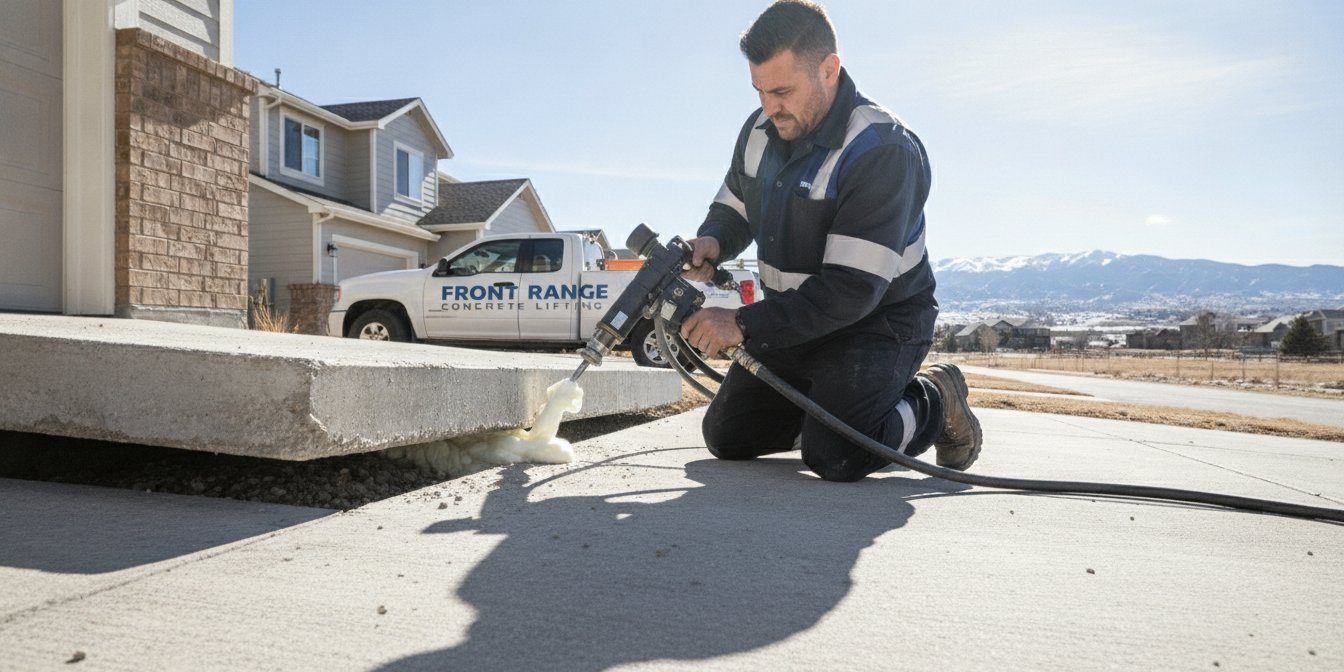
What if the structural failure of your driveway isn’t a sign that the concrete is low quality, but that the ground beneath it has simply reached its limit? In Denver, homeowners often face the stress of trip hazards at the garage entrance and water pooling near the foundation, assuming a costly total replacement is inevitable. It’s a common concern, especially when you consider that the expansive clay soils along the Front Range can exert up to 30,000 pounds of pressure per square foot against your home’s infrastructure.
The good news is that you don’t have to start from scratch to regain a level, safe surface. This guide explains how specialized sunken driveway repair in Denver utilizes modern polyurethane lifting to provide permanent stabilization. We’ll detail the technical advantages of high-density foam, how it addresses Denver’s unique soil challenges, and why this precision method allows you to return to full driveway use on the very same day. By focusing on soil stabilization rather than just a surface fix, you can secure your property’s value and long-term structural integrity.
Key Takeaways
- Understand how Denver’s expansive bentonite clay and semi-arid climate create the subsurface voids that lead to concrete settlement.
- Learn why high-density polyurethane is the superior choice for sunken driveway repair denver compared to the excessive weight of traditional mudjacking.
- Discover the precision of foam concrete lifting and how strategic port drilling restores your surface with minimal visual impact.
- Identify the critical safety requirements for working with post-tension slabs to protect your home’s structural integrity during repair.
- Evaluate the long-term ROI of professional leveling and the specific maintenance steps that prevent future soil erosion and sinking.
Understanding Why Denver Driveways Sink: The Soil Factor
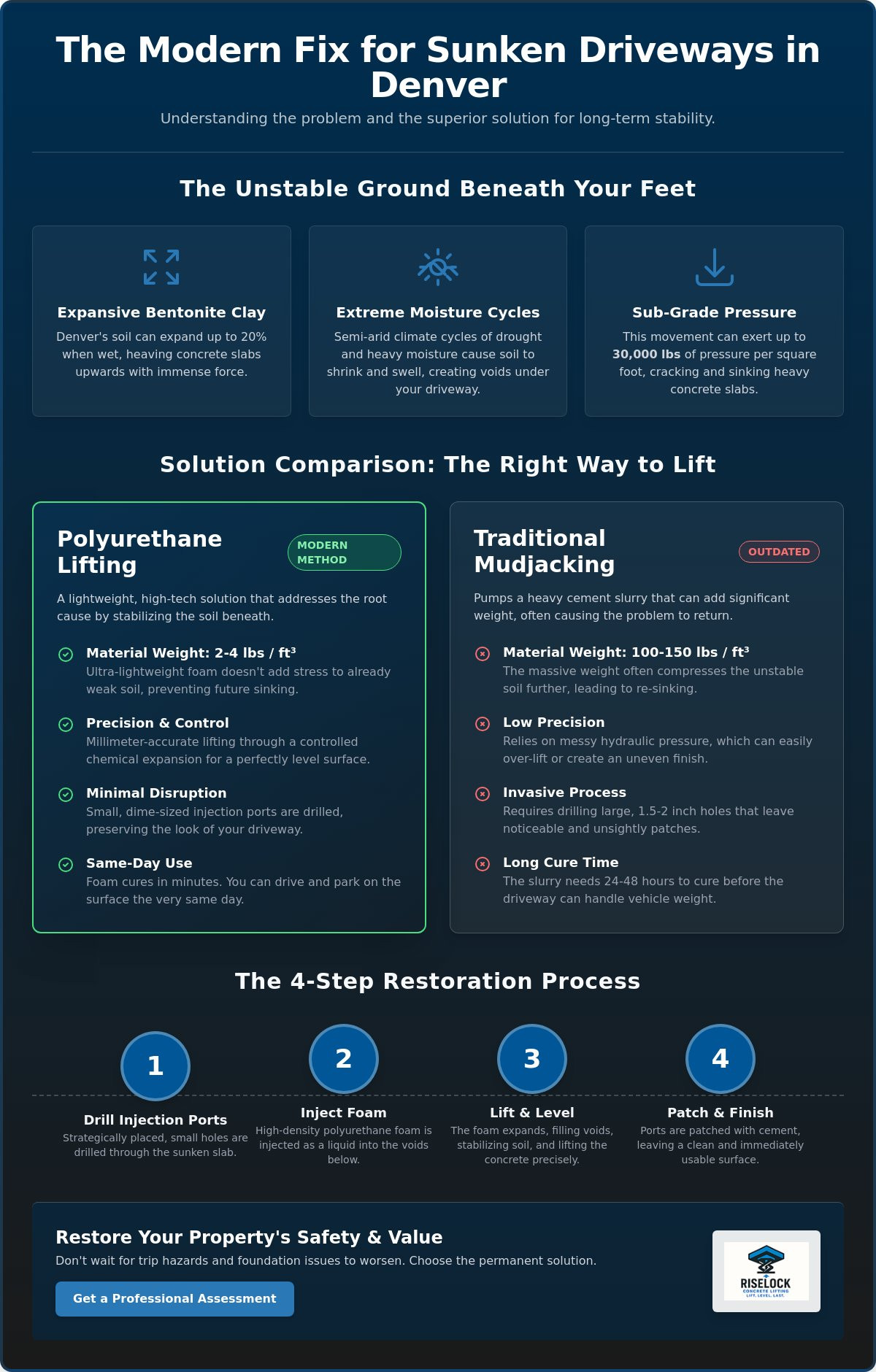
Denver’s geological profile presents a unique challenge for residential infrastructure. The primary culprit behind concrete failure in the Front Range is bentonite, an expansive clay soil that reacts aggressively to moisture. These clay soils are known to expand by as much as 20% when they become saturated. This movement exerts immense force, often reaching up to 30,000 pounds of pressure per square foot against the underside of your driveway. When the soil swells, it heaves the concrete; when it dries, it shrinks and leaves the slab unsupported.
Colorado’s semi-arid climate accelerates this process. Long periods of drought followed by heavy snowmelt or spring rain create a cycle of extreme soil volume changes. This instability is why many homeowners eventually seek professional concrete leveling to restore their property. Without a stable foundation, the heavy concrete slabs used in modern driveways simply cannot maintain their position. The freeze-thaw cycle further complicates matters, as ice crystals expanding in the soil pores push the concrete upward before leaving a void once the temperature rises.
Effective sunken driveway repair denver requires an understanding that the surface crack is rarely the root problem. Instead, the focus must be on the subterranean environment. When a driveway begins to pull away from the garage threshold, it indicates that the sub-grade has moved significantly. This “lip” formation is a structural warning sign that the soil is no longer capable of distributing the weight of the slab and the vehicles parked upon it.
The Science of Soil Subsidence in the Front Range
Soil moisture fluctuations act like a slow-motion hydraulic system beneath your feet. Voids are pockets of air created when soil washes away or shrinks during dry seasons. These gaps undermine the weight distribution of the driveway, leading to localized failure points. Hydrostatic pressure is the force exerted by water trapped in the soil against the concrete slab, which often causes the material to shift or tilt as the water seeks a path of least resistance. When these voids become too large, the concrete’s own weight causes it to snap, resulting in the deep cracks and sunken sections common in Denver neighborhoods.
Identifying the Signs of Driveway Settlement
Homeowners should distinguish between differential settlement and uniform sinking. Differential settlement occurs when one section of the slab drops while another remains stationary, creating dangerous trip hazards and uneven joints. Cracking patterns that radiate from the center of a slab or run parallel to the garage door often indicate a total sub-grade failure. The “Garage Lip” problem is perhaps the most urgent sign of trouble. A drop of just one to two inches at the garage entrance isn’t just an aesthetic issue; it’s a major safety risk and a sign that water is likely being funneled toward your home’s foundation rather than away from it.
Precision Polyurethane vs. Traditional Mudjacking
Choosing the right methodology for sunken driveway repair denver requires a clear understanding of the technical differences between traditional and modern techniques. For decades, mudjacking was the primary solution for settled concrete. This process involves pumping a heavy slurry of sand, soil, and cement under the slab. While it provides an immediate lift, the sheer mass of the material often works against the fragile stability of the Front Range terrain. Modern polyurethane concrete lifting has largely superseded this approach by prioritizing precision and weight management. The same polyurethane technology that restores residential driveways is also the foundation of commercial concrete leveling, where minimizing operational downtime is equally critical.
The primary advantage of polyurethane foam is its exceptional strength-to-weight ratio. Traditional mudjacking slurries can weigh between 100 and 150 pounds per cubic foot. When this heavy material is injected into the expansive soils in Colorado, it often causes further compression of the underlying clay. In contrast, high-density polyurethane weighs only two to four pounds per cubic foot. It provides the necessary lift without the “weight penalty” that leads to secondary sinking. It’s a more logical approach for long-term stabilization.
Technical mastery in driveway restoration is defined by precision. Polyurethane injection allows for millimeter-accurate control during the lifting process. Because the foam expands predictably through a controlled chemical reaction, technicians can stop the lift at the exact moment the slab reaches its original grade. Mudjacking relies on the hydraulic pressure of a thick liquid, which is far more difficult to manage and often results in over-lifting or uneven surfaces. If you’re dealing with a complex settlement issue, consulting a specialist for professional concrete leveling ensures that the restoration is handled with this level of technical accuracy.
Why High-Density Foam is the Modern Standard
The closed-cell structure of industrial-grade polyurethane is what makes it so effective for driveway repair. Once injected, the material expands to fill 100% of the void space beneath the concrete, creating a solid, waterproof base. This hydrophobic nature is critical in Denver. Unlike cement-based slurries that can erode or wash away during heavy spring snowmelt, polyurethane is inert and remains unaffected by moisture. It won’t shrink over time, ensuring the driveway stays level for years to come.
The Hidden Risks of Mudjacking in Colorado
Mudjacking carries several aesthetic and structural drawbacks that homeowners should consider. The process requires drilling large injection holes, often up to two inches in diameter, which can leave a “polka-dot” appearance on the driveway even after they’re patched. Polyurethane uses holes about the size of a dime, making the repair nearly invisible. Additionally, the water-heavy nature of mudjacking material leads to inevitable shrinkage as the slurry cures. This often creates new voids under the slab, necessitating further repairs within just a few seasons.
The RiseLock Restoration Process: A Step-by-Step Guide
Precision in sunken driveway repair denver isn’t accidental. It’s the result of a methodical workflow designed to address the unique geological instability of the Front Range. Restoring a concrete surface requires more than just filling a hole; it demands a technical understanding of load distribution and soil mechanics. Our process focuses on identifying the root cause of the settlement before any lifting begins, ensuring the repair is as durable as it is accurate.
Phase 1: Diagnostic Assessment
Before any material is injected, a comprehensive site assessment is conducted to map the subsurface environment. We use specialized tools to locate voids where soil has washed away or shrunk due to Denver’s semi-arid climate. A critical step in this phase involves identifying structural constraints, particularly in the garage transition zone where post-tension cables are often present. Understanding Post-tensioned slab repair protocols is essential for avoiding cable damage during the drilling process. Once the voids are mapped, we determine the optimal lift sequence to move the slab back to its original grade without causing unnecessary stress or new cracks.
Phase 2: The Precision Lift
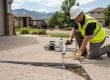
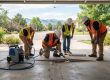
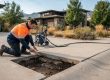
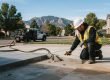
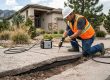
The physical restoration begins with the strategic placement of injection ports. We drill holes approximately 5/8 of an inch in diameter, roughly the size of a penny, which minimizes the visual impact on your concrete. Through these ports, a two-part high-density polymer is injected. This material triggers a controlled chemical reaction that causes the liquid to expand into a structural foam. This industrial-grade polymer generates a vertical lifting force of approximately 6,000 pounds per square foot, which is more than sufficient to move heavy residential driveways. As the foam expands, we monitor the lift in real-time, making adjustments in millimeter increments until the driveway is perfectly aligned with the garage floor and adjacent walkways.
Phase 3: Stabilization and Cleanup
The final stage of the process ensures the long-term security of the repair. Once the slab is level, we remove the injection ports and patch the holes with color-matched concrete grout to maintain a seamless appearance. We then verify the pitch of the entire surface to ensure proper water runoff. In Denver, directing water away from the home is vital to prevent the hydrostatic pressure that causes future sinking. Our team finishes by cleaning the work area, leaving the site in better condition than we found it. Because polyurethane cures within minutes, you can drive your vehicle back onto the surface immediately after we finish, avoiding the days of downtime associated with traditional replacement.
Structural Integrity: Post-Tension Awareness in Driveway Repair
Many modern homes in the Denver Metro area are constructed using post-tensioned slabs. This engineering choice is a direct response to the expansive clay soils that define our region. By using high-strength steel tendons stressed within the concrete, builders create a foundation that can better withstand the 30,000 pounds of pressure per square foot exerted by swelling bentonite. While these systems are highly effective for foundation stability, they introduce a significant layer of complexity when performing sunken driveway repair denver, particularly at the critical transition zone where the driveway meets the garage floor.
The danger of drilling blindly into a post-tensioned slab cannot be overstated. These cables are under thousands of pounds of tension. If a technician strikes a tendon during the injection port drilling phase, the sudden release of energy can cause the cable to “blow out” through the concrete surface. This doesn’t just create a massive safety hazard for anyone on-site; it also compromises the structural integrity of the entire home. In Denver, the cost to repair a severed post-tension cable generally ranges from $3,018 to $12,442. Avoiding this risk requires a contractor who understands the technical nuances of these specialized slabs.
RiseLock integrates structural expertise into every concrete lifting project to ensure your home’s foundation remains undisturbed. We treat the driveway-to-garage transition as a unified structural system. When a driveway sinks, it often leaves the edge of the garage slab exposed or unsupported, which can lead to cracking in the post-tensioned area. Our goal is to restore the driveway’s height to provide proper lateral support to the garage threshold, sealing the gap against moisture and preventing the soil shrinkage that leads to further settlement.
Identifying Post-Tensioned Slabs
Our diagnostic process begins with a search for “PT” stamps or end-cap markers. These are typically located in a corner of the garage floor or on the exterior foundation wall. Because driveway slabs often interact with the post-tensioned garage floor through shared rebar or expansion joints, we follow strict safety protocols. We map out potential cable paths before any drilling occurs, ensuring that our penny-sized injection ports are placed safely between the tendons. This level of caution is what separates a professional restoration from a high-risk patch job.
Integrated Structural Solutions
Leveling the driveway is a preventative measure for your foundation. By restoring the correct grade, we eliminate the pooling water that often seeps under the garage slab and causes the underlying clay to swell. If settlement has already caused minor structural damage or cable exposure, we address these issues through comprehensive concrete repair. The RiseLock advantage lies in our dual focus: we provide the precision lift needed for a level driveway while maintaining the structural reinforcement knowledge required to protect your home’s most vital components. If you suspect your driveway settlement is affecting your home’s foundation, contact RiseLock for professional structural assessment and concrete lifting.
Long-Term Maintenance and ROI of Driveway Leveling
Investing in sunken driveway repair denver is a strategic decision that extends beyond immediate aesthetics. It’s a commitment to structural preservation. While the initial restoration provides an immediate level surface, the long-term return on investment depends on proactive maintenance and a technical understanding of why concrete fails. Choosing to level your existing slabs rather than opting for a total replacement can save homeowners significant capital while achieving the same structural goals. Total replacement involves costly demolition, debris disposal, and the environmental impact of pouring new concrete, whereas precision lifting stabilizes what you already own.
A level driveway serves as a critical asset during property appraisals. In the Denver real estate market, visible settlement at the garage threshold or large cracks in the driveway are often viewed as structural red flags by inspectors and potential buyers. By addressing these issues through high-density polyurethane lifting, you eliminate these concerns and restore the property’s curb appeal. To further enhance this visual restoration, Poseidon Power Washing LLC provides expert exterior cleaning that ensures your home’s infrastructure looks as pristine as it is stable. This restoration doesn’t just fix a trip hazard; it protects your home’s valuation by demonstrating a high standard of maintenance and care for the building’s infrastructure.
Protecting Your Investment
The longevity of a repaired driveway is directly tied to moisture management. Since we know that Denver’s expansive soils react aggressively to water, keeping the sub-grade dry is paramount. Homeowners should prioritize sealing all joints and cracks with professional-grade silicone or polyurethane sealants. This creates a waterproof barrier that prevents snowmelt and rain from reaching the stabilized soil beneath the slab. Without this protection, the cycle of erosion and soil expansion can eventually restart.
Drainage is the second pillar of driveway preservation. You must ensure that gutter downspouts discharge water at least five feet away from any concrete surfaces. Water that pools at the edge of a driveway will eventually find its way underneath, leading to the “washout” effect that creates the very voids we work to fill. Regular annual inspections are recommended. Look for new hairline cracks or changes in the pitch of the concrete as the seasons change from the dry Colorado winters to the wet spring months.
The Financial Logic of Leveling
The financial benefits of concrete leveling are twofold: immediate cost-effectiveness and the avoidance of future liability. Repairing a sunken slab is typically a fraction of the cost of a full “rip and replace” project. Furthermore, addressing trip hazards significantly reduces your exposure to personal injury claims and potential issues with homeowner insurance providers. A proactive approach to structural maintenance is always more affordable than reacting to a catastrophic failure or a legal liability.
RiseLock remains dedicated to providing durable, long-lasting results through technical mastery and high-quality materials. We view each project as a partnership in protecting your home’s structural integrity. Ready to restore your driveway? Schedule your professional assessment with RiseLock today. Our team is prepared to guide you through the process of permanent stabilization and long-term property protection.
Restoring Precision to Your Denver Driveway
Restoring a settled slab is more than a cosmetic upgrade; it’s a necessary step in preserving your home’s structural health. By addressing the root cause of settlement, which is Denver’s volatile expansive soil, you prevent localized damage from escalating into a foundation-wide concern. We’ve explored how high-density polyurethane provides a lightweight and permanent alternative to traditional methods. This ensures your concrete remains stable without the risk of secondary sinking caused by heavy slurries. Achieving a successful sunken driveway repair denver requires this focus on long-term soil stabilization rather than just a temporary surface fix.
Technical mastery is especially vital when working with the post-tensioned slabs common throughout the Front Range. Choosing a partner who understands these complexities ensures your repair is handled with the highest safety standards and structural integrity. RiseLock brings this level of professional reliability to every project, specializing in high-density polyurethane foam and expert post-tension installation and repair. Whether you’re dealing with a minor trip hazard or significant settlement, our team is dedicated to serving the entire Denver Metro area with technical precision and ethical service.
Don’t let structural damage decrease your property’s value or safety. Take the first step toward a permanent solution and Get a Free Precision Concrete Lifting Estimate from RiseLock. We look forward to helping you regain the peace of mind that comes with a level, stabilized driveway.
Frequently Asked Questions
How much does sunken driveway repair cost in Denver?
The cost of repairing a settled driveway depends on the total volume of material required and the complexity of the subsurface voids. While industry data provides broad averages for the Front Range, every property has unique requirements based on soil density and slab thickness. A professional site assessment is necessary to determine the exact scope of work for your sunken driveway repair denver without the guesswork of oversimplified estimates.
How long does polyurethane driveway lifting last?
Polyurethane concrete lifting is engineered to be a permanent solution for settled slabs. The high-density polymer is hydrophobic and chemically inert, meaning it won’t wash away, erode, or degrade when exposed to groundwater. Because the material does not shrink over time, the lift remains stable as long as the homeowner maintains proper drainage to prevent new soil erosion around the perimeter of the driveway.
Can you drive on the driveway immediately after the foam injection?
You can typically return to full driveway use on the same day the repair is completed. Industrial-grade polyurethane reaches 90% of its full compressive strength within approximately 15 to 30 minutes after injection. This rapid curing process is a primary advantage over traditional methods, allowing you to park vehicles on the surface almost immediately after our team finishes the final cleanup and port patching.
Is polyurethane foam environmentally friendly for my yard?
Modern high-density polymers used in concrete leveling are environmentally inert once they have cured. The two-part material reacts and solidifies into a stable, non-toxic plastic that won’t leach chemicals into the surrounding soil or groundwater. It provides a clean, localized repair that avoids the heavy equipment and significant mess often associated with traditional demolition or large-scale cement slurry injections.
Will the foam lift my driveway if it is cracked into many small pieces?
Lifting is most successful when performed on large, structurally intact sections of concrete. If a slab has shattered into many small fragments, the foam may struggle to provide a uniform lift across the entire surface. We evaluate each project to determine if the concrete has enough structural integrity to be salvaged. In many cases, we can stabilize moderately cracked driveways by using specialized injection patterns to support individual sections.
Does RiseLock provide services in Aurora, Centennial, and Castle Rock?
We provide professional concrete leveling and structural restoration services throughout the entire Denver Metro area and Front Range. Our service area includes Aurora, Centennial, and Castle Rock, along with surrounding communities. Our technicians are well-versed in the specific bentonite clay challenges found in these municipalities, ensuring that each repair is tailored to the local soil conditions and building standards of your specific neighborhood.
What is the difference between mudjacking and polyurethane foam lifting?
The fundamental difference is the weight and precision of the injection material. Mudjacking relies on a heavy slurry of sand and cement that can weigh up to 100 pounds per cubic foot, which often causes further compression of Denver’s fragile soils. Polyurethane is a lightweight material weighing only a few pounds per cubic foot. It expands to fill voids and provides a more accurate, controlled lift without adding a weight penalty.
Can sinking driveways cause damage to my home’s foundation?
A sunken driveway can indirectly threaten your foundation by compromising your property’s drainage system. When a slab settles, it often creates a negative pitch that funnels rainwater and snowmelt directly toward the foundation wall. This concentrated moisture causes the expansive clay soils near your home to swell, which can lead to foundation cracks and structural instability. Correcting the driveway grade is a vital step in protecting your home’s overall structural health. Property managers and business owners dealing with similar settling issues on a larger scale can find additional guidance in our commercial concrete leveling professional guide, which covers structural stabilization for high-traffic surfaces.