

If you’re searching “how to fix a tilted concrete slab Littleton,” you likely want to know whether the concrete can be lifted or needs another repair. An uneven slab can create a trip hazard or appear to be getting worse, but its condition and the cause of movement matter. Soil changes, moisture, and damage to the concrete can all affect the right next step.
A careful assessment can help distinguish a surface slab that may be repairable from a broader foundation concern. This guide covers visible signs to watch for, common factors that may contribute to movement, and how lifting, replacement, and basic upkeep compare. It also explains what to document before discussing repair options for a Littleton property.
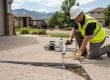
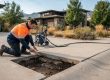
When the slab and site conditions make it a suitable candidate, polyurethane concrete lifting can raise and stabilize uneven concrete. RiseLock provides polyurethane lifting and leveling, using high-density foam as an alternative to traditional mudjacking. Start with what you can observe, then use an assessment to choose a practical repair instead of guessing at the cause.
Key Takeaways
- Compare the slab’s slope, cracks, joints, and movement over time to describe what has changed.
- Water pathways and shifting support can contribute to settlement. Drainage observations can help inform an evaluation.
- Polyurethane foam lifting, replacement, and limited upkeep suit different situations. The slab’s condition helps determine which approach fits.
- Before an evaluation, photograph the area, note changes, clear access, and record nearby drainage conditions.
- Use this guide to plan how to fix a tilted concrete slab Littleton property owners are concerned about, without assuming every slab can be lifted.
How to Fix a Tilted Concrete Slab in Littleton: Start With the Warning Signs
A tilted slab has a noticeable slope, a height change across its surface, or an uneven transition where it meets another slab or structure. A walkway might slope toward one edge, while a patio may sit higher or lower than the adjoining step. Movement can develop gradually or appear alongside fresh cracking, a rocking edge, or a separating joint.
If you’re searching “how to fix a tilted concrete slab Littleton,” start with the signs of movement rather than assuming a particular repair. Visible tilt alone doesn’t reveal the cause. The slab’s condition, movement pattern, and surrounding support all matter when distinguishing surface wear from a change in position.
Which signs suggest a slab needs closer evaluation?
Look for changes in the slab’s shape and how it meets nearby surfaces. A widening joint, a new or increasing height difference, or an edge that rocks under normal foot traffic can point to movement or uneven support. Note recurring cracks, especially if they reopen after patching or appear to be changing. Record when you first noticed each sign and whether it seems to be progressing.
Discoloration, shallow flaking, and small chips may affect appearance without showing that the slab has shifted. A change in elevation, growing separation, or movement underfoot relates to position or support, not just the surface finish. Don’t pry at cracks or try to lift the slab as a test. Photograph the area from consistent angles, and keep people away from a section that appears unstable until it can be assessed.
When might a tilted slab indicate a larger structural concern?
A sloped walkway or patio is different from a foundation or structural slab. Movement close to a foundation wall, or changes across several connected surfaces, merits attention because the issue may extend beyond one panel. Note whether gaps, cracks, or uneven transitions continue from the exterior slab toward the building or appear in multiple locations.
A crack or photograph alone cannot establish structural failure. The same visible symptom can have different explanations, and an exterior slab may move independently of the structure beside it. If movement is abrupt, continues to change, or involves connected areas, document what you see and seek an appropriate assessment before choosing a repair. The goal is to understand which concrete is moving and whether the problem is limited to a surface slab.
These observations help clarify the next step without requiring you to diagnose the cause. Record the slab’s location, the direction of its slope, nearby joints or walls, and changes over time. This gives an evaluator a useful starting point for distinguishing surface wear from movement that affects access or calls for a broader review.
Why Concrete Slabs Tilt in Littleton: Soil, Water, and Support
A slab can tilt when the ground beneath it changes or stops supporting it evenly. Soil may compress, shift, or change volume as moisture conditions vary. Water may also affect the support below concrete if it softens or washes away material, or collects in a way that changes the ground. The specific cause depends on the site, so a slope alone doesn’t identify it.
In the Front Range, expansive clay soils can swell as they absorb moisture and shrink as they dry. Freeze-thaw conditions may also affect existing cracks when water enters and freezes. These are potential factors, not a diagnosis of a particular Littleton property. Drainage patterns and slab position offer useful clues, but neither proves why the slab moved.
How can water and soil movement affect a concrete slab?
Start by observing where water goes. Check whether downspouts discharge near the slab, runoff crosses it, or water pools beside an edge after rain or irrigation. Look for visible soil washout or low spots nearby. These observations may help show where moisture reaches the supporting ground, but they can’t confirm what is happening underneath. Record what you see rather than digging beside the slab or redirecting water toward a building.
Not every tilted slab has the same cause. One area may lose support while another remains stable; in other cases, soil movement may affect a broader section. Drainage issues can contribute to movement, but their presence doesn’t prove they caused the tilt. The pattern of elevation changes, joints, and nearby surfaces helps put the observations in context.
What should an initial slab assessment examine?
A useful assessment considers how the slab relates to its surroundings, not just its slope. Compare its edges and elevation with adjoining concrete. Note whether cracks cross joints or remain within one panel, and whether movement appears limited to one area or extends across connected surfaces. Changes near a building also need context because an exterior walkway and a foundation slab serve different functions.
For a broader view of how uneven concrete may be evaluated and repaired, see this concrete leveling guide. It explains repair terminology, but the right approach for a specific slab still depends on its condition and support.
Understanding the slab’s underlying support helps determine which repair approach fits. Before an evaluation, keep a short record of drainage observations and note which surfaces appear affected. If you’re in Littleton, RiseLock’s concrete lifting and leveling services can help you discuss options for an uneven surface slab.
Foam Lifting, Replacement, or DIY: Comparing Tilted Slab Repairs
Choosing how to fix a tilted concrete slab in Littleton starts with the slab’s condition and the cause of movement, not a preferred repair method. Professional foam lifting may suit concrete that is sound enough to raise and whose support can be addressed. Replacement may be more appropriate when the slab is badly deteriorated. DIY work should be limited to observation and basic upkeep, not lifting or altering the concrete.
| Approach | When it may fit | Disruption and support | Assessment needs |
|---|---|---|---|
| Professional polyurethane foam lifting | The slab is in liftable condition, and assessment indicates its support can be addressed. | High-density foam is injected beneath the concrete to help lift and stabilize it. The work focuses on the existing slab. | A professional assessment is needed to evaluate slab condition, movement, and support. |
| Concrete replacement | Severe breakage or extensive deterioration may make the existing slab unsuitable for lifting. | Existing concrete is removed and replaced. Replacement alone doesn’t establish or resolve the source of movement. | Evaluate the slab and the cause of movement before deciding whether replacement is appropriate. |
| Limited non-structural DIY upkeep | Routine observation and basic upkeep around the slab, without trying to correct its position. | Doesn’t restore underlying support or level a tilted slab. | Seek assessment if the slab is shifting, badly cracked, rocking, or near a structural area. |
When may polyurethane concrete lifting be considered?
Lifting may be an option when an assessment finds that the slab can be raised and its underlying support addressed. With polyurethane concrete lifting, high-density foam is injected beneath the concrete to help lift and stabilize it. The method isn’t suitable for every slab, particularly when the concrete is severely deteriorated or the cause of movement remains active. Learn more about the process in this polyurethane concrete lifting guide.
When might replacement or further structural evaluation be more appropriate?
Extensive cracking, broken sections, or widespread deterioration may call for a repair other than lifting. Replacement decisions depend on the slab’s condition and why it moved. Replacing the surface without addressing an ongoing support problem may leave the underlying issue unresolved. A walkway or patio is also different from a foundation or post-tension slab. If movement involves a foundation or structural concrete, it needs appropriate structural evaluation rather than an assumption that surface leveling is the answer.
Don’t attempt to inject foam, jack a slab, or alter structural concrete yourself. These actions require proper assessment and specialized work. For a tilted surface slab in Littleton, RiseLock provides polyurethane concrete lifting and leveling when the slab and site conditions suit that approach.

Preparing to Repair a Tilted Concrete Slab in Littleton
A clear record of the slab’s condition can make an evaluation more useful. Before discussing repair, gather observations that show where the concrete has moved, what has changed, and what is nearby. You don’t need to determine the cause yourself. Focus on consistent photos and practical site details, and leave lifting or structural alterations to qualified professionals.
What should you document before an assessment?
Use this sequence to create a concise record. Consistency matters more than elaborate measurements: repeat the same views when checking for changes, and describe what you see without testing the slab’s stability.
- Photograph the area. Capture the whole slab, then closer views of cracks, joints, sloped edges, and transitions to steps or adjoining concrete. Use the same viewpoints for follow-up photos.
- Note when changes appeared. Record when you first noticed the tilt, cracking, or separation and whether you’ve seen further change. If you don’t know when it started, say so rather than guessing.
- Record drainage observations. Note whether water collects near the slab, where nearby downspouts discharge, and whether runoff crosses the area. These details can inform an assessment but don’t prove the cause.
- Describe nearby movement. Include changes to adjoining concrete, steps, nearby walls, or doors. Mention visible utilities or other features near the work area so they can be considered during planning.
Keep the notes brief and factual. “Gap at the joint looks wider than in the earlier photo” is more useful than a guess about why the slab shifted.
How can you prepare the site without making the problem worse?
Before an evaluation, clear loose items from the approach and the area around the slab so its edges and nearby drainage features are accessible. Let household members know where the uneven transition is, and make it visible without placing anything that creates another obstruction. If the area feels unstable, keep people away rather than walking across it to inspect the surface.
Don’t try to level the slab yourself, force an edge, fill a void beneath it, or cover the height change with a patch or loose material. These steps can hide useful evidence or leave the underlying condition unchanged. Avoid redirecting runoff toward the slab or building. Preserve the visible condition and share relevant access concerns during the evaluation.
Point out nearby walls, steps, utilities, and connected slabs, even if they don’t appear to have shifted. Their location helps establish the scope of the area and whether the issue appears isolated. This preparation supports a more informed discussion of how to fix a tilted concrete slab in Littleton without committing to a repair before the slab and site have been evaluated.
For help with the next step, see RiseLock concrete repair services and share what you’ve observed about the slab and its surroundings.
How RiseLock Approaches Tilted Concrete Slab Repair Near Littleton
A useful repair plan starts by identifying what has moved and whether the slab can be restored in place. RiseLock provides polyurethane concrete lifting and leveling for eligible slabs in Littleton. The method uses high-density foam injected beneath the concrete to help lift and stabilize it. Whether it suits a particular slab depends on the concrete’s condition and the support below it.
For property owners searching “how to fix a tilted concrete slab Littleton,” the next step is to assess the concrete rather than assume lifting is right for every surface. A slab with extensive deterioration, or movement tied to a condition that remains active, may need a different repair. The aim is to match the method to the concrete and its support.
What does polyurethane slab lifting involve?
Polyurethane lifting uses high-density foam injected beneath concrete to help raise and support the slab. The specific approach depends on site conditions and whether the concrete is suitable to remain in place. Lifting is intended to restore suitable concrete, not to promise the same outcome for every slab.
Compared with replacement, lifting may be considered when the existing slab is in suitable condition to stay in place. If the concrete is severely broken or deteriorated, assessment may point toward replacement or another repair. The decision should account for visible damage and the source of movement, since a surface repair alone may not address an ongoing support issue.
What should Littleton property owners expect from the next step?
A project discussion is more useful when it starts with clear observations. Share photographs of the slab and its edges, note when you noticed movement or cracking, and describe whether the problem appears limited to one panel or involves adjoining concrete. Mention nearby walls, steps, drainage patterns, and access conditions. These details help frame the assessment without requiring you to diagnose the cause.
RiseLock serves Littleton as part of its Colorado service area and provides polyurethane lifting and leveling for residential and commercial applications. An assessment can help determine whether the slab is a candidate for lifting, whether another concrete repair is more appropriate, or whether the concern involves a larger structural issue. Foundation or post-tension concerns shouldn’t be treated as routine surface leveling. The repair needs to suit the structure and its condition.
Share what you’ve observed and arrange a focused discussion about the slab. Discuss your tilted concrete slab with RiseLock to talk through the site conditions and an appropriate assessment.
Make Your Next Move With Confidence
You don’t have to decide on a repair from one photo or a guess about what lies beneath the concrete. Compare what you’ve observed with the findings of an assessment. If the slab changes while you’re deciding, record the new movement and keep the affected area clear. These details help focus the conversation on the condition that needs attention.
The question “how to fix a tilted concrete slab Littleton” has no one-size-fits-all answer. A suitable plan depends on the slab, its support, and whether the movement is limited to that surface. Turn your observations into a clear project discussion, then choose an approach based on the assessment rather than assumption.
RiseLock serves Littleton and provides polyurethane concrete lifting and leveling when the slab is an appropriate candidate. Request a slab assessment from RiseLock to discuss your concrete and a practical path forward. An assessment can help you take the next step with greater clarity.
Frequently Asked Questions
Can a tilted concrete slab be leveled without replacing it?
Yes, some tilted slabs can be lifted and leveled without replacement, provided the concrete and its support are suitable. An assessment can help determine whether the slab can be moved without worsening cracks or breakage. For anyone searching “how to fix a tilted concrete slab Littleton,” the useful first question is whether the existing concrete is sound enough to remain in place, not simply how far it has tilted.
Is a tilted concrete slab dangerous to walk on?
A tilted slab can create a trip risk, especially where a path crosses an abrupt height change or an edge rocks underfoot. That doesn’t automatically mean the slab is structurally dangerous, but an uneven transition can be harder to navigate for people with limited mobility. Keep the route clear, alert household members, and avoid walking across an area that shifts noticeably. If movement is changing or the slab is unstable, limit access and arrange an assessment.
What causes a concrete slab to tilt near a home?
Uneven support beneath the concrete is a common factor. Soil can shift or compress, while changes in moisture may affect the ground supporting one part of the slab more than another. Water from a leaking irrigation line or a downspout can also alter ground conditions near the house. These are possibilities, not a diagnosis. Note nearby water sources and changes to adjoining surfaces for an evaluator.
Can polyurethane foam lift a cracked concrete slab?
Possibly, depending on the slab’s condition and the extent and pattern of cracking. Foam lifting can help raise and support suitable concrete, but it doesn’t automatically repair cracks or make severely deteriorated concrete sound. A small, stable crack and a slab broken into loose sections present different conditions. An assessment should consider whether the slab can be lifted as a unit and whether separate concrete repair is also needed.
Does water drainage affect a tilted sidewalk or patio slab?
It can. Runoff, pooling, or irrigation near a slab may affect the soil that supports it, but standing water doesn’t prove that drainage caused the tilt. Note whether water collects at one edge after watering or flows from a downspout toward the walkway. Correcting an obvious drainage pathway may help manage moisture, but it won’t level concrete that has already shifted.
When does a tilted slab indicate a foundation problem?
A tilted patio or walkway doesn’t by itself establish a foundation problem. Concern rises if movement is also visible at the foundation wall, several connected areas are changing, or interior and exterior surfaces show related movement. These signs call for a broader assessment of the structure rather than treating the exterior slab as an isolated leveling job. A photograph can document a pattern, but it can’t determine whether the foundation is affected.
Can I fix a tilted concrete slab myself?
You can document changes, keep the area clear, and manage routine upkeep, but don’t try to lift the slab, inject foam, or force it back into position. Those actions can worsen damage or conceal the reason for movement. RiseLock serves property owners in Denver, Aurora, Centennial, Parker, Colorado Springs, Englewood, Littleton, Lakewood, Arvada, Thornton, Wheatridge, Castle Rock, Castle Pines, and Boulder. A professional assessment can help clarify the next step.