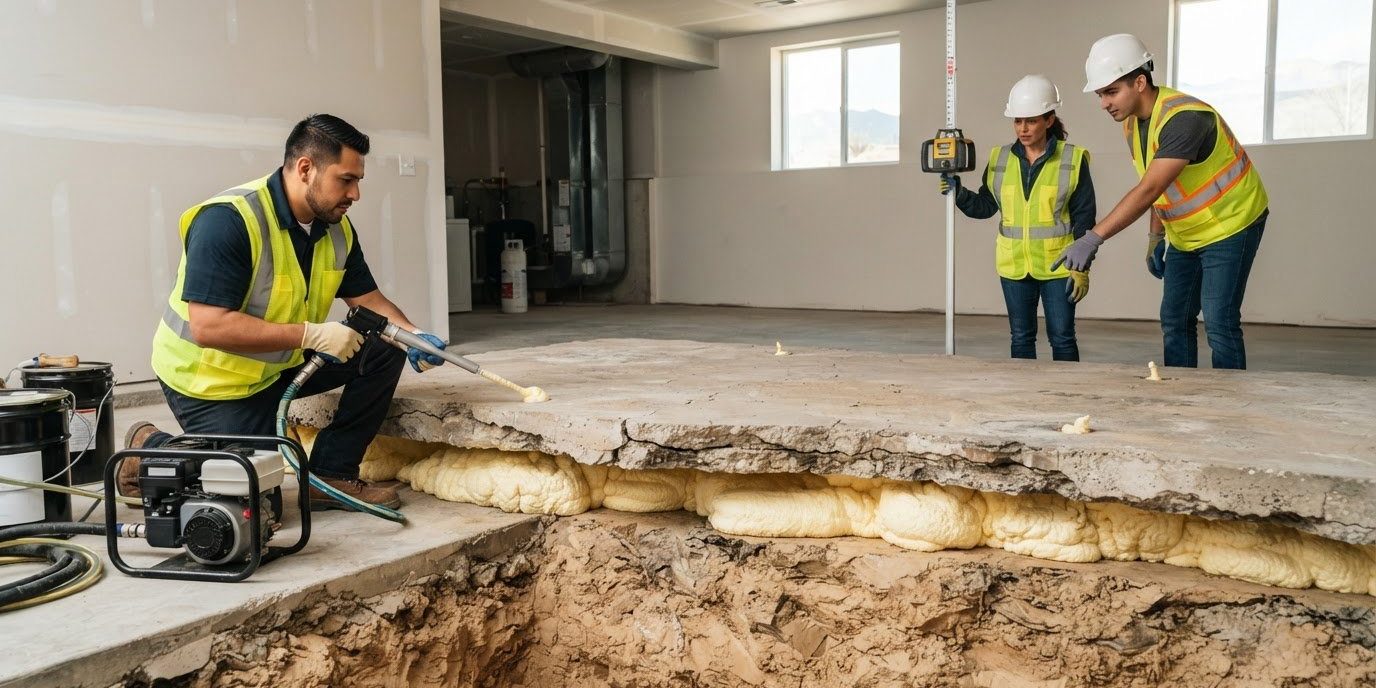
An uneven basement floor can raise questions about trip hazards, slab settlement, and possible foundation movement. In Englewood, changing moisture conditions in clay-heavy soil can contribute to settlement, but an uneven slab does not automatically mean the foundation has shifted. Before choosing a repair, it helps to understand what is moving and whether the concrete can be restored.
This guide to poly leveling for basement floors Englewood homeowners can use explains how polyurethane foam is injected beneath an existing slab to lift and support concrete that remains suitable for restoration. It also explains what an assessment can reveal about slab settlement, signs of wider structural movement, and situations when lifting may not be the right repair.
You’ll learn what conditions can make polyurethane lifting suitable, how it compares with replacement, and how to prepare for an assessment at an Englewood property. RiseLock Concrete Lifting provides polyurethane concrete lifting and leveling in the area, with the repair scope guided by the slab’s condition and site factors.
Key Takeaways
- Learn how to distinguish an uneven basement slab from signs that the structure itself may be moving.
- See how small access openings let polyurethane foam reach beneath concrete and support a targeted lift.
- Compare lifting with replacement based on the slab’s condition, repair scope, and likely disruption.
- Prepare for a poly leveling for basement floors Englewood assessment by noting floor changes, water concerns, and finished surfaces.
- Understand how RiseLock assesses concrete condition and site factors to guide the recommended repair scope.
Is Poly Leveling Right for an Uneven Basement Floor in Englewood?
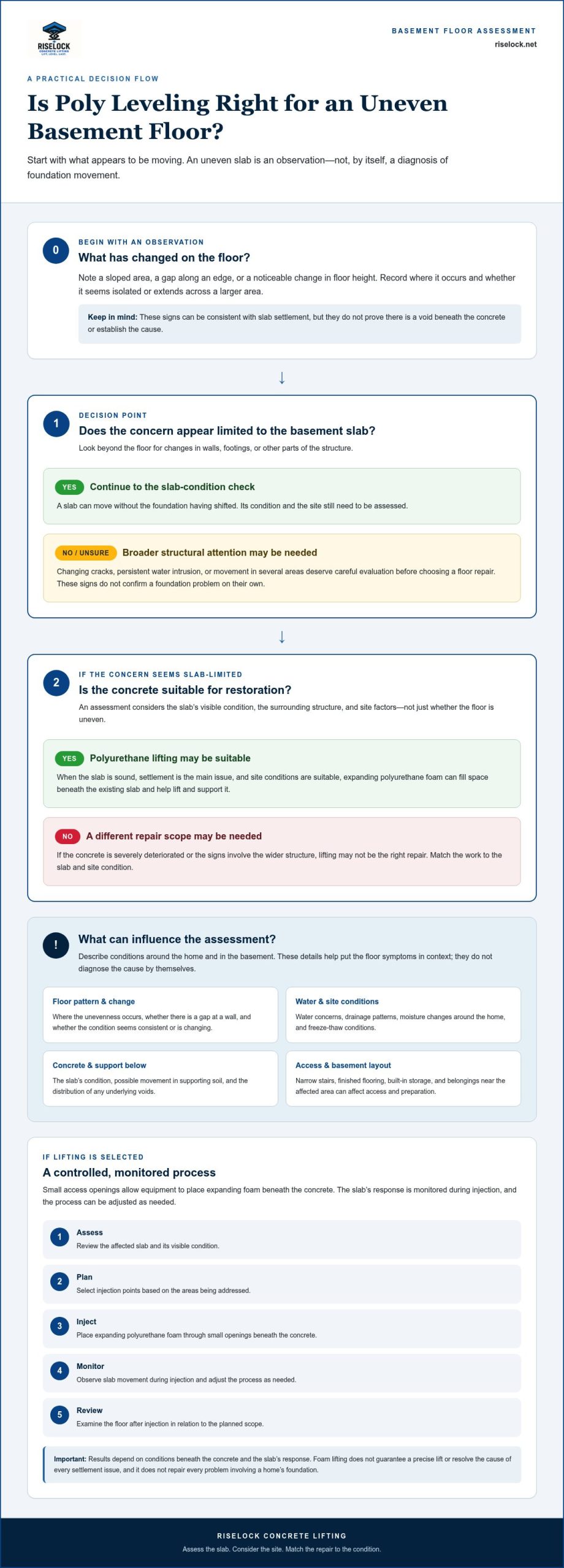
First consider whether the unevenness is limited to the basement slab or appears to involve other parts of the structure. Poly leveling for basement floors Englewood homeowners are considering involves injecting expanding polyurethane foam beneath an existing concrete slab. The foam expands to fill space below and can help lift and support the slab when its condition and the site are suitable. The material has a range of applications, as outlined in this Polyurethane Foam overview, but its use beneath a basement floor depends on the concrete and site conditions.
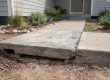
A sloped area, a gap along an edge, or a noticeable change in floor height is an observation, not a diagnosis. Those signs can be consistent with slab settlement, but they don’t establish its cause or show whether lifting is appropriate. An assessment should consider the slab’s condition and the surrounding structure rather than treating every uneven floor the same way.
What basement floor problems may indicate slab settlement?
Note where the floor feels uneven, whether a gap appears between the slab and a wall, and whether the height difference seems isolated or extends across a larger area. These details help describe the problem, but they don’t prove there is a void beneath the concrete. Voids or movement in the supporting soil may contribute to settlement. Drainage patterns and freeze-thaw conditions can also be relevant site factors in Englewood, and changes in moisture around the home are useful to mention during an assessment.
A basement slab is a concrete panel within the home, and movement in the slab doesn’t automatically mean the foundation has shifted. A level-looking patch of floor, on the other hand, doesn’t rule out broader structural concerns. The pattern, location, and progression of symptoms matter. Note whether the unevenness has stayed consistent or appears to be changing, and share that history during an evaluation.
When does an uneven floor need broader structural attention?
Consider whether the concern is limited to the floor or appears alongside changes in walls, footings, or other parts of the structure. Cracks that are changing, persistent water intrusion, or movement in several areas deserve careful evaluation because they may point beyond an isolated slab issue. These signs don’t confirm a foundation problem on their own, but they make it important to understand the full picture before choosing a floor repair.
Poly leveling can correct the position of a suitable concrete slab; it doesn’t repair every problem involving a home’s foundation. If the slab is sound and settlement is the main issue, polyurethane lifting may be a suitable repair. If the concrete is severely deteriorated or signs involve the wider structure, a different repair scope may be needed. The aim is to match the work to the condition, not to assume foam injection is right for every uneven basement floor.
How Polyurethane Foam Leveling Works Beneath an Englewood Basement Slab
Polyurethane lifting follows a planned sequence: assess the slab, choose injection points, place foam beneath the concrete, monitor its movement, and review the result. For poly leveling for basement floors Englewood homeowners are considering, the assessment also accounts for the basement layout and access. The injection plan should reflect the slab’s observed condition rather than apply the same pattern to every floor.
What happens during foam injection and lifting?
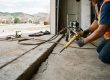
The technician examines the concrete and identifies where support or lifting may be needed. Injection locations are selected based on those observations. Small access openings through the slab allow equipment to place polyurethane foam beneath it, where the material expands into available space. The slab’s response is monitored as work progresses, allowing the process to be adjusted rather than relying on one uncontrolled injection.
Controlled injection raises and supports existing concrete by placing expanding foam beneath the slab. The sequence typically includes:
- Assess: Review the affected slab and its visible condition.
- Plan: Select injection points based on the areas being addressed.
- Inject: Place foam through small openings beneath the concrete.
- Monitor: Observe slab movement during injection and adjust the process as needed.
- Review: Examine the floor after injection and discuss the result in relation to the planned scope.
As foam expands, it can fill space beneath a slab and apply upward pressure. The amount and pattern of movement depend on conditions below the concrete and the slab itself. The slab’s condition, the distribution of underlying voids, and the concrete’s response all affect the result. The method doesn’t guarantee a precise lift or resolve the cause of every settlement issue. For a general discussion of the method’s characteristics, see Benefits of Polyurethane Foam Concrete Leveling.
What basement conditions can affect the work?
Basements differ in layout and construction, so the slab’s location and the route into the work area matter. A narrow stairway, finished flooring, built-in storage, or belongings near the affected section can influence access and preparation. Identify finished surfaces and clear a safe path to the work area so these practical conditions can be considered when injection points are planned.
Moisture and drainage patterns are relevant, too. Note where water has appeared, whether it returns under particular conditions, and whether it seems concentrated near a wall or floor area. Record visible cracks, especially if their appearance has changed. These observations help describe the site, but they don’t establish what lies beneath the slab or determine whether lifting is suitable.
RiseLock’s polyurethane concrete lifting approach is guided by slab condition and observed site factors. If you’re reviewing options for an Englewood basement, learn about RiseLock’s concrete lifting and how a project can be assessed and planned.
Poly Leveling or Basement Floor Replacement: How to Compare Options
Choosing between lifting and replacement starts with the concrete’s condition, not just how uneven the floor feels. Polyurethane lifting may suit a settled slab that remains intact enough to raise and support. Replacement may be appropriate when the concrete is extensively deteriorated and can’t reasonably be restored. Compare the repair scope and likely disruption against the condition of the basement floor.
| Consideration | Polyurethane lifting | Slab replacement |
|---|---|---|
| Slab condition | May suit sound concrete with settled areas. | May be considered when concrete is severely deteriorated or unsuitable for lifting. |
| Disruption | Works with the existing slab and uses small injection openings. | Involves removing and replacing affected concrete, so work is more extensive. |
| Repair scope | Targets slab position and support beneath it. | Replaces concrete that can’t reasonably be restored. |
| Suitability | Depends on slab integrity and conditions beneath the concrete. | Depends on the extent of deterioration and the repair needed. |
What conditions favor lifting an existing basement slab?
Lifting may be practical when settled areas are part of a slab that remains suitable for restoration. The assessment considers whether the concrete can withstand the process and whether conditions beneath it can be addressed through injection. A single crack, gap, or low spot isn’t a definitive test. Its location and relationship to the wider slab condition matter.
For poly leveling for basement floors Englewood homeowners are comparing, the key distinction is between correcting the position of existing concrete and replacing concrete that has lost its integrity. Lifting works with the slab already in place; it doesn’t renew deteriorated concrete. RiseLock’s polyurethane concrete lifting guide explains the method and its use in slab restoration.
When might replacement or another repair scope make more sense?
Severe deterioration can change the decision. If concrete is crumbling, extensively damaged, or otherwise unable to serve as a sound slab, raising it may not address the underlying limitation. Replacement may be appropriate when the existing concrete can’t reasonably be restored. The extent and pattern of damage matter more than one visible symptom.
Keep slab work distinct from repairs to foundations or other structural elements. Replacing a basement floor addresses the concrete slab; it doesn’t automatically resolve movement in a foundation, wall, or footing. If concerns extend beyond the floor, those elements should be considered as part of the repair plan. The concrete lifting solutions buyer’s guide provides broader context for how concrete restoration options fit different structural conditions.
A useful comparison weighs slab integrity, the area that needs attention, and whether the problem is limited to the floor. An assessment can clarify whether lifting, replacement, or a broader repair scope best matches what’s observed.
Preparing for a Basement Poly Leveling Assessment in Englewood
A few observations can make an assessment more specific. Note where the floor feels uneven, what has changed over time, and whether water has appeared nearby. Clear a safe path to the affected area and point out finished flooring, walls, or built-ins that may affect access. These steps don’t diagnose the cause, but they help focus the assessment on the basement’s actual conditions.
What should homeowners document before the assessment?
Write down what you’ve seen and when you noticed it. Photos can record the location and appearance of cracks or gaps, but they can’t determine what caused them. Include other changes around the basement. Drainage patterns, moisture, and freeze-thaw conditions may be relevant site context in Englewood, but none of these factors alone establishes why a slab has settled.
- Floor observations: Mark or describe where the floor feels low, sloped, or uneven. Note whether the concern is confined to one area or appears in several places.
- Changes over time: Record when you first noticed the issue and any visible changes since then. Include whether cracks or gaps seem to have changed.
- Photos: Photograph relevant areas from a consistent viewpoint if possible. Treat images as a record of appearance, not a diagnosis.
- Water concerns: Note where water has entered or collected, when it tends to occur, and any drainage changes you’ve observed.
- Nearby work: Mention recent work near the basement that could provide useful context, without assuming it caused the floor issue.
- Access and finishes: Clear a safe route to the affected area and identify finished surfaces, storage, or built-ins near the slab.
Basement conditions vary from property to property. Moisture patterns or local weather can help frame questions about the site, but they don’t prove the cause of movement or determine the repair on their own. For related context on broader concrete repair considerations, explore this overview of concrete repair in Denver.
What should the assessment clarify?
The assessment should identify the affected slab area, review the visible condition of the concrete, and establish the apparent repair scope. Access, finished surfaces, and the slab’s location inform how the work can be approached. The concrete’s condition and observable supporting conditions also help guide the recommendation. If concerns appear to extend beyond the floor, that distinction should be part of the discussion.
Repair selection should follow a site-specific assessment of the slab and its conditions. The proposed scope should reflect what’s observed at the property, rather than relying on one symptom or a standard approach for every basement.
Prepare your notes and observations, then schedule a basement concrete assessment with RiseLock to discuss the slab and a repair scope suited to its observed condition.
Choosing RiseLock for Basement Poly Leveling in Englewood
A basement floor repair should begin with the slab, not a predetermined method. RiseLock provides polyurethane concrete lifting and leveling in Englewood, with the recommended scope guided by the concrete’s condition and site factors observed during assessment. This helps distinguish a settled area that may suit lifting from concrete or structural conditions that call for a different repair direction.
What homeowners can expect from a project-focused approach
The first conversation centers on the uneven area and what you’ve observed. Where does the floor feel low? Have you noticed changes over time, visible cracking, water concerns, or access limitations? Those details help focus the assessment, while the slab itself and surrounding site conditions guide the repair recommendation.
If the concrete remains suitable for restoration and settlement is the issue, polyurethane lifting may help raise and support the existing slab. The method isn’t a universal answer for every basement floor. The concrete’s condition, what lies beneath it, and access to the affected area all influence the possible scope. An assessment helps set expectations without promising an exact lift or outcome before those factors are understood.
RiseLock specializes in high-density foam lifting and concrete repair. For poly leveling for basement floors Englewood homeowners, the process starts with identifying the concrete that needs attention, considering site conditions, and matching the proposed work to the assessment. If signs point beyond the slab, that distinction should remain clear in the repair discussion.
How to take the next step with RiseLock
To prepare for a useful conversation, summarize the symptoms in plain terms and identify where they occur. Mention what has changed, any water concerns, and whether finished surfaces or stored belongings affect access. Photos and notes can provide context, but the slab’s on-site condition remains central to determining an appropriate scope.
RiseLock’s concrete lifting and leveling service gives Englewood property owners a practical way to evaluate an uneven basement slab. An assessment can clarify the affected area, the concrete’s condition, and whether polyurethane lifting fits the observed circumstances. From there, the repair discussion can focus on a suitable path rather than assuming every floor needs the same solution.
If you’re ready to discuss your basement floor and understand the options, discuss basement concrete leveling with RiseLock. Start with the area that concerns you and the changes you’ve noticed, then move forward with a clear, site-specific assessment.
Take the Next Step Toward a Clear Repair Plan
An uneven basement floor can leave you unsure where to begin. You don’t need to choose a repair before understanding what the slab is showing. Use your observations as a starting point, then let a site-specific assessment clarify which repair direction fits the property. That measured next step can help turn uncertainty into a practical plan.
RiseLock specializes in polyurethane concrete lifting and leveling, serving Englewood and communities across the Denver region, including Denver, Aurora, Centennial, Parker, Colorado Springs, Englewood, Littleton, Lakewood, Arvada, Thornton, Wheatridge, Castle Rock, Castle Pines, and Boulder. For homeowners considering poly leveling for basement floors Englewood, the focus is on matching the work to the concrete and site conditions rather than assuming every basement needs the same solution.
Discuss basement poly leveling with RiseLock and take the next step toward understanding your floor’s condition and suitable repair options. A clear assessment can help you move forward with a practical plan.
Frequently Asked Questions
Can polyurethane foam level a basement floor?
Yes. Polyurethane foam can lift and support a basement slab when the concrete is suitable for restoration and settlement is the issue. A sunken section that remains intact may be a candidate for lifting, while crumbling concrete presents a different challenge. An assessment considers the slab’s condition and the area involved. Poly leveling for basement floors Englewood homeowners consider should be selected based on those property-specific findings.
Is poly leveling suitable for every uneven basement floor?
No. It may not suit a slab that is extensively deteriorated or a floor concern connected to movement elsewhere in the structure. An uneven spot alone doesn’t establish whether lifting is appropriate. A useful assessment looks at whether the issue is limited to one section, whether the concrete is intact, and whether there are signs beyond the floor. These distinctions help guide the repair scope.
How does basement floor poly leveling work?
A technician places polyurethane foam beneath the slab through small access openings, then monitors the concrete as the foam expands. The injection plan depends on where support or lifting is needed, so openings aren’t necessarily arranged in the same pattern for every basement. A localized low area, for example, may call for a different placement plan than a broader settled section. The slab’s response helps inform the work as it proceeds.
Will poly leveling fix cracks in my basement floor?
Poly leveling addresses the position and support of suitable concrete; it doesn’t automatically repair a crack itself. A crack may remain visible after lifting, and any separate crack repair depends on its condition and the project scope. Note whether a crack appears to be changing, crosses a large area, or accompanies water intrusion. Share those observations during the assessment so they can be considered alongside the slab’s condition.
Is basement poly leveling better than replacing the floor?
Neither option is best for every basement. Lifting may suit concrete that remains suitable for restoration, while replacement may be considered if the slab is too deteriorated to reasonably restore. The choice also depends on the affected area and whether the concern is limited to the floor. Comparing those conditions helps avoid choosing a repair based only on the visible slope or a preference for one method.
What should I do before a basement concrete leveling assessment in Englewood?
Clear a safe route to the affected area and move nearby belongings that could obstruct access. Note where the floor feels uneven, when you noticed it, and whether water has entered the basement. Mention nearby drainage or construction work if relevant. Photos can show what you’ve observed, but they can’t determine the cause. Identify finished surfaces so they can be considered during the site review.
How long does basement poly leveling take?
Project duration depends on the affected area, slab condition, access, and work required, so there isn’t one reliable timeframe for every basement. A localized repair and a project involving several areas may have different scopes. The assessment helps establish the proposed work and factors that affect scheduling. RiseLock provides concrete lifting and leveling in Englewood and communities across the Denver region, with project details guided by site conditions.