
What if the right fix for a sunken driveway apron starts below the concrete, not at its uneven edge? A dip where the driveway meets the street or sidewalk can make vehicle access awkward, but the visible slope doesn’t reveal whether soil loss, drainage, or another support problem caused it. Choosing sunken driveway apron repair Aurora means looking beyond the surface before deciding how to restore the transition.
It’s reasonable to want a repair that addresses why the apron settled, not just how it looks today. This article explains common causes of sinking, what an assessment should examine, and how to compare lifting with other repair options. When the concrete is suitable, RiseLock uses polyurethane concrete lifting to raise and stabilize it by restoring support beneath the slab. You’ll learn what the process can address and what to consider when choosing a fix for your Aurora home.
Key Takeaways
- For sunken driveway apron repair Aurora, the right approach depends on the slab’s condition and what’s happening beneath it.
- A focused assessment should consider elevation changes, cracks, joints, adjoining concrete, drainage paths, and signs of lost support.
- Polyurethane lifting can raise and stabilize suitable concrete; replacement or another repair may be a better fit for slabs that aren’t appropriate for lifting.
- Before an assessment, record when the apron changed, where water collects, and any access needs around the repair area.
- RiseLock uses polyurethane concrete lifting to restore support beneath suitable sunken aprons while preserving the existing slab.
Sunken driveway apron repair in Aurora: what is settling and why it matters
A driveway apron is the section that transitions from a private driveway to the adjoining street or approach. Because it meets other surfaces, even a small height change can make the entrance feel abrupt. A vehicle may bump over a lip, scrape at a low angle, or cross a gap where the apron has separated from a neighboring slab. The apron also affects how water moves across the entrance, so a changed slope can alter where runoff collects.
Apron settlement is a change in the slab’s position or support, while a surface crack alone does not show that the slab has sunk. A dip, new height difference, widening joint, or water collecting near the entrance may point to movement, but appearance alone can’t establish the cause. Soil loss, drainage patterns, and site conditions can all play a role. General information on the causes of concrete settlement and slabjacking helps explain why support beneath a slab matters.
How to recognize a settled driveway apron
Pay attention to how the transition feels as you enter and leave. A tire impact at one edge, a visible dip, or an abrupt rise between the apron and an adjoining sidewalk or driveway panel may indicate that their elevations have changed. Look for a separated joint, cracking near an edge, or water pooling at the entrance after rain or snowmelt. These observations can help describe the problem, but they aren’t a diagnosis.
A crack alone doesn’t prove settlement. Concrete can crack without a clear drop in elevation. To track changes, photograph the apron edge and adjoining slabs from the same angles and similar distances. Include the joint and surrounding surface in each image. Comparing photos over time can make a changing height difference easier to spot and gives an on-site assessment a clearer record of what you’ve observed.
Why Aurora location and water movement matter
Water is one factor to watch. Runoff or snowmelt that repeatedly reaches a slab edge may affect the soil supporting it, particularly if water drains toward a joint or collects beside the apron. Aurora-area conditions also include expansive clay soils and freeze-thaw cycles. Seasonal changes can influence soil and concrete movement, but neither the location nor the season alone identifies why a particular apron has settled.
Separate what you can see from what an assessment establishes. Note where water flows and pools, and whether the height difference appears at the street edge, a sidewalk joint, or another adjoining panel. An on-site assessment can examine the slab’s elevation, visible movement, cracks, joints, and drainage paths together. That context helps distinguish a surface flaw from a support problem and guides the repair decision.
What an Aurora apron assessment should check before choosing a repair
A sound repair decision starts with the whole transition, not just the lowest-looking spot. An assessment should compare the apron’s elevation at the street-side edge, driveway edge, and adjoining sidewalk or concrete panels. It should also note whether the slab rocks or moves under load, whether joints have opened, and whether cracks are isolated or part of broader deterioration. These details help distinguish a slab that has settled from one that has broken apart or shifted in several directions.
Appearance alone can’t determine whether a slab is suitable for lifting. Surface observations need to be considered alongside the slab’s integrity, the condition of its edges, access for repair work, and the support beneath the concrete. Reviewing these factors helps avoid choosing a method based only on how the apron looks from the street.
Which slab conditions may support a lifting approach?
A substantially intact slab that has settled but remains stable may be a candidate for polyurethane lifting, subject to professional assessment. Extensive fragmentation or severe deterioration can affect whether raising the existing concrete is appropriate. That doesn’t automatically mean replacement is required. It means the extent of damage and the repair goals need to be evaluated together.
Movement matters, too. An assessment should consider whether the slab shifts, how its edges meet adjacent surfaces, and whether there are signs of voids or lost support beneath it. These observations help determine whether lifting can restore the apron’s position and stabilize it, or whether another repair approach better fits its condition.
How water and adjoining surfaces affect the repair plan
The apron doesn’t function in isolation. Consider the street-side transition, the adjoining driveway or sidewalk panels, and the route water takes across them. Runoff that approaches the apron, collects at a joint, or follows the driveway edge may indicate a drainage pattern that deserves attention as part of the assessment. The aim is to understand how connected surfaces and visible water movement relate, not to assume that one puddle proves the cause.
Useful assessment notes include low points, changes in slope, open joints, and visible gaps at slab edges. A surface can appear level in one spot while meeting a neighboring panel unevenly, so review the transition across its full width. The assessment should also account for practical access to the affected area and whether adjoining concrete limits the repair approach.
For sunken driveway apron repair Aurora, connecting these observations helps match the repair to the slab and its support conditions. RiseLock assesses suitable concrete for polyurethane lifting and stabilization. An Aurora apron assessment can help clarify which site conditions shape the repair plan.
Polyurethane lifting, replacement, or another repair for a sunken apron?
The right method depends on whether the apron can be restored as an intact slab and whether its support can be addressed. For sunken driveway apron repair Aurora, compare the concrete’s condition, the amount and direction of movement, access to the affected area, and how the apron meets adjoining surfaces. No repair method suits every slab, so the site assessment should guide the decision.
| Repair option | Suitable conditions | Main considerations | Disruption factors |
|---|---|---|---|
| Polyurethane concrete lifting | The slab is sufficiently intact to be raised and stabilized. | Assessment considers slab integrity, support beneath it, elevation, and access for injection. | Works with the existing slab, though access and work at the apron edge may affect the process. |
| Concrete replacement | Concrete is extensively broken, unstable, or too deteriorated for lifting to address its condition. | Removal and a new slab may be considered based on damage, geometry, and the repair objective. | Requires removing affected concrete and carrying out replacement work. |
| Localized concrete or joint repair | The concern is limited to a crack, joint, or localized surface defect without established slab settlement. | It may address the visible defect but won’t, by itself, correct lost support or a height difference. | Work is focused on the affected area; the broader apron may still need separate attention. |
When polyurethane concrete lifting may fit an Aurora apron
Polyurethane lifting may suit an apron that remains sound enough to be raised and where an assessment indicates that support and elevation can be restored. The process injects high-density foam beneath the concrete; the expanding material can lift and stabilize a suitable slab. RiseLock uses polyurethane lifting rather than traditional mudjacking. Learn more about the method in this polyurethane concrete lifting guide.
Suitability still depends on what the assessment finds. The slab’s edges, movement, access, and support conditions all matter. The goal is to determine whether lifting can address the apron’s position without treating a separate cause as though raising the concrete solves it.
When lifting may not be the right repair
If the apron is extensively fractured, unstable, or materially deteriorated, raising it may not resolve the underlying condition. Replacement or another concrete repair may then be considered, depending on the damage and shape of the transition. Cracks alone don’t settle the question; their pattern and relationship to slab movement matter.
A useful recommendation connects the observed damage to the purpose of the repair. If a surface or joint defect is the main concern, localized work may be more relevant than lifting. If the slab has settled but remains suitable, polyurethane lifting may be appropriate. The assessment should explain which condition the proposed approach addresses and what it won’t correct.

How to prepare for driveway apron repair in Aurora
A little preparation can make an assessment more useful. Before arranging one, collect clear observations about the apron’s condition, water movement, and how you use the driveway entrance. These details help focus the repair discussion, including whether the slab can be raised and stabilized or needs a different approach.
What to document before an assessment
Take photographs that show the full apron as well as close views of cracks, joints, and the edges where it meets the street, sidewalk, or driveway. Use consistent angles for later photos so you can compare changes. Add brief notes about where the slab dips, where tires catch, and whether the height difference seems to be changing.
Track water, too. Note whether it pools after rain or snowmelt, where runoff approaches the apron, and whether standing water appears beside a joint or along the driveway edge. Record when you first noticed the problem and any changes since then. A simple timeline can help distinguish a long-standing surface condition from movement you’ve seen develop.
Finally, describe access needs. Mention which vehicles use the entrance, any areas that need to remain accessible, and constraints around the driveway. These practical details help frame the assessment and plan the work around the property’s use.
What a clear repair plan should explain
A useful plan should connect its recommendation to the assessment findings. It should identify the observed slab condition, explain the proposed repair method, and describe how the work is intended to address elevation and support. If polyurethane lifting is suitable, the plan should make clear that it is intended to raise and stabilize the existing concrete, not repair every possible crack or drainage issue.
The entrance also needs to function as a transition. The apron’s intended slope, the street-side edge, and adjoining sidewalk or driveway panels all influence how the repair should be considered. Water movement matters as well. If runoff collects at a joint or follows the driveway edge, that pattern should inform the approach rather than being treated as unrelated to the concrete.
For sunken driveway apron repair Aurora, a clear discussion of site conditions helps explain why a particular method fits and what it is meant to correct. Broader guidance on comparing concrete lifting solutions can also help put the options in context.
Project details determine how work is scheduled and when the driveway can be used again, so don’t assume a fixed access window before those details are established. To arrange an assessment focused on the apron’s condition and support, schedule a driveway apron assessment with RiseLock.
Choose RiseLock for sunken driveway apron repair in Aurora
A settled apron needs a repair plan based on the condition of the concrete and the support beneath it. RiseLock serves Aurora with concrete lifting and leveling, including polyurethane lifting for suitable sunken slabs. The assessment considers the apron as part of the entrance, with the goal of determining whether raising and stabilizing the existing concrete can address its position, rather than recommending a method by appearance alone.
For homeowners comparing options, lifting can restore a suitable slab without removing and replacing the entire section. The result depends on the slab and site conditions, and lifting isn’t right for every apron. A clear recommendation should explain what the proposed work is intended to address and how the slab’s condition informs the method.
What RiseLock brings to a concrete apron project
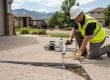
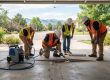
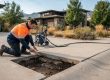
RiseLock focuses on polyurethane concrete lifting, leveling, and concrete repair. In the polyurethane approach, high-density foam is injected beneath suitable concrete to raise and stabilize the slab. The method addresses support below the surface while retaining the existing apron when its condition allows. It’s an alternative to starting with removal, not a promise that every damaged slab can be lifted.
Understanding the method helps clarify what an assessment needs to establish: whether the slab can be raised, what elevation change is appropriate, and whether the support problem can be addressed. The concrete leveling guide provides broader context on modern slab restoration and leveling approaches.
Take the next step toward a stable driveway entrance
When you discuss your apron with RiseLock, share its location in Aurora, the changes you’ve noticed, and any access concerns around the driveway entrance. Photos of the slab edges, cracks, joints, and adjoining panels can help describe the issue. Include where water collects and whether the dip or transition appears to have changed over time.
Those details help frame the project, but the repair approach depends on an assessment of the concrete and site conditions. If lifting is suitable, RiseLock can use polyurethane concrete lifting to restore support and raise the existing slab. If the apron’s condition calls for a different repair, the plan should reflect what the concrete can reasonably support.
For sunken driveway apron repair Aurora, a careful evaluation is the practical first step toward choosing a repair that fits the actual problem. Contact RiseLock about Aurora concrete lifting and request a project assessment.
Move toward a more stable driveway entrance
A low spot at the driveway entrance doesn’t have to remain an open question. The useful next step is to turn what you’ve noticed into an assessment that clarifies the apron’s condition and the repair options that fit it. That gives you a clearer basis for deciding how to restore a smooth, functional transition.
RiseLock serves Aurora with polyurethane concrete lifting and leveling, focusing on concrete restoration without traditional mudjacking. For a suitable slab, the approach can raise and stabilize the existing concrete. An assessment helps determine whether that method fits your apron and site conditions.
If you’re considering sunken driveway apron repair Aurora, share the location, visible changes, and any access concerns as you take the next step. RiseLock serves communities across the area, including Denver, Aurora, Centennial, Parker, Colorado Springs, Englewood, Littleton, Lakewood, Arvada, Thornton, Wheatridge, Castle Rock, Castle Pines, and Boulder. Request an assessment for your sunken driveway apron in Aurora to discuss the slab and its support.
Frequently Asked Questions
Can a sunken driveway apron be lifted without replacing the concrete?
Yes, an apron may be lifted without replacement if the existing slab is sound enough to raise and stabilize. Polyurethane lifting places high-density foam beneath suitable concrete to help restore its position. A slab broken into loose pieces or weakened across much of its surface may call for a different repair. An assessment helps determine whether preserving the existing concrete is practical for that apron.
How do I know if my driveway apron is sinking or just cracked?
A crack alone doesn’t confirm that an apron has sunk. Look for a measurable height difference between the apron and adjoining concrete, a change in slope, or a joint that has opened alongside visible slab movement. For example, if a crack is present but both sides remain at the same elevation, settlement may not be the issue. Photographs from consistent angles can help track whether the surface changes over time.
What causes a driveway apron to sink in Aurora?
Loss or movement of soil support can cause an apron to settle. Water reaching the slab edge may contribute to erosion or changing support, while poor compaction can also be a factor. Aurora’s expansive clay soils and freeze-thaw conditions can influence how soil and concrete move, but they don’t establish the cause at a particular property. The location of the dip, joints, and drainage paths helps guide an on-site assessment.
How much does sunken driveway apron repair cost in Aurora?
The cost depends on the apron’s dimensions, concrete condition, access, and the repair method appropriate to the site. A repair involving a sound slab that can be lifted has a different scope from work involving severely deteriorated concrete or multiple connected panels. An assessment helps define the affected area and proposed work so the project estimate reflects actual conditions, rather than a general price range that may not fit your entrance.
How long does polyurethane driveway apron lifting take?
There isn’t one reliable duration for every apron project. The work time can depend on the area being treated, the slab’s condition, site access, and the adjustments needed during lifting. A small, accessible section may involve a different scope than an apron connected to several uneven panels. The project assessment can outline the expected work sequence based on the specific slab and site conditions, rather than a blanket time estimate.
Can water or snowmelt make a driveway apron sink further?
It can contribute if water repeatedly reaches the slab edge and affects the soil supporting the concrete. Runoff that collects at a joint or follows the driveway edge is worth documenting, especially if the low area changes after wet periods. Water isn’t automatically the only cause, however. Note where it flows and pools, then have those patterns considered alongside slab movement and elevation when the repair approach is assessed.
How soon can I drive over a repaired driveway apron?
Follow the project-specific return-to-use instructions before driving over the repaired apron. The appropriate timing depends on the work performed and site conditions, so a general timeframe shouldn’t substitute for guidance for your project. RiseLock serves Aurora and Colorado communities including Denver, Centennial, Parker, Colorado Springs, Englewood, Littleton, Lakewood, Arvada, Thornton, Wheatridge, Castle Rock, Castle Pines, and Boulder. Plan vehicle access around the instructions provided for the completed repair.