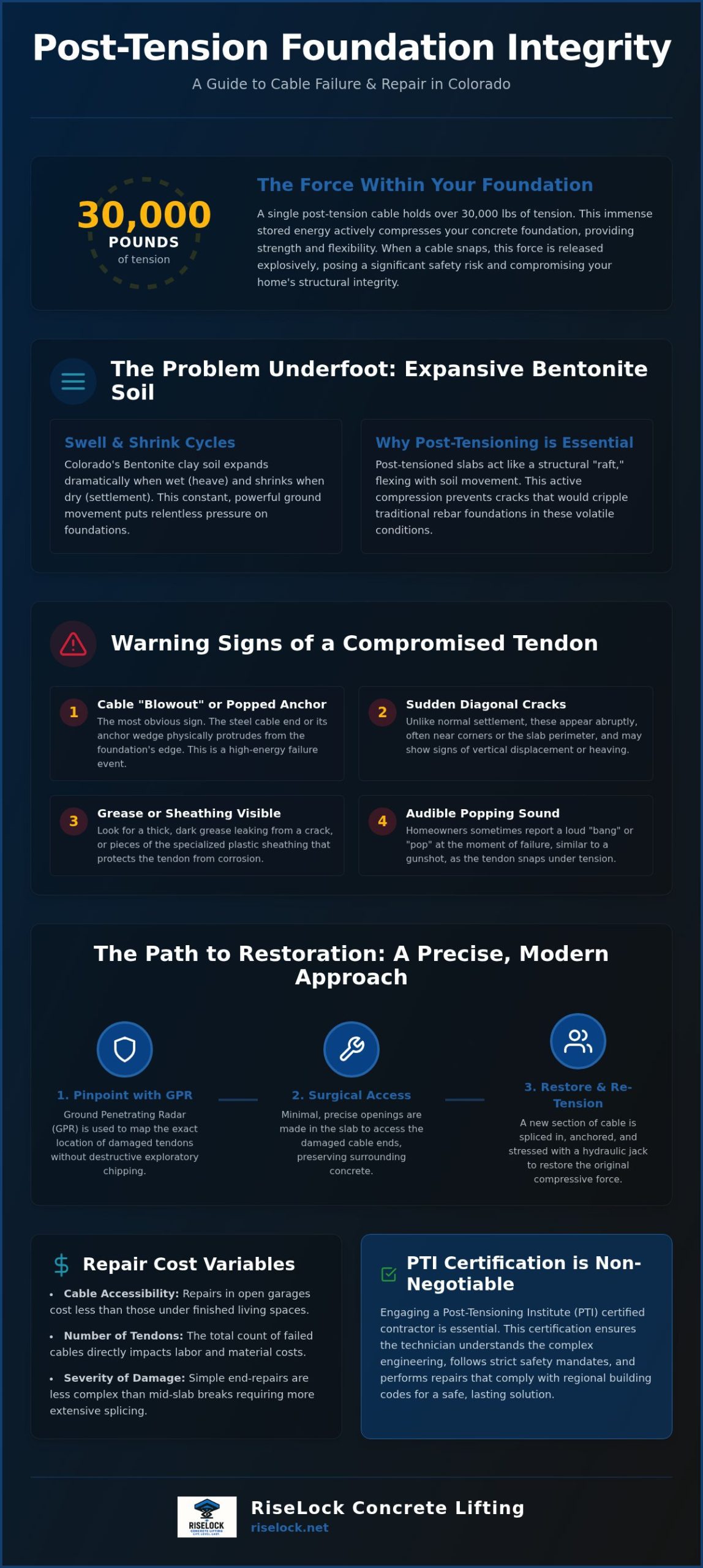
A single post-tension cable in your Colorado foundation holds over 30,000 pounds of tension; that is enough stored energy to cause significant structural damage if a failure occurs. When you notice a snapped tendon or a “blowout” in your slab, the immediate sense of dread is completely justified. You know this isn’t a simple cosmetic crack. The technical complexity of these high-tension systems often leads to confusion, especially when you are trying to find a PTI-certified contractor who understands the unique challenges of Colorado’s expansive bentonite soils.
We understand that a compromised foundation feels like a personal priority that requires an ethical, precise solution. This guide will help you evaluate the critical safety implications of cable failure and explain the variables that influence the cost of post tension cable repair Colorado property owners must consider. You’ll learn why immediate intervention is necessary to maintain structural integrity and how modern restoration techniques can stabilize your foundation. Our goal is to provide a clear path toward a safe, reinforced structure without the need for total slab replacement, giving you long-term security and peace of mind. We’ll move through the technical requirements of the repair process and the specialized skills needed to restore your property’s value.
Key Takeaways
- Colorado’s expansive bentonite soils create unique structural pressures that make post-tensioned foundations a critical necessity for long-term property stability.
- Identifying the signs of a cable blowout early can prevent further structural degradation and mitigate the safety risks associated with high-tension steel failure.
- Modern repair techniques utilize Ground Penetrating Radar (GPR) to pinpoint damaged tendons with surgical precision, minimizing the need for extensive slab demolition.
- The overall cost of post tension cable repair Colorado projects require depends on specific variables such as cable accessibility and the total number of tendons needing restoration.
- Engaging a PTI-certified contractor is essential for ensuring that all structural reinforcements comply with strict regional building codes and rigorous safety mandates.
The Critical Role of Post Tension Cable Repair in Colorado’s Climate
Post-tensioning is a sophisticated method of reinforcing concrete that utilizes high-strength steel tendons to apply active compression to a slab. Unlike traditional reinforcement, which remains passive until the concrete begins to crack, post-tensioned systems actively pull the concrete together. This engineering principle, often categorized under Prestressed and Post-Tensioned Concrete, allows for thinner slabs that can withstand significantly higher tensile stresses. In Colorado, this is not just an architectural choice; it’s a structural necessity. When these cables fail, the internal compression that holds the foundation together vanishes. Understanding the factors affecting the cost of post tension cable repair Colorado homeowners face is the first step toward structural restoration.
Understanding Colorado’s Expansive Soils
The primary driver behind the widespread use of this technology is the presence of Bentonite clay throughout the Front Range. This soil is notoriously expansive. It swells significantly when wet and shrinks during dry periods. These moisture cycles create immense upward and downward pressures, known as heave and settlement. For a concrete slab, this movement is relentless. The internal steel tendons are designed to absorb these forces by keeping the concrete in a constant state of compression. However, when soil-driven slab movement exceeds the system’s design limits or moisture penetrates the protective sheathing, it leads to tendon fatigue and corrosion. Over time, the repeated cycles of soil expansion can cause a cable to snap, compromising the entire foundation’s ability to resist ground movement.
Why Post-Tensioning is Essential for Local Structures
Traditional rebar-reinforced foundations often struggle in high-heave areas because they lack the flexibility to move with the soil without cracking. In contrast, post-tensioned slabs are thinner and more resilient, acting almost like a structural raft that can pivot as the ground shifts. This flexibility is why post tension installation is the engineering standard for modern Colorado residential builds. It provides a level of durability that traditional methods cannot match in volatile soil conditions.
Restoring a failed cable is about more than just fixing a piece of steel. It involves re-establishing the active force that prevents structural concrete failure. While the cost of post tension cable repair Colorado residents encounter can vary based on the severity of the damage, the primary goal remains the same. We focus on returning the slab to its original compressed state to ensure the home remains safe and level despite the volatile soil beneath it. Professional intervention ensures that these high-tension systems are handled with the precision required to maintain long-term security.
Identifying Signs of Post-Tension Cable Failure and Blowouts
A post-tension cable failure is rarely a subtle event. When a tendon snaps, the sudden release of over 30,000 pounds of force can cause what professionals call a “blowout,” where the cable or its anchor actually exits the slab. This is a high-energy event that poses immediate safety risks to anyone nearby and threatens the structural integrity of the entire foundation. While the physical danger is the primary concern, the resulting loss of compression significantly impacts the long-term stability of the concrete. Recognizing these warning signs early is essential for determining the eventual cost of post tension cable repair Colorado property owners will face.
Visual Red Flags in the Concrete
The most obvious sign of failure is a “popped anchor,” where the steel cable end or the wedge assembly protrudes from the edge of the slab. However, many failures occur internally and require a more observant eye. Look for diagonal cracks that appear suddenly, especially near the corners of the foundation or at the slab perimeter. Unlike standard settlement cracks, these often show signs of heaving or vertical displacement. You might also notice specialized plastic sheathing or a thick, dark grease leaking from the concrete. This grease is a corrosion inhibitor meant to protect the steel; its presence on the exterior of your slab indicates that a cable’s protective barrier has been breached. Rust staining near anchor points is another critical indicator, suggesting that moisture has reached the high-tension steel and initiated the weakening process.
Audible and Structural Warning Signs
Homeowners often report a sound similar to a loud gunshot or a heavy object hitting the floor when a cable fails. This acoustic signature is the result of the steel snapping under intense pressure. Once a single cable breaks, it no longer provides the compression necessary to resist Colorado’s expansive soil movements. This failure increases the load on the remaining tendons, which can lead to a cascading effect of further breaks. A compromised system significantly reduces the load-bearing capacity of the foundation, often manifesting as sloping floors or doors that suddenly stick in their frames.
If you observe any of these indicators, it’s vital to seek an inspection from a technician with Post-Tensioning Institute (PTI) Certification. Handling live tension requires specialized equipment and training to ensure the safety of the occupants and the workers. Addressing these issues promptly through professional concrete repair can prevent the damage from spreading to other structural elements of the home. Early detection is the most effective way to manage the total cost of post tension cable repair Colorado projects require, as it allows for targeted restoration rather than broader slab stabilization.
The Technical Process of Professional Tendon Restoration
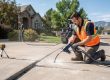
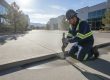
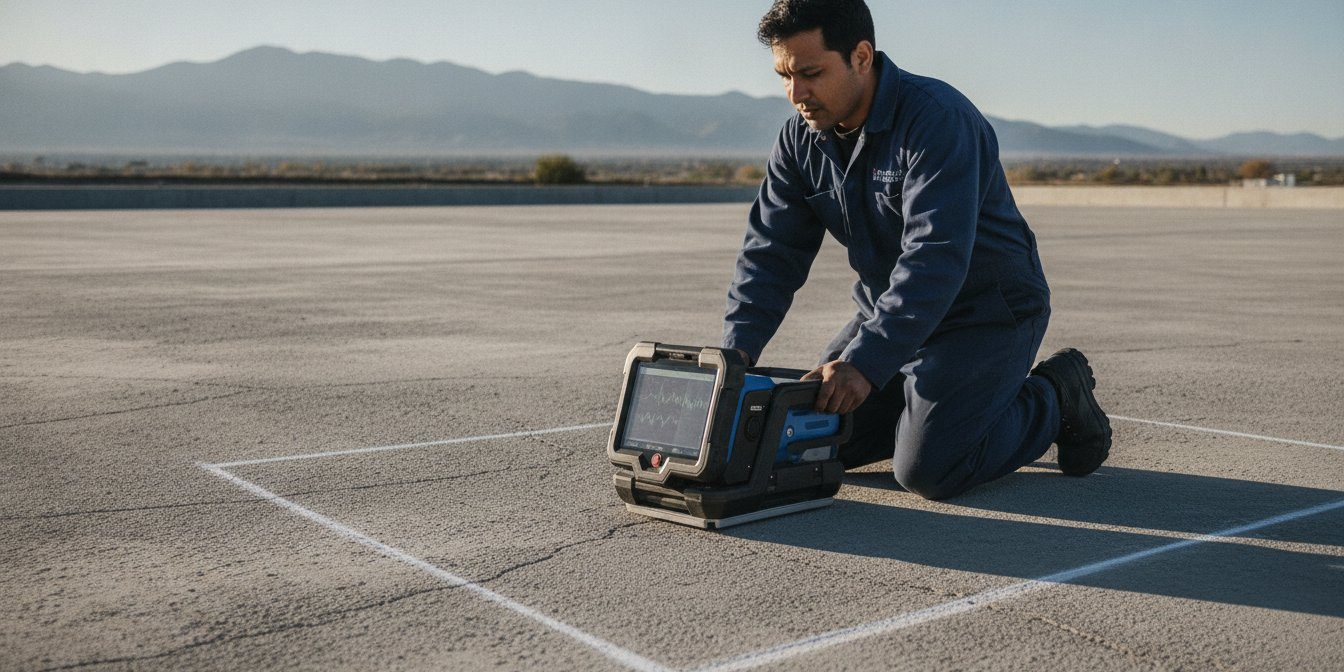
Repairing a post-tensioned system is a surgical procedure that requires technical mastery and specialized equipment. It begins with identifying the exact path of the damaged cable to prevent further structural damage. We utilize Ground Penetrating Radar (GPR) to scan the concrete, allowing our technicians to visualize the internal layout of the tendons before any excavation begins. This level of precision is vital because accidentally striking a healthy, live tendon during the repair could trigger a secondary blowout. Such mistakes significantly escalate the safety risks and the ultimate cost of post tension cable repair Colorado property owners must manage. Professional intervention ensures that every step follows a logical progression of safety and stabilization.
Locating and Excavating the Damage
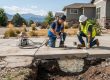
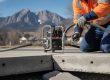
Once the cable path is mapped, we perform a controlled excavation to create an access pocket around the failed anchor or the severed tendon ends. This pocket is a localized opening that allows our technicians to reach the steel without compromising the surrounding slab. Precision is the priority; we use specialized tools to remove the concrete carefully. Non-destructive testing and scanning are the standard protocols for any high-quality project involving active tension systems.
Splicing, Tensioning, and Finishing
After the damaged steel is accessed, we install a high-strength PT coupler to join a new steel strand to the existing tendon. We use calibrated hydraulic jacks to apply the precise force required to restore compression, following Post-Tensioning Institute (PTI) standards. We verify the tension by measuring elongation, calculating the physical stretch of the steel. Finally, we apply corrosion-inhibiting grease and seal the pocket with high-strength, non-shrink grout.
The final phase of the restoration process ensures the longevity of the repair against Colorado’s harsh environmental factors. Once the tension is locked and verified, the non-shrink grout provides a durable patch that matches the strength of the original slab. This methodical approach protects the high-strength steel from moisture and de-icing salts, which are common causes of corrosion in the Front Range. By addressing the failure with surgical accuracy, we restore the foundation’s load-bearing capacity and prevent the need for more invasive measures. This focused intervention helps stabilize the total cost of post tension cable repair Colorado residents encounter while providing the peace of mind that comes with a professionally certified repair.
Evaluating the Cost Factors of Post Tension Repair in Colorado
Understanding the cost of post tension cable repair Colorado homeowners encounter requires a detailed look at the specific variables of the failure. It’s rarely a one-size-fits-all estimate because each project is a unique engineering challenge. The primary driver of the project scope is the total number of tendons that have lost tension. Each failed cable requires its own mapping, excavation, and re-stressing sequence. For commercial properties or complex residential foundations, professional engineering oversight is often mandatory to certify the restoration, adding a layer of technical verification that ensures the structure meets local building codes.
Variables That Influence Repair Expenses
Accessibility is a major determinant of labor intensity. A cable that is easily reached from an exterior slab edge involves significantly less preparation than a tendon located beneath finished basement flooring or behind structural drywall. The depth of the cable and the thickness of the concrete also dictate the time required for the excavation process. When a blowout occurs, the energy release often causes extensive coning or spalling of the concrete around the anchor point. Repairing this secondary damage requires additional high-strength materials and meticulous patching to restore the slab’s original profile. In situations where a snapped cable poses an immediate safety risk, emergency mobilization may be necessary to stabilize the site quickly.
The ROI of Immediate Intervention
Investing in a targeted repair is much more economical than the alternative of total slab demolition and replacement. A single failed tendon left unaddressed can lead to a cascading failure of the entire reinforcement system, particularly in the Front Range where soil movement is a constant threat. Certified repairs are also essential for preserving property value. Most lenders and home inspectors will flag a broken post-tension system as a critical structural defect, making a property difficult to sell until the system is professionally restored and certified.
To maximize the value of your investment, we often suggest a dual-approach strategy. By combining tendon restoration with concrete lifting solutions, we can stabilize the underlying soil while simultaneously restoring the slab’s internal compression. This synergy addresses both the symptom and the cause of the movement, preventing future failures. If you have noticed signs of structural distress, obtaining a professional structural assessment is the most effective way to secure your foundation and avoid the higher expenses associated with long-term neglect.
Why PTI Certification is Mandatory for Colorado Structural Repairs
The Post-Tensioning Institute (PTI) establishes the rigorous protocols necessary for the design, installation, and repair of prestressed concrete systems. In Colorado, these standards aren’t just suggestions; they are vital safety mandates due to the high-stakes nature of stabilizing slabs on expansive bentonite soils. Hiring a contractor without these credentials introduces significant physical and financial risks to your property. When considering the cost of post tension cable repair Colorado residents must weigh the price against the safety and legality of the intervention. A certified technician understands that they aren’t just fixing a wire. They are managing a high-energy structural system that requires exact tensioning, calibrated equipment, and specific corrosion protection to remain viable over the long term.
The Safety Risks of Unqualified Labor
The most immediate danger of using uncertified personnel is a catastrophic failure during the re-tensioning phase. If a cable is stressed improperly or if the hydraulic equipment isn’t calibrated to PTI standards, the steel can snap with enough force to penetrate structural walls. Beyond the physical threat, unqualified labor often neglects the chemical precision required for durability. Using the wrong type of grout or failing to properly apply corrosion-inhibiting grease leads to premature failure. This neglect ultimately increases the long-term cost of post tension cable repair Colorado property owners face by forcing them to address the same issue multiple times. It’s also vital to consider the liability; property owners can be held responsible for accidents or municipal code violations resulting from hiring uncertified help for concrete repair Denver Colorado projects. Certified expertise ensures the work meets the 2024 International Residential Code standards enforced throughout the Front Range.
RiseLock’s Integrated Structural Solutions
RiseLock positions itself as a specialized partner by addressing the root cause of structural distress alongside the cable failure. While many contractors only look at the snapped steel, we understand that soil instability is the primary catalyst for tension loss in Colorado. Our approach integrates polyurethane lifting to stabilize the subgrade, creating a firm foundation for the repaired slab to rest upon. This “RiseLock advantage” ensures that once the cables are restored to their proper tension, the soil beneath them won’t continue to shift and create new points of fatigue. We bridge the gap between advanced technology and ethical service, providing a comprehensive restoration that protects your home’s resale value. By handling both the leveling and the cable restoration, we offer a streamlined process that prioritizes your peace of mind and structural security.
Request Your Structural Evaluation from RiseLock’s Certified Experts to ensure your property receives the precision and technical mastery it requires.
Securing Your Structural Future with Precision Restoration
Maintaining the integrity of a post-tensioned foundation requires a proactive approach that balances technical precision with a deep understanding of local environmental pressures. You have learned that identifying the early signs of cable failure and understanding the rigorous PTI-certified repair process are essential steps in protecting your property. By addressing both the internal tension of the slab and the stability of the underlying soil, you ensure a comprehensive solution that prevents future structural degradation.
While the variables influencing the cost of post tension cable repair Colorado property owners face are complex, prioritizing immediate intervention is always the most ethical and financially sound decision. RiseLock acts as a dedicated partner in structural security. Our PTI-certified technicians are specialists in Colorado expansive soils, and we maintain an A+ rating for structural ethics and precision. This commitment to high standards ensures that every repair is executed with technical mastery and long-term durability in mind.
Request Your Structural Evaluation from RiseLock’s Certified Experts to begin the process of restoring your foundation’s strength. You can move forward with confidence, knowing your structural concerns are handled by professionals who treat your home’s security as a personal priority.
Frequently Asked Questions
Is a broken post-tension cable a structural emergency?
A broken post-tension cable is a serious structural concern that requires immediate professional evaluation. While you might worry about the cost of post tension cable repair Colorado property owners face, the risk of a sudden blowout is far more significant. Because each tendon is stressed to over 30,000 pounds of force, a break releases immense energy. In the Front Range, these cables are the primary defense against expansive soils, making their restoration a high priority for building safety.
How do I know if my Colorado home has a post-tension slab?
You can typically identify a post-tensioned slab by looking for a warning stamp in the concrete, often located in the garage. This stamp usually reads “Post-Tensioned Slab; Do Not Cut or Drill.” Additionally, you can inspect the exterior foundation edge for small, circular plastic caps or grout-filled pockets. These indicators mark the anchor points where technicians originally stressed the cables. If you’re unsure, a structural assessment can confirm the reinforcement method used on your property.
Can you repair a post-tension cable without replacing the whole driveway?
Yes, we can repair specific tendons without the need for total concrete replacement. Our process involves using Ground Penetrating Radar to locate the damaged cable followed by a precise, localized excavation of a small access pocket. This surgical approach allows us to splice the broken steel and re-tension the system while leaving the majority of your driveway or slab intact. It’s a far more efficient and cleaner alternative to traditional demolition and replacement methods.
What causes post-tension cables to fail in the Denver area?
Corrosion is the leading cause of cable failure in the Denver area, often accelerated by Colorado’s intense freeze-thaw cycles. When moisture or de-icing salts penetrate the protective sheathing, the steel begins to weaken. Additionally, the constant movement of expansive Bentonite clay soils puts repetitive stress on the tendons. Over time, this fatigue or chemical degradation causes the high-strength steel to snap, necessitating a professional restoration to ensure the structure remains stable and safe for the long term.
How long does a typical post-tension cable repair take?
A typical single-cable repair generally takes one to two business days to complete. The first phase involves mapping the cable path and excavating the access pocket. The second phase focuses on splicing the tendon, re-stressing it to exact engineering specifications, and sealing the pocket with non-shrink grout. While complex projects with multiple failed cables may take longer, our methodical approach ensures the work is finished efficiently without compromising the technical precision required for structural safety.
What is the risk of ignoring a broken post-tension anchor?
Ignoring a broken anchor or cable increases the risk of a cascading failure where the remaining tendons are forced to carry excessive loads. This often leads to visible foundation heaving, sloping floors, and cracked drywall. Beyond the structural damage, a failed system is a major liability during a property sale. Most lenders in Colorado Springs and Denver won’t approve a mortgage until the system is professionally restored and certified by a PTI-certified professional.
Is PTI certification really necessary for residential repairs?
Yes, PTI certification is essential because it verifies that a technician has the specialized training to handle live-tension systems safely. Working with high-strength steel under thousands of pounds of pressure is inherently dangerous for uncertified labor. Many municipalities across the Front Range now mandate that all post-tension work be performed by certified personnel to comply with the 2024 International Residential Code. This certification protects property owners from both physical risks and legal liabilities during structural work.
How much does post-tension cable repair cost in Colorado?
The total cost of post tension cable repair Colorado projects require depends on several specific variables. We evaluate the number of damaged tendons, their depth within the concrete, and how easily they can be accessed. For instance, a repair located under finished basement flooring requires more preparation than one on an exposed exterior edge. Our goal is to provide a precise restoration that avoids the massive expense of total slab replacement while ensuring long-term structural security.