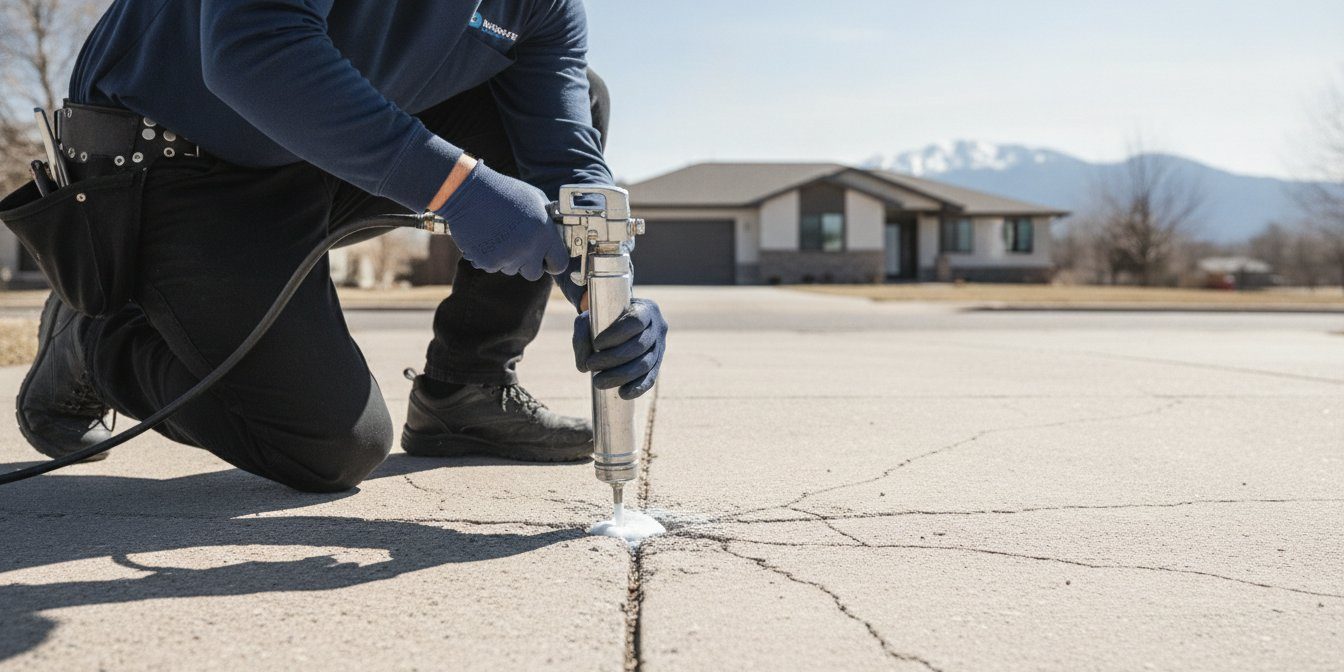
Did you know that the expansive clay soils beneath your feet can exert a force of up to 30,000 pounds per square foot against your concrete? In Denver, this geological pressure is the silent architect behind the shifting slabs and widening gaps in your entryway. Most homeowners initially respond to these issues with quick DIY patches, only to see those same fractures reappear after the next Colorado freeze-thaw cycle. It’s a frustrating cycle that leaves you with recurring trip hazards and a steady decline in your home’s curb value.
We understand that you’re looking for more than a cosmetic band-aid; you need a solution that respects the structural integrity of your property. This article details why the surface-level cracked driveway repair Denver homeowners often attempt is destined to fail and how modern polyurethane stabilization provides a precise, long-term alternative. You’ll learn how addressing the soil-void root cause creates a level, reliable surface that lasts far longer than a single season. We will examine the technical advantages of high-density foam and why this non-invasive method has become the professional standard for navigating Denver’s unique environmental challenges.
Key Takeaways
- Learn why Denver’s expansive bentonite clay causes concrete to shift and how these soil cycles make cosmetic fixes ineffective.
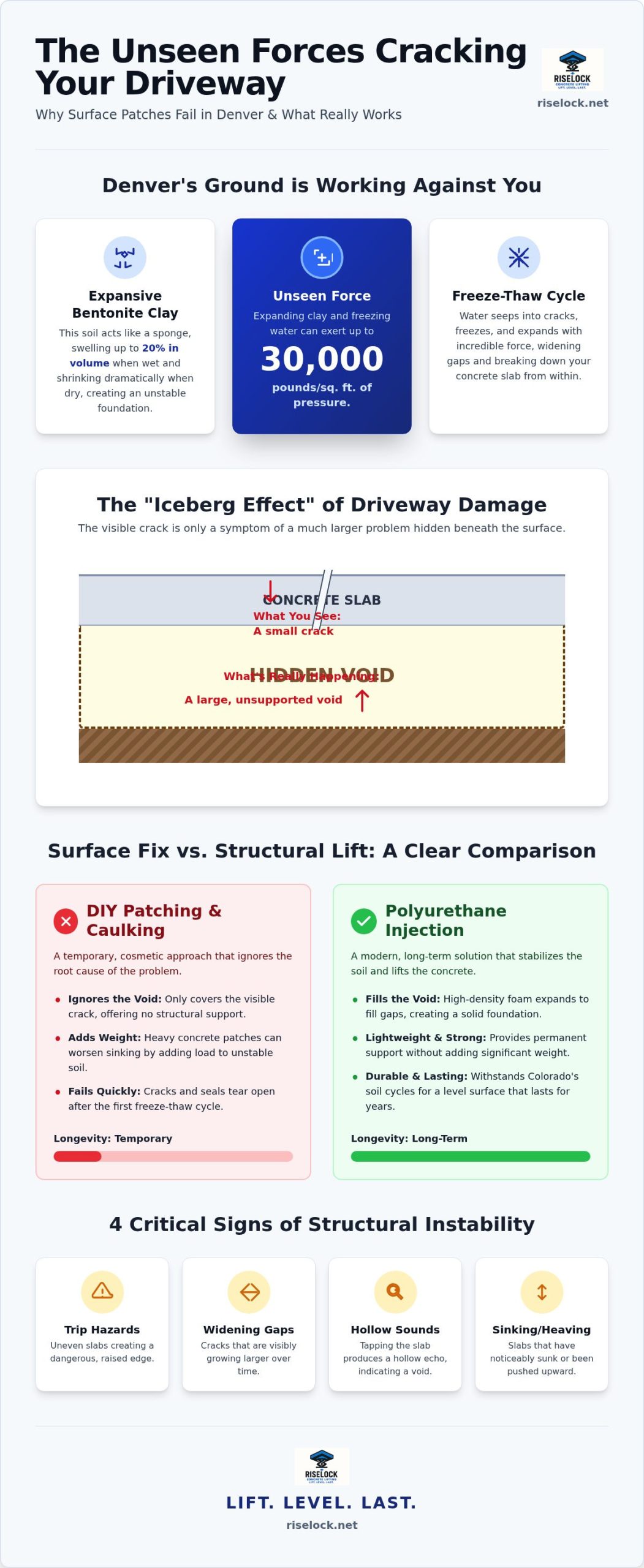
- Understand the “Iceberg Effect,” where visible cracks represent only a small portion of the structural voids hidden beneath your driveway slab.
- Discover how high-density polyurethane injection provides a precise, non-invasive solution for cracked driveway repair Denver homeowners can rely on for long-term stability.
- Identify critical warning signs such as trip hazards and hollow sub-slab sounds that indicate a need for professional structural assessment.
- Explore the technical advantages of foam concrete lifting to achieve a level surface that withstands Colorado’s extreme freeze-thaw cycles.
Understanding Why Denver Driveways Crack: The Role of Expansive Soils
Denver’s geology presents a unique challenge for residential infrastructure. The Front Range is characterized by high concentrations of expansive clay, particularly bentonite. This mineral is notorious for its high shrink-swell capacity. When Colorado’s seasonal rains or snowmelt saturate the ground, this clay can expand by as much as 20% in volume. Conversely, during the region’s intense dry spells, the soil loses moisture and shrinks significantly. This constant mechanical movement creates unstable conditions beneath heavy concrete surfaces. As the soil retreats, it leaves behind hollow voids that offer no structural support. Without a solid foundation, the concrete eventually yields to gravity. Slab settlement is the primary cause of structural cracking in Colorado, occurring when the soil beneath the concrete can no longer support its weight.
The Impact of the Denver Freeze-Thaw Cycle
Denver’s climate features over 300 days of sunshine, which effectively dehydrates sub-soils and accelerates the shrinking process. However, the winter months introduce a destructive freeze-thaw cycle. When moisture enters existing fissures, it freezes and expands, exerting up to 30,000 pounds of pressure per square foot. This immense force actively widens gaps and compromises the slab’s integrity. Most standard DIY patches fail during the first seasonal transition because they lack the flexibility to move with the soil. Effective cracked driveway repair Denver residents require must address these subsurface dynamics rather than just covering the surface.
Identifying “Settlement” vs. “Heaving”
Understanding the direction of concrete movement is the first step in a professional restoration. Settlement refers to the sinking of a slab, often caused by the formation of subsurface voids or the natural compaction of poorly prepared fill dirt. In contrast, heaving occurs when upward pressure from expanding clay or frost physically lifts the concrete. While both result in unsightly fractures, the remedy for each differs significantly. Identifying whether a slab has dropped or been pushed upward is critical for selecting the right repair method. Without this technical distinction, a repair might address a visible symptom while the underlying structural instability continues to worsen. This is why a precise assessment is a prerequisite for any lasting cracked driveway repair Denver project.
Surface Repairs vs. Structural Stabilization: Why Patching Isn’t Enough
Many homeowners view a crack as a surface-level nuisance that can be resolved with a trip to the local hardware store. However, these visible fractures are often just the tip of the iceberg. What you see on the surface is usually much smaller than the hollow void lurking beneath the slab. Applying a cosmetic patch or a layer of concrete over the gap does nothing to support the weight of the driveway. In fact, adding heavy concrete patches can actually accelerate the sinking process by increasing the load on already unstable soil. Because expansive clay is recognized as Colorado’s most significant geologic hazard, any lasting cracked driveway repair Denver requires must address the structural deficit under the concrete.
True restoration involves more than masking the damage. It requires a method that restores the foundation. This is where polyurethane concrete lifting serves as a modern, structural fix. Instead of adding weight, this technique uses high-density foam to fill the underlying voids and provide a permanent, lightweight support system. By stabilizing the soil first, we ensure the slab has the necessary reinforcement to handle the weight of vehicles and the pressure of environmental shifts.
The Failure of Traditional Concrete Caulking
Flexible sealants and caulks serve a specific purpose: they prevent water from entering the soil and exacerbating the freeze-thaw cycles. While this is a necessary maintenance step, it offers zero load-bearing support. If the slab continues to settle into a sub-surface void, the movement will eventually tear through even the most high-quality flexible sealants within months. Professional stabilization must precede any cosmetic sealing to ensure the driveway remains level and the sealant remains intact. Without a stable base, caulking is merely a temporary aesthetic improvement that fails to solve the underlying problem.
Why RiseLock Avoids Traditional Mudjacking
Older methods like mudjacking involve pumping a thick slurry of sand, cement, and soil under the concrete. This approach is problematic in the Denver metro area because the slurry is incredibly heavy. Adding thousands of pounds of wet material to already unstable soils often leads to secondary settlement, where the new weight causes the soil to sink even further. Additionally, the organic components in mudjacking material can wash away or shrink over time, causing the slab to drop again. In contrast, RiseLock utilizes structural foam that is lightweight and chemically inert. It provides a clean, precise lift that won’t degrade or wash away. If you’re ready to move beyond temporary patches, our team can provide a professional structural assessment to determine the best path forward for your driveway.
Polyurethane Injection: The Modern Standard for Driveway Leveling
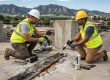
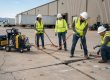
High-density polyurethane injection has established itself as the technical benchmark for structural concrete restoration. This method utilizes a two-part polymer that, when combined, undergoes a controlled chemical reaction to expand and fill every cubic inch of a subsurface void. Because the foam expands in all directions, it provides a comprehensive support structure that traditional materials cannot match. We utilize this expansion to achieve remarkable precision, lifting sunken slabs to within 1/10th of an inch of their original grade. This level of accuracy is essential for effective cracked driveway repair Denver homeowners rely on to eliminate trip hazards and restore proper drainage.
One of the most significant advantages of this modern approach is the speed of implementation. While a traditional concrete pour requires days of curing time, polyurethane reaches 90% of its full compressive strength within minutes. Most driveways are fully operational and ready for vehicle traffic in just 15 to 30 minutes after the injection is complete. Additionally, the material is environmentally responsible. Polyurethane is chemically inert once cured, ensuring it won’t leach harmful chemicals into the local groundwater or soil.
The Injection Process: Precision and Cleanliness
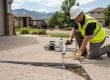
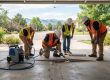
The physical application of structural foam is significantly less invasive than legacy methods. We drill penny-sized injection holes through the slab, a stark contrast to the large, unsightly holes required for traditional mudjacking. These small access points are easily patched and become nearly invisible over time. As the foam enters the void, it reacts to consolidate loose soil particles, creating a dense, stable base that resists further movement. This clean, efficient process is why many residents in Centennial and Parker prefer our method for concrete leveling when faced with the shifting soils of the Front Range.
Durability and Load-Bearing Capacity
The structural integrity of polyurethane is engineered to withstand the rigors of residential use. Once cured, the foam possesses a high load-bearing capacity, easily supporting the weight of heavy SUVs and frequent delivery truck traffic. Because the material is hydrophobic, it remains entirely unaffected by moisture and won’t wash away during heavy spring rains or snowmelt. This is a critical factor in managing Colorado’s most significant geologic hazard, as the foam provides a permanent barrier against soil erosion. Polyurethane maintains its structural volume for decades, unlike cementitious grouts that are prone to shrinking and degradation over time.
Assessing Your Driveway: When to Repair and When to Reinforce
Identifying the right time for intervention requires a systematic diagnostic approach. Homeowners should look for specific visual cues that signal underlying distress. Trip hazards are the most common indicator, often occurring at the joints where one slab has settled significantly lower than its neighbor. Pooling water is another red flag; if your driveway no longer sheds water efficiently, it suggests a change in the slab’s pitch due to soil movement. Spider-web cracking patterns across the surface often indicate that the concrete is flexing under load because it lacks support from below.
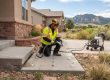
A simple “Thump Test” can reveal much about what’s happening beneath the surface. By tapping the concrete with a heavy tool or walking firmly across the area, you can listen for hollow sounds. These acoustic changes signal significant sub-slab voids where the soil has eroded or shrunk, necessitating the type of cracked driveway repair Denver homeowners rely on to prevent total slab failure. If you measure a drop of more than 2 inches between slabs, the need for stabilization becomes urgent. For homes with chronic soil instability, post tension installation provides a high-level reinforcement strategy that keeps slabs unified even when the ground shifts.
The “Point of No Return” for Concrete
Concrete has a clear point of no return. When the surface begins crumbling or “spalling” extensively, the structural integrity is often too compromised for lifting to be effective. Lifting a severely shattered slab can cause further fragmentation rather than a clean restoration. In these cases, a professional assessment helps determine if you need a concrete repair Denver Colorado expert to stabilize the area or if a full demolition and repour is the only ethical recommendation. We prioritize precision, which means we won’t suggest a repair if the material itself has reached the end of its functional life.
Local Considerations for Aurora and Castle Rock
Locations like Aurora and Castle Rock present specific challenges. The southern metro area often deals with particularly aggressive clay concentrations that require deeper stabilization efforts. In Foothills communities, steep driveway inclines make slabs more susceptible to erosion from high-velocity runoff. Managing gutter downspout placement is a critical preventive measure; ensuring water discharges at least five feet away from the driveway edge can drastically reduce the risk of settlement. Effective cracked driveway repair Denver residents choose often starts with identifying these specific local environmental factors. If you’ve noticed these warning signs, our team can provide a technical driveway evaluation to identify the most durable solution for your property.
RiseLock’s Precision Approach to Denver Driveway Restoration
RiseLock operates on a principle of quiet authority. We believe the results of a high-precision repair should speak more clearly than any marketing claim. In our view, a driveway isn’t merely a cosmetic feature of your home; it’s a critical structural component that protects your property’s foundation and overall value. While a general mason might offer a standard repour or a surface patch, choosing a specialized concrete lifting solutions provider ensures that the underlying soil mechanics are addressed. Our team follows a methodical process that begins with a comprehensive site assessment and ends with a stabilized, level surface. This focus on the foundation is what makes our cracked driveway repair Denver services a permanent alternative to seasonal patching.
Technical Mastery in Structural Reinforcement
Our approach is rooted in deep technical knowledge. We integrate our expertise in post-tension installation into every residential driveway assessment, allowing us to understand how internal tensions and external soil pressures interact. Our technicians don’t just look at where a crack has formed; they investigate why it happened in the first place. By identifying the specific soil dynamics at play, we can implement a repair that targets the root cause of the instability. This commitment to integrity has defined our work across the Denver, Aurora, and Lakewood communities for years. We view ourselves as your professional guide, moving you away from the stress of recurring damage toward the security of a permanent fix. We take pride in maintaining high standards that mirror the physical strength of the structures we restore.
Taking the Next Step Toward a Stable Driveway
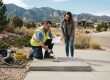
When you schedule a professional consultation with RiseLock, you can expect a thorough, technical evaluation of your concrete’s condition. We take the time to explain the science behind our methods, ensuring you understand how polyurethane injection will stabilize your specific soil profile. Our crew is trained to work with surgical precision, minimizing disruption to your daily schedule and preserving your existing landscaping. We arrive prepared to execute a clean, efficient repair that restores your peace of mind along with your driveway’s surface. Choosing the right partner for cracked driveway repair Denver projects means prioritizing technical expertise over quick fixes. If you’re tired of temporary solutions and are ready for a result that lasts, Contact RiseLock for a Professional Driveway Assessment today. Our goal is to provide a repair that outlives the single-season band-aids common in the industry, giving you a level driveway that stays that way.
Securing Your Home’s Foundation with Precision Restoration
Denver’s expansive clay soils require a repair strategy that addresses the structural voids beneath the concrete surface. While cosmetic patches offer a temporary aesthetic fix, long-term stability depends on professional soil consolidation and precise slab leveling. High-density polyurethane injection has replaced outdated methods as the modern standard, providing a lightweight and non-invasive way to restore the integrity of your driveway without the risks associated with heavy cement slurries.
Our team of specialized polyurethane experts focuses on the technical mastery required to navigate the Front Range’s unique geological challenges. We view every project as a personal priority, ensuring that your property remains safe and your home’s value is preserved. If you’re ready to transition away from recurring trip hazards and seasonal maintenance, it’s time to choose a solution built for longevity. For homeowners seeking reliable cracked driveway repair Denver, we offer the expertise needed to stabilize your entryway permanently.
Request a Precision Driveway Inspection from RiseLock
Protecting your investment starts with a clear understanding of your driveway’s structural health. We look forward to helping you restore the security and beauty of your property with a professional, ethical approach to concrete restoration. Serving Denver, Aurora, and the Front Range, we are committed to providing the high standards your home deserves.
Frequently Asked Questions
Is polyurethane driveway repair cheaper than replacing the concrete?
Polyurethane concrete leveling is significantly more cost-effective than a total repour, often costing 50% to 70% less than replacement. While a new slab requires demolition, hauling, and extensive labor, foam injection utilizes your existing concrete. This method avoids the high costs of raw materials and heavy equipment. It also eliminates the need for landscaping restoration that follows a full demolition, making it the preferred economical choice for cracked driveway repair Denver residents seek.
How long does a polyurethane driveway repair actually last in Denver?
A professional polyurethane repair is designed to last for decades because the material is chemically inert and hydrophobic. Unlike traditional cementitious fills, high-density foam doesn’t shrink, settle, or wash away when exposed to Denver’s heavy snowmelt or spring rains. Because it addresses the underlying soil voids, it provides a permanent support structure. When combined with proper joint sealing to prevent water infiltration, the stability of the lift remains intact for the life of the concrete.
Can you fix a driveway that has both cracks and sinking slabs?
We can certainly address both issues through a multi-step restoration process. First, we use polyurethane injection to lift and level the sunken sections, restoring the slab’s original grade and closing many of the wider fractures. Once the structure is stabilized and the voids are filled, we then treat the remaining cracks with high-grade sealants. This comprehensive approach ensures that the driveway is both level and protected against future moisture penetration from Colorado’s freeze-thaw cycles.
Will the foam injection holes be visible after the repair is done?
The injection holes are approximately the size of a penny, making them significantly less noticeable than the large holes used in traditional mudjacking. Once the stabilization is complete, we fill these access points with a color-matched concrete grout. Over a short period of time, as the patch cures and the driveway is exposed to natural weathering, these small spots blend into the existing surface. Most homeowners find that the holes become nearly invisible within a few months.
How soon can I drive my car on the driveway after it is lifted?
Your driveway is ready for immediate use, with most slabs supporting vehicle traffic within 15 to 30 minutes of the injection. Polyurethane reaches 90% of its full compressive strength almost instantly as the chemical reaction completes. This is a major advantage over traditional concrete replacement, which often requires you to park on the street for a week or more. Our process minimizes disruption, allowing you to return your vehicles to the garage the same day.
Does polyurethane foam work in the cold Denver winter months?
Polyurethane can be effectively installed during the winter, provided the ground beneath the slab isn’t frozen solid. While the chemical reaction generates its own heat to cure properly, we monitor soil temperatures to ensure optimal adhesion and expansion. Denver’s sunny winter days often provide the perfect window for repair work. Performing the stabilization before the heavy spring thaw can actually prevent further damage caused by water entering existing cracks and freezing again.
What happens if my driveway cracks again after a professional repair?
If new fractures appear, it usually indicates further movement in Denver’s highly expansive soils. We stand by the precision of our work and view every structural issue as a personal priority. Our technicians will conduct a follow-up assessment to determine if the movement is due to secondary settlement or shifting in deeper soil layers. We act as your professional partner, leading you through the necessary steps to maintain the long-term security and integrity of your concrete.