
Patching a concrete crack might hide the problem for a season, but unless you address the void beneath the surface, you’re simply waiting for the next settlement cycle. You’ve likely experienced the frustration of watching a temporary fix fail as Denver’s expansive soils shift beneath your property. When you’re seeking reliable structural concrete repair Denver homeowners can trust, it’s essential to look beyond the surface. You deserve a solution that prioritizes technical precision over temporary aesthetics.
This guide demonstrates how high-density polyurethane injection delivers a permanent, non-invasive answer to soil settlement and slab failure. We’ll examine the technical advantages of high-density foam, comparing its durability and lift capacity against traditional alternatives. You’ll discover how this modern intervention levels your surfaces and reinforces the underlying soil to prevent future sinking. By the end of this professional guide, you’ll understand how to restore your property’s value and safety without the mess or disruption of heavy machinery.
Key Takeaways
- Learn how high-density polyurethane resins create a permanent structural solid by expanding beneath the slab to fill voids and stabilize shifting soil.
- Understand why Denver’s bentonite clay and extreme temperature swings require specialized structural concrete repair Denver solutions that address the underlying cause of settlement.
- Discover the technical advantages of polyurethane over traditional methods. Its lightweight profile and rapid cure times allow for immediate property use.
- Identify practical applications for non-invasive repair, from restoring sunken driveways to reinforcing hollow garage floors without disturbing your landscaping.
- See why precision timing and expert injection patterns are critical for achieving a level, durable finish that protects your property value long-term.
What is Polyurethane Crack Injection and How Does it Work?
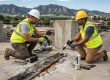
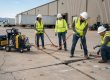
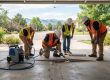
Polyurethane crack injection is a specialized method of structural stabilization that utilizes high-density, closed-cell polymer resins to restore the integrity of failing concrete. Unlike topical patches that only address surface aesthetics, this process involves injecting a two-part liquid directly into or beneath a concrete slab. When these two components meet, a chemical reaction occurs that causes the material to expand and harden into a rigid, structural solid in a matter of seconds. This rapid transformation is what allows for precise control during the lifting and leveling process.
The distinction between a cosmetic fix and a structural intervention is critical for long-term property health. Many traditional methods simply fill a gap without addressing the underlying cause of the failure. Polyurethane injection is designed to restore support by treating the soil and the slab as a single, stable system. Because the delivery system requires only small, penny-sized holes, the process is entirely non-invasive. You won’t have to worry about heavy excavation machinery tearing up your landscaping or the long wait times associated with pouring new concrete.
For homeowners seeking structural concrete repair Denver technicians can perform with surgical precision, this method offers a blend of speed and durability. The material is lightweight yet incredibly strong, providing a permanent fix that doesn’t add significant weight to already stressed soils.
The Science of High-Density Foam Expansion
The structural polyurethane used by RiseLock Concrete Lifting is engineered with an expansion rate of 20 to 30 times its initial liquid volume. As the resin is injected, it follows the path of least resistance, aggressively seeking out deep voids and microscopic fissures that are invisible from the surface. This expansion does more than just fill space; it actively compacts loose or un-compacted soil beneath the concrete. Once the soil is fully densified, the upward pressure of the expanding foam begins to lift the slab back toward its original position. High-density polyurethane is specifically formulated with high compressive strength, which is the material’s measured ability to support heavy vertical loads from vehicles or structural walls without deforming or collapsing.
Why Closed-Cell Matters for Moisture Resistance
In the context of structural concrete repair Denver properties often require, the material’s relationship with water is a primary concern. Open-cell foams are porous and act like a sponge, which leads to total failure in wet environments. Closed-cell polyurethane is different; it’s entirely waterproof and hydrophobic. These hydrophobic properties mean the resin actually repels water during the injection process, allowing it to cure and expand even in wet Denver springs or areas with high groundwater. By creating a permanent, water-tight seal beneath the surface, the foam prevents future soil erosion. It effectively blocks the pathways where water typically flows under a slab, ensuring the foundation remains secure and dry for years to come.
The Denver Challenge: Why Concrete Cracks in the Front Range
Denver’s geological profile presents a unique set of challenges for any residential or commercial hardscape. The Front Range is situated atop vast deposits of Bentonite clay, a highly expansive soil known for its dramatic volume changes. This soil acts as the primary catalyst for the “heave and settle” cycles that plague local foundations and driveways. For property owners requiring structural concrete repair Denver presents an environment where the ground is rarely truly still. Understanding these local soil conditions is the first step toward a permanent fix.
Traditional concrete replacement often fails in Colorado because it treats the symptom rather than the cause. If you pour a new slab over the same unstable, un-compacted soil, the new concrete will inevitably crack as the clay continues its expansion cycle. Effective restoration requires a method that addresses the subgrade instability directly. By stabilizing the soil before or during the repair process, you break the cycle of recurring damage and protect the longevity of your investment.
Expansive Soils and Your Foundation
In communities like Aurora and Centennial, the clay-rich earth expands significantly when saturated by seasonal precipitation. Conversely, during our dry summers, the soil shrinks and pulls away from the concrete. This constant movement creates large subterranean voids where the slab loses its necessary support. Without a solid base, the concrete eventually succumbs to stress and snaps. While post tension installation provides essential internal reinforcement for many modern slabs, older or unreinforced surfaces often require external intervention to stabilize the shifting ground. Polyurethane injection addresses this by densifying the soil and filling those voids before they lead to total structural failure.
Denver’s Freeze-Thaw Cycle and Concrete Longevity
The High Plains climate is famous for extreme temperature fluctuations, often swinging forty degrees in a single day. These shifts drive a destructive freeze-thaw cycle. When moisture enters a minor hairline crack and freezes, it undergoes ice wedging, expanding with enough force to widen the gap. Traditional rigid fillers, such as standard grout or hardware store caulk, lack the elasticity to survive these thermal transitions. They often pull away or crumble within a single season. High-density polyurethane offers a distinct advantage because it possesses a degree of flexural strength. This allows the material to withstand the natural movement of the slab without losing its bond, providing a durable barrier against moisture. If you are noticing new gaps or sinking sections, it’s time to consider how professional stabilization can protect your property’s long-term value.
Polyurethane vs. Epoxy vs. Mudjacking: A Comparison
Choosing the right material for structural concrete repair Denver requires a technical understanding of how different substances interact with both the concrete and the soil. While several methods exist to address cracks and settlement, the physical properties of the materials vary significantly. Polyurethane foam is exceptionally lightweight, typically weighing between 2 and 4 pounds per cubic foot. In contrast, traditional mudjacking slurry can weigh 100 pounds or more per cubic foot. This massive weight difference is a primary factor in the long-term success of the repair; adding excessive weight to already compromised soil often leads to further sinking.
Cure time is another critical differentiator for property owners. Polyurethane reaches 90% of its full compressive strength within minutes, allowing driveways and garage floors to be used almost immediately. Traditional concrete or mudjacking mixes require days of curing before they can support the weight of a vehicle. Additionally, polyurethane is chemically inert once it has cured. It won’t leach harmful chemicals into the local groundwater, making it a responsible choice for Colorado’s sensitive ecosystems.
Why RiseLock Concrete Lifting Rejects Traditional Mudjacking
Mudjacking is a legacy technique that involves pumping a heavy mixture of sand, cement, and soil under a slab through large, two-inch holes. Because this slurry is so dense, it often adds significant overburden to the very soil that was already failing. This often leads to secondary settlement, where the weight of the repair itself causes the ground to sink even further. The process is also inherently messy and leaves behind large, unsightly patches. By focusing on polyurethane concrete lifting, RiseLock Concrete Lifting utilizes a material that stabilizes the slab through expansion rather than bulk weight, requiring only penny-sized injection points for a much cleaner finish.
Epoxy vs. Polyurethane for Denver Homeowners
Epoxy is frequently marketed as a “crack welder” because it creates a bond that is technically stronger than the concrete itself. This rigidity makes it an excellent choice for static, vertical environments, such as dry basement walls that aren’t subject to soil movement. However, for outdoor slabs like driveways, patios, or sidewalks, epoxy’s strength can actually be a disadvantage. In Denver’s dynamic environment, concrete needs to move slightly during thermal expansion and contraction. Because epoxy is brittle and rigid, the stress of this movement often forces a new crack to form immediately adjacent to the old one. Polyurethane provides the necessary flexural strength to maintain a seal while accommodating the subtle shifts common in the Front Range, ensuring the repair remains intact through every season.

Practical Applications for Denver Property Owners
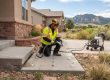
High-density polyurethane injection is a versatile tool for maintaining property value and safety across the Front Range. In Centennial, sunken driveways aren’t just an eyesore; they’re a liability for both vehicles and pedestrians. By injecting structural foam, we restore the slab to its original elevation, eliminating the jarring “bump” that damages vehicle suspension systems. Similarly, garage floors often develop hollow voids that produce a distinctive echoing sound when driven upon. Addressing these structural gaps early prevents the slab from cracking under the weight of a vehicle, saving you from a much more expensive replacement later.
For property owners in Boulder, uneven pool decks and patios present significant tripping hazards during summer entertainment. Polyurethane provides a precise lift that levels these surfaces without the need for messy construction or the risk of getting debris in the pool. In commercial settings, warehouse floors require high-load stabilization to support forklifts and heavy machinery. Our injection process ensures these industrial surfaces remain level and safe, minimizing downtime for the business while providing structural concrete repair Denver managers can depend on for long-term durability.
Residential Solutions: Driveways and Sidewalks
Homeowners associations (HOAs) throughout the Denver area often require residents to mitigate trip hazards to remain in compliance with safety standards and ADA guidelines. Choosing concrete leveling over a full tear-out and replacement saves significant time and financial resources. While a new pour takes days to cure and restricts access, a polyurethane injection can be completed in a single afternoon without blocking street access. This speed makes it the preferred choice for busy residential neighborhoods where convenience and immediate results are a priority.
Foundation Perimeter Stabilization
Maintaining the perimeter of your home is a vital component of a comprehensive concrete repair in Denver strategy. When soil settles along foundation walls, it creates subterranean channels where water pools against the structure. This water eventually finds its way into basement cracks, leading to moisture damage and potential mold issues. By using injection to fill these perimeter voids, we redirect water away from the foundation and stabilize the surrounding soil. Proactively addressing these external cracks ensures your interior remains dry and structurally sound. If you’re noticing sinking slabs or hollow sounds around your property, consult with RiseLock to schedule a professional assessment of your structural needs.
The RiseLock Concrete Lifting Approach to Polyurethane Injection in Denver
Success in structural concrete repair Denver projects isn’t just about the material used; it’s about the technical precision of the application. At RiseLock Concrete Lifting, we view every crack as a symptom of a larger subterranean issue. Our approach prioritizes a comprehensive assessment to identify why the settlement occurred before we ever begin the injection process. This focus on root-cause analysis ensures that our stabilization efforts aren’t just temporary patches but long-term structural solutions. We utilize high-density, industrial-grade resins specifically engineered to withstand the unique pressures of Colorado’s expansive soils and extreme temperature variations.
Our Five-Step Injection Process
Our methodology is designed to be methodical and transparent, providing property owners with confidence at every stage of the repair. By following a standardized, technical workflow, we ensure that every slab receives the exact amount of support required for permanent stabilization.
- 1. Site Inspection: We begin by mapping the subterranean voids and assessing soil density using specialized equipment. This allows us to determine the exact volume of resin required to fill the gaps and provide the necessary lift.
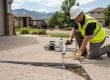
- 2. Strategic Drilling: Our technicians place minimal, 5/8-inch holes in a calculated pattern across the affected area. This ensures maximum resin coverage and expansion while maintaining the structural integrity of the existing concrete.
- 3. Precision Injection: As the high-density foam is introduced, we monitor the lift and stabilization in real-time. This incremental process allows for surgical accuracy, ensuring the slab is leveled without over-lifting.
- 4. Port Removal and Patching: Once the slab is secure, we remove the injection ports and patch the holes with a custom-mixed grout. We take great care to match the concrete color for a seamless, professional finish.
- 5. Final Quality Review: We conduct a final walkthrough to verify that all surfaces are level and the underlying soil is fully densified, confirming the repair meets our rigorous internal standards.
Why Choose a Specialized Local Contractor?
Led by Alex Mon, RiseLock Concrete Lifting operates with a commitment to technical mastery and ethical service. We aren’t generalists; we’re specialists who understand the geological nuances of the Front Range. From the heavy clay of Aurora to the shifting terrain between Boulder and Castle Rock, our familiarity with local soil conditions allows us to anticipate challenges that national franchises might overlook. We take professional pride in delivering a clean, efficient service that restores your peace of mind and your property’s value. If you’re ready to address your concrete issues with a permanent, modern solution, Contact RiseLock Concrete Lifting for a Professional Concrete Assessment today.
Restoring Long-Term Stability to Your Denver Property
Addressing concrete failure in the Front Range requires a technical approach that goes deeper than surface-level patching. By choosing high-density polyurethane injection, you aren’t just filling a crack; you’re densifying the underlying soil and creating a waterproof barrier against Denver’s extreme climate. This modern method provides the necessary flexural strength to survive our freeze-thaw cycles while avoiding the excessive weight of traditional mudjacking. It’s a precise, non-invasive intervention that secures your property’s value without the disruption of heavy excavation.
When you’re ready for structural concrete repair Denver experts can stand behind, look for a partner who understands the unique geological challenges of our region. RiseLock combines specialized high-density foam technology with expert structural stabilization to provide a permanent fix for sinking slabs and structural gaps. Our team remains dedicated to professional reliability, ensuring your home or business in Denver, Aurora, or the surrounding metro area remains safe and level for years to come. Secure Your Foundation with RiseLock’s Precision Polyurethane Injection and enjoy the peace of mind that comes with technical mastery.
Frequently Asked Questions
How long does polyurethane crack injection last in Colorado weather?
Polyurethane injection is a permanent solution designed to last the lifetime of the concrete slab. High-density polyurethane is chemically inert and doesn’t biodegrade or erode over time. Unlike organic fillers, it remains stable despite Colorado’s extreme temperature swings. Because it’s hydrophobic, it won’t wash away during heavy spring rains or snowmelt. This durability makes it the gold standard for long-term structural concrete repair Denver properties require.
Is polyurethane foam environmentally safe for my yard and garden?
The high-density resins used in this process are environmentally inert once they’ve cured. They don’t leach chemicals into the surrounding soil or groundwater, making them safe for use near gardens and landscaping. Because the material is injected through small, penny-sized holes, there’s no need for heavy excavation that could damage root systems or disrupt your lawn. It’s a clean, non-toxic alternative to the heavy slurry mixes used in older repair methods.
Can I drive on my driveway immediately after the injection process?
You can typically drive on your surfaces within 15 to 30 minutes of the injection. Polyurethane reaches 90% of its full compressive strength almost instantly. This rapid cure time is a significant advantage over traditional concrete replacement, which requires several days of curing before it can support vehicle weight. The efficiency of the process ensures that your daily routine remains largely uninterrupted while providing a level, stabilized surface for your vehicles.
How do I know if I need polyurethane injection or a full concrete replacement?
Injection is ideal if the concrete is structurally sound but has sunken or cracked due to soil settlement. If the surface is severely crumbling, spalling, or has shattered into many small pieces, replacement might be necessary. A professional assessment identifies whether the underlying soil can be stabilized to support the existing slab. Most homeowners find that leveling is a more cost-effective and faster solution than total demolition and repouring.
Will the injected foam expand and cause more damage to my foundation?
The expansion is carefully controlled by experienced technicians using a calculated injection pattern. We monitor the lift in real-time to ensure the foam fills the targeted voids without creating excessive lateral pressure. The material is designed to follow the path of least resistance, filling empty spaces before exerting the upward force necessary to level the slab. Precision timing and volume control prevent any unintended stress on your foundation walls during the process.
How much does polyurethane crack injection cost compared to mudjacking?
Polyurethane injection is a value-driven alternative that often proves more affordable than traditional methods when considering the total lifecycle of the repair. While the specialized resins have a higher material cost than the dirt and cement used in mudjacking, the labor is more efficient and the results are far more durable. Because the foam is lightweight, it doesn’t cause the secondary settlement that often forces homeowners to pay for mudjacking repairs multiple times.
Does polyurethane crack injection work on vertical basement walls?
Polyurethane is highly effective for stopping water infiltration and filling voids behind vertical foundation walls. This process creates a waterproof barrier that prevents soil erosion and external pressure. While some vertical cracks are addressed through specialized structural welding, polyurethane’s hydrophobic properties make it an essential tool for moisture control. We evaluate the specific nature of the crack and the surrounding soil to determine the most effective structural concrete repair Denver homeowners need.
What is the difference between polyurethane injection and slab jacking?
Slab jacking is a broad term for lifting concrete, while polyurethane injection is the modern, technical method used to achieve it. Traditional slab jacking, often called mudjacking, uses a heavy grout mixture to force the slab upward through large holes. Polyurethane injection uses the expansion of a lightweight polymer to fill voids and lift the concrete. The polymer method is less invasive, lasts longer, and puts significantly less stress on the underlying soil.