What if the solution to Denver’s shifting, expansive clay soil isn’t more heavy concrete, but a material that weighs ninety-five percent less than the mud it replaces? Most property owners across the Front Range view sinking driveways and uneven sidewalks as an inevitable consequence of Colorado’s volatile environment. You’ve likely felt the frustration of watching water pool against your foundation or worrying about the liability of a trip hazard that seems to grow with every passing season. It’s a common struggle, but the traditional approach of total replacement is often unnecessary and disruptive.
This guide demonstrates how high-density polyurethane concrete lifting Denver provides a permanent, non-invasive solution that addresses the underlying soil voids directly. You’ll discover how this advanced material restores structural integrity and creates a level surface usable within minutes. We’ll examine the technical precision required for modern stabilization, the impact of 2026 regional soil regulations, and why addressing the root cause of settlement is the only way to protect your property value for the long term. By moving beyond temporary fixes, you can achieve a stable, professional result that respects both your time and your landscaping.
Key Takeaways
- Learn how Denver’s expansive bentonite clay creates subterranean voids and why traditional filling methods often fail to address the root cause of settlement.
- Discover why polyurethane concrete lifting Denver is the superior choice for structural restoration, offering a lightweight solution that won’t further compress fragile subsoils.
- Understand the rapid efficiency of high-density foam, which achieves full structural cure and supports vehicle traffic within minutes of the application.
- Explore the science of soil binding, where structural-grade polymers stabilize loose earth to create a durable, water-resistant foundation for your concrete slabs.
- Identify the importance of specialized expertise when lifting post-tension slabs common in modern Front Range developments to ensure long-term structural safety.
Understanding Concrete Settlement in the Denver Metro Area
Concrete settlement occurs when the soil beneath a slab can no longer support its weight. In the Denver Metro area, this isn’t merely an aesthetic concern; it’s a structural challenge rooted in the region’s unique geology. When a slab tilts or sinks, it signals that the sub-grade has shifted, either through natural compaction over time or because of external environmental pressures. Many residential developments in Aurora and Centennial were constructed on fill dirt that wasn’t always adequately compacted during the initial building phase. As this loose soil settles, it leaves hollow voids that the heavy concrete eventually collapses into.
Ignoring a minor one-inch drop is a common mistake. What starts as a slight unevenness often accelerates into a full structural failure as the gap beneath the slab grows. Modern Concrete leveling techniques have evolved to address these specific soil failures without the need for demolition. By utilizing polyurethane concrete lifting Denver property owners can stabilize these voids before the concrete cracks beyond repair. Proactive intervention prevents the erosion from reaching a point where the entire slab must be hauled away and repoured.
The Impact of Colorado Weather on Your Concrete
Denver’s climate is notoriously harsh on rigid surfaces. The freeze-thaw cycle is particularly destructive, as moisture trapped in the soil expands when frozen, pushing the concrete upward. When the rapid Front Range snowmelt occurs, that water saturates the ground, causing the soil to contract or wash away entirely. This constant cycle of heave and sink weakens the bond between the slab and its base. Over time, these fluctuations create significant cavities. Professional polyurethane concrete lifting Denver services are designed to fill these specific climate-driven voids with a material that’s impervious to moisture.
Identifying the Warning Signs of Slab Failure
Early detection is key to preventing costly replacements. Property owners should look for stair-step cracks in nearby masonry or uneven joints where two sections of a driveway meet. A significant indicator of trouble is water pooling toward your home’s foundation rather than draining toward the street. This creates a dangerous feedback loop where moisture further erodes the sub-grade. Beyond structural concerns, sunken sidewalks represent a significant legal liability. In many Denver municipalities, homeowners are responsible for maintaining safe, level walkways. Addressing these trip hazards early ensures both physical safety and the preservation of your property’s market value.
The Science of High-Density Polyurethane Injection
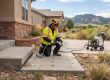
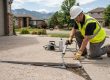
Polyurethane concrete lifting Denver relies on a precise chemical reaction between two liquid components: a polyol resin and an isocyanate hardener. When these substances meet at the injection nozzle, they trigger an exothermic reaction that transforms the liquid into a rigid, high-density foam. This material doesn’t just fill space; it expands with a force that exerts thousands of pounds of upward pressure per square foot. This controlled expansion allows technicians to lift massive concrete slabs that would otherwise require heavy machinery to move, making it a sophisticated alternative to traditional replacement.
The resulting foam possesses impressive compressive strength, often exceeding the requirements for supporting heavy vehicles or industrial equipment. Unlike traditional fill materials, this foam is hydrophobic, meaning it repels water during the injection process. This is a critical advantage in Colorado, where snowmelt and high groundwater levels often saturate the sub-grade. The foam maintains its structural integrity even when injected into saturated soil, ensuring the stabilization isn’t compromised by moisture or future drainage issues.
Precision Control and Accuracy
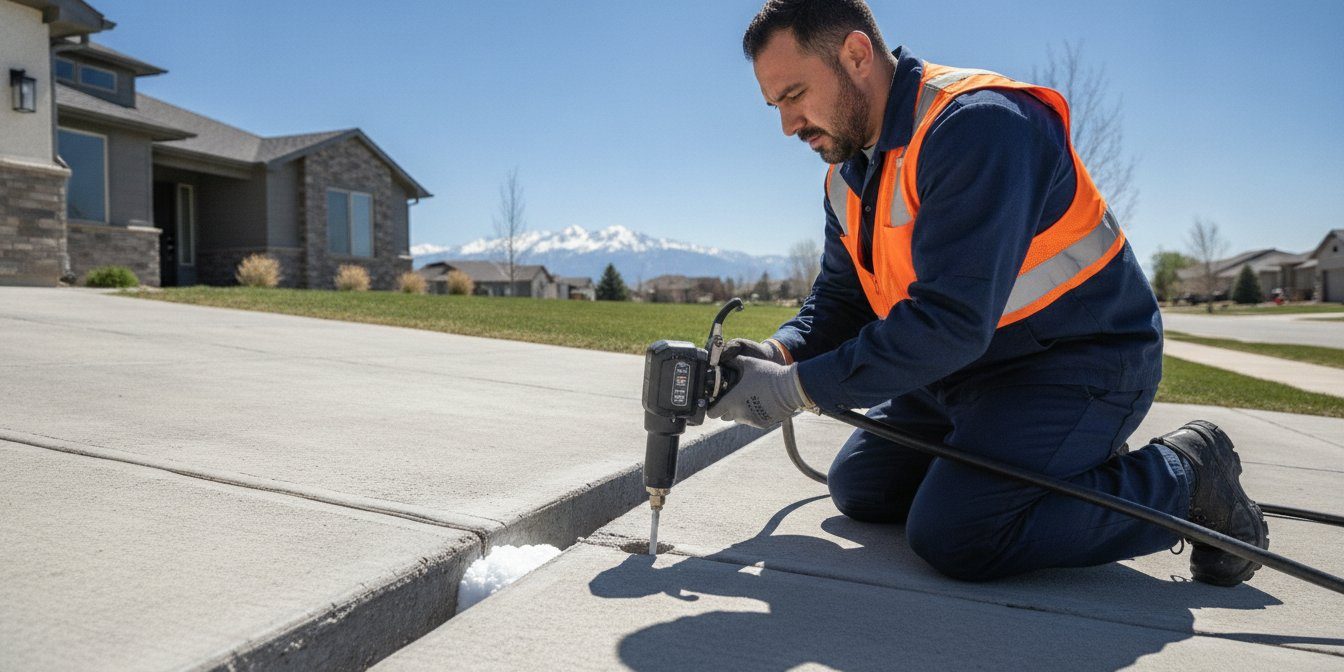
Technicians achieve a level of accuracy that was previously impossible with older methods. By monitoring the slab’s movement in real-time, it’s possible to manage the lift to within 1/10th of an inch. This precision is facilitated by small injection ports, often no larger than a penny, which minimize the visible footprint of the repair. Lifting pressure is the internal force generated by the foam’s expansion that overcomes the weight and friction of the concrete slab to restore its original elevation. For homeowners seeking this level of technical mastery, professional concrete leveling provides a clean, surgical alternative to demolition.
Environmental Safety and Longevity
Modern structural polymers are engineered to be inert and eco-friendly once cured. They don’t biodegrade, nor do they leach harmful chemicals into the surrounding Colorado groundwater or soil. This durability is a hallmark of the technology; a properly executed lift is designed to last 30 years or more. Because the foam is resistant to the microbial activity and chemical shifts found in Denver’s expansive clay, it remains a permanent fixture of the property’s structural foundation. This long-term stability offers peace of mind that the repair will withstand the test of time and environmental pressure.
Polyurethane vs. Traditional Mudjacking: A Performance Comparison
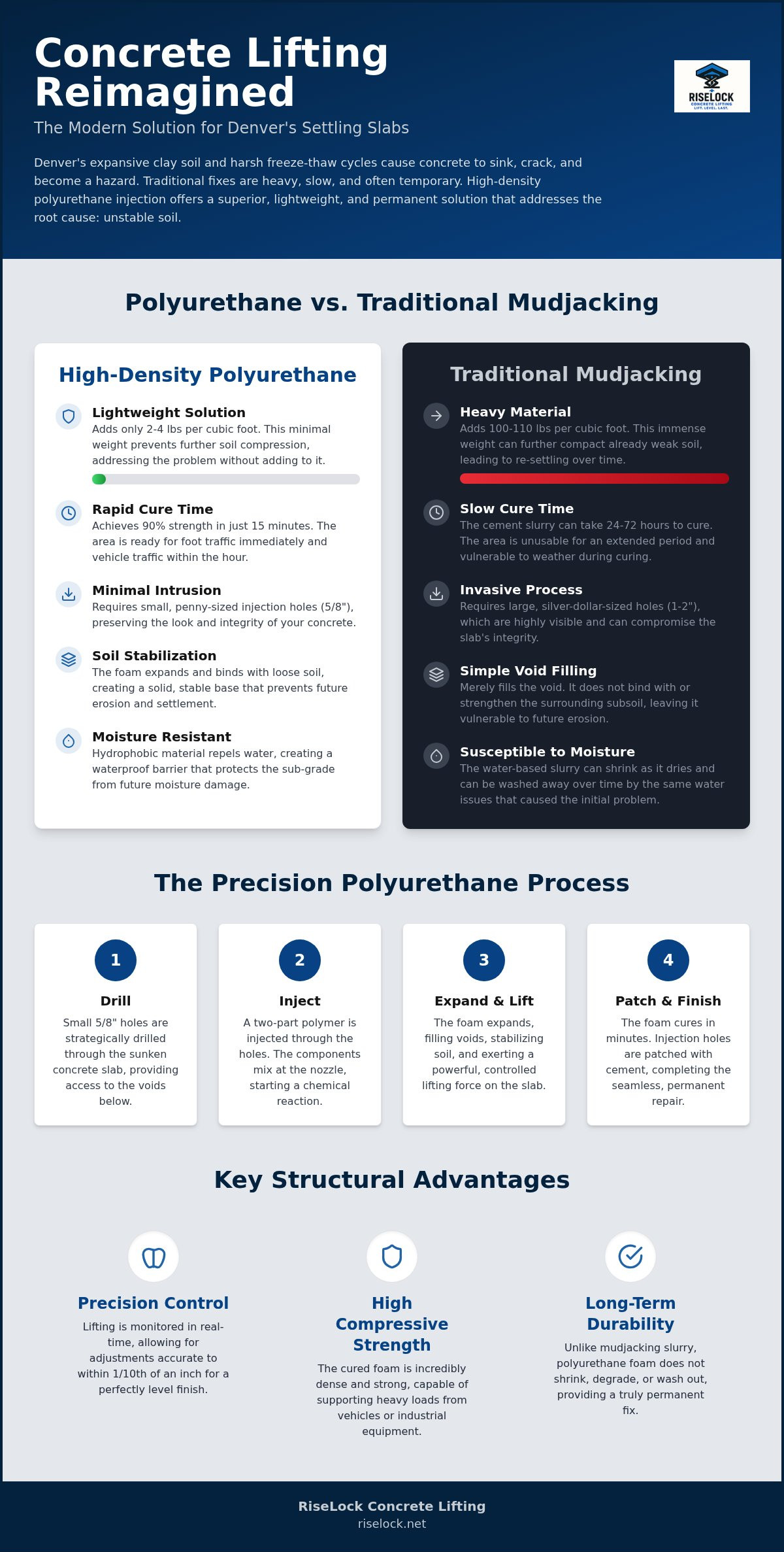
Traditional mudjacking has served the industry for decades, but it’s increasingly viewed as an outdated method for Denver’s specific geological challenges. Mudjacking involves pumping a heavy slurry of sand, cement, and soil beneath a slab. This mixture is incredibly heavy, weighing approximately 100 pounds per cubic foot. When property owners choose polyurethane concrete lifting Denver, they’re opting for a material that weighs only 2 to 6 pounds per cubic foot. This weight difference is vital because adding massive amounts of heavy slurry to already unstable soil often triggers secondary settlement, causing the slab to sink further under its own new weight.
The operational differences are equally stark. Mudjacking requires drilling large, two-inch holes that are difficult to patch aesthetically. It’s also a wet, messy process that often requires a full hose-down of the property once the work is complete. Polyurethane injections utilize holes the size of a penny and produce no dust or slurry runoff. While mudjacking requires a cure time of 24 to 72 hours before the surface is usable, polyurethane cures in about 15 minutes. It’s common for a driveway to be ready for vehicle traffic before the technician has even finished packing their equipment.
The Weight Factor in Colorado Soils
Denver’s sub-surface often consists of collapsible soils and soft clays that react poorly to heavy loads. Choosing a material that’s 95 percent lighter than traditional slurry ensures the underlying soil isn’t overwhelmed. For a deeper look at these technical advantages, see our Polyurethane Concrete Lifting: The Precision Guide to modern slab restoration. This lightweight profile is the primary reason structural engineers favor foam for complex residential lifts where soil bearing capacity is a concern. It provides the necessary lift without the risk of overburdening the fragile sub-grade.
Cost-Benefit Analysis for Property Owners
While the initial cost of mudjacking might appear lower, its lifecycle value is often poor. The organic materials in the slurry eventually shrink, wash away, or decompose, which leads to a recurrence of the original settlement. Polyurethane is a permanent, inert material that doesn’t erode or lose volume over time. When compared to the total cost of concrete replacement, lifting is significantly more affordable. It avoids the hidden expenses of demolition, debris hauling, and the extensive restoration of landscaping that typically follows a full repour. Investing in a permanent fix prevents the cycle of repeated temporary repairs.
Soil Stabilization: Solving Colorado’s Expansive Clay Challenges
The “Bentonite” problem is a defining characteristic of the geological profile in Denver and Aurora. This specific type of expansive clay behaves like a sponge, swelling significantly when saturated and shrinking as it dries. These volume changes exert immense pressure on concrete slabs, leading to the cracks and settlement discussed earlier. Simply lifting the slab provides a temporary cosmetic fix, but true restoration requires addressing the volatile sub-grade. Polyurethane concrete lifting Denver utilizes a permeation process where the liquid resin flows into the microscopic voids within the clay before expanding.
This injection process “binds” loose soil particles together, transforming a weak foundation into a consolidated, stable base. By filling the subterranean voids that cause instability, the foam creates a permanent barrier against the cycles of soil movement. Deep-foam injection techniques allow technicians to reach deeper soil strata, mitigating the risk of future settlement by stabilizing the earth well below the immediate surface level. This approach views the soil and the concrete as a single structural system rather than separate components. It’s a method that prioritizes long-term soil health over quick visual repairs.
High-Density Injections for Load-Bearing Surfaces
Garage floors and commercial parking lots require a higher level of structural support due to constant vehicle traffic. When a slab is unsupported, the weight of a car creates a “pumping” action that forces water and silt out from under the edges, rapidly accelerating erosion. High-density foam stops this movement by creating a rigid, uniform support system that distributes weight evenly across the sub-grade. For a detailed breakdown of these commercial-grade applications, consult our Foam Concrete Lifting Guide. These injections are specifically engineered to withstand the repetitive stress of heavy machinery without compressing or shifting.
Moisture Management and Joint Sealing
Stabilizing the soil is only half the battle; protecting that stabilization from external elements is equally vital. After a successful lift, sealing the remaining cracks and joints is essential to prevent water re-entry. Without professional joint caulking, the upcoming Colorado spring rain season can drive moisture back into the clay, restarting the heave-and-sink cycle. This synergy between lifting and sealing ensures that the soil remains at a consistent moisture level. If you’re ready to secure your property against Denver’s challenging environment, request a professional structural assessment to determine the best path forward for your specific soil conditions.
RiseLock’s Precision Approach to Structural Concrete Restoration
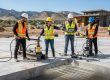
RiseLock approaches every project as a technical partnership rather than a simple repair job. Our service area covers the entire Front Range, providing specialized polyurethane concrete lifting Denver from Boulder and Aurora down to Castle Rock. We begin each project with a rigorous site evaluation to determine if the sunken slab is a viable candidate for restoration. This isn’t a one-size-fits-all service; it’s a calculated intervention designed to protect your home’s structural integrity. Our “Zero-Mess” promise ensures that your daily routine remains undisturbed, reflecting the quiet professionalism we bring to every job site.
We view the restoration of your driveway or patio as a personal priority. Our technicians are trained to handle complex commercial lifts and residential projects with the same level of technical mastery. By the time we leave the site, the surface is not only level but ready for immediate use, allowing you to return to your normal schedule without the delays of a traditional construction site. This efficiency is a hallmark of our commitment to high standards and long-term security.
Protecting Post-Tension Slabs During Lifting
Many modern Denver homes are built on foundations reinforced with high-strength steel cables. Attempting a lift without understanding these systems is a significant risk that many general contractors overlook. If a drill bit strikes a tensioned cable, the resulting structural damage is both dangerous and expensive to repair. RiseLock technicians possess the specialized expertise to identify cable layouts before any work begins, ensuring the safety of your foundation. For homeowners interested in the mechanics of these systems, our Post Tension Installation Guide provides deeper insight into how we maintain structural safety during the restoration process.
The RiseLock 4-Step Process
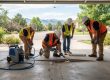
Our workflow is methodical and transparent, ensuring precision at every stage of the repair. We follow a strict protocol to achieve the desired elevation while stabilizing the sub-grade. This methodical approach eliminates the guesswork often associated with older leveling methods.
- Step 1: Strategic Mapping. We identify the specific injection points that will provide the most efficient lift and maximum soil stabilization for your specific slab layout.
- Step 2: Precision Drilling. We create access ports no larger than a penny, ensuring the structural integrity of the slab remains intact and the aesthetic impact is minimized.
- Step 3: Incremental Injection. Technicians inject the high-density foam in controlled bursts, monitoring the lift in real-time to within 1/10th of an inch to ensure a perfect transition.
- Step 4: Port Sealing. Once the slab is level, we seal the ports with a color-matched concrete grout, leaving a finish that’s nearly invisible to the naked eye.
Protecting Your Property with Structural Precision
Restoring sunken concrete in the Front Range requires more than a cosmetic adjustment. It demands a technical understanding of Denver’s expansive bentonite clay and the specialized skills to manage complex foundations. By choosing polyurethane concrete lifting Denver, you’re investing in a lightweight, hydrophobic solution that stabilizes the sub-grade without the destructive weight of traditional methods. This modern approach ensures your driveway or foundation remains secure against the region’s volatile weather cycles.
RiseLock serves as the local authority on both polyurethane and post-tension systems, offering a level of precision that safeguards your home’s structural integrity. Our zero-mess process provides same-day usability, allowing you to reclaim your property’s value and safety within hours. We view every structural challenge as a personal priority, delivering professional reliability that stands the test of time. Take the first step toward a permanent, stabilized finish and Request Your Free Denver Concrete Lifting Estimate Today. Your peace of mind starts with a level foundation.
Frequently Asked Questions
How long does polyurethane concrete lifting last in Denver’s climate?
A professional polyurethane lift is designed to last 10 years or more, often outlasting the concrete slab itself. In Denver’s specific climate, the hydrophobic nature of the foam prevents it from washing away or eroding during the heavy spring snowmelt. Because the material is inert and does not biodegrade, it remains a permanent fixture of the sub-grade. This longevity provides a reliable defense against the heave-and-sink cycles common in Colorado’s expansive soils.
Can I drive on my driveway immediately after the foam is injected?
You can typically drive a standard vehicle on the surface within 15 to 30 minutes of the injection. High-density foam achieves a full structural cure very rapidly, which is a significant advantage over new concrete that requires 28 days to reach full strength. This speed minimizes disruption to your daily routine. Once the technician seals the small access ports, the area is fully stabilized and ready for immediate heavy traffic.
Is polyurethane foam concrete lifting environmentally friendly?
Modern polyurethane concrete lifting Denver materials are engineered to be inert and eco-friendly once they have cured. The foam does not leach harmful chemicals into the soil or Colorado’s groundwater. It is also resistant to microbial decay and does not release gases after the initial application. By choosing repair over replacement, you also reduce the environmental impact associated with concrete production and the waste diverted to local landfills.
How much does polyurethane concrete lifting cost compared to replacement?
Concrete lifting is generally a more cost-effective solution than full replacement, often saving property owners a significant percentage of the total project cost. The primary savings come from avoiding the labor-intensive demolition, debris removal, and landscaping restoration required for a new pour. While exact costs depend on the volume of foam required to fill subterranean voids, the lifecycle value is superior because the material addresses the underlying soil instability that replacement ignores.
Will the foam holes be visible on my sidewalk or driveway?
The injection ports are very small, approximately the size of a penny, and are strategically placed to be as inconspicuous as possible. After the lift is complete, technicians seal these holes with a color-matched concrete grout. This professional finish ensures the repair blends into the existing texture of the slab. Over time, as the patch weathers along with the rest of the concrete, the injection points become nearly invisible to the casual observer.
Can polyurethane foam lift a slab that has a post-tension cable inside?
Yes, polyurethane concrete lifting Denver can safely lift post-tension slabs, provided the technician has specialized structural knowledge. RiseLock identifies the location of high-strength steel cables before drilling to ensure no structural reinforcement is compromised. This expertise is critical in modern Denver developments where post-tension foundations are common. Using small-diameter ports further reduces the risk of hitting a cable compared to the large holes required for older mudjacking methods.
What is the maximum weight a polyurethane-lifted slab can support?
High-density polyurethane foam is engineered to support significant structural loads, including heavy commercial vehicles and industrial machinery. The material possesses high compressive strength that meets or exceeds the requirements for load-bearing surfaces like garage floors and warehouses. By stabilizing the soil and filling all subterranean voids, the foam creates a uniform support system. This prevents the localized stress points that typically cause slabs to crack under the weight of heavy equipment.
Does RiseLock offer warranties on concrete lifting in the Denver area?
RiseLock provides professional warranties that reflect our commitment to technical mastery and long-term structural security. While specific terms depend on the condition of the existing concrete and the underlying soil stability, we stand behind the durability of our high-density foam applications. We encourage property owners to discuss specific warranty details during their on-site assessment. This ensures you understand the protection provided for your specific structural repair and soil stabilization project.