Most Denver homeowners assume that a sinking front porch requires a jackhammer and a week of messy demolition, but adding more weight to failing soil is rarely the answer. When you need concrete step repair Denver residents often find that the most permanent solution is also the least invasive. It’s frustrating to watch your entryway pull away from the foundation, creating unsightly gaps and dangerous trip hazards that seem to worsen with every Colorado winter. You want a safe, level entrance to your home without the stress of a massive construction project or the risk of your landscaping being destroyed.
This guide explains how modern polyurethane injection restores sinking concrete steps faster and more durably than traditional replacement. You’ll learn why lightweight, high-strength polymers are specifically designed to handle the 200 frost days and expansive clay soils common across the Front Range. We will detail the precision of the lifting process and show you how this specialized intervention provides a stable, long-term solution that allows for immediate foot traffic while protecting your home’s structural integrity.
Key Takeaways
- Understand how Denver’s semi-arid climate and expansive clay soils lead to subgrade failure and sinking stairs.
- Discover why the concrete step repair Denver homeowners prefer is a more cost-effective and eco-friendly alternative to full demolition.
- Learn how high-density polyurethane foam expands to fill 100% of the voids beneath your steps for permanent stabilization.
- Identify the safety risks and legal liabilities associated with uneven entryways, including shifts as small as a quarter-inch.
- See how a precision-driven injection process restores your entryway with minimal disruption and allows for immediate foot traffic.
Why Concrete Steps Sink in Denver: The Colorado Soil Factor
Concrete step settlement is a technical term for what happens when your stairs drop below their intended elevation. This process is rarely caused by a defect in the concrete itself. Instead, it’s a direct result of subgrade failure, where the soil supporting the weight of the stairs loses its ability to maintain a level surface. In Denver, our semi-arid climate plays a critical role in this instability. The lack of consistent moisture causes local soils to desiccate and contract, leading to the common “pull-away” effect. This is the primary reason you see unsightly gaps forming between your front steps and the home foundation.
Stairs often become the first concrete feature to fail on a property because they represent a concentrated point of weight on a relatively small footprint. While your home’s foundation is anchored deep into the earth, your stairs usually rest on the surface layer. This makes them exceptionally vulnerable to even minor shifts in the underlying soil. When you need concrete step repair Denver specialists often find that the stairs have effectively become a “floating” structure with no solid ground left to support them.
Expansive Soils and Freeze-Thaw Cycles
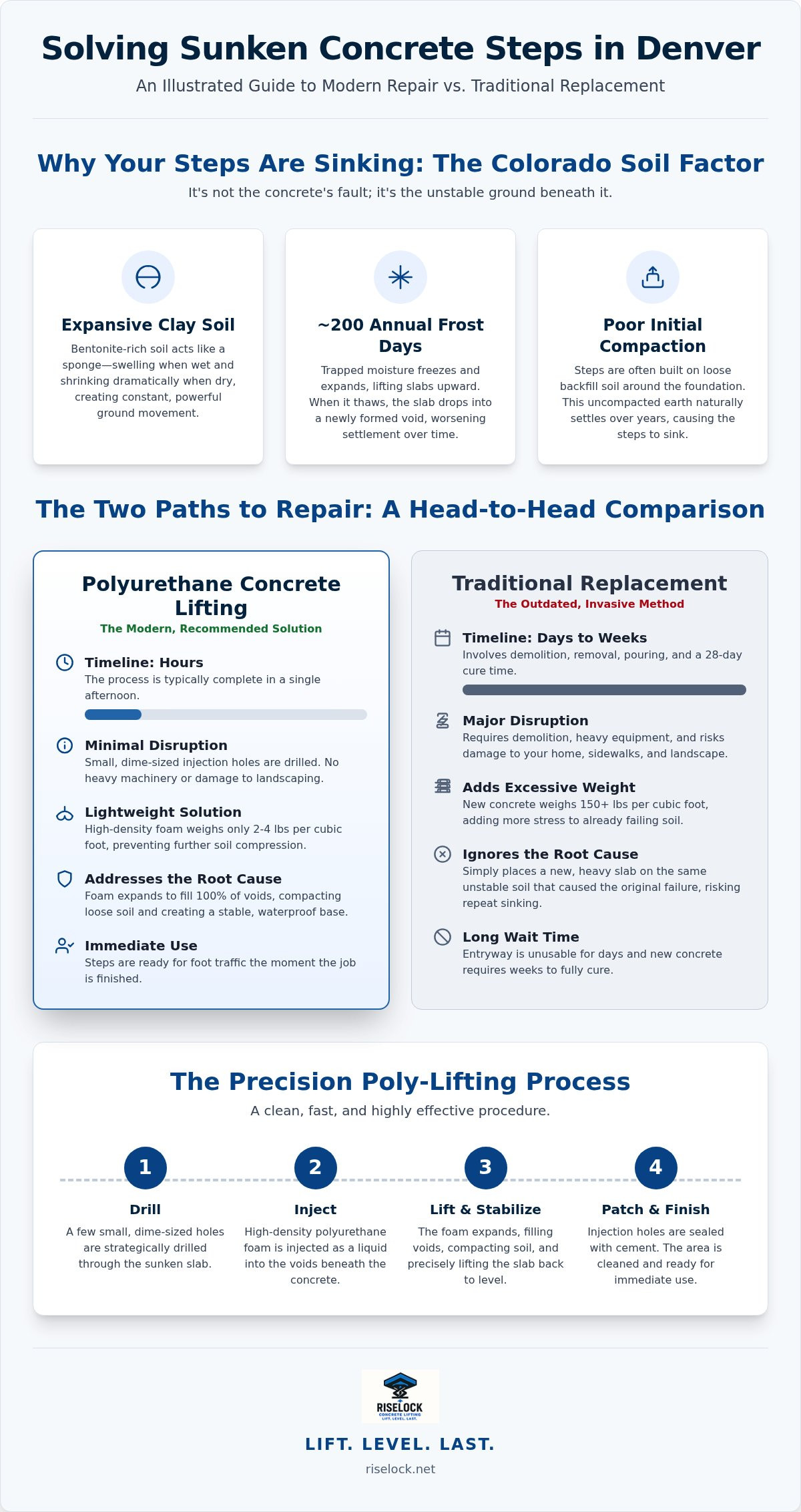
The geological makeup of the Front Range consists largely of bentonite-rich clay. This soil is highly expansive, acting like a sponge that swells significantly when saturated with snowmelt and shrinks during dry summer months. This constant movement creates a “jacking” effect. During Denver’s roughly 200 annual frost days, moisture trapped under the concrete freezes and expands, physically pushing the slab upward. When the ice melts and the soil dries, the stairs drop, but they rarely return to their original position. Over time, this cycle creates large underground voids. Modern polyurethane foam injection has become the preferred method to fill these voids because it stabilizes the soil without adding the excessive weight of traditional materials.
Poor Soil Compaction During Initial Construction
When a home is built, the area immediately surrounding the foundation is excavated and then backfilled. In many cases, this backfill soil isn’t compacted to the same density as the undisturbed earth further away. Because stairs are typically one of the final features added to a property, they are often placed directly on top of this loose material. This makes the eventual need for concrete step repair Denver homeowners face almost inevitable as the earth naturally settles over several years. In Denver, concrete steps don’t sink because they are heavy; they sink because the ground beneath them is moving.
Repair vs. Replacement: Choosing the Cost-Effective Path
Deciding between a full replacement and professional concrete step repair Denver requires looking beyond the initial estimate. While a new pour might seem like a fresh start, it often ignores the underlying soil conditions that caused the original failure. Because expansive clay is recognized as Colorado’s most significant geologic hazard, adding more heavy concrete to a sinking site can actually accelerate settlement. Choosing to level and stabilize existing steps is a more surgically precise approach that preserves your property’s integrity while keeping tons of material out of local landfills.
The Hidden Costs of Total Step Replacement
A total tear-out involves significant logistical hurdles. You aren’t just paying for concrete; you’re paying for demolition labor, heavy equipment rental, and hauling fees to dispose of the old slabs. There’s also the risk of collateral damage. Heavy machinery used during demolition can easily crack adjacent sidewalks or destroy expensive landscaping. Also, new concrete rarely matches the weathered patina of your home’s foundation or existing walkways. This creates a visual mismatch that can detract from your home’s curb appeal. New construction in Denver often triggers permit requirements and inspections that can delay the project for weeks, whereas repair work is typically much simpler to approve.
Speed of Restoration: Hours vs. Days
Traditional replacement turns your primary entryway into a construction zone for days, followed by weeks of waiting for the concrete to cure. A new pour typically requires 28 days to reach full structural strength. In contrast, the high-density polymers used by RiseLock allow for immediate foot traffic. The stabilization process is usually completed in a single afternoon. When you choose concrete step repair Denver specialists, you’re opting for an efficiency that is a hallmark of modern Concrete Leveling: The Definitive Guide to Modern Slab Restoration. This method focuses on solving the problem at its source without the mess of a construction site. If you want to restore safety to your home without the headaches of demolition, consulting with the experts at RiseLock is the most efficient next step.
Polyurethane Foam Injection: The Modern Standard for Step Leveling
Polyurethane foam injection represents the pinnacle of modern structural restoration. Unlike older methods that rely on heavy cement mixtures, this process utilizes a two-part high-density polymer that reacts chemically to expand upon injection. This expansion allows the material to flow into every crevice, filling 100% of the voids created by Colorado’s expansive soil. Once cured, the foam is completely moisture-resistant. It won’t wash away during heavy spring snowmelt or degrade over time, providing a permanent barrier against future settlement. RiseLock specializes in this “no-mess” technology, ensuring that your concrete step repair Denver project is completed with surgical precision and long-term reliability.
How High-Density Foam Stabilizes Loose Soil
The stabilization process involves more than just lifting the slab back to its original height. As the foam expands, it performs what engineers call “compaction grouting.” The pressure of the expanding polymer forces air and water out of the loose subgrade, compressing the surrounding soil into a dense, load-bearing mass. This dual-action approach—lifting the concrete while simultaneously strengthening the ground beneath it—is what makes the repair so durable. Because the foam weighs only 2 to 4 pounds per cubic foot, it provides maximum support without adding the crushing weight that often plagues traditional repairs. Polyurethane lifting is a surgical intervention for structural concrete.
Comparing Foam to Traditional Mudjacking
Traditional mudjacking involves pumping a heavy slurry of sand, water, and cement under the steps. While this can temporarily raise the concrete, the sheer weight of the mixture often causes the already-weak soil to sink further. This leads to secondary settlement, which frequently requires another expensive repair within a few years. Additionally, mudjacking requires large, unsightly holes that are difficult to patch inconspicuously. Polyurethane injection uses penny-sized holes that virtually disappear once the project is finished. For a deeper look at these technical advantages, you can read Polyurethane Concrete Lifting: The Precision Guide to Modern Slab Restoration. This modern approach ensures that your concrete step repair Denver is a one-time investment in your home’s safety and structural health.
Addressing Safety Hazards and Liability on Your Property
Property owners in the Front Range carry a significant responsibility for the safety of their entryways. While a slight tilt in a concrete step might seem like a minor cosmetic issue, it represents a substantial legal liability. Safety standards generally dictate that any vertical displacement of 1/4 inch or more constitutes a trip hazard. When you delay concrete step repair Denver, you aren’t just living with an eyesore; you’re maintaining a site where guests, delivery drivers, or family members could easily fall. Beyond the height of the “lip” itself, the consistency of the riser height is critical. Human gait relies on muscle memory, and even a half-inch variation between steps can cause a person to stumble.
A properly aligned entryway also serves as a visual indicator of a well-maintained home. Precision leveling restores the engineered safety of your stairs, ensuring that every transition is predictable and secure. This attention to detail protects your financial interests by mitigating the risk of personal injury claims on your property.
Eliminating Trip Hazards for Denver Homeowners
The most common failure point occurs at the transition from the public sidewalk or private walkway to the first step. Because these two features often rest on different subgrades, they settle at different rates. During Colorado’s icy winters, these uneven edges become even more treacherous. A small ledge that is visible in the summer can be completely hidden under a thin layer of snow or black ice, creating a “hidden” hazard. Professional concrete step repair Denver eliminates these dangerous transitions by lifting the sunken slab back to its original, flush position. This restoration ensures that your home remains accessible and safe for everyone, regardless of the weather conditions.
Long-Term Structural Stability for Stairs
Sinking steps rarely move in isolation. Because many stairs are physically connected to the house or adjacent to the siding, their downward movement can cause significant secondary damage. As the concrete pulls away, it can tear at the home’s exterior or create gaps that allow pests and moisture to enter the wall cavity. This movement can also affect the broader structural integrity of your property. In complex cases involving large commercial slabs or specialized foundations, we may look toward post tension installation as a method for broader reinforcement.
Stabilizing these steps also plays a vital role in water management. When steps tilt toward the house, they direct snowmelt and rainwater toward your foundation rather than away from it. This pooling water saturates the soil, leading to further settlement and potential basement leaks. By restoring the correct pitch through professional intervention, you protect your foundation from the destructive power of hydrostatic pressure. If you’ve noticed your steps pulling away or creating a dangerous gap, you can secure your home’s entryway today by contacting the specialists at RiseLock for a professional assessment.
Professional Concrete Step Repair in Denver: The RiseLock Advantage
RiseLock approaches every project with a commitment to technical mastery and professional reliability. When you schedule a structural consultation, our process begins with a comprehensive site assessment to identify the root cause of settlement. We don’t just lift the concrete; we analyze the drainage patterns and subgrade conditions to ensure the repair is permanent. This methodical preparation is essential for the high-quality concrete step repair Denver homeowners expect. Our technicians view your property’s structural integrity as a personal priority, moving beyond surface-level fixes to provide a solution rooted in engineering precision.
Our Precision Leveling Process
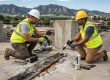
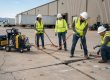
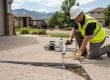
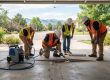
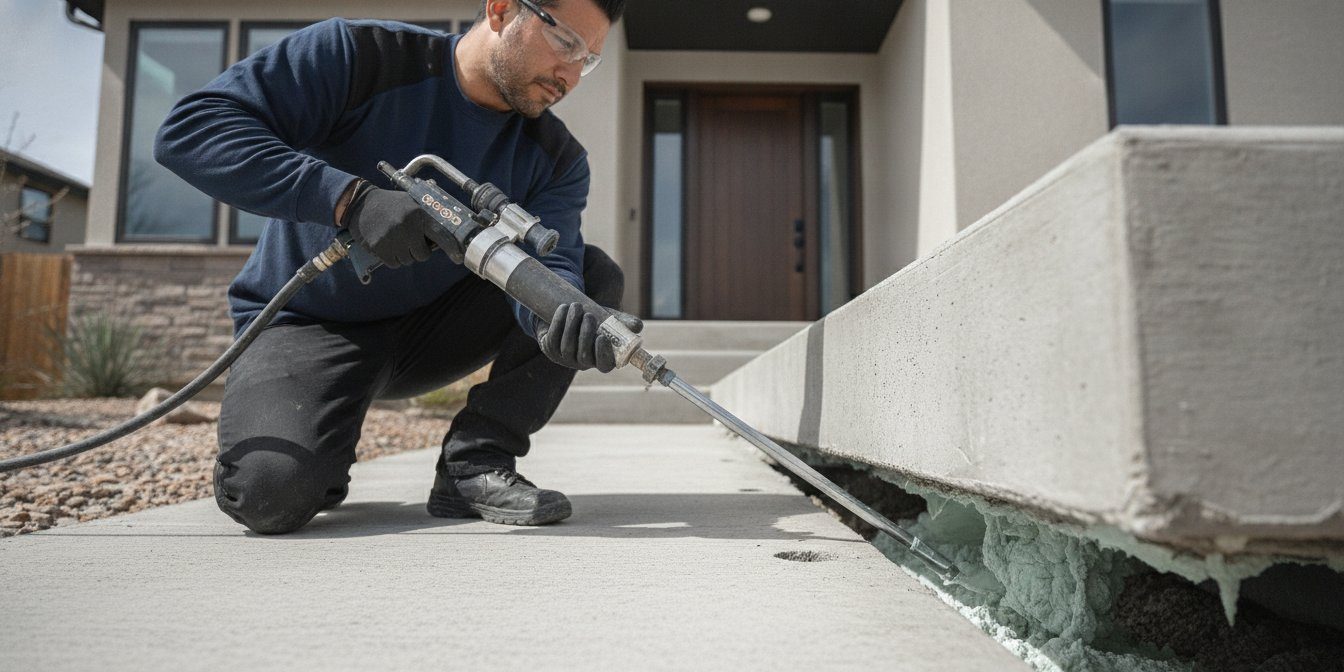
The restoration of your entryway follows a carefully calibrated sequence designed to maximize stability while minimizing impact on your property. We begin by drilling small, strategic access ports into the concrete. These holes are only 5/8-inch in diameter, roughly the size of a penny, which preserves the aesthetic and structural integrity of the slab. Once the ports are established, we inject our specialized high-density polymer. Throughout the injection phase, our technicians monitor the lift using advanced laser levels. This allows us to achieve sub-millimeter accuracy, ensuring that every riser is perfectly consistent and every transition is flush. After the steps have reached their optimal elevation, we patch the access ports with color-matched concrete. This final step ensures a seamless finish that makes the repair virtually invisible to the naked eye.
Serving Denver and the Front Range
Our expertise in concrete step repair Denver extends across the entire Front Range. We understand the specific geological challenges faced by residents in Aurora, Centennial, and Castle Rock, where expansive soils are particularly active. Our service hubs also include Lakewood, Thornton, and Boulder, allowing us to provide responsive, localized support to both residential and commercial clients. RiseLock’s brand is defined by a sense of quiet authority. We don’t rely on aggressive sales tactics; instead, we build trust through steady, incremental information sharing and a clear pride in our craft. We act as your professional guide, leading you away from the stress of structural damage toward the peace of mind offered by a safe, level entryway. If you’re ready to restore your home’s accessibility and curb appeal, request your precision concrete step repair estimate from RiseLock today.
Restoring Safety and Stability to Your Denver Entryway
Maintaining a safe and aesthetically pleasing entryway is a vital aspect of home ownership in Colorado’s challenging climate. Sinking stairs are a technical problem rooted in soil instability, but they don’t require the messy demolition of traditional replacement. By choosing a targeted, high-precision intervention, you can stabilize your stairs and protect your home’s foundation from moisture intrusion and secondary settlement. This proactive approach eliminates dangerous trip hazards while ensuring your property remains compliant with safety standards.
When you invest in professional concrete step repair Denver, you are choosing a solution that lasts through decades of freeze-thaw cycles. Our specialized polyurethane injection technology offers a clean, efficient way to restore structural integrity without destroying your landscaping. As precision structural leveling experts serving the entire Denver metro and Front Range, we view your property’s safety as our personal priority. Get a Professional Concrete Step Repair Estimate to begin the process of securing your entryway. You deserve a home that is both safe and welcoming for years to come.
Frequently Asked Questions
How much does concrete step repair cost in Denver?
Professional concrete step repair Denver projects are generally priced based on the volume of material required and the degree of settlement. While a full replacement can cost several thousand dollars, professional leveling is a fraction of that investment. Industry averages for the region suggest that most residential repairs are completed for less than half the cost of a new pour, providing a significant return on investment while extending the lifespan of your existing concrete.
Can you lift concrete steps that have pulled away from the house?
We can successfully lift and realign concrete steps that have physically separated from your home’s foundation. The controlled expansion of high-density polyurethane allows our technicians to manipulate the slab with high precision. This process closes the “pull-away” gaps that often form due to soil desiccation, restoring both the safety of the entryway and the aesthetic connection between the stairs and the main structure.
How long does polyurethane step leveling last?
Polyurethane step leveling is considered a permanent solution because the material is chemically inert and moisture-resistant. Unlike traditional fillers, it won’t wash away during heavy Colorado snowmelt or degrade over time. Once the foam has consolidated the loose subgrade and filled the underlying voids, the structural support remains stable as long as the surrounding environmental conditions don’t undergo radical geological shifts.
Will the foam injection damage my landscaping or porch?
Our injection process is designed to be non-invasive and exceptionally clean. We don’t use heavy machinery that could rut your lawn or destroy your flower beds. The equipment is portable, and the injection ports are only the size of a penny. This “surgical” approach ensures that your landscaping remains untouched while your entryway is restored to its original, level position without the mess of demolition.
Is concrete leveling better than mudjacking for stairs?
High-density foam is superior to traditional mudjacking for stairs because it is significantly lighter. Mudjacking adds hundreds of pounds of heavy slurry to soil that is already failing under the weight of the concrete. This often causes secondary settlement. RiseLock utilizes foam concrete lifting specifically to avoid this issue, providing a durable lift that stabilizes the ground without adding the crushing weight of a sand-cement mixture.
Can concrete step repair be done in the winter in Colorado?
Professional concrete step repair Denver can be performed during the winter months under the right conditions. Polyurethane foam is an exothermic material, meaning it generates its own heat during the chemical reaction, which allows it to cure even in colder temperatures. As long as the ground is not completely saturated with standing water or deeply frozen, stabilization can proceed throughout the Front Range’s winter season.
How soon can I walk on my steps after the repair?
One of the primary advantages of our modern repair method is the speed of restoration. You can walk on your steps almost immediately after the injection process is complete. The high-density polymer typically reaches its full load-bearing capacity within 15 to 30 minutes. This allows homeowners to regain full access to their primary entryway on the same day the repair is performed, with zero wait time.
Do I need a permit for concrete step repair in Denver?
The City and County of Denver adopted updated building codes in late 2025 that require permits for significant concrete work. While minor patches might be exempt, structural leveling often falls under permit requirements to ensure safety and code compliance. We recommend consulting with the Denver Department of Community Planning and Development or your local municipal office in cities like Aurora or Centennial to verify current project requirements.