The very material used to fix your sunken patio could be the reason it fails again. Traditional repairs often rely on heavy slurries that overload Colorado’s notorious expansive clay soils, leading to further settlement and recurring cracks. If you’ve noticed water pooling against your foundation or tripping hazards during backyard gatherings, you’re likely dealing with the natural instability of the Denver Basin. Achieving successful concrete patio leveling Denver requires a more sophisticated approach that respects the local geology rather than fighting against it.
We understand that your patio is a significant investment and a core part of your home’s structural health. In this guide, you’ll learn how to permanently restore your sunken Denver patio using precision polyurethane lifting and expert post-tension cable stabilization. We’ll examine why lightweight, high-density foam provides superior longevity compared to traditional methods and how our non-invasive process restores your outdoor space in hours, not days. By focusing on structural mastery and advanced materials, we can ensure your patio remains a level, safe, and beautiful asset for years to come.
Key Takeaways
- Understand how the unique geology of the Denver Basin and expansive clay soils contribute to patio settlement and void formation.
- Discover why lightweight polyurethane is the preferred method for concrete patio leveling Denver, offering a permanent solution without overloading the soil.
- Learn about the critical importance of post-tension cable stabilization and how specialized expertise prevents structural failure during the lifting process.
- Compare the financial advantages of structural repair versus replacement, potentially saving 50-70% on restoration costs.
- Explore the non-invasive nature of modern foam lifting, which provides a clean, precise finish that is ready for use within hours.
Why Denver Concrete Patios Settle: The Science of Front Range Soils
Concrete settlement is more than a cosmetic annoyance; it’s a structural reaction to the ground beneath your feet. In technical terms, settlement refers to the downward movement of a slab caused by the formation of subgrade voids. While your home’s main foundation is often anchored by deep footings or piers, your patio is typically a floating slab. This means it relies entirely on the top few feet of soil for support, making it far more susceptible to the shifting layers of the Denver Basin than the house itself.
Colorado’s climate adds a layer of mechanical stress that few other regions experience. Our rapid temperature swings create a relentless freeze-thaw cycle. When moisture trapped in the soil freezes, it expands and exerts upward pressure on the concrete. As it thaws, the soil contracts and often shifts, leaving the slab unsupported. This constant movement is a primary driver for homeowners seeking concrete patio leveling Denver, as it quickly turns small hairline fractures into significant structural offsets.
Expansive Bentonite Clay: Denver’s Hidden Challenge
The primary culprit behind unstable concrete in our region is Bentonite clay. This specific mineral is highly reactive to moisture. When it rains or snow melts, the clay particles absorb water and expand with immense force. As the semi-arid Denver air dries the ground, the clay shrinks, creating subterranean air pockets. This “heave and shrink” cycle is especially aggressive in newer residential developments in Castle Rock and Parker, where the soil hasn’t yet reached a state of equilibrium. Modern concrete leveling techniques must account for this chemistry to provide a solution that doesn’t just lift the slab but stabilizes the environment beneath it.
Environmental Triggers for Patio Sinking
Beyond geology, external factors often accelerate the failure of your outdoor living space. Poor drainage is the most common trigger we encounter. If gutter downspouts aren’t properly extended, they dump concentrated volumes of water directly at the edge of the patio, washing away the fine particles of the subgrade. This creates the “void effect,” where a hollow space grows beneath the concrete until the weight of the slab causes a collapse. Additionally, Denver’s long dry spells lead to soil desiccation. As the ground loses moisture, it pulls away from the concrete, removing the vital support needed to keep the surface level and safe. Identifying these gaps early is essential before they lead to a complete structural failure of the patio surface.
Polyurethane vs. Mudjacking: Choosing the Right Method for Denver Patios
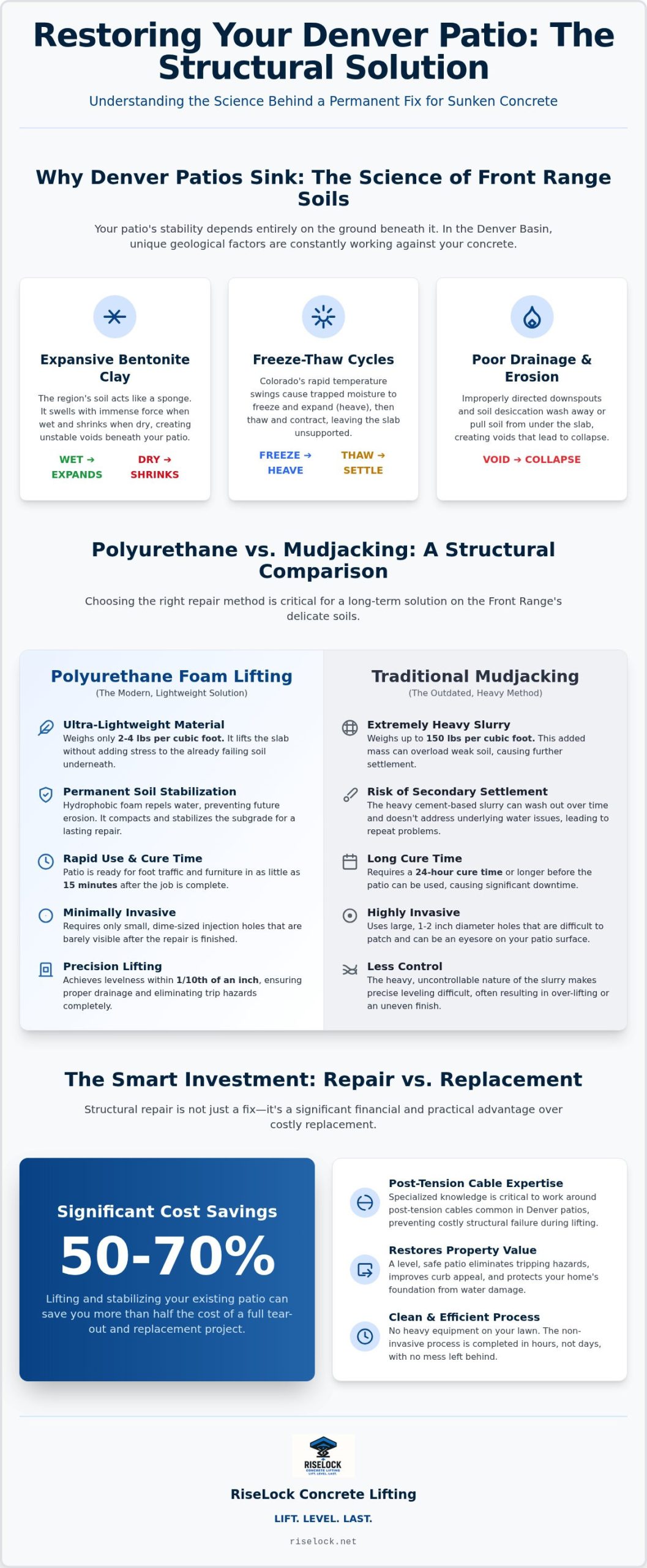
Selecting a repair method is a decision that dictates the long-term stability of your outdoor living space. While mudjacking is an older, more familiar technique, it carries inherent risks when applied to the Front Range’s delicate soil profiles. The primary differentiator is weight. Mudjacking injects a heavy slurry of sand, cement, and soil that can weigh up to 150 pounds per cubic foot. In contrast, high-density polyurethane foam weighs roughly 2 to 4 pounds per cubic foot while providing the same structural lift.
When dealing with concrete patio leveling Denver, adding significant mass to already failing soil is counterproductive. The heavy weight of a mudjacking slurry often triggers secondary settlement. This occurs when the new material actually pushes the slab deeper into the soft subgrade. Polyurethane lifting avoids this “overloading” effect, allowing for a permanent lift that respects the load-bearing capacity of the ground. It’s a solution designed for the specific physics of our region.
Precision is paramount in structural restoration. Our technicians can achieve levelness within 1/10th of an inch, ensuring that drainage is restored and tripping hazards are eliminated. The process is also remarkably efficient. While mudjacking requires a 24-hour cure time, a polyurethane-treated patio is ready for foot traffic and patio furniture in as little as 15 minutes. This speed allows homeowners to return to their normal routines without the extended downtime associated with traditional cementitious repairs.
The Advantages of High-Density Polyurethane Foam
Polyurethane is inherently hydrophobic. This means it won’t wash away or erode when exposed to heavy spring rains or snowmelt. The application process is also far less invasive than other methods. We use injection holes the size of a penny, which are easily patched and blended to match your existing concrete. As the foam expands, it flows into every corner of the subterranean void, creating a custom-molded support structure that prevents future shifting. If you are evaluating the current state of your outdoor space, consulting with a structural specialist can help determine the most effective path forward.
Why Traditional Mudjacking Often Fails in Colorado
Traditional slurry often contains organic matter that decomposes over time, leading to new voids and a repeat of the original problem. The sheer mess of the process can also be a deterrent. Pumping thick mud through large, two-inch holes often results in “blowouts” that require power washing your home’s siding and nearby landscaping. Most importantly, the added weight of cement-based mud is a poor match for the expansive or swelling soil found throughout our region. These soils are already prone to movement; adding tons of extra weight only accelerates the cycle of instability.
The Critical Factor: Post-Tension Cables in Denver Patios
Denver’s construction standards often require post-tension (PT) slabs for residential patios. These slabs use high-strength steel cables that are stressed after the concrete has cured, providing a higher level of structural integrity than traditional rebar. While this design is robust, it introduces a significant layer of complexity when you’re considering concrete patio leveling Denver. If a contractor lacks specialized knowledge of these systems, they risk causing a cable blowout. This occurs when a cable is accidentally severed during the drilling process, releasing stored energy that can damage property or cause injury.
At RiseLock Concrete Lifting, we view every concrete leveling project through a lens of structural engineering. Drilling into a PT slab without mapping the internal cables is a massive liability that many general contractors overlook. Our team is trained to identify and work around these high-tension systems, ensuring that the lifting process doesn’t compromise the internal reinforcement that keeps the patio slab together. We focus on technical mastery so that the repair is as safe as it is effective.
Identifying Post-Tension Slabs in Your Backyard
Determining if your patio is post-tensioned is a critical first step for any restoration project. You can often find a “PT” stamp impressed into the concrete, usually located near a corner or edge of the slab. Another common indicator is the presence of small plastic-capped cable ends along the perimeter of the patio. Unlike standard rebar-reinforced slabs, PT patios are engineered to act as a single, cohesive unit. This design helps the concrete resist the pressures explained in the science of Front Range soils, but it also means that settlement puts immense localized stress on the internal steel.
Structural Integrity and Cable Repair
Extreme soil settlement can occasionally lead to a cable snapping, which immediately degrades the slab’s structural integrity. When this happens, simple surface leveling isn’t enough to secure the area. We utilize advanced post tension installation techniques to restore the tension and save patios that might otherwise require complete demolition. RiseLock Concrete Lifting’s dual-track approach ensures that we don’t just fix the aesthetic dip in your backyard; we assess the health of the cables to provide long-term security. By combining precise polyurethane lifting with structural cable assessment, we offer a level of technical mastery that goes beyond the surface of the concrete.
ROI Analysis: Repair vs. Replacement for Denver Property Owners
Choosing between structural restoration and total replacement is a matter of financial logic. In the Denver market, a full patio replacement is a resource-intensive process that involves heavy machinery, significant noise, and substantial debris. Most property owners find that precision repair is typically 50 to 70 percent cheaper than a complete tear-out. This price gap is driven by the hidden costs of replacement; you aren’t just paying for new concrete. You’re also funding the labor for demolition, the hauling fees to local landfills, and the inevitable repair of your landscaping after heavy equipment crosses your yard.
Beyond the immediate savings, concrete patio leveling Denver directly impacts your home’s valuation. During a home appraisal, sunken slabs are frequently flagged as safety hazards or signs of poor drainage. These issues can stall a real estate transaction or lead to lower offers. By choosing polyurethane concrete lifting, you’re investing in a permanent solution that addresses the underlying soil voids without the mess of a construction site. It’s a surgical approach to home maintenance that prioritizes long-term stability.
When to Repair Your Patio
RiseLock Concrete Lifting follows the “Rule of Soundness” to determine if a slab is a candidate for restoration. If the concrete surface is structurally intact and isn’t crumbling into gravel, it can almost always be restored to its original height. We frequently address step-downs at sliding glass doors, where the patio has dropped several inches away from the house. These gaps aren’t just eyesores; they’re significant liabilities. Precision lifting closes these gaps and eliminates tripping hazards, restoring the seamless transition between your indoor and outdoor living spaces.
When Replacement is the Only Option
While our methods are advanced, they can’t fix concrete that has reached the end of its lifespan. If your patio shows signs of spalling, a condition where the top layer of concrete is flaking and peeling, or widespread surface rot, foam injection won’t restore the aesthetic finish. Similarly, when a slab has multiple intersecting cracks that have turned it into a cobblestone pattern, the structural integrity may be too compromised for a successful lift. However, a professional concrete repair in Denver, Colorado assessment should always be your first step. RiseLock Concrete Lifting provides an honest evaluation of whether your patio can be saved or if a new pour is the only viable path forward.
Before you sign a contract for an expensive and disruptive replacement, request a professional structural evaluation to see if precision leveling is the right fit for your property.
RiseLock Concrete Lifting Precision: The Front Range Standard for Patio Leveling
RiseLock Concrete Lifting operates on a foundation of quiet authority and technical mastery. Our mission is to provide homeowners with permanent structural restoration that prioritizes engineering precision over mere cosmetic fixes. While some contractors focus on the size of their trucks, we focus on the science of the lift. This commitment to excellence has made us a leader in concrete patio leveling Denver, providing a reliable alternative to the invasive and often temporary repairs offered by traditional service providers.
Our methodology centers on the use of eco-friendly, high-density polyurethane foam. This material is specifically engineered to stabilize the Front Range’s expansive soils without introducing harmful chemicals into your backyard environment. We deliver these specialized concrete lifting solutions across the entire Denver Metro area, including Aurora, Centennial, Parker, and Littleton. Whether you’re dealing with a minor settlement or a complex post-tension cable issue, our team treats your property’s structural health as our personal priority.
The RiseLock Concrete Lifting Process: What to Expect
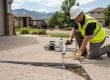
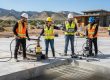
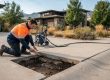
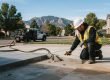
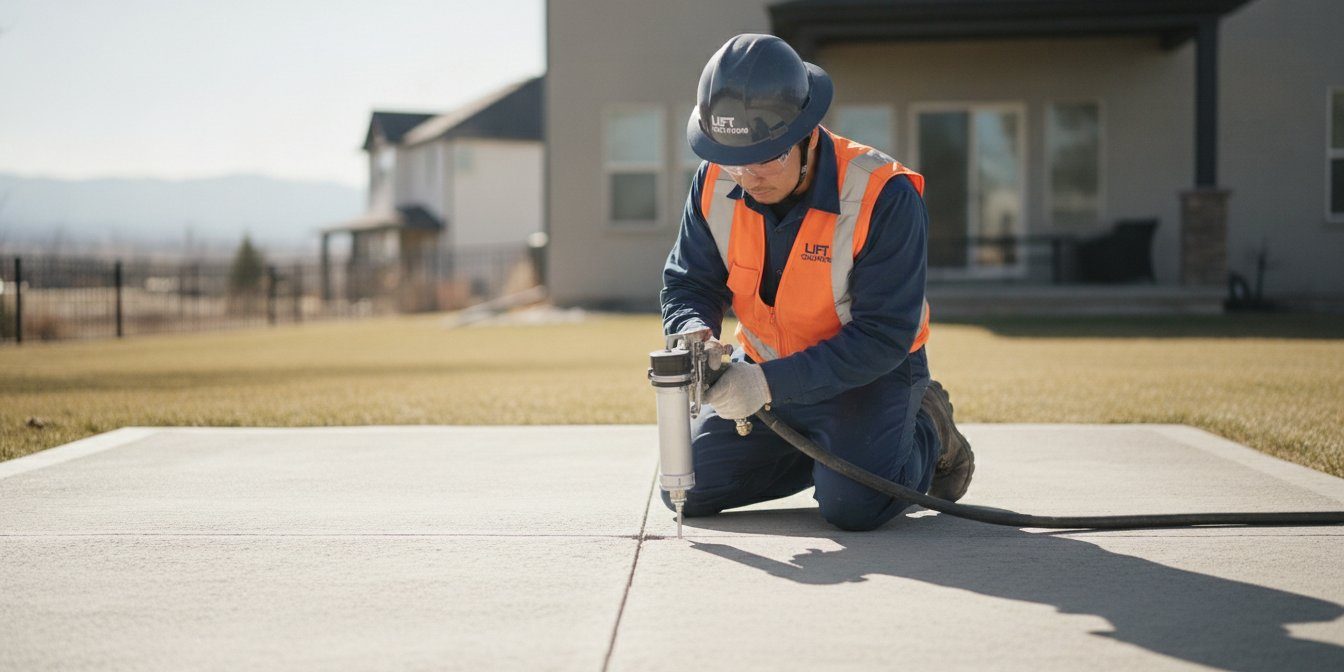
Every restoration project begins with a comprehensive structural assessment. We look beyond the visible cracks to understand the specific void patterns and soil conditions that caused the initial settlement. Once we’ve mapped the subgrade, the injection process begins. We use small, minimally invasive ports to deliver the foam, achieving a precision lift with zero landscape disruption. The final step involves sealing the injection points and applying high-grade joint caulking. This detail is vital; it prevents future water intrusion and protects the newly stabilized subgrade from the erosion cycles that plague Colorado homeowners.
Secure Your Patio’s Future
Delaying a repair usually leads to a higher final bill. As subterranean voids grow, the stress on your concrete slab increases, eventually leading to the type of surface rot or spalling that makes replacement unavoidable. Fixing settlement early is a proactive way to protect your home’s value and ensure the safety of your outdoor living space. There’s a certain peace of mind that comes from knowing your patio is level, stable, and ready for your next gathering. Contact RiseLock Concrete Lifting for a professional Denver concrete assessment to begin the process of permanent structural restoration.
Restoring Your Outdoor Living Space with Engineering Precision
Your patio is a vital structural component of your home’s exterior that requires an approach grounded in geological science and technical mastery. We’ve detailed how lightweight polyurethane technology respects the delicate balance of Front Range soils and why identifying post-tension cable systems is essential for a safe, successful restoration. By opting for a high-precision repair instead of a disruptive replacement, you secure your property’s value while avoiding the unnecessary stress of a construction site in your backyard.
Professional concrete patio leveling Denver is about more than just aesthetics; it’s about establishing long-term stability through modern innovation. As specialized post-tension cable experts using precision polyurethane technology, we take pride in serving homeowners across Denver, Aurora, and the Front Range. We view every structural challenge as a personal priority, ensuring your outdoor space is restored with the care it deserves. Take the first step toward a safer, perfectly level patio today.
Request Your Free Concrete Patio Leveling Estimate from RiseLock
We look forward to helping you reclaim your outdoor living area and ensuring your patio remains a stable, level asset for years to come.
Frequently Asked Questions
How much does concrete patio leveling cost in Denver?
The cost of a restoration project depends on the square footage of the slab and the volume of the subterranean voids. While we don’t provide flat rates without a physical inspection, the process is generally 50 to 70 percent less expensive than a total patio replacement. Factors such as soil stability and the presence of post-tension cables can influence the complexity. A professional assessment is required to provide an accurate scope of work for your specific property.
Is polyurethane foam lifting better than mudjacking for Colorado soil?
High-density polyurethane is superior for Colorado’s expansive clay soils because it adds negligible weight to the subgrade. Mudjacking uses a heavy slurry that can weigh 150 pounds per cubic foot, often causing the soil to sink further under the added load. The lightweight nature of foam prevents this secondary settlement, making it the more durable choice for concrete patio leveling Denver and long-term structural stabilization.
How long does it take to level a concrete patio with foam?
Most residential patio projects are completed in a single afternoon. The injection process itself is highly efficient, and because the foam reaches 90 percent of its full strength within minutes, there is no need for multi-day curing periods. We can typically arrive, stabilize the slab, and depart within three to five hours. This depends on the size of the voids we are filling and the complexity of the lift.
Can you lift a patio that has a post-tension cable?
Yes, but it requires specialized expertise to avoid damaging the high-tension steel internal to the slab. We use precision drilling techniques to ensure we don’t sever the cables, which could compromise the entire structure. Many general contractors avoid these projects due to the liability. Our team specializes in the technical mastery required for safe concrete patio leveling Denver on post-tensioned surfaces, ensuring the reinforcement remains intact.
Will the foam wash away if my backyard floods during a Denver storm?
The high-density polyurethane we use is completely hydrophobic, meaning it won’t react with or be displaced by water. Once the foam has cured beneath your patio, it forms a rigid, water-resistant barrier that remains stable even during heavy Front Range rain events. It doesn’t erode or leach chemicals into the surrounding soil. This ensures a permanent and environmentally responsible structural repair that stands up to Colorado’s unpredictable weather patterns.
Does concrete leveling fix the cracks in my patio surface?
Leveling is designed to lift the slabs back into their original position, which often closes existing cracks and makes them much less visible. However, the process doesn’t erase the physical fracture in the concrete. After the lift is complete, we recommend sealing the joints and cracks with a high-grade silicone or polyurethane caulk. This prevents future water intrusion and soil erosion, protecting the new subgrade support we’ve established.
How soon can I use my patio after the leveling is complete?
You can return your furniture to the patio and host guests almost immediately after we finish the project. High-density foam cures rapidly, allowing the surface to support full weight within 15 to 30 minutes of the final injection. This is a significant advantage over traditional cement-based repairs. Mudjacking often requires at least 24 hours of curing before the area is safe for foot traffic or heavy loads.
Why is my concrete patio sinking more on one side?
Differential settlement usually occurs because of localized moisture issues or uneven soil compaction. If a gutter downspout is dumping water near one corner of your patio, it can wash away the subgrade or cause the clay to expand and contract more aggressively. This creates a void that causes one side of the slab to drop while the other remains stable. Identifying these drainage issues is a key part of our initial structural assessment.