The assumption that a settling driveway or uneven patio requires a full, messy replacement is one of the most common misconceptions in local home maintenance. When you’re facing the hazards of uneven slabs, seeking professional sunken concrete repair denver residents can trust is about more than just aesthetics; it’s about protecting your property’s structural integrity. You’ve likely watched water pool toward your foundation or worried about a guest tripping on a shifted walkway, and the thought of heavy machinery tearing up your yard is enough to delay the project indefinitely.
It’s frustrating to see your investment sink, but the solution doesn’t have to be destructive. In this guide, you’ll learn how modern polyurethane concrete lifting addresses the root cause of the problem by stabilizing the soil beneath the slab. We’ll detail how this high-density foam technology restores level surfaces with surgical precision, offering a durable result that lasts for decades without the debris of traditional methods. By understanding the science of soil compaction and modern restoration, you can secure your home’s value with minimal disruption to your daily life.
Key Takeaways
- Identify how Denver’s expansive clay soils cause concrete settlement and why addressing the soil is the first step toward a permanent fix.
- Discover why high-density polyurethane is the modern standard for sunken concrete repair denver homeowners trust to avoid the weight and mess of traditional mudjacking.
- Apply the 80/20 Rule to determine if your damaged slabs are candidates for precision lifting or if a full replacement is truly necessary.
- Learn the step-by-step injection process that restores structural integrity with surgical precision and minimal disruption to your landscape.
- Explore how professional concrete leveling provides a long-term, cost-effective alternative that preserves your home’s curb appeal for decades.
Understanding Why Concrete Sinks in the Denver Metro Area
Concrete settlement occurs when the subgrade soil can no longer support the weight of the slab. It isn’t usually a defect in the concrete itself; instead, the ground beneath the surface shifts, erodes, or compacts, leaving the heavy material without a foundation. In the context of sunken concrete repair denver homeowners often find that their driveways and patios have developed significant dips due to this underlying instability. Once the soil fails, the rigid concrete has no choice but to follow the path of least resistance downward.
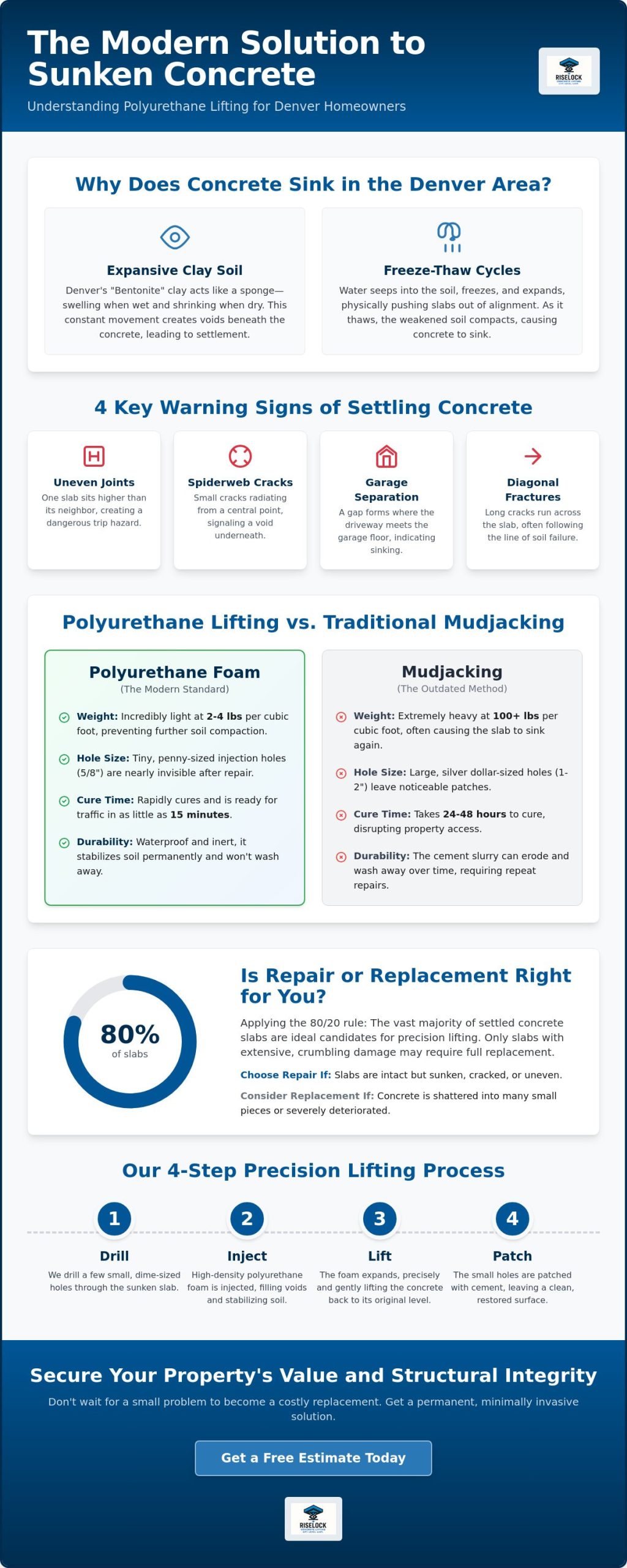
The primary culprit in Colorado is a specific type of expansive clay. This mineral, often called Denver Bentonite, behaves much like a sponge. It swells significantly when wet and shrinks during our frequent dry spells. This constant volumetric change creates a cycle of stress on any rigid structure sitting above it. Over time, these fluctuations lead to the formation of air pockets or voids. When these voids occur, gravity eventually wins. The slab sinks into the empty space, leading to the cracks and uneven surfaces that require Concrete leveling to correct.
Colorado’s climate adds another layer of complexity to this geological challenge. Hydrostatic pressure from melting snow forces water into the soil pores, while the intense freeze-thaw cycles common in the Front Range expand that moisture. This expansion physically pushes the concrete out of alignment. Without a stable base, even the thickest slabs will eventually succumb to these natural forces, creating hazards that compromise both safety and property value.
The Geological Factor: Front Range Soil Mechanics
The Front Range is known for high-alkali and clay-rich soils that challenge structural longevity. In newer developments across Aurora and Thornton, “collapsible soils” are particularly prevalent. These soils may appear stable when dry but lose their strength rapidly when saturated, causing sudden settlement. Bentonite soil is a highly expansive volcanic ash derivative found across Colorado. When evaluating options for sunken concrete repair denver residents should consider how these geological factors interact with their specific property layout to ensure a long-term solution.
Signs Your Concrete is Settling
Early detection can prevent more costly structural damage. Look for these specific indicators on your property:
- Uneven joints: One slab sits higher than its neighbor, creating a distinct trip hazard for family and guests.
- Spiderweb cracking: Multiple small cracks radiating from a central point, suggesting a lack of support directly underneath the surface.
- Garage separation: A visible gap forming where the driveway meets the garage floor, often indicating the driveway is pulling away or sinking. If these shifts have impacted your entryways, you can discover Liberty Door Repair for specialized solutions that address door alignment and structural integrity.
- Diagonal fractures: Long cracks that run across the slab, typically following the line of the underlying soil failure.
Polyurethane Foam vs. Mudjacking: Choosing the Modern Standard
Traditional mudjacking relies on a heavy slurry of sand and cement. While this method was once the industry standard, it introduces a significant flaw into the restoration process: excessive weight. Adding hundreds of pounds of wet material to soil that has already failed under the weight of a concrete slab often results in secondary settlement. For the high-precision sunken concrete repair denver residents require, high-density polyurethane provides a sophisticated alternative that stabilizes the ground without the burden of excess mass.
RiseLock utilizes polyurethane because it’s environmentally inert and structurally superior. It doesn’t leach chemicals into the Colorado groundwater, making it a responsible choice for residential properties. The speed of the application is equally advantageous. While traditional methods require days of restricted use, polyurethane is ready for foot and vehicle traffic in approximately 15 minutes. This efficiency minimizes the disruption to your schedule and your property.
Weight and Pressure: The Science of Lifting
The density of the lifting material is a critical variable in long-term slab stabilization. Mudjacking slurry typically weighs over 100 pounds per cubic foot. Modern high-density foam weighs between 2 and 4 pounds per cubic foot. This massive reduction in weight prevents the material from further compacting the sensitive expansive or swelling soil found throughout the region. It’s a fundamental shift in how we approach sunken concrete repair denver projects, moving from brute force to technical precision. Instead of relying solely on hydraulic force, foam uses a controlled expansion to fill microscopic voids. This method requires only penny-sized injection holes, which are far less invasive than the large ports needed for slurry.
Durability in Colorado Climates
Denver’s climate presents unique challenges for structural integrity. High-density foam acts as a hydrophobic moisture barrier, preventing water from eroding the subgrade or causing the clay to swell. It maintains its structural properties despite the extreme temperature swings common in the Front Range. To better understand how this technology integrates with your specific restoration needs, you can explore our Polyurethane Concrete Lifting: The Precision Guide. If you suspect your driveway or patio is losing its level, a professional concrete leveling evaluation can determine the most effective stabilization strategy.
Evaluating Your Slabs: Is Repair or Replacement the Right Choice?
Deciding whether to salvage a settling slab or invest in a full replacement is a significant financial and structural choice. The primary goal is to determine if the concrete’s internal matrix is still sound despite its change in elevation. We often apply the 80/20 rule: if at least 80% of the slab remains intact and free from deep structural fractures, the specialized sunken concrete repair denver residents rely on is almost always the superior path. Opting for restoration allows you to address the underlying soil instability without the excessive waste of a total tear-out.
The financial implications of this choice are substantial. Restoration through polyurethane injection is typically 50-70% less expensive than pouring new concrete. Beyond the immediate invoice, replacement carries hidden costs that many homeowners overlook. Heavy demolition equipment can destroy expensive landscaping, and the process often requires municipal permits and significant downtime. When you choose to lift and stabilize, you’re investing in a surgical solution that preserves your property’s existing features while providing a permanent fix. For a deeper look at how modern engineering makes this possible, our guide to concrete slab repair without replacement details the full range of non-invasive restoration options available to Denver homeowners.
It’s vital to remember that concrete is only as stable as the ground beneath it. If you pour new material over the same shrinking or swelling soils that caused the original failure, the new slab will likely sink within a few years. Sunken concrete repair denver projects succeed because they focus on stabilizing the subgrade first, ensuring the concrete has a reliable foundation for decades to come.
When Lifting is the Ideal Solution
This approach is particularly effective for driveways, walkways, and pool decks that have tilted but haven’t crumbled. It’s also the preferred method for interior garage floors where a gap has formed at the threshold, creating a hazard and allowing pests to enter. If your front porch entrance has developed a widening gap or sinking staircase, our complete guide to lifting settled concrete steps covers the full range of non-invasive solutions for restoring your home’s entrance safely. Utilizing Foam Concrete Lifting provides the necessary expansion force to fill voids and restore the original grade with minimal disruption to your daily schedule.
When Replacement is Unavoidable
There are instances where the concrete’s physical integrity has been compromised beyond the point of repair. If you observe “alligator cracking”—a pattern of small, interconnected fractures—the internal matrix of the slab has failed. Similarly, slabs suffering from severe spalling or surface crumbling due to years of salt and chemical exposure may lack the strength to withstand the lifting process. In these cases, we act as professional guides to help you transition to a replacement plan that includes proper subgrade preparation.
The execution of sunken concrete repair denver projects requires a disciplined, step-by-step methodology to ensure long-term structural success. Unlike traditional methods that rely on guesswork, modern restoration is a surgical process that prioritizes the integrity of the existing slab. Each phase is designed to stabilize the subgrade while restoring the surface to its original intended grade. It’s a systematic approach that moves from diagnostic preparation to final stabilization with minimal impact on your property.
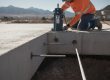
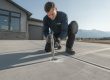
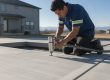
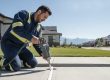
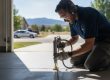
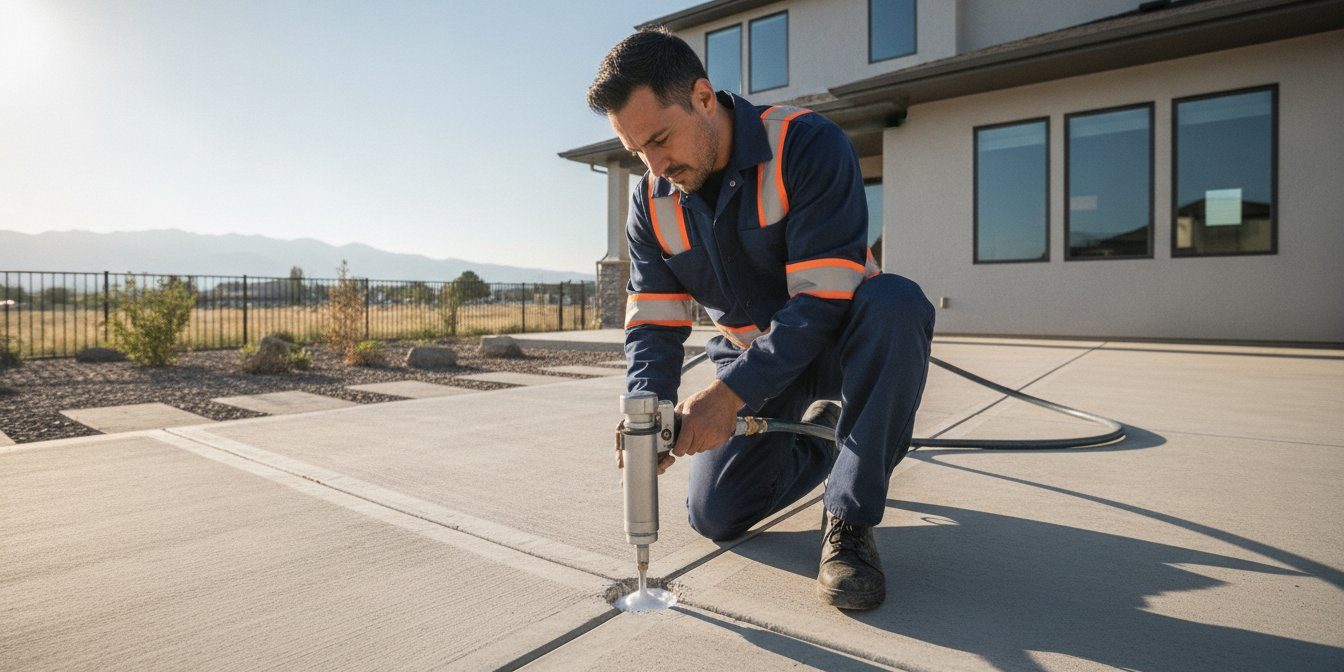
- Step 1: Precision Drilling – Technicians identify optimal injection points based on the slab’s weight distribution and the location of underlying voids. We drill small-diameter holes, typically the size of a penny, which minimizes the visual impact on the concrete surface.
- Step 2: Injection – We inject a specialized two-part high-density polymer through these ports. This material begins to expand immediately, filling the microscopic gaps in the soil and exerting a controlled upward pressure on the slab.
- Step 3: Monitoring – During the injection, we monitor the slab’s movement in real-time. This ensures that the lift is uniform and that the slab reaches a perfectly flush finish with adjacent surfaces.
- Step 4: Patching – Once the desired elevation is achieved, the injection ports are removed. We fill the holes with a durable, color-matched cementitious grout that blends seamlessly with the surrounding concrete.
- Step 5: Clean-up – The site is cleared of all equipment and debris. Because the polymer reaches 90% of its structural strength within minutes, your driveway or walkway is ready for immediate use.
Laser-Precision Leveling Techniques
Monitoring equipment allows us to track elevation changes to within 1/10th of an inch. This level of accuracy is vital because over-lifting can create new stress points or unintended drainage issues. We lift in deliberate, incremental stages, allowing the foam to expand and settle before applying more material. This methodical cadence prevents the sudden shifts that cause stress fractures in older or more brittle concrete. It’s this commitment to technical mastery that separates professional sunken concrete repair denver services from temporary fixes.
Post-Injection Sealing and Finishing
The repair isn’t truly complete until the entry points for water are addressed. We often recommend joint caulking to prevent moisture from re-entering the subgrade and triggering another cycle of soil expansion. Sealing existing cracks after a lift is also essential for maintaining the long-term warranty of the work. The polymer itself cures into a rigid, waterproof mass that will not wash away or degrade over time. To ensure your property is fully protected against future settlement, you can schedule a professional site assessment to review these finishing steps.
Securing Your Structural Integrity with RiseLock
Structural restoration is a matter of precision and long-term security. When homeowners seek sunken concrete repair denver projects often involve more than just surface leveling; they require a deep understanding of local soil mechanics and material science. RiseLock approaches every project with quiet authority, viewing your structural challenges as a personal priority. Our commitment to technical mastery ensures that every lift isn’t just a temporary fix, but a permanent stabilization of your property’s foundation.
We pride ourselves on maintaining the ethical backbone of a traditional service provider while staying at the forefront of industry technology. This balance allows us to act as a professional guide, leading you away from the stress of property damage toward the peace of mind offered by specialized intervention. Whether we’re addressing a minor trip hazard or a complex foundation issue, our focus remains on high-precision results that stand the test of time.
Advanced Reinforcement: Post-Tension Integration
In some cases, simple leveling isn’t enough to guarantee the future stability of a slab. For properties with severe structural demands or commercial-grade requirements, Post Tension Installation provides superior slab strength. This method involves the strategic use of high-strength steel cables to reinforce the concrete from within, creating a resilient structural matrix. While foam lifting addresses the soil’s support capacity, post-tensioning adds a layer of internal reinforcement that prevents future cracking under heavy loads. Understanding the difference between simple leveling and comprehensive structural stabilization is key to making an informed investment in your home’s longevity.
Why Denver Trusts RiseLock Concrete Lifting
Our expertise is rooted in a deep familiarity with the diverse neighborhoods across the Front Range. From the expansive clay challenges in Centennial and Arvada to the unique geological profiles of Castle Rock and Boulder, we provide tailored sunken concrete repair denver solutions that respect the specific environment of your property. We don’t believe in one-size-fits-all solutions. Instead, we provide grounded, confident assertions backed by technical data and years of local experience. You can request a professional assessment from RiseLock Concrete Lifting to receive a detailed analysis of your concrete’s condition and a clear roadmap for restoration. Restore the safety and value of your property today with a partner who values precision as much as you do.
Restoring Your Property’s Value and Structural Security
Restoring your home’s concrete is about more than just leveling a slab; it’s about understanding the specific soil mechanics of the Front Range. We’ve explored how high-density polyurethane injection provides a surgical fix that addresses the root cause of settlement without the destruction of replacement. By choosing modern restoration, you avoid the unnecessary weight of mudjacking and the high costs associated with tearing out functional concrete. For homeowners seeking sunken concrete repair denver, the path to a safe and level property is defined by technical precision and geological expertise.
RiseLock combines deep local soil knowledge with precision laser-leveling technology to deliver results that last for decades. You don’t have to live with the stress of trip hazards or pooling water near your foundation any longer. Our team views your structural challenges as a personal priority, applying specialized polyurethane foam injection to stabilize your property with minimal disruption. It’s time to move toward the peace of mind offered by professional, high-precision intervention. Schedule Your Free Structural Assessment with RiseLock today and secure your home’s foundation for the future.
Frequently Asked Questions
How much does sunken concrete repair cost in Denver?
The cost of restoration depends on the size of the void beneath your slab and the total square footage requiring stabilization. While we don’t provide fixed pricing without a site assessment, repair is typically a fraction of the investment required for a full replacement. Factors such as the volume of polyurethane needed and the accessibility of the site will influence the final project estimate.
Is polyurethane concrete lifting permanent?
High-density polyurethane is considered a long-term solution because it is hydrophobic and chemically inert. It doesn’t degrade or wash away when exposed to moisture, which is a common failure point for traditional materials. By stabilizing the subgrade and filling the underlying voids, this method provides a durable foundation that remains structurally sound for decades.
Can you lift concrete in the winter in Colorado?
Lifting can be performed year-round in Colorado as long as the subgrade isn’t frozen deep beneath the surface. The chemical reaction that occurs during injection generates its own heat, allowing the polymer to expand and cure effectively even in colder temperatures. This makes it a reliable option for sunken concrete repair denver homeowners can utilize during any season.
How long does the foam lifting process take?
Most residential projects, such as driveways or walkways, are completed in a single morning or afternoon. The injection process is efficient, and the material reaches 90% of its structural integrity within 15 minutes. This rapid cure time allows you to return the surface to full service, including vehicle traffic, almost immediately after the technicians finish the work.
Will the foam lift my heavy driveway or garage floor?
High-density polymer is specifically engineered to lift immense loads, including heavy vehicle pads and interior garage floors. The expansion force of the foam is powerful enough to move massive slabs with surgical precision. We use laser-leveling equipment to monitor the movement in real-time, ensuring that even the heaviest concrete sections are restored to a perfectly flush position.
Is foam lifting better than mudjacking for Denver soils?
Foam lifting is the superior choice for Denver’s expansive clay soils because it adds minimal weight to the ground. Mudjacking introduces a heavy slurry that can actually accelerate settlement by over-burdening the already failing subgrade. Polyurethane is lightweight and acts as a moisture barrier, which helps mitigate the shrinking and swelling cycles common in the Front Range.
Can I DIY sunken concrete repair with canned foam?
Retail spray foams lack the compressive strength and controlled expansion required for structural concrete leveling. Professional systems use a two-part polymer injected at high pressure with specialized machinery to ensure uniform support. Attempting a DIY fix with inadequate materials usually results in an uneven lift and lacks the durability needed to support the weight of a concrete slab.
Does concrete leveling prevent future sinking?
Leveling provides a stable foundation by filling voids and compacting the soil immediately beneath the concrete. While it is highly effective at stopping current settlement, we also recommend addressing external factors like gutter drainage and joint sealing. Combining professional sunken concrete repair denver services with proper moisture management offers the best protection against future soil movement.