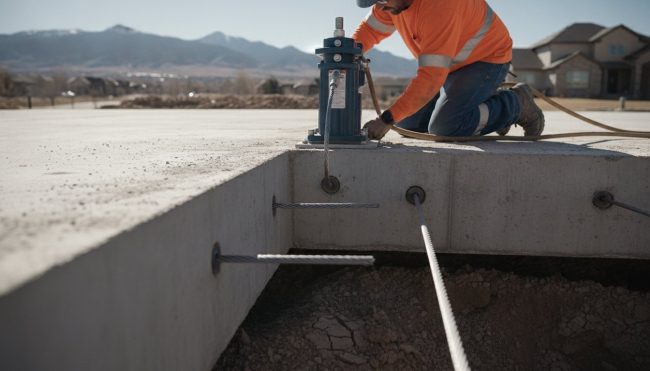
Post Tension Foundation Repair in Denver: A Strategic Guide to Structural Stability
What if your home’s foundation isn’t just a static block of concrete, but a dynamic mechanical system held together by thousands of pounds of live…
What if your home’s foundation isn’t just a static block of concrete, but a dynamic mechanical system held together by thousands of pounds of live…
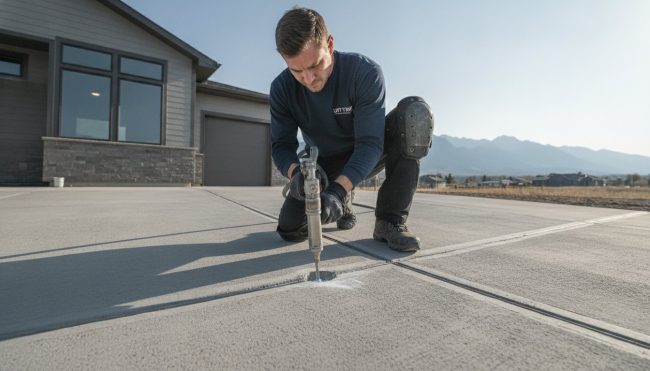
Did you know that Colorado’s expansive soils cause more property damage than floods, earthquakes, and tornadoes combined? In a city like Denver,…
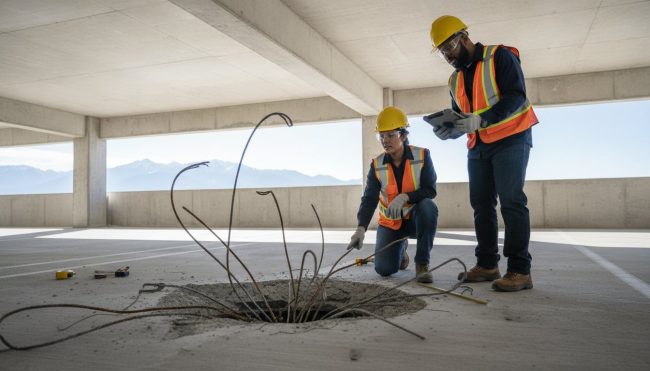
A single half-inch post-tension tendon can hold as much as 33,000 pounds of force. This makes a sudden failure more than just a maintenance issue; it…
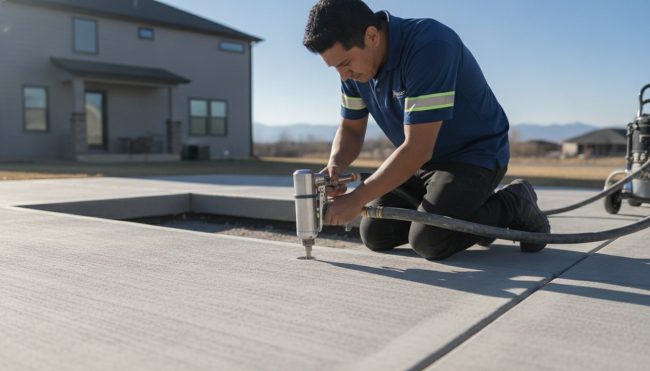
Is your sunken patio just an eyesore, or is it a structural warning sign for your home’s foundation? In the Front Range, the reality of expansive…

A single vertical inch of settled concrete is often all it takes to transform your front walkway from a functional path into a significant legal and…
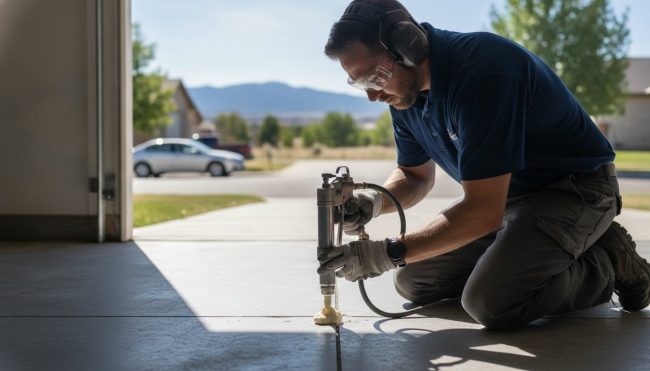
Repairing a crack in a post-tensioned slab isn’t a standard masonry task; it’s a high-stakes surgical procedure where one wrong move can compromise…
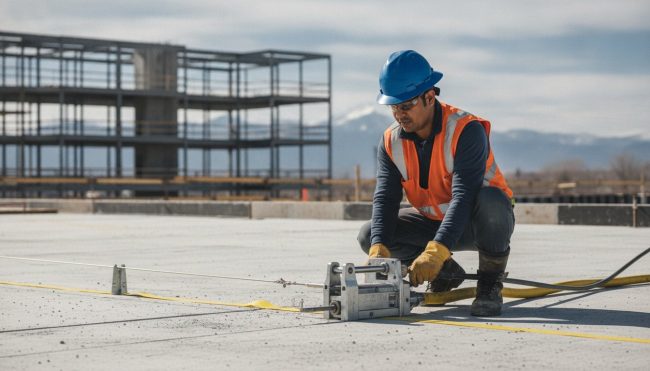
In the Denver Metro area, the ground beneath your feet is a shifting force of bentonite clay that exerts thousands of pounds of pressure on every…

What if the material used to fix your sunken driveway is actually the primary cause of it sinking again six months later? In Colorado, where roughly…

Imagine hearing a sharp, metallic crack echoing from your garage, a sound often compared to a muffled gunshot or a heavy mallet hitting the concrete….

What if the cracks in your foundation aren’t just cosmetic signs of aging, but a warning that your building’s internal tension system is reaching its…