
Imagine hearing a sharp, metallic crack echoing from your garage, a sound often compared to a muffled gunshot or a heavy mallet hitting the concrete. This sudden noise usually indicates a tendon rupture, a high-stakes event that requires immediate attention to protect your home’s structural integrity. When you’re facing the need for emergency post tension repair in Colorado, the pressure of our state’s expansive bentonite clay makes every hour count. You’re likely worried about the immediate safety of your foundation and the specialized technical requirements of such a high-tension fix.
We understand that a cable failure feels overwhelming, but managing the situation with precision can prevent a localized issue from becoming a total structural compromise. In this article, you’ll learn how to identify the signs of a blowout, verify the immediate safety of your slab, and navigate the professional restoration process. We’ll also cover the latest ACI-PTI 320-25 code requirements and modern corrosion-resistant materials to ensure your repairs meet the highest standards for long-term security. By the end, you’ll have a clear path from structural uncertainty to a stabilized, compliant property.
Key Takeaways
- Learn how to distinguish a post-tension cable blowout from minor settling by identifying specific auditory cues and visual warning signs.
- Understand how Colorado’s expansive bentonite clay accelerates tendon stress and why localized soil knowledge is vital for a lasting repair.
- Follow the technical progression of an emergency post tension repair Colorado project, ensuring your site is stabilized and your slab is restored to its original structural capacity.
- Differentiate between the safety protocols required for residential slab-on-grade foundations and the load-bearing demands of elevated commercial structures.
- Identify the specialized equipment and technical standards necessary to ensure a repair meets modern structural codes and provides long-term security.
What is an Emergency Post-Tension Cable Failure?
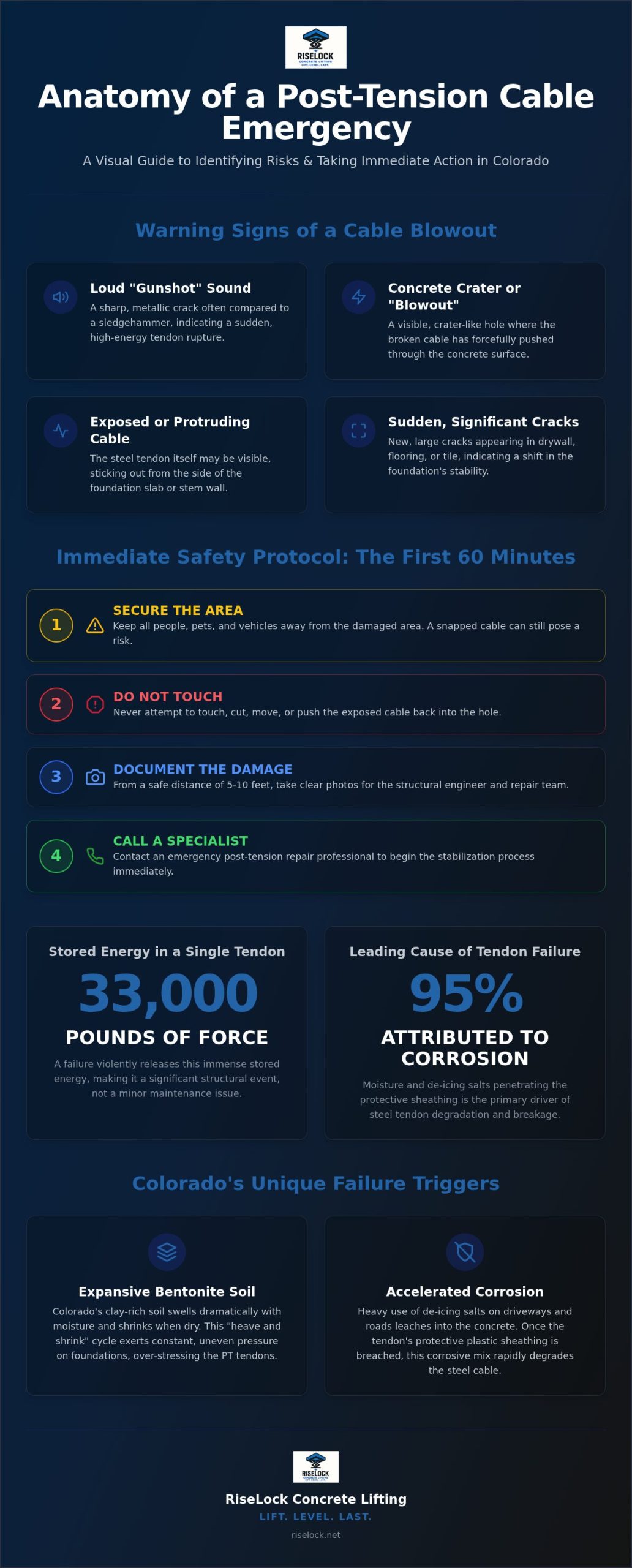
A post-tension cable failure occurs when one of the high-strength steel tendons reinforcing your foundation snaps or loses its grip at the anchorage point. In modern construction, post-tensioned concrete is widely used to provide structural stability, especially in residential slab-on-grade foundations throughout the Front Range. When these systems function correctly, they apply active compression to the concrete, helping it resist the movement caused by Colorado’s expansive bentonite soils. However, when a cable fails, the stored energy is released with violent force. A single half-inch diameter tendon is typically tensioned to 33,000 pounds of force, which means a rupture isn’t a minor maintenance issue; it’s a structural event that requires an immediate emergency post tension repair Colorado specialist.
Signs of a Post-Tension Emergency
Identifying a blowout early is critical for property safety. Homeowners often report a sound like a gunshot or a heavy sledgehammer striking the floor, often originating from the garage where cable ends are typically anchored. Visually, you might see a blowout, which is a crater-like hole in the concrete where the cable has pushed through the surface. In some cases, the cable might actually protrude from the side of the slab or the garage stem wall. If you notice sudden, significant cracks in your drywall or flooring that weren’t there yesterday, your foundation’s tensioning system may have been compromised. These visual cues indicate that the slab’s internal reinforcement has lost its ability to hold the concrete together against shifting soils.
Immediate Safety Protocol: The First 60 Minutes
Safety is the absolute priority in the first hour following a failure. Because the steel tendon has snapped under high tension, the remaining portions of the cable can still be unpredictable. You must keep all people, pets, and vehicles away from the area where concrete has blown out or where a cable is visible. Don’t attempt to touch, cut, or push the cable back into the hole. Instead, document the damage by taking clear photos from a safe distance of at least five to ten feet. These images will be vital for the structural engineer and the team performing the emergency post tension repair Colorado, as they provide clues about the failure’s origin and the extent of the tension loss. Once the area is secure, contact a professional to begin the stabilization process.
Why Post-Tension Cables Fail in Colorado Properties
While post-tensioned systems are designed for durability, the unique environmental conditions of the Front Range create a constant state of structural stress. Colorado’s geology and climate act as catalysts for metal fatigue and concrete compromise. When these factors converge, the result is often a sudden rupture that necessitates emergency post tension repair Colorado services to restore the building’s safety. Understanding these specific triggers helps property owners move from reactive panic to proactive, informed management of their structural assets.
The Role of Expansive Soil (Bentonite)
Denver, Aurora, and the surrounding regions are built upon high concentrations of bentonite clay, a soil known for its dramatic volume changes. This “heave and shrink” cycle occurs as the clay absorbs seasonal moisture and then dries out during our semi-arid summers. As bentonite clay absorbs water and expands, it exerts upward pressure on the slab, while the subsequent drying phase creates structural voids that force the post-tension tendons to bear loads they weren’t designed to support independently. This movement isn’t just a surface issue; it creates a shifting foundation that can eventually snap a cable that has reached its physical limit.
Corrosion: The Silent Killer of PT Tendons
Corrosion remains the leading cause of tendon failure, accounting for approximately 95% of breakages in exterior slabs. In Colorado, this is often accelerated by the heavy use of de-icing salts on driveways and parking structures, which eventually leach into the concrete matrix. When the protective plastic sheathing or duct is breached, moisture and chemicals reach the steel, leading to oxidation. According to the Post-Tensioning Institute, maintaining the integrity of the moisture-barrier sheathing is the most critical factor in preventing long-term tendon degradation. One early warning sign owners should watch for is the presence of grease leaks on the slab edge or stem wall. This indicates that the protective lubricant inside the tendon sheath is escaping, leaving the steel vulnerable to Colorado’s alkaline soils. If you notice these signs, engaging in professional concrete repair early can prevent a full-scale blowout.
Temperature swings also play a significant role. Denver’s rapid freeze-thaw cycles cause the concrete to contract and expand at a different rate than the steel tendons. This differential movement can exacerbate existing installation errors, such as improper cable spacing or insufficient concrete cover. When these builder errors are combined with environmental stress, the structural integrity of the slab is compromised, leading to the high-tension failures that require immediate, expert intervention.
Assessing the Risk: Residential vs. Commercial Repairs
While the fundamental physics of post-tensioning remain consistent across different projects, the stakes and structural implications vary significantly between a single-family home and a multi-story parking garage. A failure in a residential slab often presents as localized alignment issues, whereas a commercial failure can compromise the load-bearing capacity of an entire elevated floor. Professional intervention for emergency post tension repair Colorado must be tailored to these specific structural contexts to ensure long-term stability and legal compliance with municipal codes.
In the residential sector, most PT systems are slab-on-grade. When a cable fails, the concrete loses its active compression, which can lead to a phenomenon known as racking. This occurs when the house’s frame begins to shift or twist, causing doors to stick in their frames and windows to jam. Because the slab is no longer being pulled together, Colorado’s soil movement can more easily pull the concrete apart, turning a single broken cable into a series of foundation cracks.
Residential Slab-on-Grade Repair
Failures frequently occur in high-exposure areas like garages, driveways, and basement walk-outs where moisture ingress is most common. Beyond the physical damage, a broken PT cable is a material defect that must be disclosed during any Denver or Colorado Springs real estate transaction. Addressing the issue promptly protects your home’s equity and prevents the need for more invasive foundation stabilization later. For a deeper look at these restoration techniques, see our guide on concrete repair in Denver, Colorado.
Commercial and Elevated Slab Repair
Commercial structures, particularly elevated slabs in Boulder or Lakewood, operate under much higher tension and load requirements. These systems often utilize multi-strand tendons or barrier cable systems designed to keep the structure rigid under the weight of vehicles and heavy machinery. Because of the high occupancy and safety risks, Colorado building codes typically require a Professional Engineer (P.E.) to oversee and sign off on commercial PT repairs. This ensures the tensioning sequence doesn’t inadvertently damage adjacent structural members during the restoration.
High-occupancy risks in urban centers demand a rapid response to prevent cascading structural failure. Repairing these structures requires specialized hydraulic equipment, including calibrated PT jacks capable of handling the immense forces of multi-strand systems. Evaluating concrete damage in these environments is a precise technical exercise that goes beyond simple patching; it involves assessing the entire tensioning network to ensure the building remains safe for public use. Navigating insurance claims for such damage is equally complex, as most policies require proof that the emergency post tension repair Colorado was performed by a qualified specialist using industry-standard methods to maintain the structure’s original design strength.
The Step-by-Step Emergency Repair Process
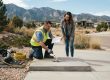
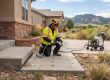
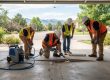
Restoring a compromised foundation requires a methodical approach that balances mechanical force with surgical precision. When we initiate an emergency post tension repair Colorado project, the first priority is site stabilization. This involves securing the blowout zone and performing a preliminary structural assessment to determine if the slab has begun to shift or rack. Once the area is safe, we move into the excavation phase. This is a delicate process where we carefully chip away concrete to expose the damaged cable while ensuring adjacent, high-tension tendons remain undisturbed.
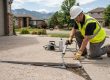
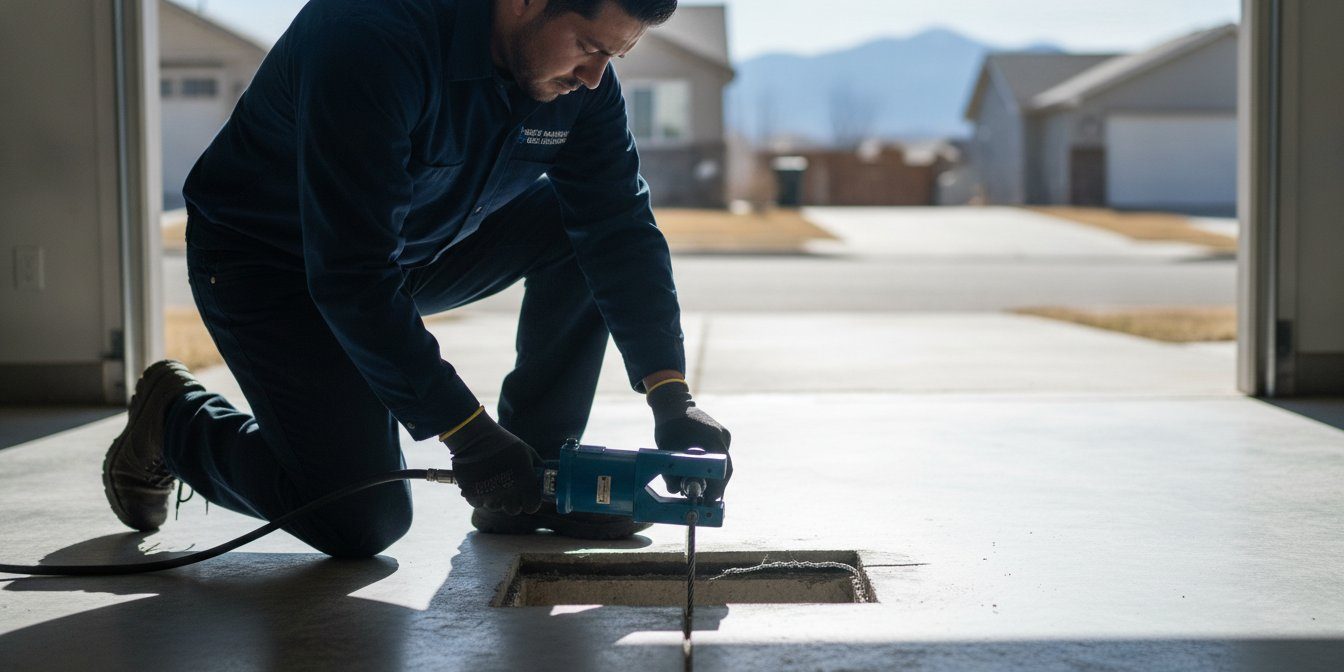
After exposing the cable, we perform a splice. This involves removing the damaged or corroded section of steel and installing a new high-strength tendon segment using specialized mechanical couplers. The system is then prepared for re-tensioning, which is the most critical phase of the restoration. Using calibrated hydraulic jacks, we pull the new cable to the exact pound-force specified in the original engineering plans. Finally, the repair is encapsulated with protective grease and waterproof sheathing before the concrete is patched to match the surrounding surface and protect against the elements.
Precision Tensioning: The Core of the Fix
Determining the original tension specifications is a vital step in the restoration process. We analyze the slab’s design and thickness to identify the target force, which typically reaches 33,000 pounds for a standard half-inch residential tendon. The anchor and wedge system acts as the mechanical lock, gripping the steel and holding it under permanent tension once the hydraulic jack is released. Elongation measurements serve as the primary industry standard for successful tensioning, as they provide a verifiable record of the physical stretch of the cable to confirm that the target structural load has been reached.
Modern Stabilization Techniques
In many Colorado cases, the initial cable failure is preceded by soil settlement. If voids have formed beneath the slab due to bentonite clay movement, re-tensioning alone may not be sufficient to restore the foundation’s integrity. We often utilize polyurethane concrete lifting to fill these subterranean gaps and provide a stable base for the slab before the cables are pulled. This dual-action approach ensures the foundation is supported from both below and within, preventing future stress points. To ensure your property is protected against Colorado’s harsh winter moisture and expansive soil, it is essential to work with a specialist in post tension installation and repair.
Choosing an Emergency PT Repair Specialist in Colorado
Selecting a contractor for an emergency post tension repair Colorado requires a level of scrutiny that goes beyond standard concrete work. Because these systems are under immense mechanical stress, the technician must possess both the specialized equipment and the technical mastery to handle high-tension steel safely. You should verify that your contractor utilizes calibrated hydraulic PT jacks and has a deep understanding of modern anchorage systems. At RiseLock, we view structural restoration as a personal priority, ensuring every repair is executed with the precision required to restore the slab’s original design strength.
Local experience is vital because our state’s bentonite clay creates unique challenges for foundation longevity. A repair that ignores the underlying soil conditions is only a temporary fix. We combine our knowledge of Colorado’s geology with ethical restoration practices to ensure your foundation remains secure against future environmental shifts. This commitment to high standards provides property owners with the peace of mind that their structural issues have been solved correctly the first time. It’s about building a partnership based on trust and technical reliability.
Every professional repair should conclude with a formal report and documentation of the tensioning results. This record is essential for property disclosures and insurance claims, as it verifies that the work was performed according to structural codes and engineering specifications. Having a verifiable trail of elongation measurements and anchor inspections protects your investment and ensures the long-term marketability of your property.
Questions to Ask Your PT Repair Contractor
Before hiring a team, ask if they are specifically certified in post-tensioning repair rather than just general concrete finishing. Inquire about their process for coordinating with structural engineers to meet Colorado building permit requirements. It’s also important to confirm their response time for high-priority blowouts in areas like Castle Rock or Parker, where soil movement is particularly aggressive. A contractor who understands the local landscape will be better equipped to provide a solution that lasts.
Long-Term Prevention and Maintenance
Preventing a second emergency involves managing the environmental factors that caused the first failure. Proper drainage management is the most effective way to protect your slab edge from the moisture ingress that leads to tendon corrosion. We also recommend annual inspections to look for grease leaks or hairline cracks that could indicate a developing issue. Taking these proactive steps can prevent minor stress from escalating into a dangerous structural failure. Don’t wait for a collapse. Contact RiseLock for an emergency structural assessment today.
Restoring Your Foundation’s Structural Security
A snapped cable is a high-stakes structural event, but it doesn’t have to lead to a permanent loss of property value. By identifying the auditory and visual signs of a blowout early, you can take the necessary steps to stabilize your slab before the racking of walls and floors begins. Understanding the unique pressure Colorado’s expansive soils place on these systems is essential for ensuring that any restoration work addresses the root cause of the failure rather than just the surface symptoms.
When you require an emergency post tension repair Colorado, the difference lies in technical mastery and local expertise. RiseLock utilizes specialized hydraulic tensioning equipment to restore your foundation to its original engineering specifications, ensuring the slab can once again withstand the movement of bentonite clay. With a fast response across the Denver and Colorado Springs metro areas, we help you navigate these structural challenges with quiet authority and professional reliability. Don’t leave your home’s integrity to chance. Request an Emergency Post-Tension Inspection from RiseLock today and take the first step toward lasting security.
Frequently Asked Questions
Is a broken post-tension cable a structural emergency?
Yes, a snapped cable represents a sudden loss of the active compression that maintains your slab’s integrity. When a tendon fails, the concrete loses its ability to resist the upward and downward pressures exerted by Colorado’s shifting soils. This can lead to rapid foundation movement, known as racking, which compromises the alignment of your home’s frame, doors, and windows.
Can I drive my car over a slab with a broken PT cable?
You should avoid parking or driving over the immediate vicinity of a cable blowout until a professional assessment is completed. The loss of internal tension significantly reduces the slab’s local load-bearing capacity. Placing the weight of a vehicle on a compromised section can cause the concrete to deflect or crack further, potentially leading to more extensive structural damage.
How much does emergency post-tension repair cost in Colorado?
The cost of a repair depends on several technical factors, including the number of tendons affected and the depth of the concrete excavation required. Other variables include the accessibility of the anchorage points and whether soil stabilization is needed before re-tensioning. A precise estimate requires a site-specific inspection to evaluate the unique structural demands of your property’s foundation.
What caused my post-tension cable to snap suddenly?
Most sudden ruptures are the result of long-term corrosion that finally reaches a breaking point. In our region, moisture ingress is often accelerated by expansive bentonite clay and the use of de-icing salts on driveways. When the protective sheathing is breached, the steel tendon oxidizes until it can no longer hold its 33,000-pound load, resulting in a violent release of energy.
How long does it take to repair a post-tension blowout?
A standard residential emergency post tension repair Colorado project typically takes one to two days to complete. This timeline includes the precision excavation of the concrete, the installation of a new steel splice, and the re-tensioning process. We also factor in the time required for proper encapsulation and final patching to ensure the repair is fully protected from future moisture ingress.
Will my homeowners insurance cover PT cable repair?
Coverage for post-tension failures varies significantly based on your specific policy and the identified cause of the snap. While some insurance providers cover sudden structural events, many have exclusions for damage resulting from gradual corrosion or earth movement. It is best to have a professional structural report in hand when discussing the claim with your insurance adjuster.
Can you fix a post-tension cable without tearing up my whole floor?
Yes, we utilize localized excavation techniques to minimize the impact on your property. We only need to expose the concrete at the site of the blowout and at the anchorage ends to perform the splice and re-tension the cable. This surgical approach allows us to restore the foundation’s strength without the need for a full slab replacement or extensive flooring removal.
What happens if I don’t repair a broken post-tension cable?
Leaving a broken cable unaddressed often leads to progressive structural failure. As the slab’s internal reinforcement weakens, Colorado’s expansive soils will cause the concrete to shift and crack more aggressively. Over time, this results in uneven floors, jammed doors, and significant racking of the home’s vertical supports, making future repairs much more complex and expensive.