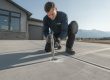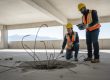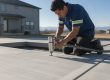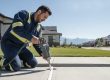


A broken post-tension cable is far more than a minor maintenance flaw; it’s a released energy hazard that can compromise the safety of an entire structure. When a high-strength steel tendon snaps, the immediate force can be violent enough to blow through concrete or injure anyone nearby. Beyond the initial shock, the dangers of broken post tension cables extend into a slow, invisible process of structural decay. It’s natural to feel overwhelmed by the potential for high repair costs or the liability of a sudden failure. You likely recognize that your foundation is the most critical part of your property, and seeing it compromised is a serious concern.
We’ll help you understand the difference between immediate physical hazards and the long-term structural threats posed by compromised systems. This guide explores the latest industry standards, including the ACI-PTI 320-25 code, and identifies why 95% of tendon failures in exterior slabs stem from moisture ingress. You’ll learn how to spot the early signs of failure and the correct path toward professional restoration that ensures your building’s long-term security.
Key Takeaways
- Visualize the physics of post-tensioning as a loaded spring; a single break releases thousands of pounds of stored energy instantly.
- Learn to identify the dangers of broken post tension cables, including the “zipper effect” that causes progressive failure across a concrete slab.
- Spot early warning signs like rust stains and concrete spalling at anchor points to address corrosion before it leads to a hazardous blowout.
- Understand the technical process of tendon splicing and re-tensioning used to restore structural integrity without requiring a full foundation replacement.
- Gain clarity on why specialized, high-precision intervention is the only safe path for repairing compromised structural reinforcement systems.
The Physics of Tension: Why Broken Post-Tension Cables Are a Critical Threat
Post-tensioning represents a sophisticated advancement in structural engineering, utilizing high-strength steel tendons to reinforce concrete slabs from within. While traditional rebar acts as a passive reinforcement, only engaging when the concrete begins to stretch or crack, post-tensioning is an active system. This method involves stretching steel cables to immense levels of force before they are anchored against the slab edges. By compressing the concrete, these tendons significantly increase the load-bearing capacity and flexibility of the structure. However, this same internal pressure creates a unique set of risks when the system is compromised.
The Role of Steel Tendons in Concrete Integrity
The primary function of a post-tension tendon is to keep the concrete in a constant state of compression. Concrete is exceptionally strong when squeezed but lacks inherent tensile strength; it cracks easily when pulled or bent. By applying an internal squeeze, the tendons allow the slab to support heavier loads with less material. Understanding The Physics of Post-Tensioning is essential for property owners because it highlights the difference between bonded and unbonded systems. In bonded systems, the tendons are grouted into place, which helps contain a break. Most residential and commercial slabs in the Denver metro area use unbonded systems, where the cable is encased in a plastic sheath and allowed to move freely. While this allows for efficient installation, it means that if a cable snaps at any point, the entire length of the tendon loses its structural value instantly.
The Mechanical Failure of a High-Tension System
A post-tensioned slab functions much like a loaded spring held under thousands of pounds of pressure. When a cable fails, whether due to corrosion or anchor distress, the result is not a gradual sagging but a sudden and violent release of energy. This rapid discharge is one of the primary dangers of broken post tension cables, as the steel strand can whip through the slab or exit the anchor point with enough force to penetrate walls.
The failure modes of post-tensioned systems differ from traditional rebar in several key ways:
- Energy Release: Rebar fails through gradual yielding; PT cables fail through explosive energy discharge.
- Structural Reach: A rebar break is localized; an unbonded PT cable break affects the entire span of the tendon.
- Visibility: Rebar corrosion often shows surface cracks first; PT failure can remain completely internal until the moment of rupture.
Once a cable is lost, the structural load is immediately redistributed to the remaining, uncompromised tendons. This sudden shift increases the stress on adjacent cables, potentially triggering a progressive failure if those tendons are also weakened by age or moisture. Tendon tension is the internal force keeping the slab from flexing and maintaining the long-term stability of the building’s foundation.
The Immediate Risk: Explosive Cable Blowouts and Physical Hazards
While the long-term structural risks are significant, the most pressing dangers of broken post tension cables involve immediate physical hazards. A post-tension cable is not a static piece of metal; it is a live structural element under immense pressure. When a cable snaps, that stored energy is released instantly. This often results in a “blowout,” where the steel strand recoils with enough force to exit the slab entirely. In many cases, the cable doesn’t just snap internally; it punches through the concrete at the anchor point or bursts through the surface of the floor, creating a lethal projectile.
The damage isn’t limited to the concrete itself. Snapping cables have been known to penetrate interior walls, destroy flooring, and even damage vehicles in parking structures. For occupants and bystanders, the risk of injury is severe. A cable exiting a slab can travel at high velocities, making any area directly behind an anchor point extremely dangerous during a failure event. This risk is particularly high during renovations or plumbing repairs where workers might unknowingly cut into a slab. If a contractor hits a cable with a saw or drill, the result is often an explosive discharge that can lead to catastrophic injury or death.
Understanding the Explosive Force of a Snap
The steel used in these systems is typically 270k grade, meaning it has a tensile strength of 270,000 pounds per square inch. A single half-inch diameter strand is often tensioned to approximately 33,000 pounds of force. When this tension is lost, the recoil is violent. This energy release causes localized concrete spalling, where chunks of the slab are blown outward by the force of the cable’s movement. Documentation in the FHWA Report on Tendon Failures highlights how these sudden releases can compromise even large-scale infrastructure. In residential settings, such as basements or garages, the confined space only increases the danger to anyone nearby.
Safety Protocols Near Compromised Slabs
Safety is the primary priority when dealing with a suspected cable failure. You should never stand directly behind or in line with a post-tension anchor point if you see signs of distress, such as “popped” concrete or exposed strands. Before any concrete drilling, sawing, or coring takes place, the use of Ground Penetrating Radar (GPR) is essential. This non-invasive technology allows technicians to map the exact location of tendons, preventing accidental cuts. If you notice localized concrete damage or suspect a cable issue, consulting a specialist in structural concrete repair is the safest course of action. Immediate steps after a suspected snap should include cordoning off the area and contacting a professional engineer to assess the stability of the remaining system.
Long-Term Structural Decay: The Silent Danger of Tendon Corrosion
While a cable blowout is a sudden and violent event, the most common dangers of broken post tension cables involve a slow chemical degradation that occurs deep within the concrete. Corrosion is the primary driver of tendon failure, typically beginning when the protective plastic sheathing is breached. This allows water and oxygen to reach the high-strength steel strands. Research indicates that 95% of tendon failures in exterior slabs result from moisture entering the system during the structure’s service life. Once oxidation starts, the steel expands and weakens, eventually leading to a total rupture that may stay hidden for years.
For property owners in the Denver metro area, this risk is compounded by Colorado’s expansive soils. Post-tensioned slabs are specifically designed to resist the immense upward and downward pressures of shifting clay. When cables fail due to corrosion, the slab loses its ability to bridge these soil movements. This leads to structural deflection, which manifests as sagging floors, sticking doors, or unlevel surfaces. Unlike standard concrete issues, these problems cannot be permanently resolved with simple surface fixes because the internal reinforcement that provides the slab’s “stiffness” has been compromised.
The Chemistry of Corrosion in Post-Tensioning
Corrosion doesn’t require salt to begin, though chloride ions from de-icing agents certainly accelerate the process. The steel strands rely on a layer of corrosion-inhibiting grease and a sealed plastic sheath for protection. If there are voids in the grease or if the sheath is punctured during construction, moisture can travel along the length of the cable like a wick. Because this happens inside the slab, the steel can lose a significant portion of its strength before any outward signs appear. In structures with a history of improper slab edge patching, it’s not uncommon to find that 50% to 80% of cables in a localized area have already suffered critical damage.
Progressive Collapse and Load Redistribution
A post-tensioned system is a carefully balanced network of internal forces. Each tendon is responsible for a specific “tributary area,” which is the section of concrete it is designed to support. When one cable snaps, its load is immediately transferred to the neighboring tendons. This redistribution can push those adjacent cables beyond their design limits, especially if they are also weakened by age or moisture. This “zipper effect” creates a high risk of progressive structural failure. Understanding how these systems are engineered is vital for proper maintenance; you can learn more about the technical requirements in our guide to Post Tension Installation. Without timely intervention, a single failure often serves as the first sign of a looming chain reaction that threatens the entire foundation.

Identifying the Invisible: Warning Signs of Compromised Post-Tensioning
Detecting the early indicators of failure requires a methodical approach, as many of the primary dangers of broken post tension cables remain hidden within the concrete matrix. While the “gunshot” sound of a snapping tendon is an unmistakable warning, many cables fail silently through gradual corrosion. Property owners should remain vigilant for specific visual and structural shifts that suggest the internal reinforcement is no longer performing its design function. Because these systems are under constant, active tension, any visible change at the slab surface or edge is usually a sign of a much larger internal problem.
One of the most common visual cues is concrete spalling at the slab edge. This occurs when an anchor point loses its grip or a cable snaps, causing chunks of concrete to “pop” out from the force of the recoil. You might also notice rust stains leaching from the concrete or around the anchor heads. These stains indicate that the internal steel strands are oxidizing, a process that eventually leads to a total loss of tension. If you see cracks that follow the straight path of the tendons rather than spreading randomly, it’s a strong indicator that the concrete is no longer being compressed correctly, allowing the slab to flex and fail.
Visual Inspection Checklist for Property Owners
Regular inspections are essential for maintaining structural health, especially in the Denver area where soil movement is frequent. When walking your property, use this checklist to spot potential issues:
- Anchor Points: Inspect the “live end” and “dead end” anchors along the slab edge for signs of movement, displacement, or missing grout pockets.
- Efflorescence: Look for a white, salty powder on the concrete surface. This indicates water intrusion, which is the precursor to 95% of all tendon failures.
- Slab Levelness: Monitor for new sagging or “heaving” in specific sections. In Colorado’s expansive soils, a compromised slab will often begin to tilt or dip as the cables lose their ability to bridge soil gaps.
Professional Diagnostic Tools
If you identify any of the warning signs above, a formal assessment is the only way to confirm the extent of the damage. Modern diagnostic tools allow for a clear view inside the slab without destructive testing. Ground Penetrating Radar (GPR) is the industry standard for mapping existing cable locations and identifying breaks or voids in the protective grease. We also utilize impact echo testing to detect internal delamination that isn’t yet visible on the surface. When these indicators appear, it’s critical to consult a post tension slab repair specialist who can quantify the risks and develop a precise restoration plan. Early detection is the most effective way to avoid the high costs of a full foundation failure. If you suspect your foundation is compromised, contact our structural experts today for a professional evaluation.
Strategic Restoration: Professional Repair and Reinforcement Solutions
Addressing the dangers of broken post tension cables requires a shift from cosmetic maintenance to precise structural restoration. A snapped cable represents a total loss of the compressive force that keeps a concrete slab stable. Filling a blowout hole with standard patch material might hide the visual evidence, but it does nothing to reinstate the internal tension required to support the building’s load. At RiseLock Concrete Lifting, we view these failures as a personal priority, utilizing technical mastery to restore the equilibrium of your foundation. Our process focuses on identifying the root cause of the failure and implementing a permanent mechanical solution.
Effective restoration begins with comprehensive moisture mitigation. Since the majority of failures stem from water reaching the steel strands, we prioritize sealing the system against future oxidation. This involves more than just fixing the broken tendon; it requires an ethical commitment to the long-term health of the entire slab. We lead property owners away from the stress of structural instability toward the security of a professionally reinforced system, ensuring that every intervention meets the highest standards of modern engineering and durability.
Modern Repair Techniques for PT Slabs
Restoring a compromised tendon is a methodical process that involves excavating the failed anchor points to access the steel strand. We install a new, high-strength replacement strand and utilize specialized hydraulic jacks to apply thousands of pounds of force, effectively “re-loading” the system. Once the correct tension is achieved, the strand is anchored and the pocket is sealed with high-performance grout. We often use epoxy injection to treat surrounding cracks, preventing water from reaching adjacent cables. After the structural integrity is restored, we frequently utilize polyurethane concrete lifting to level any sections of the slab that shifted during the period of failure. This combination of mechanical repair and modern material science provides a comprehensive solution that traditional patching cannot match.
Why Professional Intervention is Mandatory
The high-tension environment of a post-tensioned slab makes DIY repairs or unspecialized contracting extremely hazardous. Attempting to drill or cut into a slab without professional mapping can trigger additional cable blowouts, leading to further property damage or physical injury. Our team ensures full compliance with local building codes in the Denver and Colorado Springs metro areas, where soil dynamics demand specific reinforcement protocols. RiseLock Concrete Lifting acts as your professional guide, providing the quiet authority and technical precision needed to stabilize your property. Choosing specialized intervention doesn’t just fix a broken cable; it provides the peace of mind that comes from knowing your foundation is once again a secure, reliable asset.
Restoring Structural Stability and Peace of Mind
A compromised post-tensioned slab isn’t a problem that improves with time. Because these systems rely on active compression, a single failed tendon shifts the burden to its neighbors and invites further corrosion. Understanding the dangers of broken post tension cables is the first step toward protecting your property from explosive blowouts and long-term structural sagging. By identifying warning signs like spalling or rust early, you can intervene before a localized issue becomes a total foundation failure.
Professional restoration requires more than a simple patch; it demands technical mastery and high-precision re-tensioning. As local experts serving Denver, Colorado Springs, and the Front Range, RiseLock Concrete Lifting specializes in these specialized structural reinforcements. We view your building’s integrity as our priority, providing the durable solutions needed for long-term security. Secure your foundation with RiseLock’s expert post-tension repair services today. You don’t have to manage the stress of structural damage alone when a dependable partner is ready to lead you toward a stable, lasting solution.
Frequently Asked Questions
Can a building collapse from just one broken post-tension cable?
A single broken cable typically won’t cause an immediate total collapse, but it does compromise the safety factor of the slab. Post-tensioned systems distribute loads across a network of tendons; when one fails, the surrounding cables must carry the extra weight. This redistribution increases the stress on remaining components. While the building may stay standing, the slab will likely begin to deflect or sag, leading to long-term structural instability if left unaddressed.
What does a post-tension cable blowout sound like?
A post-tension cable blowout usually produces a sudden, violent sound similar to a gunshot or a heavy metallic crack. This noise is the result of thousands of pounds of stored energy being released in a fraction of a second as the steel strand recoils. Residents often report feeling a slight vibration in the floor accompanying the sound. If you hear such a noise in a post-tensioned building, it’s a clear indicator of a mechanical failure.
Is it safe to live in a house with a broken post-tension cable?
Living in a home with a broken cable is generally considered unsafe until a structural engineer has assessed the damage. One of the primary dangers of broken post tension cables is the potential for a “zipper effect,” where the failure of one tendon leads to the rapid degradation of others. While the house may not be in imminent danger of falling, the loss of reinforcement can lead to significant floor heaving and wall cracking.
How do I know if my concrete slab uses post-tensioning?
You can often identify a post-tensioned slab by looking for a “Post-Tension” stamp in the garage floor or on the exterior concrete. Another common indicator is the presence of circular or rectangular grout patches along the edge of the foundation, usually spaced every few feet. These patches cover the anchor points where the cables were originally stressed. If your home was built on expansive clay soils in the Denver metro area after the 1970s, it’s highly likely to use this system.
Can you repair a post-tension cable without replacing the whole slab?
It’s entirely possible to repair individual cables without replacing the entire concrete slab. Specialized technicians can excavate the anchor points, remove the damaged strand, and thread a new cable through the existing plastic sheath. This process, known as tendon splicing, allows the system to be re-tensioned to its original design specifications. This localized approach is significantly more efficient and less invasive than traditional demolition and replacement methods.
What causes post-tension cables to break years after construction?
Most delayed cable failures are caused by moisture entering the system and triggering oxidation. Even a small breach in the protective plastic sheathing can allow water to reach the steel, leading to rust. As the steel corrodes, it expands and loses its tensile strength until it can no longer hold the design load. In the Denver area, freeze-thaw cycles and shifting soils can accelerate this process by creating new pathways for water to penetrate the slab edges.
How much does it cost to repair a broken post-tension cable in Denver?
The cost of repairing a post-tension cable in Denver depends on several factors, including the accessibility of the anchors and the total number of failed tendons. While industry data provides broad ranges for typical repairs, local factors like soil depth and building permits will influence the final investment. Because each structural failure is unique, it’s best to consult with a specialized contractor for a detailed assessment of your specific foundation needs rather than relying on general estimates.
Can I drill into a post-tensioned slab for a remodel?
You should never drill or saw into a post-tensioned slab without professional mapping. Accidental contact with a live tendon is one of the most significant dangers of broken post tension cables, as the drill bit can cause the cable to snap with explosive force. We recommend using Ground Penetrating Radar (GPR) to locate every tendon within the work area. This non-invasive step ensures that plumbing lines or floor anchors can be installed safely without compromising structural integrity.