Opening your mailbox to find a formal notice from your homeowners association can immediately ruin your afternoon. For many residents in Douglas County, receiving an HOA violation for uneven driveway Castle Rock issues is a frustrating rite of passage caused by our region’s notoriously expansive soils. It is a stressful situation, especially when you consider the potential for escalating fines and the liability of a trip hazard on your property.
You might believe that the only way to satisfy the architectural committee is a loud, messy, and expensive concrete replacement that disrupts your life for a week. We understand that concern, but a full tear-out is rarely the most efficient path to compliance. You can restore your curb appeal and safety without the high cost and waste of pouring new concrete. Modern technology allows for a surgical approach to structural restoration that traditional methods simply cannot match.
This guide explains the exact steps to secure a “Notice of Compliance” using modern polyurethane lifting. We will detail how this high-precision technology addresses the root cause of soil settlement to provide a level, permanent restoration. By the end of this article, you will know how to satisfy your HOA and protect your home’s value using a faster, cleaner, and more durable alternative to traditional repair methods.
Key Takeaways
- Understand the “1/4 inch rule” used by local associations to define trip hazards and the specific risks of soil settlement in the Front Range.
- Identify the presence of subsurface voids to determine if your concrete requires stabilization or a more complex structural intervention.
- Resolve an HOA violation for uneven driveway Castle Rock by utilizing precision polyurethane injections that restore a flush surface without the mess of a full replacement.
- Learn why high-density foam lifting provides a more durable, soil-appropriate solution than traditional mudjacking for the expansive clays found in Castle Rock.
- Follow a professional roadmap to document your repairs and secure a formal “Notice of Compliance” from your homeowners association.
Decoding Your Castle Rock HOA Concrete Violation
Receiving a formal notice regarding homeowners association rules and enforcement is rarely a pleasant experience. In Douglas County, these notices aren’t just about neighborhood aesthetics; they’re a matter of structural compliance and safety. An HOA violation for uneven driveway Castle Rock issues typically centers on the “1/4 inch rule.” This industry standard dictates that any vertical offset of a quarter-inch or more between concrete slabs constitutes a significant trip hazard. When your driveway or sidewalk exceeds this threshold, it triggers a compliance requirement to protect the community from liability.
The geological profile of the Front Range makes these violations particularly common. Our local terrain contains high concentrations of expansive clay. These soils swell when moisture levels rise and shrink during dry periods, creating a constant cycle of movement beneath your concrete. This shifting creates subsurface voids, which eventually cause heavy slabs to settle, tilt, or crack. A violation letter is a formal signal that your property no longer meets the safety standards of the community. Ignoring these notices can lead to escalating fines and may even complicate the sale of your home by appearing as a defect during a property inspection.
Common Triggers for a Compliance Letter
Most violation notices stem from three specific types of structural failure. Uneven joints between the garage floor and the driveway slab are a primary concern, as they create a jarring transition for vehicles and pedestrians. Sunken sidewalk sections that run across your property line are also frequently cited because they pose a direct risk to neighbors and visitors. Finally, improper slab pitch that leads to pooling water is a common trigger. Standing water doesn’t just look poor; it accelerates soil erosion beneath the concrete, which leads to further settlement and more severe structural degradation over time.
The Aesthetic Standards of Douglas County HOAs
Neighborhoods like Crystal Valley and Castle Pines maintain strict curb appeal consistency to protect collective property values. Many homeowners attempt “patch and fill” repairs using hardware store mortar, but these solutions often fail architectural reviews. These patches rarely match the existing concrete color and tend to crack or flake away within a single season. High-density polyurethane lifting offers a superior alternative by providing a clean, non-invasive restoration. This method leaves the original slab intact while restoring the flush, level appearance required by strict HOA guidelines. It ensures your driveway meets technical safety standards without the mismatched look of temporary surface repairs.
Assessing the Damage: Trip Hazards vs. Structural Failure
Determining the root cause of concrete movement is the first step toward a permanent resolution. Before addressing your HOA violation for uneven driveway Castle Rock, it’s essential to understand if you’re dealing with surface aesthetics or a deep-seated structural failure. Surface scaling, or spalling, involves the top layer of concrete flaking away due to freeze-thaw cycles or salt exposure. While this is unsightly, it rarely triggers a safety violation. In contrast, slab settlement occurs when the entire concrete section sinks, creating the hazardous vertical offsets that attract architectural committee attention.
Many driveways in the Castle Rock area utilize post-tension slabs. These systems use high-strength steel cables under extreme tension to provide structural integrity in our shifting environment. If a slab is shattered into small fragments, replacement becomes unavoidable. However, this process is significantly more complex and expensive due to the presence of these cables. In most cases where the slab is still intact but simply tilted or sunken, precision lifting is the preferred professional intervention. It addresses the displacement without the risk of damaging the underlying tension system.
Identifying the “Trip Hazard” Threshold
A trip hazard is formally defined as any vertical change of 1/4 inch or more between adjacent concrete surfaces. Measuring this displacement at the slab joints provides an objective basis for your repair strategy. HOAs prioritize these offsets because they represent a significant legal liability for the community. A single misplaced step can lead to personal injury claims, making the enforcement of level sidewalks and driveways a high priority for local boards. If your driveway has reached this threshold, the association typically requires a “flush” finish to clear the violation.
Signs of Soil Instability Beneath Your Slab
The primary culprit behind sinking concrete in Douglas County is “bentonite” clay. This specific soil type is highly reactive to moisture, expanding when wet and shrinking during our dry winters. You might notice rapid sinking following heavy Colorado spring rains as the soil loses its load-bearing capacity. Another indicator of instability is a hollow sound when walking on or tapping the concrete. This suggests that water runoff or soil shrinkage has created a void beneath the slab. Identifying these voids early allows for specialized concrete leveling before the lack of support leads to major structural cracking. Voids often form when gutters discharge too close to the driveway or when the soil pulls away from the foundation, leaving the heavy concrete suspended without support.
Polyurethane Lifting: The Fastest Way to Clear a Violation
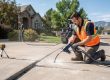
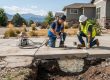
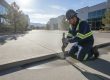
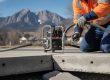
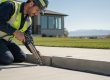
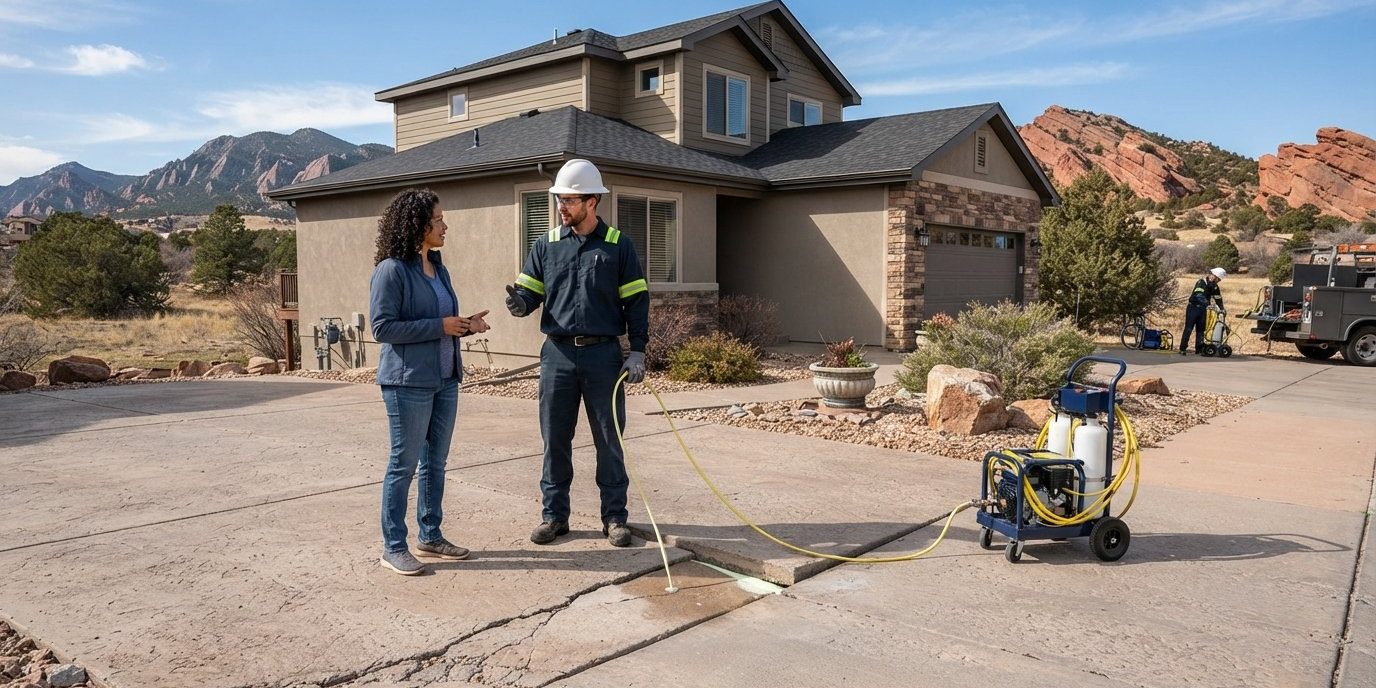
Resolving an HOA violation for uneven driveway Castle Rock requires a solution that is both visually seamless and structurally sound. Polyurethane lifting, often referred to as foam concrete lifting, provides a modern alternative to the disruptive process of tearing out and replacing concrete. This method involves injecting high-density geotechnical foam through penny-sized holes drilled directly into the sunken slab. As the foam expands, it fills subsurface voids and exerts a controlled upward pressure, allowing technicians to level the driveway with surgical precision. It’s a fast process that typically takes only a few hours from start to finish.
The speed of this technology is one of its most significant advantages for homeowners facing strict compliance deadlines. Unlike new concrete, which can take days or even weeks to reach full strength, polyurethane foam reaches 90% of its structural capacity within 15 minutes. You can drive your car back into the garage the same afternoon the work is completed. This efficiency eliminates the logistical headache of parking on the street or coordinating with neighbors while waiting for a new driveway to cure. It’s a clean, non-invasive process that respects your property and your time.
Precision Leveling for HOA Approval
Achieving a flush finish that satisfies an HOA violation for uneven driveway Castle Rock requires a high degree of technical control. Inspectors look for a level transition where the vertical offset between slabs is completely eliminated. Because the expansion of the foam is highly predictable, we can achieve a level of accuracy that traditional methods lack. This ensures the final result satisfies even the most rigorous inspection standards. For homeowners seeking a detailed understanding of the science behind this method, our guide on polyurethane concrete lifting offers deeper technical insights into how we achieve these results. Once the lift is complete, the small injection holes are patched with color-matched concrete, leaving the driveway looking undisturbed.
Long-Term Stability in Expansive Soil
The reactive bentonite clay found throughout Douglas County presents a unique challenge for driveway durability. Traditional mudjacking uses a heavy slurry of sand and cement to lift concrete, but this adds thousands of pounds of weight to already failing soil. This extra weight often causes the soil to compress even further, leading to a recurring cycle of sinking. Polyurethane foam is extremely lightweight, weighing only about 2 to 4 pounds per cubic foot. It doesn’t just lift the slab; it compacts the loose soil underneath and creates a moisture-resistant barrier. This is critical in Colorado, where melting snow and spring rains can wash away the subgrade. By filling hidden voids and stabilizing the soil without adding significant weight, we provide a permanent restoration that stands up to the local climate.

Step-by-Step Guide to Satisfying Your HOA Requirements
Resolving an HOA violation for uneven driveway Castle Rock requires a methodical approach to ensure both technical compliance and administrative approval. The first step involves a thorough review of your violation notice. Pay close attention to the specific deadline and the architectural standards cited. Understanding the exact timeframe prevents the escalation of fines while you coordinate the necessary repairs. A clear understanding of the rules ensures that your chosen solution meets the board’s expectations from the start.
Once you understand the requirements, secure a professional assessment. A detailed, itemized quote from a specialist provides the foundation for your compliance plan. This document should clearly outline the method of repair, ensuring the solution addresses the underlying soil instability rather than just masking the surface. After receiving your quote, submit the Architectural Review Committee (ARC) request form. Most boards require this formal step before any work begins on the property exterior. Executing the repair with a certified contractor who understands these local standards is the most reliable way to guarantee the work passes final inspection.
Navigating the ARC Approval Process
Castle Rock HOAs typically require specific documentation to approve concrete restoration. You should include photos of the current damage, a copy of the contractor’s proposal, and a brief description of the polyurethane injection process. Emphasize the “invisible” nature of high-density foam lifting. Unlike traditional replacement, which involves heavy machinery and debris, foam lifting uses small, patched injection sites that blend naturally with the existing slab. If your association has strict rules about joint sealing or color matching, ensure your contractor includes these finishing touches in the scope of work to meet neighborhood aesthetic standards.
Communicating with Your HOA Board
Open communication can often prevent financial penalties. If your repair schedule extends beyond the initial deadline, request a “stay of fine” from the board. Providing them with technical data on modern concrete leveling methods demonstrates your commitment to a durable, professional-grade solution. This technical context helps the board understand that you are pursuing a permanent restoration rather than a temporary patch. After the work is completed, submit your final invoice and “after” photos to the management company to close the violation. Your goal is to receive a formal “Notice of Compliance” letter, which officially clears your record and protects your property value. To begin the process of clearing your violation, schedule a professional driveway assessment with our technical team today.
Why Castle Rock Homeowners Trust RiseLock for Concrete Restoration
Navigating an HOA violation for uneven driveway Castle Rock issues requires more than just a quick fix; it demands a partner who understands the intersection of structural engineering and community standards. At RiseLock, we approach every restoration with a sense of quiet authority and a commitment to technical precision. We recognize that your home is your most significant investment, and a sunken driveway is a personal priority that requires a surgical, rather than a heavy-handed, response. Our team specializes in the unique soil profiles of the Front Range, where the high concentration of reactive clays makes traditional repair methods largely ineffective.
Our “Precision Guarantee” is built on the foundation of specialized training and advanced geotechnical materials. We focus on achieving the exact “flush” finish required by architectural committees, ensuring your property is restored to its original safety and aesthetic standards. By utilizing high-density foam concrete lifting, we provide a solution that addresses the root cause of settlement without the noise, mess, or long-term disruption associated with heavy machinery or total slab replacement. This methodical approach ensures that your landscaping remains undisturbed while your concrete is stabilized for years to come.
The RiseLock Professional Advantage
We utilize state-of-the-art polyurethane injection technology to provide a stable, moisture-resistant base for your concrete. Our expertise extends beyond simple leveling to include specialized post tension installation, giving us a comprehensive understanding of how your driveway slabs are designed to perform. This customer-focused approach ensures that we don’t just treat the symptom of a sunken slab but prioritize the long-term structural integrity of your home. We view the resolution of your violation as a collaborative effort to maintain the high standards of the Castle Rock community.
Get Started on Your Castle Rock Driveway Repair
Regaining compliance doesn’t have to be a source of stress. The peace of mind that comes from a level, safe, and compliant driveway starts with a clear understanding of your property’s specific needs. We invite you to schedule a no-obligation structural assessment where our technicians will evaluate soil stability and void presence. This thorough evaluation ensures that your restoration plan is grounded in data and technical accuracy. Protect your home’s curb appeal and eliminate the threat of HOA fines with a professional intervention designed for the Colorado climate. Contact RiseLock for a professional quote today to secure your Notice of Compliance and restore the safety of your property.
Secure Your Property’s Value and HOA Standing
Resolving an HOA violation for uneven driveway Castle Rock doesn’t require the stress or expense of a total concrete replacement. By choosing high-density polyurethane lifting, you address the root cause of slab settlement while meeting the strict architectural standards of your neighborhood. This modern approach provides a permanent restoration that stabilizes the reactive soils unique to the Front Range. You can eliminate trip hazards and restore a flush, level surface in a single afternoon.
Our team specializes in polyurethane foam injection and precision leveling for HOA compliance. We understand the technical demands of local soil conditions and the administrative requirements of Douglas County associations. This expertise allows us to provide a surgical solution that protects your landscaping and your daily schedule. It is a reliable way to ensure your property remains safe and your record remains clear.
Take the first step toward clearing your compliance notice and securing your home’s curb appeal. Request a Professional Concrete Lifting Quote for Your Castle Rock Home today. We’re ready to help you navigate the repair process with confidence and technical mastery.
Frequently Asked Questions
How long do I have to fix an HOA driveway violation in Castle Rock?
Most Castle Rock HOAs provide a 30-day window to address an initial compliance notice. However, the specific timeline depends on your association’s bylaws and the severity of the trip hazard. It is essential to review your violation letter immediately to identify the “cure date.” If you need more time due to contractor scheduling, many boards will grant a 15 to 30-day extension if you provide a signed contract for the repair.
Will polyurethane concrete lifting satisfy my HOA board?
Polyurethane concrete lifting is widely accepted by architectural committees because it restores the slab to a “flush” condition without changing the concrete’s color or texture. This method is often preferred over traditional mudjacking because it doesn’t add heavy weight to the soil. To ensure approval, we recommend submitting our technical assessment and a description of the foam injection process with your Architectural Review Committee (ARC) request. This proves you are pursuing a permanent, professional restoration.
How much does it cost to fix an uneven driveway vs. replacing it?
Professional concrete leveling typically costs a fraction of the price of a full tear-out and replacement. When you replace a driveway, you pay for demolition, debris removal, and the high cost of new materials. Leveling preserves your existing slabs and eliminates these expensive labor steps. While we don’t provide fixed pricing without an inspection, homeowners generally find that polyurethane lifting is the most cost-effective way to resolve an HOA violation for uneven driveway Castle Rock.
Can I DIY my driveway leveling to save money on a violation?
DIY leveling is not recommended for resolving formal code or HOA violations. Home-store “patch” kits only mask the surface and don’t address the subsurface voids causing the settlement. These temporary fixes often fail architectural inspections because they look inconsistent and don’t eliminate the structural trip hazard. Professional foam lifting requires specialized high-pressure equipment and geotechnical materials to achieve the precise, level results that satisfy strict community standards and ensure long-term stability.
Why is my driveway sinking specifically in the Castle Rock area?
Driveways in the Castle Rock area sink primarily due to “bentonite” clay. This expansive soil type is highly reactive to moisture changes, swelling during wet spring months and shrinking during dry winters. This constant movement creates empty spaces, or voids, beneath your heavy concrete slabs. Without consistent support from the subgrade, the concrete eventually settles or tilts. This is why many residents in neighborhoods like Crystal Valley face recurring issues with uneven pavement.
Is polyurethane foam safe for the environment and my lawn?
The high-density polyurethane foam we use is environmentally inert and safe for your property. Once the material cures, which happens within minutes, it does not leach chemicals into the surrounding soil or groundwater. It is a stable, non-toxic material that won’t harm your lawn, landscaping, or local wildlife. Because the injection holes are only about the size of a penny, the process is much less invasive to your yard than traditional heavy machinery or mudjacking.
What happens if I ignore an HOA concrete violation letter?
Ignoring an HOA violation for uneven driveway Castle Rock can lead to significant financial and legal consequences. Most associations follow a fine schedule that increases the longer the issue remains unresolved. If fines go unpaid, the HOA may place a lien on your home, which can prevent you from refinancing or selling the property. Additionally, an unaddressed trip hazard creates a major personal liability risk if a neighbor or visitor is injured on your property.
How long does the polyurethane lifting process take to complete?
Most residential driveway leveling projects are completed in just two to four hours. The exact duration depends on the number of slabs that require lifting and the size of the voids beneath them. Because the polyurethane foam cures almost instantly, you can walk on the surface immediately and drive your vehicles back onto the concrete within 15 to 30 minutes of completion. This is significantly faster than the week-long wait required for new concrete to reach full strength.