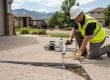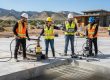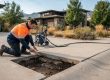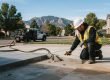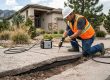

A reliable patio repair estimate starts with the cause of the movement, not a generic price. If you’re researching the “cost to fix uneven patio Denver” homeowners may face, the answer depends on what’s happening beneath the slab and whether the concrete is still suitable for repair.
It’s reasonable to want a clear number before choosing a repair. But an estimate made without assessing the patio’s condition, size, access, and likely cause of settlement may not reflect the work needed. Poor drainage or soil movement can also contribute to recurring problems, so leveling the surface may not address every concern.
This guide explains the site-specific factors that shape a quote and how to compare lifting with replacement based on the patio’s condition. You’ll also learn what to document and what to ask a Denver-area contractor before approving work. Polyurethane concrete lifting may be an option for eligible slabs, while severely damaged concrete may need a different approach. A careful assessment helps clarify which option fits your patio.
Key Takeaways
- Searches for “cost to fix uneven patio Denver” are best answered with a site-specific assessment, not a one-size-fits-all rate.
- Document where the patio has settled and note visible cracks or other changes before requesting an estimate.
- Compare lifting and replacement based on the slab’s condition, the repair scope, and the work each option includes.
- Ask contractors to put the suspected cause, recommended method, included work, and exclusions in writing.
- Polyurethane lifting may suit eligible sunken slabs, but the recommended approach should match the conditions at your property.
What Determines the Cost to Fix an Uneven Patio in Denver?
The cost to fix uneven patio Denver homeowners may face depends on the patio’s condition and the work required, not a universal rate. An estimate can change with the size of the affected area, how far sections have settled, access to the work zone, the condition of the concrete, and any preparation needed before repair.
A site-specific patio repair estimate is a written assessment of the slab conditions, likely cause, recommended repair method, and work required at that property. An on-site inspection helps determine whether lifting is suitable, whether other concrete repairs should be considered, or whether the slab’s condition points toward replacement. Without that assessment, a quote may leave important parts of the scope unclear.
Which patio conditions can change the repair scope?
Consider both the size and location of the uneven areas. One settled section may call for a different scope than several separated slabs with changes in elevation. The contractor should also distinguish an intact slab that has moved from concrete with substantial cracking, crumbling, or other deterioration. Lifting may address eligible settlement, but it does not restore concrete that has deteriorated beyond what the method can reasonably address.
Ask how the contractor assessed drainage and other possible contributors before recommending work. Water collecting near the patio is useful information to share, but it doesn’t establish the cause on its own. Understanding the movement, sometimes described as structural settlement, helps connect the visible unevenness to the repair scope rather than treating only the surface.
Why Denver-area site conditions need an on-site assessment
Soil, drainage, exposure, and seasonal conditions can differ from one property to another, even within the Denver area. Don’t assume one local soil explanation accounts for every patio’s settlement. Ask the contractor to describe what they observed at your site, what they believe is contributing to the movement, and what remains uncertain.
Before approving a proposal, ask whether it addresses the apparent cause as well as the uneven surface. Note when and where water collects, photograph changes or cracking, and share any history you know about prior repairs. A concrete repair guide can help explain considerations beyond leveling. These details make it easier to compare recommendations and decide whether lifting, additional repair, or replacement fits your patio’s condition.
How Patio Size, Access, and Settlement Shape a Denver Repair Estimate
Two patios with similar dimensions can require different work. The cost to fix uneven patio Denver homeowners are quoted depends on the area needing attention, how many sections have moved, the slab’s condition, and access for the crew. The amount and pattern of settlement matter too. A small height change across several separate sections may call for a different plan than one clearly defined sunken area.
A useful estimate reflects the measured repair area, observed slab condition, degree of settlement, and access and preparation the work requires. These factors need to be considered together. Measurements alone can’t show whether the concrete is intact or how the slab’s position relates to adjoining steps, walkways, or structures.
How should a homeowner document patio size and uneven areas?
Before requesting an assessment, note the patio’s approximate length and width, then identify each section that appears uneven. Take clear photos from several angles, including cracks, edges, and adjoining steps or walkways. This information helps explain what you’re seeing and prepare for a site visit, but it isn’t a substitute for the contractor’s measurements and assessment.
How can access and surrounding features affect the work?
Make a note of gates, narrow side yards, landscaping, and structures near the patio. These conditions may affect how a contractor plans the work or protects the surrounding area, but they don’t automatically mean an extra charge. Ask the contractor to confirm access and any protection or preparation needs during the site visit, then list those items clearly in the written proposal.
The contractor should inspect the slab rather than estimate the amount of movement from photographs alone. A patio with modest settlement and sound concrete may be a candidate for lifting, while extensive damage may call for another approach. When comparing proposals, check that each describes the same repair area and explains what’s included. The Federal Trade Commission’s advice on Hiring a trustworthy contractor offers additional guidance for reviewing estimates and choosing a professional.
For broader context, learn how concrete leveling works and what the method may address. If polyurethane lifting may suit your patio, you can learn about RiseLock’s concrete leveling and discuss whether it fits the conditions observed at your property.
Is Lifting or Replacing an Uneven Denver Patio the Better Value?
The better option depends on what an inspection reveals, not simply on which approach sounds less involved. When comparing the cost to fix uneven patio Denver homeowners are quoted, value means matching the repair to the slab’s condition and the cause of movement. Lifting may suit concrete that has settled but remains suitable for the method. Replacement may be worth discussing when deterioration is extensive or lifting won’t address the defects.
Polyurethane concrete lifting can raise and stabilize eligible sunken slabs while retaining the existing concrete. Replacement involves removing and rebuilding the affected patio area, so the scope and disruption can differ. Neither option is right for every patio. An assessment should consider visible damage, slab condition, the pattern of settlement, and whether contributing concerns such as drainage need further attention.
| Option | May be suitable when | Disruption and scope to compare | Conditions requiring professional assessment |
|---|---|---|---|
| Polyurethane lifting | The slab has settled but appears suitable to lift and stabilize. | Can preserve eligible existing concrete. Confirm the areas included and what the method will address. | Cracking, deterioration, uncertain slab condition, or signs that movement may be ongoing. |
| Replacement | The concrete’s condition may not support lifting or the damage calls for a broader repair. | Typically involves removing and rebuilding concrete, so ask what area and preparation the proposal covers. | Extent of damage, boundaries of the replacement area, and any unresolved cause of settlement. |
When might polyurethane concrete lifting suit a patio?
It may be an option when a patio section has settled and the concrete remains suitable for lifting and stabilization. An assessment should confirm the slab’s condition and consider the likely cause before a contractor recommends this approach. A polyurethane concrete lifting guide can offer more detail on how the method works and what to discuss during an assessment.
When should replacement or further investigation be considered?
Extensive cracking or deterioration is a reason to ask whether lifting can address the patio’s condition or whether replacement or additional investigation is more appropriate. These signs aren’t automatic diagnoses. If movement appears to be continuing or drainage concerns remain unresolved, ask what the contractor observed and how that affects the recommendation.
Compare proposals by scope, not just by the method’s name. Ask each contractor which sections they recommend repairing, what makes the slab suitable for lifting or replacement, and what falls outside the proposed work. A clear rationale helps you judge whether the recommendation fits the patio. Don’t assume one approach will prevent future movement or repair every defect.

How to Get and Compare Uneven Patio Repair Quotes in Denver
A useful proposal should explain what the repair will do and why that scope fits the patio. To compare quotes for the cost to fix uneven patio Denver homeowners may encounter, give each contractor consistent information and review the recommended work in writing. A lower figure isn’t a fair comparison if it covers a smaller area or leaves out necessary preparation.
What information should you share before an assessment?
Prepare a brief record of what you’ve observed. Note when the unevenness appeared and whether it seems to have changed. Include approximate patio dimensions, photos of affected areas from different angles, and observations about water collecting nearby. Share the property location so the contractor can confirm whether it falls within their service area.
What should an itemized patio repair proposal explain?
Ask for the contractor’s assessment of the cause, recommended method, included work, and exclusions in writing. A clear proposal should identify the repair area, describe any preparation, and explain how the slab’s condition and settlement informed the recommendation. Confirm access requirements, assumptions, and how the completed work will be reviewed. Ask for clarification before approving the scope if any detail is unclear.
Use this process to gather and compare proposals:
- 1. Document symptoms. Collect photos, approximate measurements, and notes about when the problem appeared and any drainage concerns.
- 2. Request an assessment. Ask the contractor to inspect the patio and explain the observed condition and likely cause, rather than relying on photos alone.
- 3. Review the scope. Check which sections are included, what method is proposed, what preparation is planned, and what work is excluded.
- 4. Compare equivalent proposals. Make sure quotes address the same areas and describe comparable work. Consider the reasoning and completeness of the scope, not only the quoted figure.
Before choosing, check whether each proposal explains what happens if the contractor finds a different slab condition than expected and whether any work falls outside the quoted scope. The Federal Trade Commission’s home improvement contractor guidance can help you assess estimates and make an informed hiring decision.
If you’re considering polyurethane concrete lifting, ask RiseLock about an uneven patio assessment and whether the approach may fit your site conditions.
Choose a Denver Patio Repair Approach That Addresses the Cause
A sound repair decision connects the contractor’s recommendation to what they actually observed: which slabs are affected, their condition, access to the work area, and what may be contributing to movement. This gives you a basis for weighing the options instead of choosing a method by name alone. It also helps explain why the cost to fix uneven patio Denver homeowners receive in a quote depends on the scope recommended for their patio.
RiseLock provides polyurethane concrete lifting and leveling for suitable sunken or uneven concrete. Its high-density foam method is used to lift and stabilize eligible slabs. An assessment should determine whether your patio is a candidate. Lifting isn’t appropriate for every slab or defect, and no method can promise a universal outcome. RiseLock does not provide traditional mudjacking.
What to expect from a polyurethane lifting assessment
An assessment should identify the affected sections and consider the slab’s condition, work-area access, and possible causes of settlement. The contractor can then explain whether polyurethane lifting fits the observed conditions and what the proposed work would address. In broad terms, high-density foam is introduced beneath eligible concrete to lift and stabilize the slab. Ask the contractor to describe the method and its limits for your patio.
How to take the next step with RiseLock
Share the patio’s location, photos of the uneven areas, and a brief description of what you’ve noticed. RiseLock serves Denver and nearby Colorado communities, but confirm service availability for your specific location. The appropriate method depends on an assessment of the slab, so use that conversation to clarify what’s observed and which options fit.
Contact RiseLock about patio concrete lifting.
Choose Your Next Patio Repair Step With Confidence
The cost to fix uneven patio Denver homeowners are quoted depends on the conditions at the property, including the affected area, slab condition, access, and likely cause of settlement. A reliable assessment helps determine whether lifting is suitable or whether the concrete needs a different repair approach. When comparing proposals, check that each explains the recommended method, included work, and exclusions so you can evaluate the scope, not just the quoted amount.
For eligible sunken slabs, RiseLock specializes in polyurethane concrete lifting and leveling. This method can be a modern alternative to traditional mudjacking, but it isn’t right for every patio and doesn’t guarantee a universal result. The recommendation should fit the slab’s observed condition.
If you’re ready to discuss your patio, share its location and what you’ve noticed so RiseLock can confirm service availability for your area and determine whether an assessment is appropriate. Contact RiseLock about patio concrete lifting. Understanding the site conditions is a practical first step toward choosing a repair with confidence.
Frequently Asked Questions
How much does it cost to fix an uneven patio in Denver?
There isn’t a single dependable price for every patio. The cost to fix uneven patio Denver homeowners are quoted depends on the measured repair area, how far slabs have settled, concrete condition, access, and any preparation or additional repair work. An on-site assessment helps determine whether lifting, further concrete repair, or replacement is being proposed. Ask for the scope and exclusions in writing, then compare proposals that cover the same work.
What affects the cost to level a concrete patio?
The estimate can vary with the size and number of affected sections, the extent of settlement, and whether the slab is suitable for lifting. Access matters too. A narrow gate, nearby structures, or landscaping may affect work planning and protection needs. Preparation or repairs beyond leveling can also change the scope. Ask the contractor to explain how these site conditions influenced the recommendation rather than relying on a general rate.
Can an uneven patio be lifted instead of replaced?
Yes, lifting may be an option if the patio has settled and its concrete remains suitable for the method. RiseLock provides polyurethane concrete lifting and leveling, using high-density foam to lift and stabilize eligible slabs. The approach is a modern alternative to traditional mudjacking and may help avoid replacing suitable concrete. An assessment must confirm whether the slab’s condition and likely cause make lifting appropriate. It isn’t right for every patio or defect.
How do I know if my patio needs leveling or replacement?
An inspection is the best way to distinguish a settled, intact slab from concrete with damage that may need a different repair. A contractor should examine the affected sections, visible cracks or deterioration, and signs of movement, then explain how those findings shape the recommendation. Ask why lifting is suitable or why replacement merits consideration. Don’t assume unevenness alone means the entire patio needs replacement.
Does Denver weather or soil affect patio settlement?
Soil moisture and seasonal temperature changes can contribute to ground movement or concrete deterioration, but they don’t explain every uneven patio. Conditions vary by property, so a contractor should assess the slab and site instead of assuming one cause. Share when the unevenness appeared, whether it has changed, and where water collects. This helps guide a site-specific discussion of possible causes and appropriate repairs.
What should I ask a contractor before approving an uneven patio repair?
Ask what cause the contractor observed, which patio sections are included, and why the proposed method fits the slab’s condition. Request the recommended work, preparation, exclusions, access needs, and completion review in writing. Clarify the proposal’s assumptions and what could change the scope. Compare quotes for equivalent work, not just the bottom-line figure, so you understand what each contractor is proposing.
How long does polyurethane patio lifting take?
The time required depends on the patio, its condition, access, and the work included. RiseLock can assess whether polyurethane concrete lifting is suitable, but the contractor should provide a timeline after reviewing the specific site and scope. Ask what the expected work schedule includes and whether preparation or other repairs affect it. RiseLock serves Denver, Aurora, Centennial, Parker, Colorado Springs, Englewood, Littleton, Lakewood, Arvada, Thornton, Wheatridge, Castle Rock, Castle Pines, and Boulder. Confirm availability for your location.