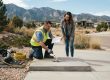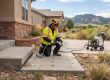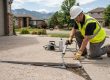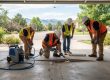

What if a crack in your slab points to a problem, but not necessarily a damaged cable? In Parker, visible changes can raise understandable concerns, but they don’t confirm that a post-tension tendon has failed or that repair is needed. Before considering post tension slab repair Parker, it helps to understand what an assessment can and can’t establish.
It’s reasonable to want clear answers before agreeing to invasive work or a repair based on appearances alone. A focused assessment should start with a specific structural question, explain the methods being considered, and distinguish observed evidence from conclusions that require further evaluation.
This article explains what an assessment may involve, what its findings can establish, and what to ask about a provider’s post-tension experience, qualifications, and proposed next steps. You’ll also learn how to respond if a slab shows signs of concern without assuming a cable needs repair. RiseLock provides post-tension installation and concrete lifting services in Parker. Contact the company to confirm whether it can assess a specific cable concern or direct you to an appropriate provider.
Key Takeaways
- A visible crack alone doesn’t establish tendon damage. First define the specific concern an assessment should address.
- Ask how the proposed evaluation will be selected, what its findings can establish, and whether methods such as GPR are appropriate for the site.
- Compare providers by their post-tension experience, assessment scope, documentation, and explanation of limitations and follow-up options.
- Before an evaluation, record changes and gather available slab documents. Don’t drill, cut, or disturb a suspected tendon or anchor area without qualified guidance.
- Use documented findings to decide whether post tension slab repair Parker is appropriate. Don’t assume every crack requires testing or repair.
Post-Tension Cable Testing in Parker: When Is an Assessment Worthwhile?
A post-tension cable assessment is a targeted evaluation, not a verdict based on one visible symptom. Its scope should match the structural question and site conditions. A professional may need to establish where a change appeared, whether it is progressing, and what information is available about the slab. Cracks can have several possible causes, so appearance alone can’t confirm that a tendon has failed or shifted.
Post-tensioned slabs contain tendons tensioned within the concrete to help the slab resist structural forces. A plain-language overview of post-tensioned concrete can explain the basic system, but evaluating a specific slab also requires consideration of its design and observed conditions.
What can lead a Parker property owner to request post-tension cable testing?
Consider asking an appropriately qualified specialist whether an assessment is warranted if you notice new or changing cracks, unusual movement, or an exposed or visibly altered component near the slab edge. These observations are reasons to gather information, not proof of cable damage. Avoid diagnosing the cause from appearance alone.
Context can help a provider understand the concern. If available, note the structure’s age, locate original drawings or construction records, and describe alterations or changes in how the space is used. Record where each symptom appears, when you first noticed it, and whether it has changed. Photos taken from consistent positions can help document visible changes over time.
Sudden or substantial movement, rapidly changing conditions, or another immediate structural concern calls for prompt evaluation by an appropriately qualified professional. Don’t wait for routine monitoring if you believe people or property may be at risk.
What cable testing can, and cannot, tell you
A post-tension tendon assessment investigates a defined concern about the tendon system and helps inform appropriate next steps. The exact scope depends on the question and the conditions at the property. An initial visual review may identify areas needing closer attention, but it isn’t necessarily a technical conclusion about a tendon’s condition.
Interpret findings in context, including available records and the limits of the evaluation. A focused assessment may address a particular location or concern without establishing the condition of every tendon or the entire structure. Ask the provider to explain what was examined, what the findings support, and what remains uncertain. Testing isn’t automatically required for every crack, and a finding doesn’t automatically mean repair is needed. For owners researching post tension slab repair Parker, a clear, evidence-based assessment can help distinguish a concern that warrants follow-up from one that calls for a different response.
How Post-Tension Cable Testing Works: Methods, Access, and Findings
A useful evaluation follows a sequence rather than starting with a tool. The provider first clarifies the concern and where it appears, then reviews available construction or repair records. With that context, they can explain what the evaluation may address, what access it requires, and how results will be interpreted. The process should fit the property, not rely on a standard scan presented as a complete answer.
The right testing method depends on the structural question, site access, and available records. Before work begins, the provider should explain why a proposed method fits the concern and what it cannot establish.
Which records and site details help an assessment?
Gather any structural drawings, prior repair records, details of renovations or other alterations, and dated photographs showing how the condition has changed. Drawings may help clarify tendon layout or slab construction, while repair documents can provide context about earlier work. Records may be missing, incomplete, or no longer reflect later alterations, so they should inform an evaluation rather than replace it.
Before scheduling a visit, ask what information the provider needs and whether the area should be cleared for access. Point out visible changes and share when they began. This context can help the provider define the assessment, but it doesn’t determine what the findings will show.
What might GPR scanning and other evaluations establish?
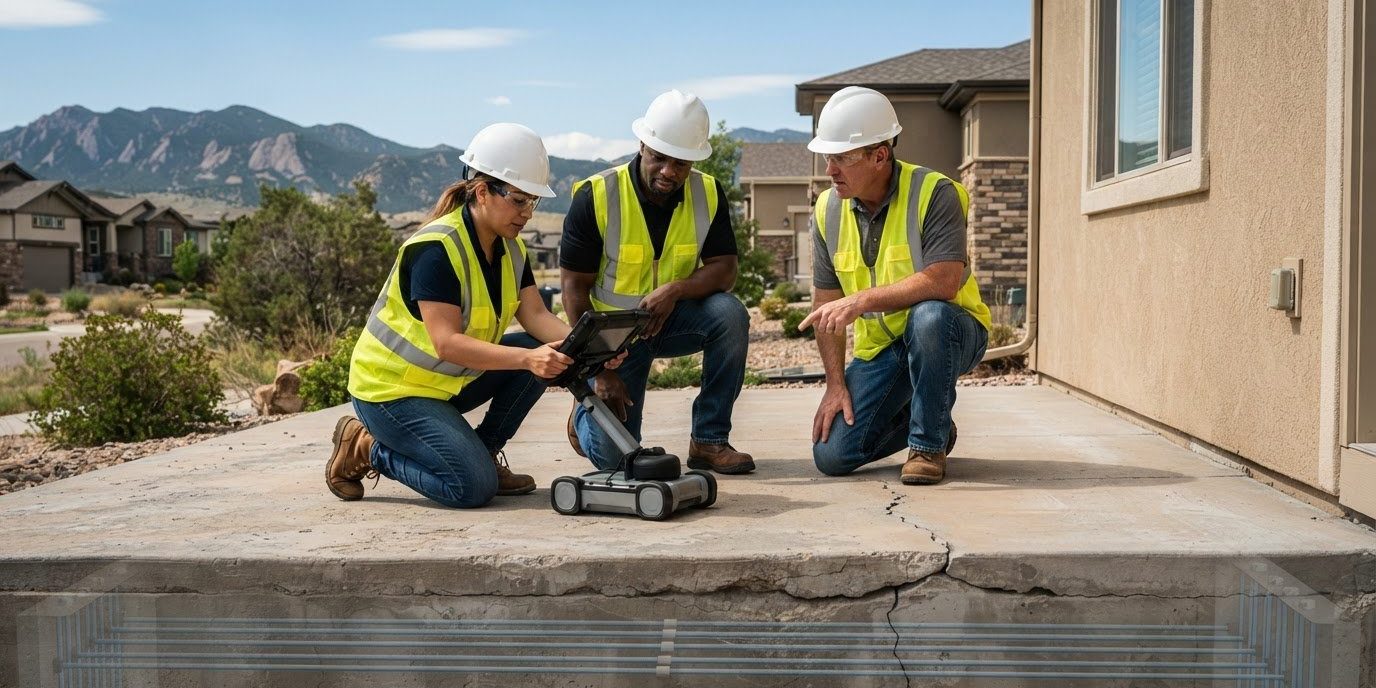
Ground-penetrating radar (GPR) may help locate embedded elements in concrete and inform decisions about where to investigate. It is a locating aid, not a stand-alone guarantee of tendon condition. A scan or visual review shouldn’t be presented as confirmation of the condition of every cable. Interpretation depends on the question, site conditions, and the person evaluating the results.
Ask the provider to identify the proposed method, its limitations, and how findings will be documented. The Post-Tensioning Institute (PTI) is a useful source for general post-tensioning information, but it doesn’t replace an evaluation of a specific slab. Request a clear explanation of what was observed, what conclusions are supported, and whether further qualified review is warranted.
RiseLock provides post-tension installation and polyurethane concrete lifting, but whether it offers cable testing or structural assessment should be confirmed directly. Parker property owners can describe a slab concern to RiseLock and ask whether the company can assess it or recommend an appropriate provider. If a slab is sunken or uneven, ask whether concrete lifting may be relevant; that service is different from evaluating a tendon concern and shouldn’t be treated as a substitute for it.
How to Compare Post-Tension Cable Testing Providers Serving Parker
A provider’s proposed tool is only one part of the decision. Compare how they define the assessment, interpret uncertainty, and communicate findings. Before you schedule work, a responsible provider should be able to explain what the evaluation includes, what it excludes, and which questions it is designed to answer.
Questions to ask before scheduling a Parker assessment
Use an initial conversation to clarify who will perform the work and how conclusions will be reached. Ask:
- What specific structural question is the proposed assessment intended to answer?
- Who will interpret the findings, and what written documentation will I receive?
- Will your team perform the evaluation directly, or coordinate with another specialist?
- What relevant post-tension experience, qualifications, and insurance can you verify?
Look for direct answers rather than relying on broad claims of concrete or foundation experience. Post-tension experience is relevant, but it doesn’t by itself establish what a particular evaluation can determine. Verify credentials and insurance with the provider, and ask who is responsible for each part of the assessment.
How to compare scope and reporting, not just the proposed method
Compare the proposed work point by point. This table can help you identify gaps before agreeing to an assessment:
| What to compare | What to clarify |
|---|---|
| Post-tension experience | What relevant work has the provider performed, and who will handle the evaluation? |
| Scope | Are a site review and records review included? Which locations or concerns will be assessed? |
| Methods | What method is proposed, why does it fit the question, and what are its limitations? |
| Documentation | Will the report describe observations, interpretation, areas not accessed, and inconclusive results? |
| Follow-up | What next steps might be recommended, and what falls outside this assessment? |
Ask the provider to separate observed information from technical interpretation and recommendations. If a scan is presented as a complete diagnosis, ask what supports that conclusion and what uncertainty remains. A clear explanation of limitations is a sign of careful communication, not a reason to dismiss the evaluation.
For background on the system itself, read RiseLock’s post-tension installation guide. For broader concrete standards and technical resources, consult the American Concrete Institute (ACI). Neither replaces a provider’s explanation of the proposed scope. This comparison can help property owners considering post tension slab repair Parker choose an assessment based on clear responsibilities and documented findings, not the name of a tool alone.
What Parker Property Owners Should Do Before and After Cable Testing
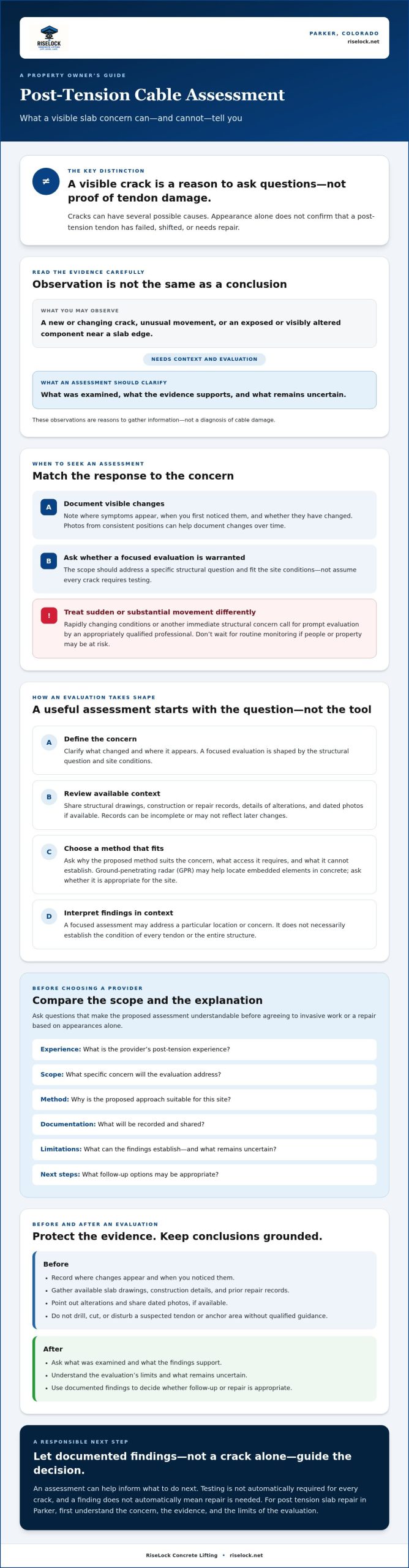
Preparation can make an assessment more focused and its findings easier to understand. Your role is to document what you’ve observed, share relevant property information, and clarify what the evaluation will cover. You don’t need to determine the cause yourself.
A simple pre-assessment checklist for Parker properties
- Document visible changes. Photograph cracks or other changes from consistent angles. Note where they appear, when you first noticed them, and whether they’ve worsened.
- Gather available records. Collect structural drawings, prior repair records, and details of renovations or other alterations. Note any access details that may help the provider reach the area of concern.
- Prepare questions. Ask what the assessment will cover, which method is proposed and why, what safety precautions apply, and what written findings you’ll receive.
- Leave suspected tendon areas undisturbed. Don’t drill, cut, core, or otherwise disturb a suspected tendon or anchor area without qualified guidance. If you’re unsure where cables may be located, ask before any work that penetrates the slab.
Share records and observations with the provider before or during the site visit. If the property has experienced sudden or substantial movement, communicate that promptly and seek evaluation by an appropriately qualified professional.
How to respond when results are clear, limited, or inconclusive
Ask the provider to explain the findings in plain language. Which observations support the conclusion? What areas were accessed, and what remains uncertain? A limited or inconclusive result doesn’t automatically mean a tendon has failed, nor does it rule out the need for additional evaluation. The key is to understand the limits of the assessment and the reason for any recommended next step.
Depending on the findings, follow-up could involve monitoring a documented condition, seeking further technical evaluation, or considering repair. Ask what supports the recommendation and who should handle the next stage. Don’t treat testing as an automatic route to repair. For more context on evaluating possible repair needs, see RiseLock’s post-tension slab repair considerations.
RiseLock provides post-tension installation and concrete repair in Parker, but whether it offers cable testing or structural assessments should be confirmed directly. Discuss your Parker slab concern with RiseLock and ask whether the company can assess the issue or refer you to an appropriate provider. Clear findings can help you decide whether post tension slab repair Parker is relevant or whether another next step makes more sense.
Post-Tension Cable Testing in Parker: Choosing a Responsible Next Step
A sound next step begins with the concern, not an assumed repair. Define what has changed, ask whether a focused assessment is appropriate, and review its documented findings before deciding what to do. A visible crack doesn’t automatically mean a tendon needs testing or repair, and an assessment shouldn’t be treated as a guaranteed route to a repair recommendation.
Depending on the evidence and the limits of the work performed, findings may support monitoring, further evaluation, or consideration of repair. Ask the provider to explain why a particular next step follows from the results. If the report leaves key questions unanswered, clarify who can address them before authorizing additional work.
When post-tension expertise matters to the next decision
Tendons and anchors are part of a specific structural system, so interpreting a concern involving them calls for relevant post-tension knowledge. General concrete repair experience can be useful, but it isn’t the same as confirmed cable-testing qualifications. Ask who evaluates the structure, who interprets any testing, and who is responsible for recommendations. Verify relevant qualifications directly rather than assuming them from a company’s broader service list.
RiseLock provides post-tension installation and concrete repair in Parker. That background may be a useful starting point for a conversation, but whether the company performs cable testing or structural assessments should be confirmed directly. Clarify its role before treating it as the testing provider.
How to contact RiseLock about a Parker slab concern
To make an initial inquiry more useful, share the property’s location, what you’ve observed, where it appears, and when the condition began or changed. Mention relevant alterations and provide any available drawings, repair records, or dated photographs. This context helps clarify the concern without presuming its cause.
Ask directly whether RiseLock can assess the issue, what services it can provide, or whether it can coordinate or recommend an appropriate assessment. Confirm testing availability, methods, and assessment scope with the company. If the concern involves a potential structural hazard, seek prompt evaluation from an appropriately qualified professional.
A measured approach can help you consider post tension slab repair Parker based on documented findings rather than appearance alone. Contact RiseLock to discuss your post-tension slab concern and confirm whether the company can help or direct you to an appropriate assessment provider.
Take the Next Step With Clear Information
A crack or visible change can raise questions, but it doesn’t confirm a post-tension cable problem or mean repair is necessary. A responsible path is to define the concern, select an assessment suited to the question, and review documented findings, including their limitations, before deciding on follow-up.
That measured approach helps Parker property owners consider post tension slab repair Parker based on evidence rather than assumption. RiseLock provides concrete repair and polyurethane concrete lifting, and it offers post-tension installation. Whether it provides cable testing or structural assessment should be confirmed directly. Ask whether its installation experience is relevant to your concern and whether it can assess the issue or coordinate an appropriate referral.
Share the visible symptoms, when they began, and any records you have. Contact RiseLock to discuss your post-tension slab concern and confirm what support may be appropriate. A clear conversation can help you move forward thoughtfully without assuming repair is required.
Frequently Asked Questions
What is post-tension cable testing?
Post-tension cable testing is a targeted assessment of a tendon system, undertaken to investigate a specific structural concern. Its scope depends on the question, site conditions, and available records. A provider may review the slab and relevant drawings or use a locating method, then explain what the findings support and what remains uncertain. It isn’t automatically a complete evaluation of every tendon or the overall condition of the structure.
When should a Parker property owner have post-tension cables assessed?
Consider asking an appropriately qualified professional about an assessment if you observe new or changing cracks, unusual slab movement, or exposed or altered components. These signs don’t prove a cable is damaged, but documenting their location, timing, and progression can help clarify the concern. If you’re considering post tension slab repair Parker, the assessment should address a defined structural question rather than assume repair is required based on appearance alone.
Can GPR scanning detect a broken post-tension cable?
Ground-penetrating radar (GPR) may help locate embedded elements, but a scan alone shouldn’t be treated as confirmation that a post-tension cable is broken or intact. What the method can establish depends on site conditions, the specific question, and qualified interpretation. Ask the provider what the scan can show, what it cannot establish, and whether additional evaluation is appropriate before drawing conclusions about tendon condition.
Is post-tension cable testing destructive?
Not every initial assessment requires disturbing the slab. A provider may begin with a records review or non-invasive observations, but the appropriate scope depends on the concern and site conditions. Some questions may require additional access or evaluation, so ask beforehand what work is proposed and whether it involves opening or altering concrete. Don’t drill, cut, or disturb a suspected tendon or anchor area without qualified guidance.
What should I ask a post-tension testing provider in Parker?
Ask what structural question the assessment is meant to answer, which methods are proposed, and why they suit the site. Clarify who performs and interprets the evaluation, what written documentation you’ll receive, and how limitations or inconclusive findings will be explained. Verify relevant experience, qualifications, and insurance directly. Request a clear description of what’s included, what falls outside the scope, and who is responsible for recommendations.
Does RiseLock provide post-tension cable testing in Parker?
RiseLock’s services include post-tension installation and concrete repair, but whether it provides post-tension cable testing or structural assessments should be confirmed directly. The company serves Parker, but its installation and repair services don’t establish that it performs cable testing. Ask whether it can assess your specific concern or refer you to an appropriate provider. Its service area also includes Denver, Aurora, Centennial, Colorado Springs, Englewood, Littleton, Lakewood, Arvada, Thornton, Wheatridge, Castle Rock, Castle Pines, and Boulder.
What happens after post-tension cable testing finds a concern?
Ask the provider to explain the documented findings, their limitations, and the reason for any recommended next step. Depending on the evidence, that step may involve monitoring, further qualified evaluation, or considering repair. A finding doesn’t automatically mean repair is necessary, and an inconclusive result may leave questions to resolve. Keep the report and related records so future professionals can understand what was assessed and why follow-up was suggested.