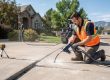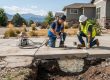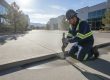

A post-tensioned foundation isn’t just a static block of concrete; it’s a high-energy structural system held together by thousands of pounds of active force. While this design offers superior load-bearing capacity, it also means that a single compromised tendon can lead to sudden, hazardous consequences. Most property owners feel a legitimate sense of anxiety when they notice a new crack or an exposed anchor, wondering if it’s a standard settling issue or a precursor to a cable blowout. It’s a valid concern because the shortcuts taken during the initial tensioning phase often don’t reveal themselves until the structural integrity is already at risk.
This guide to post tension slab inspection provides the technical clarity you need to assess your structure with professional confidence. You’ll learn how to identify hidden defects, recognize the specific warning signs of cable failure, and ensure your foundation remains stable for decades. We’ve structured this audit to align with the 2024 International Residential Code requirements, offering a clear checklist of what to look for and helping you determine exactly when a specialized intervention is necessary to maintain safety and long-term security.
Key Takeaways
- Master the three critical phases of a post tension slab inspection to ensure structural integrity from the initial skeleton setup through the final tensioning process.
- Learn to distinguish between harmless hairline shrinkage cracks and high-risk structural failures that indicate compromised steel tendons.
- Discover how non-destructive technologies like Ground Penetrating Radar map hidden voids and cable paths without damaging the concrete surface.
- Identify the “blowout” indicator and other visual red flags that signal immediate danger to the slab’s load-bearing capacity.
- Understand how technical precision during the oversight phase prevents the long-term need for complex stabilization or polyurethane lifting.
Understanding Post Tension Slab Inspection: Why It Matters
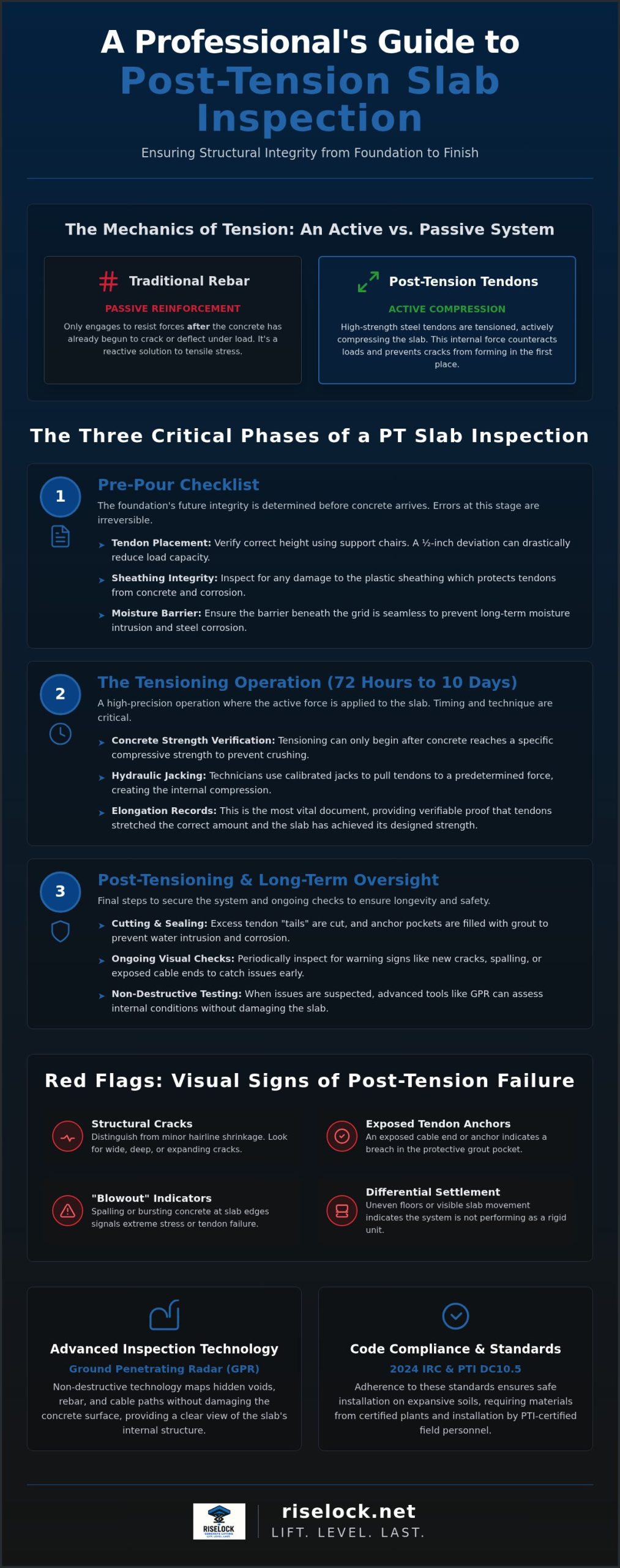
A post-tension (PT) slab is a sophisticated form of prestressed concrete that uses high-strength steel tendons to compress the slab from within. Unlike traditional concrete, which relies on its own weight and passive steel for strength, a PT system is engineered to resist tension forces actively. In the Denver Metro and Colorado Springs regions, this technology is essential for managing expansive bentonite soils. These soils shift significantly with moisture changes, putting immense pressure on foundations. A properly installed PT system allows the foundation to move as a single, rigid unit, preventing the differential settlement that often ruins standard concrete slabs.
Standard home inspections frequently overlook PT-specific defects because they focus on surface-level aesthetics rather than structural mechanics. A true post tension slab inspection requires an understanding of the internal forces at play. Neglecting these systems can lead to tendon corrosion or catastrophic cable blowouts. When a cable fails, thousands of pounds of stored energy are released instantly, which can cause severe property damage and compromise the entire building’s stability.
The Mechanics of Tension: Tendons vs. Rebar
Traditional rebar is a passive reinforcement; it only begins to work after the concrete has already started to crack or deflect. In contrast, post-tensioning is an active system. The tendons are pulled to a specific tension, typically between 72 hours and 10 days after the pour, depending on local Colorado building requirements. This internal compression keeps the concrete in a permanent state of squeeze, which significantly increases its load-bearing capacity. Because the system is under constant stress, the integrity of the anchorage points and the protective sheathing is paramount. Any breach in these components can compromise the entire foundation’s stability.
Regulatory Standards and Code Compliance
Adherence to industry standards ensures that these high-pressure systems remain safe over time. The 2024 edition of the International Residential Code (IRC) mandates that PT slabs on expansive soils follow PTI DC10.5 standards. This requires materials from certified plants and installation by PTI-certified field personnel. In Colorado, specific tensioning timelines must be verified to ensure the concrete has reached the necessary compressive strength before the cables are loaded. A certified inspector validates that these benchmarks are met, providing a documented trail of structural reliability that standard inspections cannot match.
The Three Critical Phases of a PT Slab Inspection
A thorough post tension slab inspection isn’t a single event but a series of precise technical audits. It begins before the first yard of concrete is poured and continues well after the building is occupied. The most vital component of this entire lifecycle is the elongation record. This document tracks exactly how far each tendon stretched under hydraulic pressure, providing the only verifiable proof that the slab has achieved its designed compressive strength. Without these records, the structural integrity of the foundation remains a matter of guesswork, leaving the property owner vulnerable to future failures.
Pre-Pour Checklist: Before the Concrete Arrives
The pre-pour phase is where the foundation’s future is determined. Inspectors must verify that tendons are placed at the correct height using support chairs. Even a half-inch deviation in cable height can significantly weaken the slab’s load-bearing capacity. We look for damaged plastic sheathing that could allow concrete to seep in and “freeze” the cable, which prevents proper tensioning later. Additionally, the moisture barrier beneath the grid must be seamless. Any punctures here can lead to long-term corrosion of the steel. Proper Inspection and testing of prestressed concrete at this stage prevents the structural failures that often plague less-rigorous builds.
The Tensioning Phase: 72 Hours to 10 Days
Once the concrete reaches a specific compressive strength, typically within a 72-hour to 10-day window, the tensioning process begins. This is a high-precision operation. Using hydraulic jacks, technicians pull the tendons to a predetermined force. If tensioning occurs too early, the green concrete may crush at the edges, leading to severe spalling and structural instability. After the pull, the “tails” of the cables are cut, and the anchor pockets are filled with non-shrink grout. Ensuring these grout caps are watertight is the final defense against moisture intrusion and eventual cable rot.
Long-term maintenance inspections focus on environmental wear and signs of distress. We check for rust bleeding from the slab edges or cracks that follow the specific path of the tendons. These periodic checks ensure the active forces within the slab remain balanced and effective. For homeowners in the Denver Metro area, working with a partner who understands the nuances of post tension installation ensures that these critical phases are handled with technical mastery from day one, providing peace of mind for the life of the structure.
Red Flags: Signs of Post Tension Failure
Identifying the early warning signs of structural distress is a critical part of a professional post tension slab inspection. While concrete naturally develops minor fissures over time, certain patterns indicate that the internal tensioning system is failing. One of the most urgent indicators is the “blowout” or severe spalling at the slab edges. This occurs when a tendon snaps or the anchorage fails, causing the stored energy to eject a chunk of concrete or the grout cap with significant force. If you notice large pieces of concrete missing near the perimeter of your foundation, it’s a sign that the structural equilibrium has been compromised.
Environmental factors in Colorado, such as shifting bentonite soils, can cause PT slabs to heave or deflect. While these slabs are designed to move as a single unit, excessive soil pressure can lead to noticeable bowing in the floor. Additionally, keep an eye out for rust stains or efflorescence near the foundation’s edge. These white, powdery deposits or reddish streaks suggest that water has breached the protective sheathing, reaching the high-strength steel cables. This moisture ingress often leads to the evaluation and repair of existing post-tensioned concrete structures to prevent total system failure.
Identifying Tendon Corrosion and Grout Voids
Grout voids are often the “silent killers” of post-tensioned foundations. These are small air pockets left behind during the installation process where the tendon isn’t fully encased in protective material. Over time, moisture can accumulate in these voids, leading to localized oxidation. Tendon corrosion is the primary threat to PT longevity. As the steel weakens, it can no longer support the thousands of pounds of pressure required to stabilize the slab. What begins as a microscopic pit in the metal can eventually lead to a complete cable snap, requiring expensive and invasive restoration work.
Structural Cracking vs. Aesthetic Settling
Distinguishing between normal shrinkage and structural failure requires mapping the crack patterns. Hairline cracks that appear randomly across the surface are often just a result of the concrete drying. However, cracks that follow the specific path of a tendon or diagonal cracks at the corners of the slab suggest a deeper issue. If the slab is sinking due to soil erosion or compaction issues rather than cable failure, Concrete Leveling might be the necessary solution to restore support. When a crack widens or exhibits vertical displacement, it indicates that the internal tension is no longer holding the concrete together as intended.
Advanced Inspection Technologies and Methods
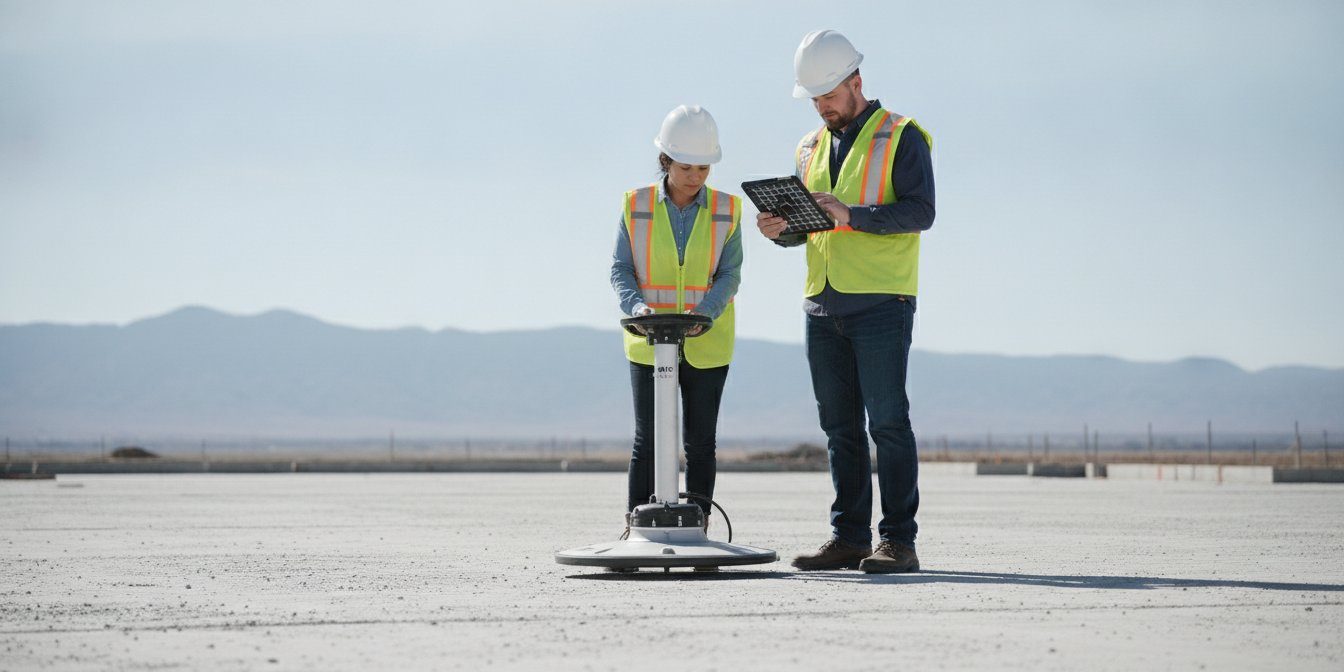
Modern structural diagnostics allow for a comprehensive post tension slab inspection without the need for invasive or destructive demolition. These Non-Destructive Testing (NDT) methods provide a clear window into the internal condition of the concrete and the steel tendons it houses. By utilizing tools like Impact Echo (IE) and Ultrasonic Pulse Velocity, technicians can assess the density of the concrete and identify internal delamination or grout voids. These voids are critical to find. They often serve as the starting point for moisture accumulation and eventual cable decay.
When a visual confirmation of the tendon interior is required, borescope inspections offer a high-precision solution. By drilling a tiny, surgical hole into the duct, an inspector can insert a fiber-optic camera to check for corrosion or the presence of standing water. This level of detail removes the guesswork from structural assessments. It allows property owners to make informed decisions based on empirical data rather than surface-level assumptions.
Ground Penetrating Radar (GPR) for PT Mapping
Ground Penetrating Radar is the industry standard for mapping internal reinforcement before any drilling or concrete repair begins. GPR uses electromagnetic radio waves to locate tendons, rebar, and conduits hidden within the slab. It’s a vital safety step. This technology is particularly effective at identifying broken tendons that haven’t yet caused visible surface damage. However, GPR does have limitations in highly congested slabs where dense layers of steel can scatter the signal. In these complex cases, a skilled technician must interpret the data with precision to ensure the safety of the structure during restoration.
Acoustic Monitoring and Cable Tension Testing
In some large-scale commercial applications, acoustic sensors are used to “hear” the distinct sound of a cable snap in real-time. This provides an immediate alert to structural failure. For residential and smaller commercial slabs, lift-off testing is the preferred method for measuring residual tension. This process involves using a hydraulic jack to pull the tendon end and determining the exact point where it “lifts” from its anchor. If the recorded tension is significantly lower than the original installation records, it’s a clear indicator that post tension repair is necessary.
Using these advanced metrics, we help property owners transition from uncertainty to a clear plan for stabilization. If you suspect your foundation has hidden defects, contact the experts at RiseLock for a professional structural evaluation today.
The RiseLock Approach: Precision Inspection and Installation
In the Front Range, the unique geology of the Denver Metro and Colorado Springs areas presents a specific set of challenges for concrete foundations. Expansive bentonite soils exert high pressure on slabs, making the technical mastery of post-tension systems a necessity rather than an option. At RiseLock, we view a post tension slab inspection as the foundation of a long-term safety partnership. We don’t just look for surface cracks; we analyze the entire structural system to ensure the active forces within the slab are balanced and effective against Colorado’s shifting terrain.
Our methodology involves integrating diagnostic data from GPR mapping and visual forensics into a comprehensive restoration strategy. When an inspection reveals a compromised tendon or a grout void, we provide a logical progression toward stabilization. This prevents minor defects from escalating into catastrophic failures. By serving major cities like Boulder, Aurora, and Denver, we’ve established a reputation for grounded, ethical service that prioritizes the structural security of our clients’ properties above all else.
Beyond Inspection: Structural Reinforcement Solutions
While diagnostics identify the problem, our expertise in post tension installation allows us to implement permanent solutions. For existing foundations that have suffered from soil settlement, we often see a synergy between PT systems and polyurethane lifting. By injecting high-density foam to stabilize the soil and then ensuring the tensioning cables are functioning correctly, we restore both the level and the strength of the slab. This dual approach utilizes modern materials to achieve a level of precision that traditional methods simply cannot match.
Next Steps for Property Owners
If your property is over ten years old or you’ve noticed signs of movement, it’s time to schedule a professional post tension slab inspection. To prepare for an audit, gather any original construction plans or elongation logs if they’re available. These documents provide a baseline for our technicians to measure current performance against original specifications. A proactive audit is the most cost-effective way to avoid the stress of sudden structural damage. When you’re ready for a technical evaluation that values precision over marketing fluff, Contact RiseLock Concrete Lifting to discuss your structural needs with a specialist who understands the high stakes of foundation safety.
Securing the Long-Term Stability of Your Foundation
The stability of a post-tensioned foundation depends on the balance of active forces held within the concrete. While these systems provide exceptional strength, their complexity requires a high standard of technical oversight. By recognizing the early warning signs of distress and utilizing non-destructive diagnostics, you can address potential vulnerabilities before they become structural emergencies. A comprehensive post tension slab inspection serves as your primary defense against the unique challenges posed by the Front Range’s shifting environment.
RiseLock serves as a dependable partner for property owners across Denver and Colorado Springs, providing specialized expertise in both installation and structural reinforcement. We prioritize precision and technical mastery to ensure your foundation remains a reliable asset for the life of the building. Investing in expert oversight today offers the security and long-term durability your property deserves. Our team is ready to provide the professional clarity you need to move forward with confidence.
Ensure your foundation is secure with a RiseLock Post-Tension Evaluation. We look forward to helping you protect the integrity of your structure.
Frequently Asked Questions
How often should a post-tension slab be inspected?
While there isn’t a strict legal mandate for annual residential inspections, a professional evaluation every 5 to 10 years is a sound structural practice. In Colorado cities like Denver and Parker where expansive bentonite soil is prevalent, more frequent visual checks are recommended. You should also schedule a post tension slab inspection if you notice new cracks, heaving floors, or moisture intrusion near the foundation perimeter.
Can you repair a broken post-tension cable after it blowouts?
Yes, a broken post-tension cable can be repaired through a specialized process known as tendon splicing or replacement. When a blowout occurs, the sudden energy release often damages the surrounding concrete, which requires technical concrete repair before a new cable is tensioned. Our technicians extract the failed segment and install a new high-strength tendon to restore the slab’s active compression and long-term stability.
What happens if a post-tension cable is cut during a renovation?
Cutting a post-tension cable during a renovation is a serious structural event that requires immediate professional intervention. Because the cables are under thousands of pounds of tension, a cut causes the tendon to snap back toward the anchors, instantly removing the compressive force from that section of the slab. This can lead to localized slab failure or significant cracking. You’ll need a structural evaluation to determine the extent of the loss in load-bearing capacity.
Is a post-tension slab better than a standard rebar slab for Colorado soil?
Post-tension slabs are generally superior for Colorado’s expansive soils because they act as a single, rigid unit. Traditional rebar slabs are passive systems that allow for more differential movement, which often leads to significant cracking in cities like Colorado Springs and Aurora. A PT system actively squeezes the concrete together, providing the necessary resistance to the intense soil pressure found throughout the Front Range.
How much does a professional post-tension inspection cost?
The cost of a professional evaluation depends on several variables, including the square footage of the property and the complexity of the diagnostic tools required. A basic visual assessment is typically more accessible, while advanced methods like Ground Penetrating Radar (GPR) or borescope testing require specialized equipment and expertise. Factors such as the severity of visible damage and the accessibility of the slab edges in your Denver-area home will also influence the final estimate.
Can GPR see through the entire depth of a post-tension slab?
Ground Penetrating Radar can typically scan through the entire depth of a standard residential or commercial slab, reaching depths of 12 to 18 inches with high resolution. This allows technicians to map the precise path of tendons and identify voids without any destructive drilling. However, the accuracy can be affected by the moisture content of the concrete or the density of other metallic reinforcements, such as rebar or electrical conduits.
What are the signs that my post-tension cables are corroding?
Signs of corrosion often appear as reddish rust streaks or white efflorescence bleeding from the grout caps at the slab’s edge. You might also notice localized spalling where the concrete has weakened due to internal oxidation. In advanced cases, the anchorage may exhibit visible pitting or the cable itself might begin to protrude. These indicators suggest that moisture has breached the protective sheathing and is compromising the steel’s integrity.
Do I need a special inspector for a post-tension slab during construction?
Yes, current building codes often require a certified special inspector to oversee the installation and tensioning phases of a post-tensioned foundation. The 2024 International Residential Code mandates that installation be performed by PTI-certified personnel to ensure compliance with safety standards. This post tension slab inspection includes verifying tendon placement and documenting elongation records, which are critical for confirming that the slab has achieved its intended structural strength.