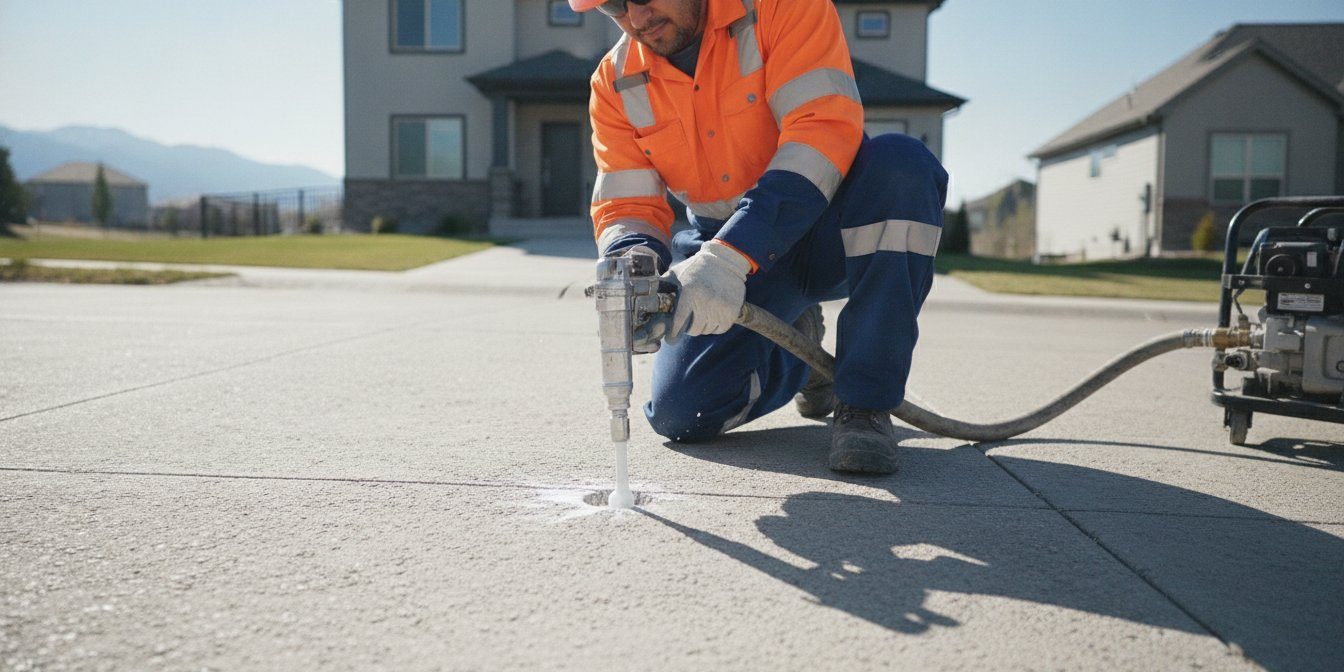
Did you know that nearly 40% of the concrete restoration market has transitioned to high-density polyurethane foam in just the last few years? While traditional methods once dominated the landscape, the shift toward precision-engineered polymers reflects a deeper understanding of Colorado’s unique geological demands. Most property owners in Denver and Colorado Springs view a sinking driveway or a cracked patio as an inevitable, expensive headache. It’s frustrating to watch your property value dip while trip hazards create unnecessary liability for your family or guests.
You don’t have to settle for the mess of traditional demolition or the heavy, temporary fixes of the past. This guide explores how modern concrete raising techniques use lightweight, structural-grade foam to lift and stabilize slabs permanently. We’ll examine the technical advantages of polyurethane injection, the critical importance of post-tension cable awareness, and how to achieve a level surface with minimal disruption to your daily schedule. By the end of this article, you’ll understand why a surgical approach to slab restoration is the most reliable way to protect your structural investment and restore peace of mind.
Key Takeaways
- Learn why Colorado’s expansive soils cause settlement and how modern concrete raising uses high-density polymers to restore structural grade without the mess of traditional demolition.
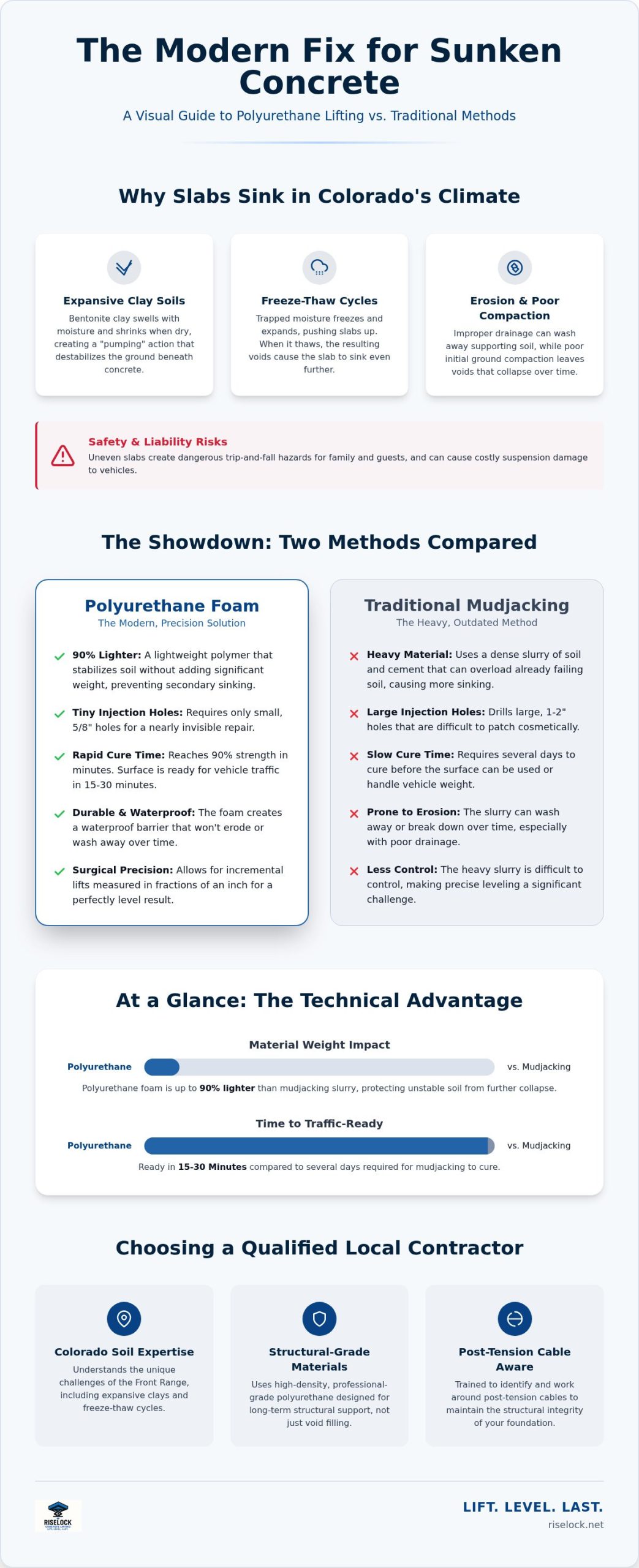
- Discover why polyurethane foam is the preferred choice for Front Range properties, offering a lightweight solution that is 90% lighter than traditional slurry to prevent secondary sinking.
- Understand the critical role of post-tension cable awareness in slab restoration, ensuring that repairs maintain the structural integrity of your foundation or driveway.
- Evaluate the long-term ROI of restoration versus replacement, focusing on the significant time and cost savings achieved through non-invasive injection methods.
- Identify the essential qualifications for a local contractor, including expertise in Colorado soil dynamics and the use of specialized, structural-grade materials.
What is Concrete Raising and Why Do Slabs Sink?
Concrete raising is a precise structural intervention that restores sunken slabs to their original grade by injecting specialized material into the voids beneath them. Property owners often first notice the need for repair when trip hazards appear at sidewalk joints or when water begins pooling on driveways after a rainstorm. These visual cues, along with visible gaps under garage floors, indicate that the supporting soil has shifted, eroded, or collapsed. Understanding what is concrete leveling involves recognizing that these issues aren’t just surface problems; they’re symptoms of subsurface instability. Causes often include poor initial soil compaction during construction or natural erosion from improper drainage. Concrete raising serves as a cost-effective alternative to full replacement, allowing owners to preserve existing surfaces while addressing the underlying instability without the waste of demolition.
The Role of Colorado Soil in Concrete Settlement
The geology of the Colorado Front Range presents unique challenges for concrete stability. Expansive bentonite clay is prevalent throughout Denver, Aurora, and Colorado Springs. This specific clay type swells significantly when moisture is present and shrinks during the dry season, creating a constant “pumping” action beneath the slab. This movement creates a cycle of instability that traditional, heavy fill materials often fail to resolve, especially in high-alkaline Colorado soils that can degrade certain repair mixtures. Additionally, the intense freeze-thaw cycle in Denver accelerates slab movement. Moisture trapped in the soil pores expands when frozen, forcing the slab upward. When the ground thaws, it leaves behind larger air pockets, causing the concrete to sink further than its original position.
Safety Hazards of Uneven Concrete
Ignoring sunken concrete creates immediate risks that extend beyond simple aesthetics. For business owners, uneven walkways represent a significant liability regarding trip and fall accidents. These incidents can lead to costly legal complications and increased insurance premiums. Residential owners often face impact damage to vehicle suspension and tires when crossing sunken garage thresholds or navigating offset driveway joints daily. Addressing these settlement issues early prevents further structural damage to adjacent foundations or walls. It’s a proactive step that maintains property value and ensures the safety of everyone who walks or drives on the surface.
Polyurethane Injection vs. Traditional Mudjacking
Modern concrete raising has evolved from a heavy, masonry-based process into a high-precision chemical engineering solution. Traditional mudjacking relies on a thick slurry of water, soil, and cement to force a slab upward. While this method was the standard for decades, it introduces significant mass to an already unstable subsurface. In contrast, high-density polyurethane injection utilizes an expanding polymer that is approximately 90% lighter than traditional mudjacking slurry. This weight difference is critical when working with the sensitive soil profiles found along the Front Range. The technical advantages extend beyond simple physics. Polyurethane foam allows for incremental lifts measured in fractions of an inch, providing a level of control that slurry simply cannot match. Once injected, the material undergoes a rapid chemical reaction, reaching 90% of its structural strength within minutes. This means surfaces are ready for full vehicle traffic in 15 to 30 minutes, whereas mudjacking often requires several days of curing time before use.
Why Weight Matters for Slab Stability
Adding weight to failing soil is a fundamental flaw of traditional repairs. When heavy mudjacking material is pumped under a sinking slab, the added mass often triggers “secondary settlement,” where the soil collapses further under the new load. Using polyurethane concrete lifting avoids this risk by stabilizing the underlying soil without overloading it. The foam expands to fill every void and crevice, creating a durable, waterproof base that won’t wash away or leach into the groundwater. These methods align with professional Post-Tensioning Institute guidelines regarding structural preservation, ensuring the repair doesn’t compromise the existing reinforcement of the slab. This surgical approach ensures your concrete raising project provides a long-term solution rather than a temporary fix.
The Aesthetic Advantage of Foam
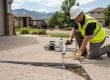
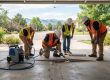
Precision isn’t just about the lift; it’s also about the footprint left behind. Traditional methods require drilling holes the size of a soda can to accommodate thick slurry hoses. Modern foam injection uses penny-sized holes that are far less invasive and much easier to patch. Because the equipment is compact and the process is contained, there are no heavy trucks tracking mud across your lawn or messy hoses leaking slurry on your landscaping. After the injection is complete, the small entry points are patched with a concrete mixture that blends seamlessly with the existing surface. If you are concerned about the longevity of your outdoor surfaces, a professional assessment can determine if your slab is a candidate for this clean, efficient restoration.
The Structural Connection: Post-Tension Cables
Post-tensioned slabs are a standard engineering solution in Colorado, designed to withstand the immense pressure exerted by expansive or swelling soils. These slabs contain high-strength steel cables that are stressed after the concrete has cured, providing the structural rigidity needed to prevent foundation failure. When these slabs settle, the concrete raising process requires a sophisticated understanding of this internal reinforcement. Unlike standard reinforced concrete, a post-tensioned slab stores massive amounts of potential energy. Drilling into one of these cables by accident doesn’t just damage the slab; it can cause a violent cable blowout that compromises the entire building’s structural integrity.
RiseLock approaches these projects with a background in structural engineering, ensuring every injection point is mapped with precision. We understand that lifting pressure must be distributed evenly to avoid stress on the cable anchors. If the pressure isn’t managed correctly, the concentrated force of the expanding foam could potentially shift the slab in a way that compromises the tensioning system. Our team integrates this structural knowledge into every phase of the restoration, treating the slab as a complex system rather than just a flat surface.
Identifying Reinforced Slabs Before Lifting
Property owners should look for specific indicators of reinforcement before allowing any drilling on their property. Most post-tensioned slabs feature stamped warnings in the garage floor or visible plastic end-cap anchors along the exterior edge. It’s vital to partner with a contractor who has direct experience in post tension installation to ensure these markers are identified and respected. Without this expertise, the risk of a catastrophic cable failure increases significantly. Professional technicians use specialized equipment to locate these cables before a single hole is drilled, ensuring a safe and predictable lift.
Stabilization Beyond the Surface
Effective slab restoration goes beyond simply matching the grade of the surrounding concrete. We focus on comprehensive void filling to support the entire structural footprint, which is especially critical for post-tensioned systems that rely on uniform support. By eliminating the air pockets beneath the slab, we also prevent water from pooling near the internal cables. This is a crucial step in preventing long-term cable corrosion, which can weaken the tensioning system over time. The synergy between leveling and structural reinforcement ensures that your concrete raising project protects the long-term health of your foundation.
Evaluating the ROI: Concrete Raising vs. Replacement
Choosing between restoration and replacement is a matter of calculating total structural value and long-term utility. While a new pour might seem like a fresh start, it often introduces unnecessary complexity and expense that restoration avoids. Concrete raising offers a streamlined alternative that addresses the root cause of settlement without the destructive footprint of traditional demolition. Most residential and commercial slabs remain structurally sound despite sinking; the failure lies in the soil support beneath the material, not the concrete itself. By choosing restoration, property owners avoid the logistical burden of a full-scale construction project while achieving a perfectly level surface.
The efficiency of the injection process is a significant factor in the return on investment. A typical project is completed in a matter of hours, and the surface is ready for full traffic almost immediately. In contrast, new concrete requires a multi-day curing period, often restricting access to driveways, garage thresholds, or storefronts for a week or more. There is also the aesthetic benefit of preservation. New concrete rarely matches the weathered color and texture of existing adjacent slabs, leading to a patchwork appearance that can detract from a property’s curb appeal. Restoration maintains the visual continuity of your property while providing a permanent solution to instability.
When is Concrete Raising the Right Choice?
The decision hinges on the physical condition of the slab surface and the nature of the damage. If the concrete is largely intact but has tilted or sunk, concrete leveling is the superior engineering choice. It’s particularly effective for sidewalks and patios where precise grade restoration is required to eliminate trip hazards and pooling water. However, if the concrete is crumbling, severely spalled, or broken into many small pieces, it may be too far gone for a successful lift. In those specific cases, the slab lacks the structural integrity to move as a single unit during the injection process.
The Hidden Costs of New Concrete
Replacement carries expenses that go far beyond the material itself. Municipal permit fees and the cost of hauling old material to a specialized disposal facility add significant overhead to any project. There is also a high risk of collateral damage during the demolition phase. Heavy equipment can crack neighboring healthy slabs or crush underground irrigation lines and mature landscaping. These hidden repairs often inflate the final project cost well beyond the initial estimate. Choosing a non-invasive lift avoids these risks entirely, protecting your property’s existing infrastructure. If you’re ready to restore your surfaces with precision, you can schedule a structural assessment to determine the best path forward for your property.
Choosing a Concrete Raising Contractor in Denver
Selecting a partner for structural restoration requires more than searching for the lowest bid. In the Colorado Front Range, the geological conditions demand a contractor who understands how expansive soils interact with residential and commercial foundations. When evaluating a provider for concrete raising, start by verifying their material standards. You should insist on the use of high-density, closed-cell polyurethane foam. Unlike open-cell alternatives or traditional slurries, closed-cell foam is hydrophobic and provides the compressive strength necessary to support heavy slabs over the long term. This material choice ensures the repair remains stable even when groundwater levels fluctuate.
Beyond materials, inquire about structural expertise. Many companies treat concrete as an isolated surface, but in Colorado, many slabs are integrated into complex post-tensioned systems. A contractor must demonstrate a clear understanding of how lifting pressure affects these internal cables and anchors. A commitment to precision and a quiet, professional presence on-site are also indicators of a firm that takes its craft seriously. These qualities reflect a deeper respect for the property and a technical mastery of the restoration process.
The RiseLock Difference: Precision Engineering
At RiseLock, we view every project through the lens of structural integrity. We specialize in concrete repair in Denver, Colorado, treating each slab as part of a larger structural system. This perspective allows us to provide solutions that don’t just level the surface but also stabilize the underlying environment. Our expertise isn’t limited to the metro area; we provide specialized services across the entire corridor from Fort Collins down to Colorado Springs. This regional focus ensures we’re intimately familiar with the soil challenges unique to each community we serve.
What to Expect During Your Service
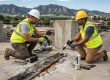
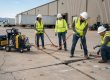
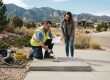
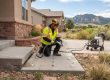
The process begins with a methodical assessment of your property. We use specialized tools to identify soil voids and measure the exact degree of slab movement. During the injection phase, our technicians monitor the lift in real-time, making incremental adjustments to ensure a perfectly level finish. This high-precision approach minimizes the risk of over-lifting or cracking. Once the injection is complete, we patch the penny-sized entry points and perform a thorough cleanup. Your property is returned to service immediately, often within the same hour the work is finished. If you’re ready to secure your property’s foundation, Request a professional assessment from RiseLock today to begin your restoration.
Securing Your Property’s Structural Future
Sinking slabs are more than an aesthetic nuisance; they’re a signal of subsurface instability that requires a specialized response. Modern concrete raising has moved beyond the heavy, invasive methods of the past, favoring high-density polyurethane technology that stabilizes soil without adding unnecessary weight. By choosing a partner who understands the complexities of post-tension systems and Colorado’s unique soil dynamics, you ensure that your restoration is both safe and permanent.
Preserving your original concrete saves time, reduces waste, and protects your property’s curb appeal. Whether you’re managing a commercial storefront in Aurora or a residential driveway in Colorado Springs, the right intervention restores safety and value in a single afternoon. Our team brings technical mastery and ethical standards to every project across the entire Colorado Front Range. You don’t have to live with trip hazards or decreasing property values. Restore your concrete with RiseLock’s precision raising services and regain the peace of mind that comes with a stable, level foundation. Your structural investment deserves a solution built for longevity.
Frequently Asked Questions
How long does concrete raising last?
Concrete raising typically provides a permanent solution that lasts as long as the concrete slab itself. It’s a reliable, long-term fix. The high-density polyurethane we use is a closed-cell material that doesn’t biodegrade, shrink, or wash away over time. Unlike traditional slurry, it remains stable despite Colorado’s moisture fluctuations. Success also depends on maintaining proper drainage around the slab to prevent new soil erosion from occurring in the future.
Can you raise concrete that is badly cracked?
We can often lift slabs with minor cracking, but the concrete must have enough structural integrity to move as a single unit. If the surface is shattered into many small pieces, the injection process isn’t as effective. The foam could escape through the fractures rather than providing lift. During our initial assessment, we determine if the slab is a candidate for lifting or if the damage is too extensive for restoration.
Is polyurethane foam safe for the environment?
The polyurethane foam used in our restoration process is environmentally inert once it’s fully cured. It won’t leach chemicals into the surrounding soil or groundwater, making it a safe choice for residential landscapes. Additionally, by opting for repair instead of replacement, you’re preventing old concrete from entering local landfills. This makes the process a sustainable alternative for property owners who prioritize environmental health and waste reduction throughout the Front Range.
How soon can I drive on my driveway after it is raised?
You can typically return your driveway to full service within 30 minutes of the completed repair. The chemical reaction that expands the foam occurs rapidly. This allows the material to reach its full structural capacity in a fraction of the time required by traditional methods. This efficiency is ideal for busy households or commercial properties that can’t afford the multi-day downtime associated with a new, week-long concrete curing process.
What is the difference between mudjacking and foam lifting?
The fundamental difference lies in the material density and the impact on the subsurface. Traditional mudjacking relies on a heavy slurry that can weigh 100 pounds per cubic foot, which often forces fragile soil to sink further. Polyurethane foam is a lightweight alternative that expands to fill voids without adding significant mass. This results in a more precise lift and prevents the secondary settlement common with heavier, less sophisticated materials.
Can concrete raising fix my foundation issues?
Concrete raising is an excellent solution for flatwork like driveways, sidewalks, and garage floors, but it isn’t designed to lift heavy foundation walls. While we can use foam to fill voids beneath a foundation to prevent water pooling, structural settlement usually requires mechanical piering. We focus on stabilizing the slabs that surround your home. This ensures they don’t contribute to further drainage issues or structural complications over time.
Is concrete raising loud or messy?
Our process is designed to be as non-invasive and clean as possible for the property owner. The equipment we use is relatively quiet, with sound levels comparable to a standard vacuum. Because we don’t use heavy machinery or wet slurries, there’s no mess left behind on your lawn or landscaping. The small amount of dust generated during drilling is easily managed. We ensure the work area is pristine before our technicians leave.
Do I need to be home during the repair process?
It’s not required for you to be home during the repair as long as we have clear access to the project area. Since most concrete raising projects involve exterior surfaces like patios or driveways, our team can work independently. We’ll communicate with you throughout the process and provide a detailed summary of the stabilization once the work is finalized. This ensures your complete satisfaction without disrupting your daily schedule.