That widening gap beneath your front porch isn’t just an eyesore; it’s a structural warning that your soil is no longer supporting the weight of your home’s entrance. For many homeowners, the sight of a sinking staircase brings immediate concerns about trip hazards and the daunting expense of a full replacement. Fortunately, lifting settled concrete steps has evolved beyond the invasive and heavy methods of the past. It’s a common frustration to see your property’s curb appeal suffer because of shifting soil, but a sunken step doesn’t have to mean a week of construction noise and destroyed landscaping.
We understand that you want a solution that is both permanent and precise. This guide will show you how high-density polyurethane injection provides a sophisticated, non-invasive alternative to traditional repair methods. You’ll discover how this modern technology stabilizes the underlying soil to ensure your steps remain level for decades. We will explore the technical process of precision lifting, compare the long-term value against replacement, and explain why stabilizing the foundation is the only way to achieve lasting peace of mind.
Key Takeaways
- Identify the underlying causes of settlement, such as poor soil compaction and moisture fluctuations, to address the root of structural instability.
- Understand why traditional “capping” methods often fail and how lifting settled concrete steps provides a lightweight, permanent alternative.
- Compare the efficiency of modern polyurethane foam against total replacement to realize significant savings in both project time and overall costs.
- Explore the non-invasive injection process that restores level surfaces without the need for heavy machinery or damage to your landscaping.
- Discover the technical advantages of high-density materials specifically engineered to stabilize the expansive clay soils common across Colorado.
Understanding Why Concrete Steps Settle and the Risks Involved
Concrete settlement is the physical manifestation of a failing subgrade. When the soil base beneath a staircase can no longer support the significant weight of the slab, the structure begins to migrate downward. This movement is rarely uniform, often causing steps to tilt, pull away from the house, or sink deep into the ground. While it’s tempting to view this as a purely aesthetic problem, it’s actually a signal that the soil’s load-bearing capacity has been compromised by poor initial compaction, moisture fluctuations, or erosion.
The safety implications of a sunken staircase are immediate and serious. A variance of just one inch in riser height is enough to disrupt a person’s natural gait, creating a significant trip hazard for family and guests. Beyond the risk of injury, these shifts often create secondary problems. When steps pull away from the main structure, they leave gaps that allow water to flow directly against your foundation. If you aren’t proactive about lifting settled concrete steps, you may eventually face expensive basement water damage or foundation instability.
The Role of Colorado Soils in Concrete Settlement
Homeowners in Denver and Aurora deal with a unique geological challenge: expansive bentonite clay. This soil acts like a sponge, swelling significantly when saturated and shrinking during dry spells. This constant volume change, paired with Colorado’s aggressive freeze-thaw cycles, creates a volatile environment for heavy concrete. It’s common for steps on new construction to settle within the first five years because the backfill soil used around the foundation wasn’t sufficiently compacted during the building process. Understanding the full scope of how these soil conditions affect your property is essential; our technical guide to structural concrete repair in Denver covers how bentonite clay specifically drives the need for specialized restoration approaches.
Identifying the Warning Signs of Sinking Steps
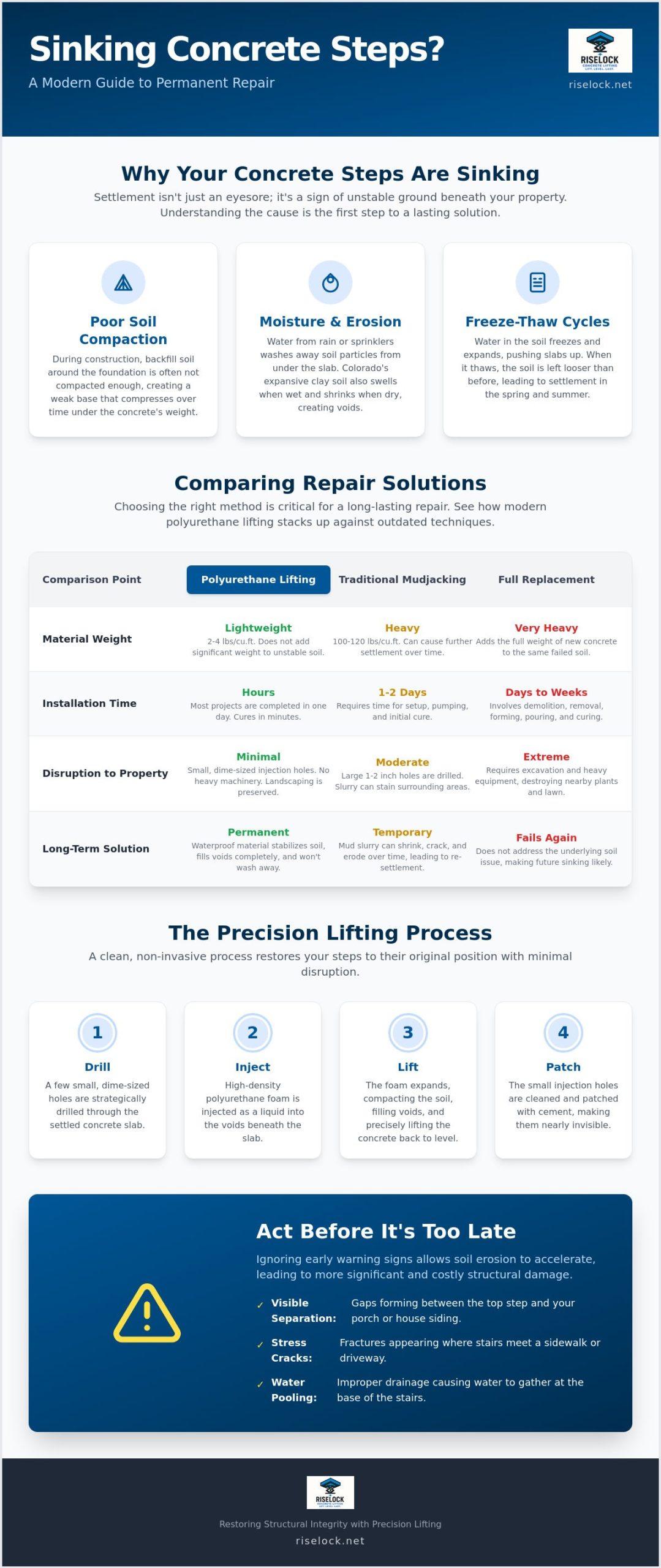
Recognizing the early indicators of settlement can prevent minor shifts from becoming major structural failures. The process of Concrete leveling is most effective when issues are caught early. Watch for these specific red flags:
- Visible Separation: Gaps forming between the top step and the porch or the house siding.
- Pivot Point Cracking: Stress fractures appearing where the stairs meet the sidewalk or driveway.
- Improper Drainage: Water pooling at the base of the stairs instead of flowing away from the home.
Ignoring these signs doesn’t just ruin your curb appeal; it allows the cycle of soil erosion to accelerate. By understanding why your steps are sinking, you can move toward a permanent solution that restores both safety and structural integrity.
The Science of Concrete Settlement Repair: Why Traditional Methods Fail
When steps begin to pull away from a porch, many homeowners consider “capping” the stairs with a fresh layer of concrete. This approach is fundamentally flawed. Adding more material to the surface doesn’t address the void beneath the slab; instead, it increases the total weight resting on already compromised soil. The physics are simple. A heavier repair further compresses the unstable subgrade, which inevitably leads to more sinking. Professional concrete slab repair without replacement focuses on the foundation of the problem by stabilizing the soil first.
Modern restoration requires a material that provides high structural strength without adding significant mass. This is where high-density polyurethane injection excels. By using a lightweight material to fill the gaps, we can restore the level of your stairs without triggering the secondary settlement that often follows traditional, heavier repairs. If you’re concerned about the stability of your entrance, a professional structural evaluation can determine if your soil is ready for stabilization.
The Limitations of Traditional Mudjacking
Mudjacking has served as a standard repair method for decades, but it’s often too heavy for the delicate soil conditions found in Colorado. The process involves pumping a thick slurry of sand, water, and cement under the concrete. This mixture is incredibly dense and adds thousands of pounds of pressure to the subgrade. Research into the causes of settlement suggests that adding this much mass to unstable soil often causes the repair to fail within a few seasons. Beyond the weight issue, mudjacking requires drilling large, two-inch holes that leave permanent scars on your steps. The curing process is also slow, often requiring days of restricted access before the stairs are safe to use again.
How High-Density Polyurethane Stabilizes the Soil
High-density polyurethane works through a precise chemical reaction that begins the moment it’s injected. The liquid expands rapidly, filling every microscopic void and compacting the surrounding soil to create a rigid, load-bearing base. This expansion is what makes lifting settled concrete steps so effective; it provides the mechanical force needed to move heavy slabs with surgical precision.
The material is also hydrophobic, meaning it doesn’t absorb water or wash away during heavy rain. This is a critical advantage in the Front Range, where groundwater levels fluctuate. One of the most practical benefits is the speed of the cure. While traditional slurry takes days to harden, polyurethane foam reaches 90% of its full structural strength in about 30 minutes. You can walk on your steps almost immediately after the technicians finish the job. This combination of strength, durability, and minimal weight makes it the superior choice for long-term structural integrity.
Comparing Solutions: Polyurethane Foam vs. Mudjacking vs. Replacement
Choosing the correct restoration path requires an objective analysis of cost, time, and long-term structural results. For many homeowners, the immediate reaction to a sunken staircase is to call for a full demolition and replacement. However, this is often the most expensive and disruptive option available. Professional polyurethane concrete lifting typically costs between 50% and 70% less than the price of pouring new concrete. Beyond the financial savings, salvaging your existing steps prevents several tons of debris from entering local landfills, making it the more environmentally responsible choice.
The difference in project timelines is equally significant. A full replacement involves demolition, hauling, forming, and pouring, a process that can leave your front entrance unusable for several days while the new slab cures. In contrast, lifting settled concrete steps is a surgical procedure that usually takes only a few hours. Because high-density foam reaches its full structural capacity almost instantly, the stairs are ready for foot traffic the moment the technicians pack their tools. This efficiency minimizes disruption to your daily routine and your surrounding landscaping.
When is Concrete Too Damaged to Lift?
While most settlement issues are repairable, certain conditions indicate that the concrete material itself has reached the end of its lifespan. We look for “spiderweb” cracking, which consists of deep, interconnected fractures that compromise the structural unity of the slab. If the concrete is crumbling or scaling severely due to age or poor mixing, it may lack the integrity needed to withstand the lifting process. However, if the steps are largely intact but have simply migrated downward, they are ideal candidates for stabilization. Our goal is to determine if the issue is a failure of the material or a failure of the soil beneath it. Homeowners seeking a broader understanding of their options can explore our concrete repair Denver Colorado guide for a comprehensive overview of modern structural restoration techniques.
A Comparison of Injection Methods
The technical superiority of polyurethane becomes clear when compared directly to traditional mudjacking. The physical footprint of the repair is the first major difference. Mudjacking requires drilling holes the size of a soda can to accommodate the thick slurry, whereas polyurethane uses penny-sized injection ports that are easily patched and blended. The weight of the repair material is the most critical factor for long-term success.
- Weight: Polyurethane weighs approximately 2 pounds per cubic foot, while traditional mudjacking slurry weighs about 100 pounds per cubic foot.
- Cleanliness: Foam injection is a self-contained process that doesn’t involve the messy hoses or heavy trucks associated with cement-based pumping.
- Precision: The controlled expansion of foam allows for incremental adjustments, ensuring the steps align perfectly with your porch or foundation.
By choosing a lightweight material, you avoid adding the massive load that often causes mudjacking repairs to fail. This precision-focused approach ensures that your steps remain level without further stressing the underlying soil.
The Step-by-Step Professional Lifting Process for Colorado Homeowners
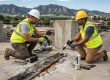
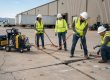
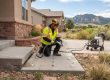
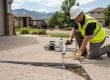
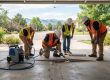
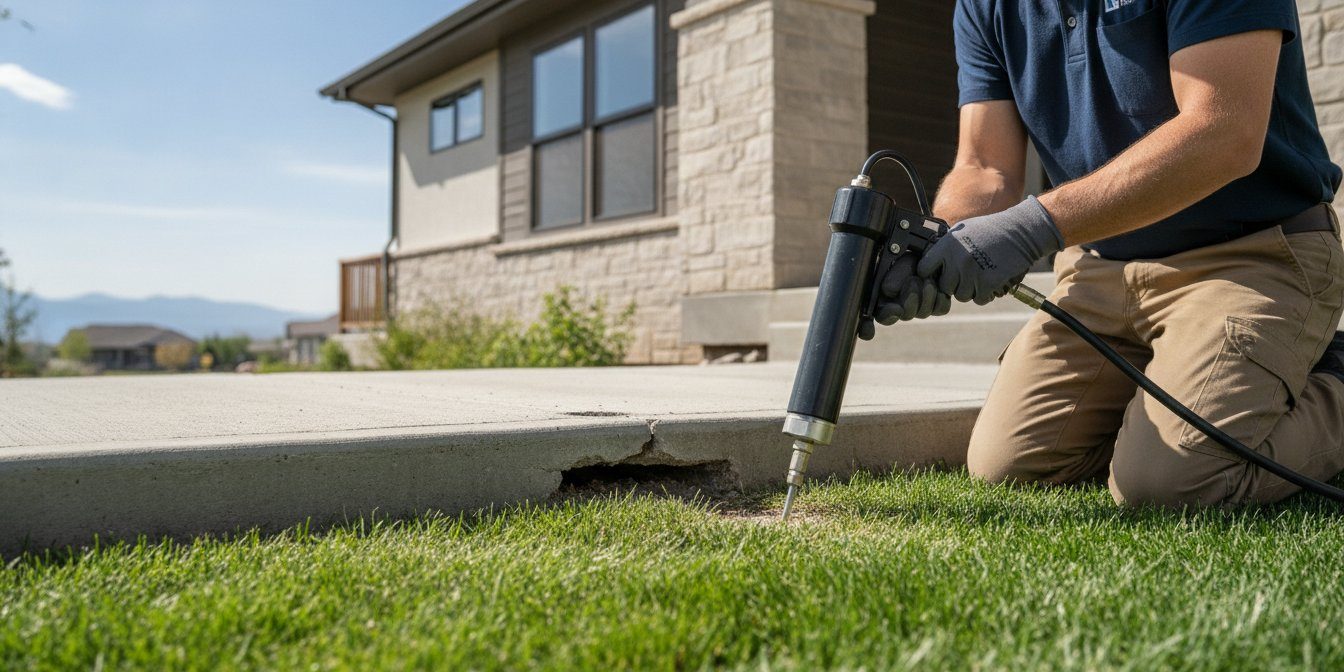
Professional restoration is a systematic engineering process that prioritizes property protection and technical precision. Unlike dangerous DIY methods that suggest using car jacks or timber levers, which often lead to cracked slabs or personal injury, a professional approach uses controlled hydraulic force. The process begins with meticulous site preparation. We protect your surrounding lawn and house siding from any potential overspray or debris, ensuring that the only evidence of our presence is a level entrance. Once the area is secure, we map the voids beneath your stairs to determine the most strategic locations for injection.
Precision drilling involves creating penny-sized access points through the concrete. These holes are small enough to be virtually invisible once patched but large enough to deliver high-density material exactly where it’s needed. During the injection phase, technicians monitor the movement of the stairs in real-time. We adjust the flow of material to achieve 1/10th inch precision, ensuring the stairs align perfectly with the original design height of your porch or foundation. If you are ready to restore the safety of your entrance, you can schedule a professional structural assessment today.
Precision Monitoring During the Lift
We utilize advanced laser levels to provide constant feedback throughout the lifting sequence. This allows us to manage “pinch points” where the steps meet the foundation, preventing the concrete from binding or putting unnecessary stress on your home’s structure. Slab stabilization is the specific process of filling underground voids to create a solid foundation before the actual lifting of the concrete begins. By stabilizing the subgrade first, we ensure that the lift is uniform and controlled, rather than a brute-force movement that could compromise the masonry.
Post-Lifting Maintenance and Prevention
The longevity of your repair depends on how well you manage moisture in the future. Once the lifting settled concrete steps process is complete, we patch the injection sites with a specialized grout that matches your original concrete texture. However, the work doesn’t stop there. We recommend a few essential maintenance steps to protect your investment:
- Caulking Joints: Sealing the seams between the steps and the foundation prevents water from reaching the soil.
- Downspout Redirection: Ensuring that gutters discharge water at least five feet away from the concrete base.
- Soil Grading: Maintaining a positive slope away from the stairs to encourage natural drainage.
Modern foam concrete lifting creates a permanent, hydrophobic barrier that resists erosion from groundwater. By combining this advanced technology with simple moisture management, you can prevent the cycle of settlement from returning. This proactive approach ensures your steps remain a safe, level, and attractive part of your home for decades to come.
Restoring Structural Integrity with RiseLock’s Precision Lifting
RiseLock Concrete Lifting approaches every restoration with a commitment to technical mastery and professional reliability. We prioritize high-density polyurethane specifically engineered for Colorado’s expansive soil conditions. While some contractors use low-density alternatives that might fail under the weight of heavy masonry, our materials ensure that lifting settled concrete steps results in a permanent foundation rather than a temporary fix. This dedication to precision allows us to manage complex structural challenges, including commercial staircases and residential properties with post-tension foundations, where technical accuracy is non-negotiable. We view every structural repair as a personal priority, ensuring that your home’s safety is restored to the highest standards.
Expert Solutions for Denver Metro Homeowners
We serve residential properties across the Front Range, covering the service corridor from Castle Rock to Boulder with localized soil knowledge. Our team understands how regional moisture levels impact the stability of your entrance, allowing us to provide ethical, accurate assessments for every client. RiseLock Concrete Lifting utilizes a non-invasive approach that respects your property and your time. We work efficiently to restore the structural integrity of your steps without the disruption or mess associated with traditional construction methods. By focusing on high-precision intervention, we ensure that your home remains a safe and welcoming environment.
Schedule Your Professional Assessment Today
Taking the first step toward a level home begins with a thorough structural evaluation. During our on-site visit, we examine the degree of settlement, map the underlying voids, and identify the optimal injection points for your specific staircase. This process allows us to provide a precision quote based on the actual technical requirements of the job. Our goal is to lead you away from the stress of structural damage toward the peace of mind offered by specialized stabilization. Contact RiseLock Concrete Lifting today to schedule your evaluation and begin the process of restoring your property’s value and safety.
Secure Your Home’s Entrance for the Long Term
Choosing a permanent restoration path means looking beyond the cosmetic gap to the soil stability beneath your feet. As we’ve explored, modern polyurethane techniques offer a level of precision and durability that traditional mudjacking simply can’t match. By prioritizing a lightweight, hydrophobic solution, you protect your home from the secondary settlement often caused by heavy cement slurries. Lifting settled concrete steps is not just about restoring curb appeal; it’s about eliminating safety hazards and preventing water infiltration that could eventually compromise your foundation. Denver homeowners dealing with the region’s expansive clay soils can find additional context in our definitive guide to concrete repair in Denver, Colorado, which covers the full spectrum of structural restoration solutions available in the area.
RiseLock Concrete Lifting brings quiet authority and technical mastery to every project, providing specialized high-density polyurethane lifting for homeowners throughout the Denver Metro and Colorado Springs area. Our expertise in complex post-tension and structural repairs ensures that even the most challenging settlement issues are resolved with surgical accuracy. For homeowners who want to understand the full technical landscape of structural concrete repair in Denver, including code-compliant solutions for post-tension foundations and expansive soil stabilization, our 2026 technical guide provides the in-depth context you need. You don’t have to manage the stress of structural damage alone. Request Your Precision Concrete Lifting Quote from RiseLock Concrete Lifting today to secure your entrance with a partner you can trust. We look forward to restoring your peace of mind and the lasting stability of your home.
Frequently Asked Questions
Is lifting settled concrete steps a DIY project?
No, lifting settled concrete steps requires specialized hydraulic equipment and industrial-grade chemical components that aren’t available for rent. Attempting to lift heavy concrete units with car jacks or manual levers is extremely dangerous and often causes the masonry to shatter. Professional intervention ensures the lift is controlled and the underlying voids are completely filled to prevent future sinking.
How much does it cost to lift sunken concrete steps in Denver?
The total cost depends on the size of the staircase and the volume of the voids beneath the slab. While every project requires a custom structural evaluation, lifting settled concrete steps remains significantly more affordable than a full demolition and replacement. Because we focus on stabilization rather than removal, homeowners typically save a substantial percentage compared to the price of pouring new concrete.
How long does polyurethane concrete lifting last?
Polyurethane is designed to provide a permanent solution that lasts as long as the concrete itself. The material is a closed-cell, high-density plastic that doesn’t biodegrade or lose its structural integrity over time. As long as you maintain proper drainage and keep water away from the step base, the repair should remain stable for decades.
Will the foam used to lift my steps wash away with rain?
High-density foam is completely hydrophobic, meaning it doesn’t absorb water or break down when exposed to moisture. Unlike traditional mudjacking slurry, which can erode during heavy Colorado rainstorms, the lifting settled concrete steps process uses a material that remains a solid mass. It’s an ideal material for the Front Range because it effectively displaces groundwater during the injection process.
Can you lift steps that have pulled away from the house foundation?
Yes, we can often restore steps that have migrated away from the main structure. The expansive force of the polyurethane allows for both vertical lift and minor lateral adjustments to close gaps. This process is highly effective for reconnecting your entrance to the porch or foundation, provided the concrete hasn’t suffered major structural fractures.
How soon can I use my stairs after they have been lifted with foam?
You can use your stairs almost immediately after the injection process is complete. The polyurethane material reaches its full load-bearing capacity in about 30 minutes. This is a major advantage over traditional cement-based repairs, which often require several days of curing time before they can support foot traffic.
What happens if the soil underneath my steps is still wet?
Wet soil doesn’t prevent the polyurethane from working because the material is engineered to expand in moist environments. The foam actually pushes water out of the way as it fills the voids beneath the concrete. While it’s always best to address the source of the moisture, the foam itself will cure and stabilize the steps regardless of current soil dampness.
Does concrete lifting prevent future cracking?
Lifting and stabilization prevent the specific types of cracks caused by uneven soil support and settlement. By creating a solid, uniform base, we eliminate the stress points that lead to structural failure. However, existing cracks should still be professionally sealed to prevent water from entering the subgrade and causing new issues during the freeze-thaw cycle.