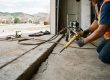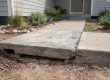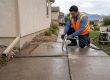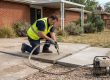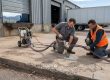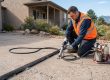
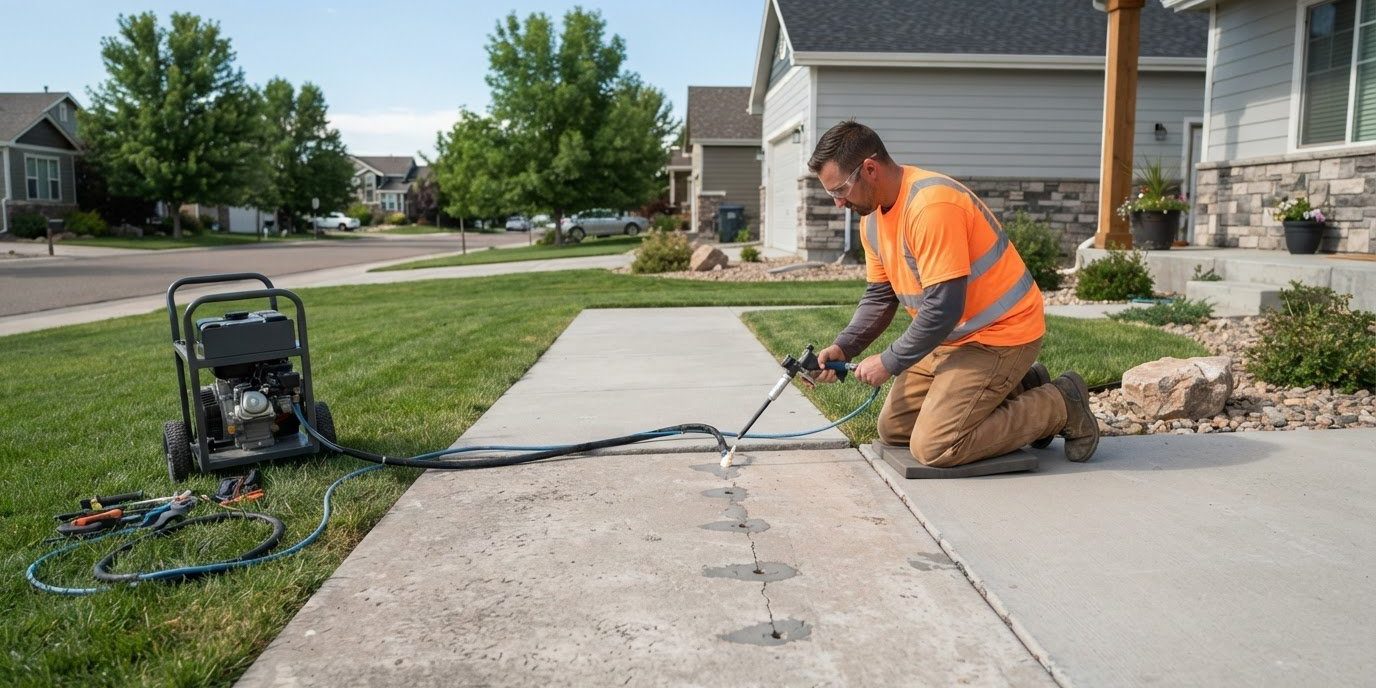
The repair visit often takes only a few hours, and polyurethane foam cures within minutes, so the surface can usually be walked on almost immediately. Understanding what to expect during concrete lifting in Centennial also means knowing to keep the repaired slab free of heavy loads for at least 24 hours.
It’s reasonable to want a clear timeline before work begins, especially when a settled walkway, driveway, patio, or garage floor affects your daily routine. The lifting itself can be quick, but the surface and slab condition shape how the work proceeds.
This guide explains the typical timeline and what happens during assessment, foam injection, lifting, and hole patching. It also covers which surfaces may be suitable and how cracks, soil movement, and recurring settlement can affect the result, so you know what to expect before, during, and after the repair.
Key Takeaways
- Learn how assessment, small access holes, and controlled material injection work together to raise a settled slab.
- See which uneven or lightly cracked concrete surfaces may be candidates for lifting, and why slab condition matters.
- Understand how soil movement, washout, or poor compaction can contribute to recurring settlement and trip hazards.
- Explore when polyurethane concrete lifting or concrete leveling may address a settled surface and restore safer use.
Project duration and same-day use
Concrete leveling often takes a few hours, but the slab’s size and condition shape the schedule. Surface access and curing time also determine when patios, garage floors, and walkways can return to use. Knowing what to expect during concrete lifting in Centennial can help you plan around those practical limits.
Permit requirements and HOA approval are separate considerations. Before scheduling, review local permit rules and your association’s governing documents, as either may apply to your property.
Typical Duration by Project Size
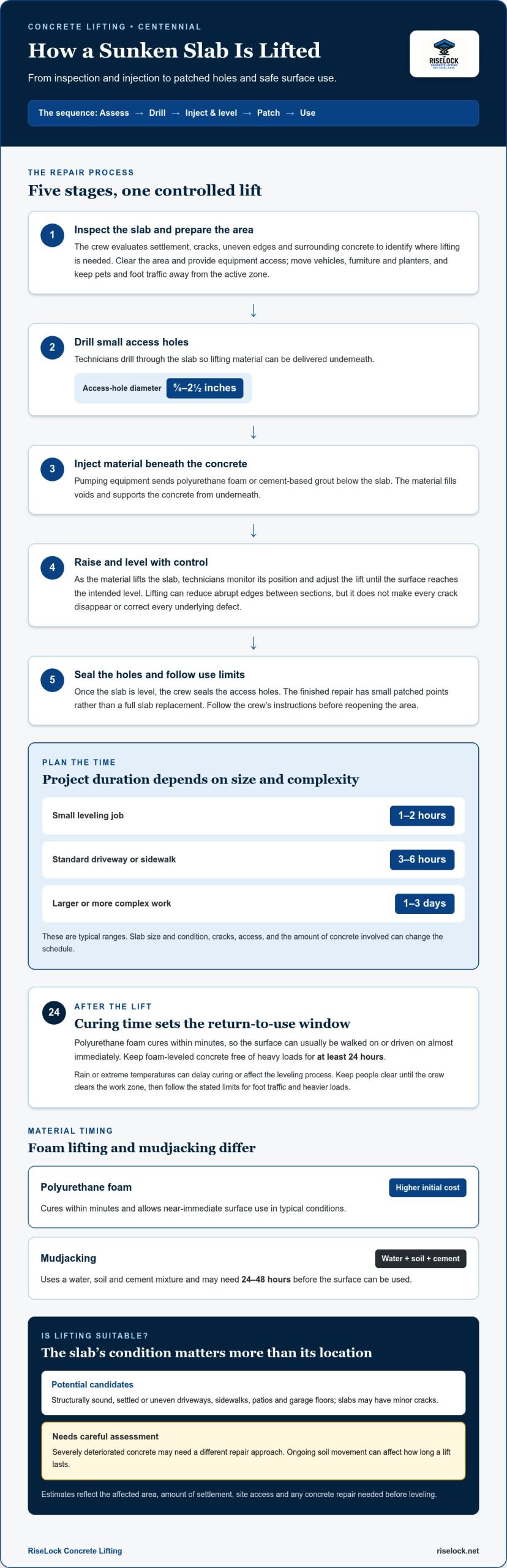
Project duration generally increases with the area and complexity of the settled concrete. A small leveling job may take 1 to 2 hours, while a standard driveway or sidewalk project might take 3 to 6 hours. Larger or more complex work can take 1 to 3 days. These ranges help you plan access to the affected area and daily routines.
Lifting one sunken section is different from leveling a broad driveway with multiple uneven areas. Cracks, existing damage, and the amount of concrete involved all affect the work. Most projects are completed in hours, although larger jobs may take longer. To understand what to expect during concrete lifting in Centennial, also consider access to the work area.
Surface Use After Lifting
Surface use depends on the lifting material’s curing time and the type of traffic. Polyurethane foam cures within minutes, so concrete can usually be walked or driven on almost immediately. However, keep polyurethane-foam-leveled concrete free from heavy loads for at least 24 hours. That distinction matters when planning vehicle access to a garage or driveway.
Rain or extreme temperatures can delay curing or affect the leveling process. Ask household members to avoid the work zone until the repair team clears it. Then follow the stated limits for foot traffic and heavier loads.
Project-Day Preparation and Inspection
Prepare by clearing the concrete and providing access for inspection and equipment. Move vehicles from the driveway or garage, and remove patio furniture, planters, and other items from affected areas. This gives the crew room to assess settlement, cracks, and uneven edges before work begins.
During the inspection, the crew evaluates the slab and identifies the areas that need lifting. This helps establish the work area and the likely disruption. Keep pets and foot traffic clear of the active zone so the crew can access the concrete and use its equipment safely.
Assessment, drilling, material injection, leveling, and hole patching
Concrete lifting starts by assessing the slab, its settlement, and the condition of the surrounding concrete. The method raises suitable sunken concrete by injecting polyurethane foam or cement-based grout beneath it.
For suitable slabs, concrete leveling typically costs 50-70% less than replacement. Polyurethane foam generally has a higher initial cost than cement-based grout used for mudjacking. Properly installed polyurethane lifting can last 8-10 years or longer, though it isn’t permanent; maintenance and ongoing soil movement affect longevity.
Polyurethane foam lifting and mudjacking use different materials and have different timelines. Foam costs more initially, cures within minutes, and allows near-immediate use; mudjacking uses a water, soil, and cement mixture and may need 24-48 hours before use. Concrete leveling can last 20 to 50+ years or the slab’s lifespan with proper maintenance.
How the lifting process works
After inspection, technicians drill access holes through the slab. Concrete leveling holes range from ⅝ to 2½ inches in diameter. Pumping equipment then injects leveling material beneath the concrete, where it fills voids and supports controlled raising. As the material lifts the slab, technicians monitor its position to level the surface.
Once the slab reaches the intended level, the crew seals the access holes. The result is small patched points, not a full slab replacement. This method may suit stable driveways, sidewalks, patios, and garage floors with settlement or minor cracks. Severely deteriorated concrete may need a different repair approach.
Estimates and project factors
An estimate reflects the affected area, settlement, access, and any concrete repair needed before leveling. Larger project areas and significant repairs can increase the work involved. For example, raising one settled driveway panel differs from correcting several connected sections with cracks. Those conditions influence material needs, equipment setup, and disruption.
When comparing repair options, consider the slab’s condition, the extent of the damage, and how soon the area needs to return to use. A proper assessment connects the visible problem with the support needed beneath the concrete.
Concrete surfaces and damage that concrete lifting can repair
Concrete lifting can address settled or uneven slabs that remain structurally sound. In Centennial, common examples include driveways, patios, garage floors, and sidewalks. Commercial properties may have similar concerns at walkways and entrances, where uneven concrete can affect access. Lifting raises the existing surface instead of replacing the entire slab.
Suitability depends on the slab’s condition, not just its location. A surface with settlement, uneven sections, or minor cracks may be a candidate if the concrete is otherwise in good condition. For example, lifting may correct one sunken sidewalk panel while leaving neighboring panels in place. Severely deteriorated concrete needs more than lifting alone.
Before work begins, the crew assesses settlement and visible damage. Small holes are drilled, and polyurethane foam is injected beneath the slab to lift and support it. Controlled leveling can reduce abrupt edges between concrete sections, helping address a trip concern at a walkway or driveway. Lifting corrects elevation, but it won’t make every crack disappear or repair every underlying defect.
Curing time affects when people can use the repaired surface. Polyurethane-lifted concrete may be used about 25 minutes after application, while mudjacking concrete typically requires 24-48 hours of curing before use. The material and conditions influence the return-to-use schedule. Rain or extreme temperatures can delay curing or affect the leveling process, so outdoor work may require timing adjustments.
The same suitability criteria apply to residential and commercial properties: the slab should be settled or uneven, have no more than minor cracking, and remain in good condition. A sunken garage section differs from a deteriorated slab with extensive damage. This distinction helps determine whether lifting the existing concrete can address the problem or whether more extensive repair is needed.
Cracks, trip hazards, and recurring settlement
Uneven concrete can create abrupt edges where sidewalk panels meet, raising trip concerns. Settlement may follow shifting or washed-out soil, or soil that wasn’t properly compacted beneath the slab. Cracks can accompany sinking, but their presence alone doesn’t reveal the cause or determine whether lifting is suitable.
Centennial includes subdivisions built during the 1970s and 1980s, and some neighborhood concrete is 30-40 years old. Over time, changes in soil support can leave driveways, sidewalks, and patios uneven. Lifting can restore a settled slab’s elevation when the concrete remains in good condition; severely deteriorated concrete may need repair beyond raising.
Settlement can recur if the soil beneath a lifted slab shifts or washes away again. Lifting raises and supports the concrete, but it can’t prevent every future change in ground conditions. Keep the surface clean, address new cracks promptly, and use protective sealant as needed to help protect the slab as conditions change.
Properly installed polyurethane lifting can last 8-10 years or longer, though it isn’t permanent. With proper maintenance, concrete leveling can last 20 to 50+ years or the lifespan of the slab itself. There’s no single warranty duration to assume: warranty coverage is separate from expected service life and depends on the written terms.
Mudjacking is another lifting method, but the material and use timeline differ from polyurethane foam. For a settled walkway or driveway, the important distinction is whether the slab is suitable for lifting and what is driving settlement. Discuss concrete settlement and repair options for your surface.
RiseLock Concrete Lifting: Polyurethane Concrete Lifting
RiseLock Concrete Lifting uses polyurethane foam to lift and level settled slabs that need raising rather than full replacement. If your driveway, sidewalk, patio, or garage floor has sunk but remains in good condition, this may be a practical repair approach. The crew drills small holes and injects expanding foam beneath the concrete to fill voids, lift the slab, and create a strong, stable, waterproof base. RiseLock also provides concrete repair when the slab needs more than leveling.
Choosing the right approach starts with understanding the settlement and the concrete’s overall state. If you’re considering lifting for an uneven surface in Centennial, contact RiseLock Concrete Lifting to discuss your project.
Choose a Clear Next Step for Your Concrete
Knowing what to expect during concrete lifting in Centennial can help you plan. The practical next step is to consider how the uneven slab affects access, which areas matter most to your routine, and whether the problem is changing. These details give the repair discussion a useful starting point.
RiseLock provides polyurethane concrete lifting and concrete leveling for settled surfaces, as well as concrete repair and post-tension installation for other concrete needs. The right service depends on the project and the concrete’s condition. Contact RiseLock to discuss the issue and a suitable next step.
Contact RiseLock Concrete Lifting today to discuss your concrete project. A well-informed next step can make it easier to move forward with confidence.
Frequently Asked Questions
Concrete Leveling Timeline: How Long Does the Process Take?
Most concrete leveling jobs take a few hours, though the affected area and complexity shape the schedule. A small project may take 1 to 2 hours; a standard driveway or sidewalk project might take 3 to 6 hours. Extensive work can take 1 to 3 days. For planning, consider whether multiple connected slabs need attention, since access and project scope influence how much of the property is affected.
Sinking Concrete in Centennial?
Sinking concrete can result from shifting or washed-out soil, or soil that wasn’t properly compacted beneath the slab. In Centennial, seasonal ground conditions and the slab’s age may help explain why its support has changed. RiseLock serves Centennial and nearby communities, including Denver, Aurora, Centennial, Parker, Colorado Springs, Englewood, Littleton, Lakewood, Arvada, Thornton, Wheatridge, Castle Rock, Castle Pines, and Boulder.
What Is Concrete Lifting?
Concrete lifting raises a settled slab by injecting material beneath it, rather than removing and replacing the whole surface. It may suit sound concrete that has settled or become uneven, such as a driveway panel below the garage entrance. The slab’s overall condition matters: lifting changes its elevation, while cracks or deteriorated areas may need concrete repair.
What Happens During Concrete Lifting, Step by Step?
The work follows a clear sequence. First, the crew assesses the slab and its settlement, then drills small access holes. The crew injects expanding polyurethane foam beneath the concrete and controls the lift as the slab moves toward level. Once it is positioned, the crew patches the holes. This lets the team observe how the surface responds during lifting, rather than relying on its appearance alone.
How Long Does Concrete Lifting Take for a Driveway, Sidewalk, or Patio?
A standard driveway or sidewalk leveling project might take 3 to 6 hours, while a small leveling project may take 1 to 2 hours. Patio timing depends on its area, settlement, and the work involved; there isn’t a single duration that fits every patio. Larger or more complex concrete leveling projects can take 1 to 3 days, especially when several sections require attention.
How Soon Can You Walk or Drive on Concrete After Lifting?
With polyurethane foam, the surface can usually be walked or driven on almost immediately because the foam cures within minutes. Keep the lifted concrete free from heavy loads for at least 24 hours. That matters for vehicle access: walking across a repaired walkway and parking a vehicle on a driveway place different demands on the slab. Follow the traffic limits provided for the completed work.