Most homeowners believe their sinking driveway is a concrete problem, but it’s actually a soil failure that a new slab alone cannot fix. If you’ve noticed trip hazards on your sidewalk or water pooling near your foundation, you’re likely concerned about the cost and disruption of a total replacement. We understand that these structural shifts feel like a constant source of stress. This professional reference explains how polyurethane foam concrete leveling provides a precise, non-invasive solution designed specifically for Colorado’s challenging soil conditions.
You’ll discover how high-density, structural-grade foams do more than just lift surfaces; they stabilize the underlying environment to prevent future settlement. We’ll cover the technical advantages of modern injection protocols, including the 2026 standards for compressive strength and environmental safety. By the end of this guide, you’ll see why over 75% of property owners now prefer this method over traditional alternatives. It’s a sophisticated approach that restores your property’s value and safety with minimal landscaping disruption, often leaving your concrete ready for use in under twenty minutes.
Key Takeaways
- Understand the geotechnical engineering behind polyurethane foam concrete leveling and how high-density polymers provide a permanent foundation for sinking slabs.
- Learn why the lightweight nature of structural foam prevents the secondary settlement often caused by traditional, heavy mudjacking slurry.
- Discover the precision of modern injection technology, which allows for controlled lifts within 1/8th of an inch to eliminate trip hazards.
- Identify the specific signs of “liftable” concrete versus shattered surfaces to determine if your property is a candidate for non-invasive restoration.
- Explore how specialized Front Range expertise addresses Colorado’s unique soil conditions to ensure long-term structural integrity.
What is Polyurethane Foam Concrete Leveling?
Polyurethane foam concrete leveling is a precision-engineered geotechnical process designed to restore the structural integrity of sunken concrete slabs. Unlike cosmetic repairs, this method addresses the root cause of settlement by injecting high-density polymers into the compromised soil beneath the surface. As these liquids combine, they undergo a chemical reaction that creates a powerful expansion force, lifting the slab back to its original grade with surgical accuracy. This technique has largely replaced traditional Concrete leveling methods like mudjacking, which rely on heavy, water-based slurries that often exacerbate soil instability over time.
The term “foam” can be misleading for those unfamiliar with industrial polymers. While the material starts as a lightweight liquid, it cures into a rigid, structural-grade solid with high compressive strength. It isn’t the soft material found in upholstery; it’s a geotechnical tool engineered for void filling and soil densification. By filling the empty spaces left by eroding soil or shifting ground, the polyurethane creates a stable, uniform base that prevents the “seesaw” effect often seen in cracked driveways and sidewalks.
The Chemistry of Polyjacking
The process relies on an exothermic reaction between two distinct liquid components. When these parts meet at the injection nozzle, they generate heat and expand to approximately 20 to 30 times their original liquid volume. This rapid expansion is what provides the lifting power. We utilize a closed-cell structure for these injections, which is a critical technical detail. Closed-cell foam is essentially waterproof. It won’t absorb moisture or break down in wet conditions; this makes it an ideal permanent solution for stabilization.
Geotechnical Applications in Colorado
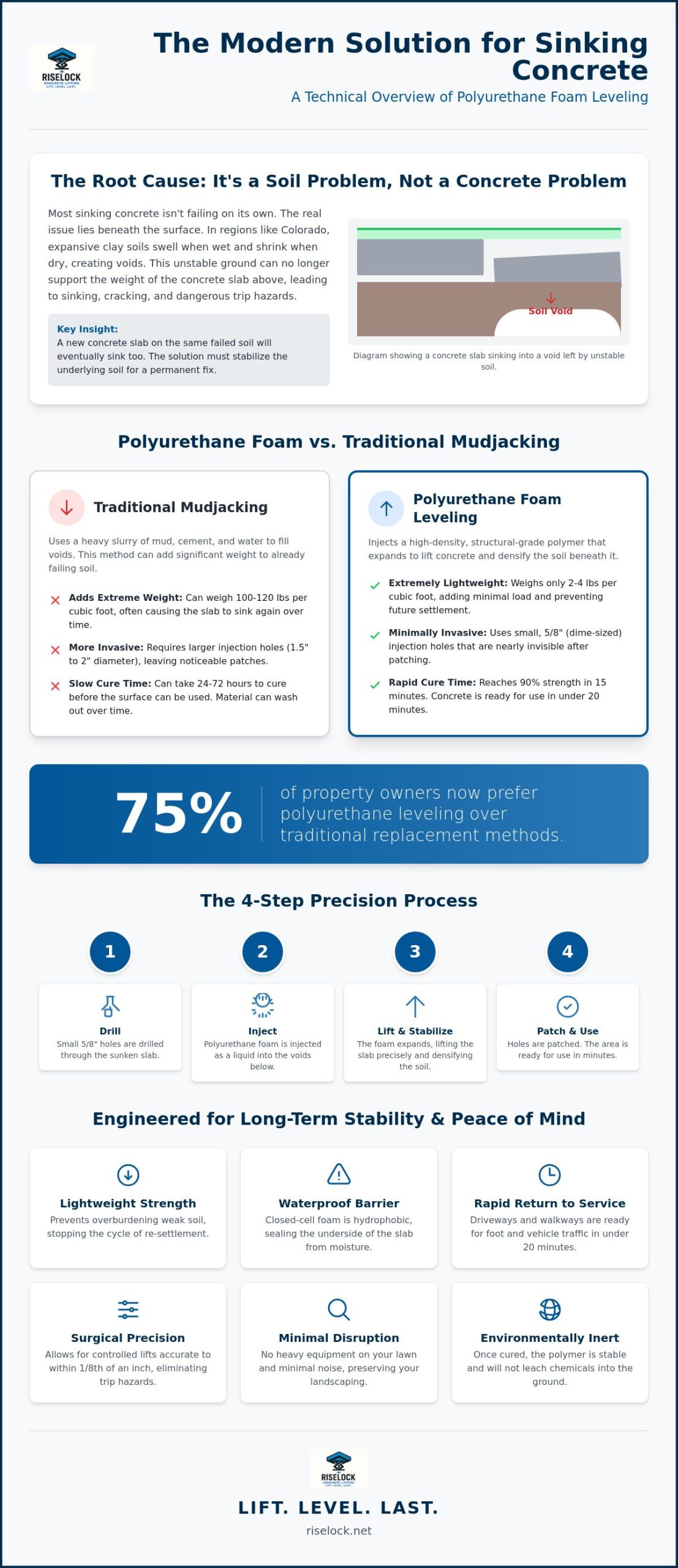
In the Denver Metro and across the Front Range, we frequently manage “Denver Clay” and other expansive soil types. These soils swell significantly when wet and contract during our dry seasons, leaving behind large subterranean voids. Polyurethane foam concrete leveling is particularly effective here because it serves as a hydro-insensitive moisture barrier. It seals the underside of the slab and the top layer of soil, preventing water from reaching the clay and causing further movement. Modern polyjacking is defined as the controlled injection of multi-component geotechnical polymers that meet ASTM D1621 standards for compressive strength and provide 90% structural stabilization within 15 minutes of application. This rapid cure time is essential for Colorado homeowners who need their property restored without the multi-day waiting periods required by traditional concrete replacement.
The Engineering Behind High-Density Polyurethane Injections
The efficacy of polyurethane foam concrete leveling lies in its geotechnical properties, particularly its impressive strength to weight ratio. While traditional methods add thousands of pounds of heavy material to already compromised soil, high-density polyurethane weighs only about 2 to 4 pounds per cubic foot. This lightweight profile is essential for the long-term stability of Colorado’s expansive soils. It avoids the overburdening effect where the weight of the repair itself causes the slab to sink again. Once cured, the material is environmentally inert, resisting microbial decay and chemical leaching into the groundwater.
Durability is a hallmark of this modern intervention. Unlike organic fill or soil-based slurries, the polymer does not wash away during heavy rain cycles or break down over decades of service. It remains a permanent fixture beneath the concrete, providing a stable foundation that is unaffected by the moisture fluctuations common in the Front Range. This reliability allows us to offer a solution that isn’t just a temporary patch but a genuine structural restoration.
Compressive Strength and Load Bearing
Structural-grade foam is engineered to meet rigorous ASTM D1621 standards for compressive strength. For residential driveways, we utilize foams that easily handle standard vehicle loads, while commercial warehouse applications require higher densities to support heavy machinery and constant forklift traffic. At RiseLock, we select specific foam densities tailored to the unique load-bearing requirements of each site. This is particularly vital for post-tensioned slabs. Because the foam expands uniformly, it supports the slab without putting undue stress on the internal cables, maintaining the structural integrity of the entire system. If you’re concerned about the stability of your slab, you can request a technical assessment to determine the appropriate material density for your specific property.
Precision Lifting Mechanics
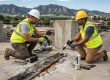
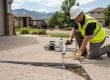
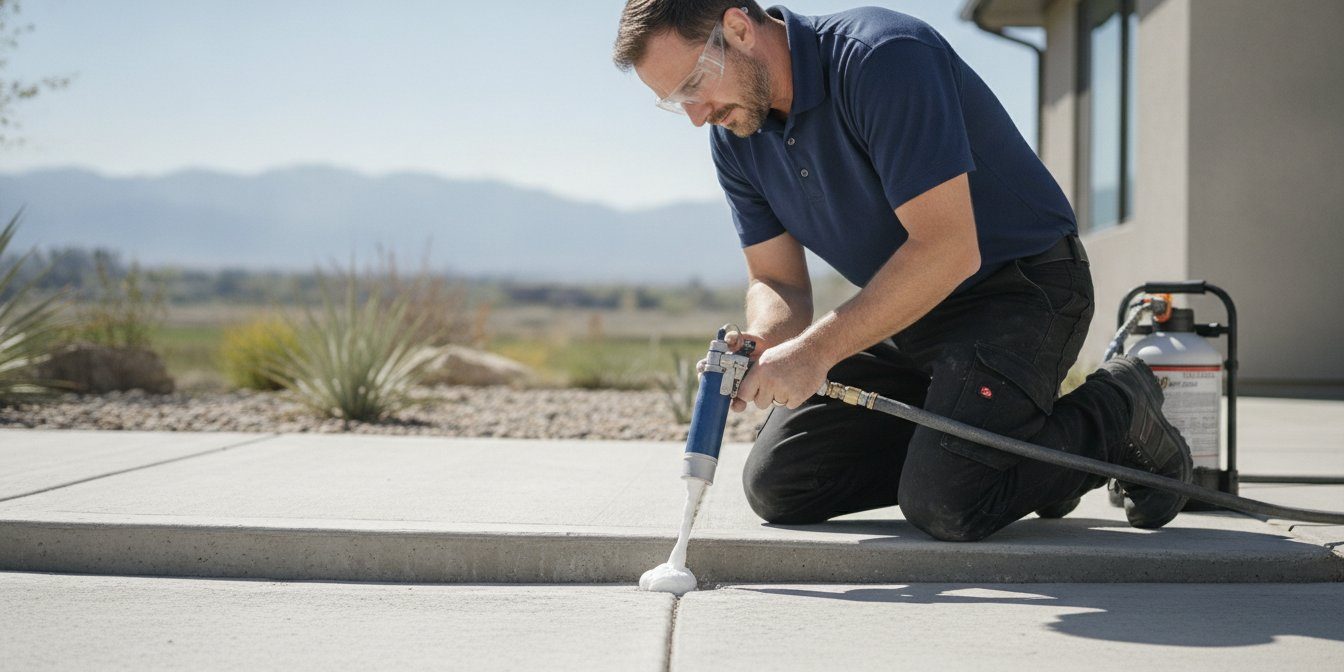
The installation process is a study in controlled force. We begin by drilling small, 5/8 inch holes, which are significantly less invasive than the large ports required for mudjacking. As the technician injects the two-part polymer, they monitor the slab’s movement in real-time. This allows for a lift precision of within 1/8th of an inch.
This level of control is necessary for more than just aesthetics. It’s about restoring the correct pitch and drainage to your property. By accurately leveling the concrete, we ensure that water flows away from the foundation rather than pooling against it. This proactive water management is a key factor in preventing future soil erosion. The material reaches 90% of its full strength within 15 to 20 minutes, which means the surface is ready for immediate traffic. This speed, combined with technical rigor, makes polyurethane the superior choice for modern concrete restoration.
Polyurethane Foam vs. Mudjacking: A Structural Comparison
Choosing between traditional methods and modern polyurethane foam concrete leveling requires an understanding of how each intervention affects the soil’s load-bearing capacity. Traditional mudjacking relies on a slurry of sand, cement, and soil that weighs over 100 pounds per cubic foot. In contrast, high-density geotechnical foam weighs a mere 2 to 4 pounds per cubic foot. This massive disparity in weight is often the deciding factor in whether a repair lasts for decades or fails within a few seasons. By selecting a lightweight polymer, we avoid the common pitfall of overburdening the very soil that has already proven unable to support the weight of the concrete slab.
The technical differences extend to the physical footprint of the repair site. Mudjacking requires large, 2-inch holes to accommodate the thick slurry, which are difficult to patch discreetly. Polyjacking utilizes 5/8-inch injection ports, roughly the size of a penny. These smaller holes are significantly less invasive and allow for an “invisible repair” that preserves the aesthetic value of your property. For those with stamped or decorative concrete, this precision is a vital consideration.
Why Mudjacking Often Fails in Denver
Denver’s expansive clay soils are particularly sensitive to added weight. When a heavy mudjacking slurry is pumped under a sinking slab, it often creates a “heavy load” problem. The sheer mass of the slurry can cause secondary settlement, where the new material actually forces the underlying soil to compress even further. You can learn more about The Critical Disadvantages of Mudjacking to understand why modern slabs require more sophisticated stabilization. Furthermore, mudjacking mixtures are susceptible to erosion. Because the material is dirt-based, subsurface water flow can wash it away over time, leaving the concrete unsupported once again. Polyurethane is hydro-insensitive and remains a permanent, solid structure regardless of water exposure.
Environmental and Aesthetic Advantages
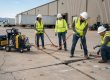
Modern professional polyjacking offers a cleaner, more efficient alternative to the heavy machinery required for traditional repairs. Our delivery systems are compact, meaning we don’t need to park heavy trucks on your lawn or driveway, which prevents secondary damage to your landscaping. The process is also characterized by its speed and environmental safety:
- Immediate Cure Time: While mudjacking requires 24 to 72 hours to cure, polyurethane reaches structural capacity in under 20 minutes.
- Eco-Friendly Formulations: The high-density foams used in 2026 are environmentally inert and do not leach harmful chemicals into the surrounding soil.
- Total Cost of Ownership: While the initial quote for foam might be higher than mudjacking, it’s the more economical choice long-term because it eliminates the need for repeated repairs and eventual slab replacement.
By prioritizing technical mastery over temporary fixes, we provide a solution that addresses the geotechnical reality of your property. The result is a level surface that remains stable, year after year, without the recurring stress of structural failure.
Assessing Your Property: Is Polyurethane the Right Choice?
Determining if your property is a candidate for polyurethane foam concrete leveling requires a technical evaluation of the concrete’s current condition. Most slabs that have settled due to soil consolidation or erosion are prime candidates for restoration. However, when a slab has shattered into “spiderweb” patterns or numerous fragments smaller than a square foot, the structural integrity of the concrete itself is gone, necessitating a full replacement. For slabs that are simply out of alignment or have sunk as a single unit, lifting is the most efficient path to restoring safety and property value.
Safety remains the primary driver for many of our clients across the Front Range. Homeowners associations (HOAs) and insurance providers often mandate the removal of trip hazards to mitigate liability. Addressing these issues early prevents the “pooling” effect where water sits against your foundation, which can lead to much more expensive basement waterproofing needs later. By intervening before the rainy season, you ensure the soil is stabilized before additional moisture can cause further erosion.
Common Signs Your Concrete Needs Leveling
Uneven driveway joints or a visible gap where your garage floor meets the driveway are classic indicators of soil failure. You might also notice stoops or stairs pulling away from the main structure of your home, creating dangerous gaps and allowing pests or water to enter the subgrade. For a detailed look at these indicators, you can review our guide on Residential Concrete Leveling Denver to help identify if your settlement is structural or cosmetic.
The Colorado Climate Factor
Our local geography presents unique challenges that vary by city. In Aurora and Castle Rock, the intense freeze-thaw cycle causes soil to expand and contract rapidly, which often leaves slabs unsupported. In areas like Boulder, where the water table is higher, we utilize hydrophobic foam that is specifically engineered to set in wet environments without losing its structural properties. The ideal temperature window for foam installation occurs when the ambient air is between 40 and 90 degrees Fahrenheit, though our specialized equipment allows for year-round intervention in most Colorado conditions.
Whether you’re managing a high-traffic commercial loading dock or a quiet residential sidewalk, the solution must be tailored to the expected load. High-density polymers provide the necessary support for heavy vehicle traffic while remaining lightweight enough for fragile residential subgrades. If you’ve identified sinking slabs on your property, you should schedule a professional site assessment to secure your foundation before the next seasonal shift begins.
Precision Concrete Restoration: The RiseLock Standard
At RiseLock, we view polyurethane foam concrete leveling as a technical discipline rather than a simple surface repair. Our philosophy centers on the intersection of structural integrity and modern geotechnical technology. We serve the entire Front Range, providing specialized intervention from Thornton down to Colorado Springs. This regional focus allows us to account for the specific geological nuances that differ between the northern metro area and the southern foothills, ensuring each lift is tailored to the local soil profile.
What sets our approach apart is our ability to integrate Post Tension Installation with our leveling services. When dealing with modern slabs that utilize high-tension cables, a standard lift is insufficient. You need a partner who understands how to stabilize the soil without compromising the internal reinforcement of the concrete. This holistic view ensures that the lift is both precise and structurally sound, maintaining the tensioned system’s intended strength.
When you request a professional estimate, you can expect a comprehensive geotechnical evaluation. We don’t just look at the surface cracks; we analyze the drainage patterns and soil conditions that led to the settlement. Our technicians identify the exact injection points required to achieve a level result while maximizing the densification of the subgrade. This methodical preparation is what allows us to achieve the precision our clients expect.
The Expert Difference
Our team operates with the understanding that every project is a structural priority. Being a localized Denver contractor means we’ve seen how the high-alkaline content and expansive clays of the region behave over decades. This expertise is why we focus exclusively on high-density, structural-grade materials that resist the environmental pressures unique to Colorado. If you’re curious about the lifespan of these repairs, you can read our detailed breakdown on How Long Does Polyurethane Concrete Lifting Last? to understand the long-term security we provide for your investment.
Next Steps for Your Property
Preparing your property for our team is a straightforward process. We ask that the work area be cleared of vehicles and debris to allow our technicians full access to the slab. Once the work is complete, you’ll benefit from our commitment to long-term support and warranty coverage. We stand behind our precision and the durability of our materials, providing you with peace of mind that your structural issues are resolved. Request your professional concrete assessment from RiseLock today and take the first step toward a stable, level, and safe property.
Securing Your Property with Technical Precision
Restoring your concrete is about more than just aesthetics; it’s a commitment to the long-term structural health of your home. We’ve explored how polyurethane foam concrete leveling solves the underlying soil issues that cause slabs to sink in Colorado’s expansive clay. By choosing a high-density, lightweight polymer, you’re investing in a solution that resists erosion and prevents the secondary settlement common with heavier, outdated methods.
As a quiet authority in Denver concrete restoration, RiseLock brings technical mastery to every project from Thornton to Colorado Springs. Our specialists focus on high-density structural foams that meet the rigorous demands of the Front Range climate. You don’t have to live with the stress of trip hazards or foundation risks. It’s time to move forward with a partner who views your structural integrity as a personal priority. Get a Professional Quote for Polyurethane Concrete Leveling today to ensure your property remains stable and secure for years to come. We look forward to helping you restore the safety and value of your property with precision and care.
Frequently Asked Questions
Is polyurethane foam concrete leveling permanent?
Polyurethane foam concrete leveling is considered a permanent restoration method because the material is chemically inert and waterproof. Once the high-density polymer cures, it won’t wash away or degrade due to soil moisture or seasonal changes. It provides a stable, long-term foundation that addresses the root cause of settlement by filling subterranean voids. While the foam itself is permanent, we recommend maintaining your concrete joints to prevent new soil erosion from water infiltration.
How much does polyurethane foam concrete leveling cost in Denver?
The cost of a project in the Denver Metro area is determined by the specific volume of material required and the technical complexity of the lift. While initial quotes for polyurethane may be higher than traditional mudjacking, it’s a more economical long-term investment for Colorado homeowners. You avoid the recurring costs of secondary settlement and the high expense of a full concrete tear-out. Most property owners find the value lies in the speed, precision, and durability of the restoration.
Is the foam used in concrete lifting toxic to the soil or groundwater?
The high-density foams used in 2026 are environmentally safe and non-toxic once they have fully cured. The material is inert, which means it doesn’t leach chemicals into the surrounding soil or groundwater. Many professional formulations are even certified for contact with drinking water systems. This makes it a responsible choice for residential landscaping and gardens where maintaining soil health is a priority for the property owner.
Can I drive on my driveway immediately after foam leveling?
You can typically return your driveway to full service within 15 to 30 minutes of the final injection. The polymer reaches 90% of its structural compressive strength almost immediately after the chemical reaction concludes. This is a significant advantage over new concrete, which requires days of curing time before it can support vehicle weight. For busy households, this minimal disruption ensures your daily routine remains largely unaffected by the repair process.
What is the difference between polyjacking and slab jacking?
Polyjacking is a modern form of slab jacking that utilizes lightweight, high-density polymers instead of heavy cement slurries. Traditional slab jacking, often called mudjacking, adds significant weight to the soil, which can lead to further sinking over time. Polyjacking offers a more precise lift with smaller, less invasive injection holes. It’s the preferred method for modern geotechnical restoration because it stabilizes the soil without overburdening the foundation.
Will polyurethane foam work on a cracked or crumbling sidewalk?
Polyurethane is highly effective for lifting large, intact slabs that have shifted or cracked into a few major pieces. However, it isn’t a solution for concrete that is actively crumbling or shattered into many small fragments. If the structural integrity of the concrete surface itself has failed, a full replacement is usually necessary. We assess each sidewalk to ensure the material has enough surface area to provide a successful and stable lift.
How long does the actual leveling process take for a standard driveway?
A standard residential project, such as a two-car driveway or a front walkway, typically takes between one and three hours to complete. Our technicians work efficiently to drill the injection ports, stabilize the subgrade, and perform the final lift. Because there’s no heavy equipment or messy slurry involved, the cleanup is fast. Your property is restored to its original grade and ready for use before our team leaves the site.
Does the foam ever sink or compress over time?
High-density structural foam does not compress or lose its volume over time once it has cured. It is engineered to withstand heavy loads, including vehicle traffic and commercial machinery, without shifting. If a slab sinks again after a professional injection, it’s usually due to new soil erosion in areas that weren’t treated rather than a failure of the foam itself. This is why we prioritize thorough void filling and soil densification during the initial process.