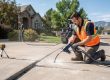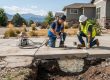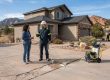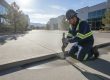
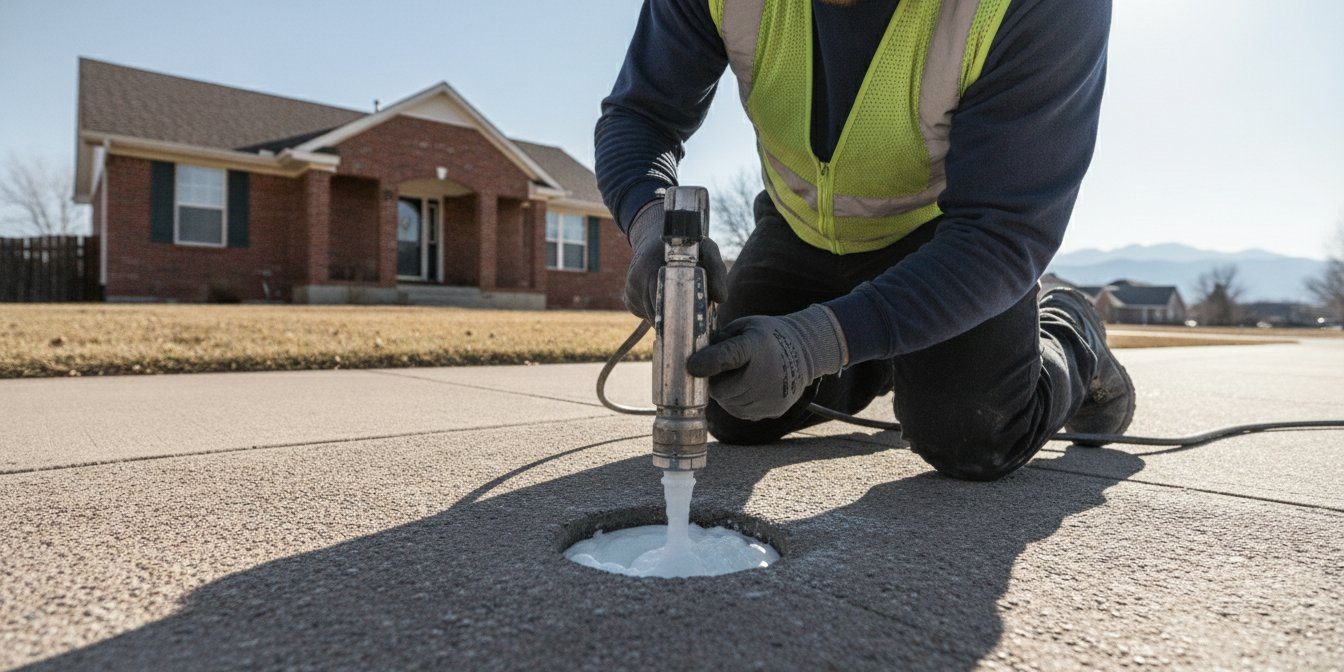
Would you rather pay for a sidewalk repair once, or find yourself back at the same sunken slab after the next Denver freeze-thaw cycle? Most homeowners in the metro area view a shifting walkway as a ticking clock. Between the liability of a trip hazard and the embarrassment of a deteriorating entrance, the pressure to fix the issue is real. It’s common to feel overwhelmed by the choice between messy traditional methods and the high price of a full tear-out. Finding a balance between immediate expenses and long-term reliability is the primary challenge when researching the cost of sidewalk leveling Denver experts provide.
We understand that you’re looking for a permanent solution that respects your property and your budget. You’ll discover the specific factors that influence the price of concrete restoration and why high-density polyurethane foam is the modern standard for durability. We’ll also clarify how this precision approach protects your subgrade without the added weight of outdated materials like mudjacking slurry. This is about more than a quick fix; it’s about structural stability.
This guide provides a clear look at the variables involved in professional concrete restoration in our unique Colorado climate. We’ll explore the ROI of lifting versus replacement and explain how specialized materials ensure your sidewalk remains level for years. By the end, you’ll have the technical insight needed to make an informed decision for your home’s structural integrity and your peace of mind.
Key Takeaways
- Learn how Denver’s bentonite-rich soil and aggressive freeze-thaw cycles create the specific structural challenges that cause sidewalks to heave and sink.
- Discover the “70% Rule” that makes professional concrete leveling a more efficient and affordable alternative to the disruption of a full replacement.
- Identify the primary factors, such as void depth and surface area, that experts evaluate to determine the cost of sidewalk leveling Denver homeowners can expect.
- Understand why high-density polyurethane foam provides a permanent fix by stabilizing the subgrade without adding the excessive weight of outdated mudjacking methods.
- Gain insight into the necessity of an on-site professional assessment to secure a precise quote tailored to your property’s unique structural needs.
Understanding Sidewalk Settlement in the Denver Metro
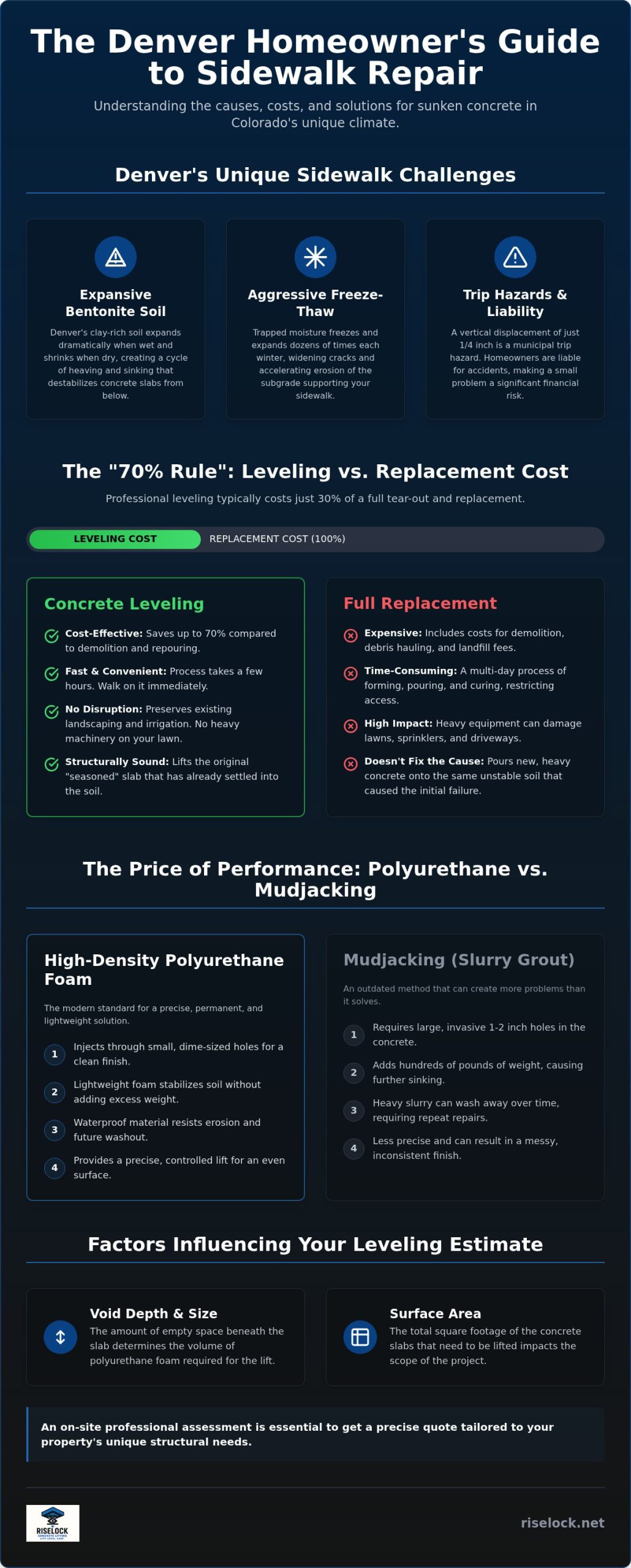
Denver’s geology presents a unique set of challenges for residential and commercial concrete. Much of the Front Range sits atop bentonite-rich soil, a type of clay known for its extreme expansive properties. When these soils absorb moisture during the spring thaw or heavy summer storms, they expand with immense pressure, often pushing concrete slabs upward. Conversely, during our dry autumns and winters, the soil shrinks, leaving structural voids that cause the concrete to sink. This cyclical movement is the primary driver behind the cost of sidewalk leveling Denver homeowners eventually face, as ignoring these shifts leads to cracked or shattered slabs that require full replacement.
The Impact of Colorado’s Arid Climate on Concrete
In our semi-arid environment, moisture management is a constant struggle. While many residents are diligent about watering their foundations to prevent structural settling, sidewalks are often overlooked. During prolonged droughts, the soil beneath these walkways contracts significantly, creating hidden gaps. When rain finally arrives, it infiltrates these voids, eroding the subgrade further. This erosion is particularly aggressive in Denver because our freeze-thaw cycles occur dozens of times each winter. Water trapped beneath the slab freezes and expands, widening existing cracks and destabilizing the surface. This process makes Concrete leveling a necessary maintenance step to prevent the total failure of the walkway.
Liability and Safety: The Real Cost of Doing Nothing
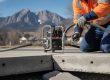
Beyond the aesthetic frustration of an uneven path, there are serious legal and municipal considerations. Most Denver municipalities define a trip hazard as any vertical displacement between 1/4 and 1/2 inch. Once a sidewalk crosses this threshold, the responsibility for repair typically falls on the homeowner or the Homeowners Association (HOA). Waiting to address a small dip often increases the eventual cost of sidewalk leveling Denver residents pay, as the void underneath continues to grow. A single trip-and-fall accident can lead to legal liabilities that far exceed the price of professional restoration. Utilizing modern concrete leveling techniques allows for a precise, permanent fix that restores safety in just a few hours, eliminating the hazard without the mess of demolition.
Concrete Leveling Cost vs. Replacement: The 70% Rule
The decision to replace a sidewalk often stems from a misunderstanding of structural restoration. In the Denver metro, the “70% Rule” serves as a benchmark for property owners: professional leveling typically costs around 30% of the total expense required for a full tear-out and pour. This price gap exists because replacement involves significant overhead that has nothing to do with the finished surface. You aren’t just paying for concrete; you’re paying for demolition labor, debris hauling fees, and the environmental impact of disposing of heavy materials at a local landfill. These logistical layers inflate the budget before the first yard of new concrete even arrives.
Beyond the direct invoice, replacement carries hidden logistical burdens that many homeowners overlook. Heavy machinery required for demolition often leaves ruts in manicured lawns or damages underground irrigation lines. A new pour also requires a multi-day cycle of forming, pouring, and curing, during which the walkway remains a restricted zone. In contrast, a precision repair takes roughly two hours and is ready for foot traffic immediately. When evaluating the total cost of sidewalk leveling Denver residents should factor in this avoidance of property disruption and the preservation of their existing landscaping.
Why Replacement Often Fails in Denver Soils
Pouring new concrete over the same subgrade that failed the previous slab is often a temporary fix. The existing slab has already “seasoned” or settled into the soil over years, reaching a point of relative equilibrium. By lifting the original concrete, we utilize a stable, known quantity. New concrete is significantly heavier and can actually accelerate the Causes of settlement in Denver’s volatile clays. Additionally, replacement creates a “patchwork” aesthetic where the new, bright white section clashes with older, weathered slabs, detracting from the home’s curb appeal.
The “Long-Term Savings” Equation
The true value of restoration is found in the cost per year of service life. High-density polyurethane doesn’t just lift the slab; it compacts the underlying soil and fills the voids that led to the initial drop. This stabilization prevents future movement, effectively resetting the clock on your walkway’s lifespan. Leveling costs are typically a fraction of replacement due to reduced labor and material needs. If you’re ready to secure your property’s value without the mess of a construction zone, exploring modern concrete repair options is the logical next step. It’s a faster, cleaner, and more technically sound way to address structural settlement.
Factors Influencing Your Sidewalk Leveling Estimate
Determining the precise cost of sidewalk leveling Denver projects requires a look beyond the surface of the concrete. Every property presents a unique set of variables that dictate the complexity and material requirements of the job. The primary driver is the number of “flags,” or individual concrete sections, requiring intervention. A single sunken slab near a porch is a different logistical challenge than a long perimeter walkway with multiple trip hazards. Technicians must also account for site accessibility. If the equipment must be routed through narrow side yards or over steep landscaping, the labor time increases accordingly.
Environmental factors like mature tree roots and drainage patterns also impact the final estimate. If a large root system has physically heaved a slab, the concrete cannot simply be lifted; the underlying obstruction must often be addressed to ensure a flush finish. Similarly, if a gutter downspout has been washing out the subgrade for years, the technician must fill a significantly larger area to restore stability. Addressing these root causes during the leveling process is what separates a temporary patch from a permanent structural restoration.
Void Volume and Material Requirements
The amount of high-density polyurethane foam required is a major factor in the project scope. It’s not just about the height of the lift; it’s about the volume of the empty space beneath the concrete. Deep voids require more technical precision during the injection process to ensure the foam expands evenly and compacts the soil. In some cases, you aren’t just paying for the visible lift. You’re paying for subgrade stabilization, where the foam fills hidden pockets to provide a solid foundation that prevents the slab from sinking again in the future.
Structural Considerations: Post-Tension and Reinforcement
Many newer residential developments in the Denver metro utilize post-tensioned slabs for driveways and integrated walkways. These systems contain high-strength steel cables under immense tension. Drilling into these slabs without specialized post tension installation knowledge can lead to catastrophic structural failure and expensive repairs. Identifying these reinforcements is a critical safety step. While working around post-tension systems or heavy rebar reinforcement requires more sophisticated equipment and careful mapping, it ensures the integrity of your property’s foundation remains intact throughout the restoration process.
Polyurethane vs. Mudjacking: The Price of Performance
Choosing the right method is the single most important factor in the long-term cost of sidewalk leveling Denver homeowners experience. Traditional mudjacking relies on a heavy slurry of sand, soil, and cement to force a slab upward. While this method is common, it’s fundamentally flawed for Colorado’s expansive soils. Injecting hundreds of pounds of wet mud beneath a slab that’s already sinking due to poor subgrade support often accelerates the problem. This added weight can cause the slab to re-sink within a few seasons, which effectively doubles your repair expenses over time.
Polyurethane foam offers a technically superior alternative through high-precision control. Technicians can achieve lift increments as small as 1/8th of an inch, ensuring a perfectly flush transition between sidewalk flags. Unlike mudjacking slurry, high-density foam is hydrophobic and chemically stable. It won’t wash away during heavy spring rains or erode over time. This environmental stability ensures that once a void’s filled and the slab’s lifted, the repair remains permanent, protecting your initial investment from the cycle of recurring failure.
Why RiseLock Avoids Traditional Mudjacking
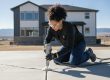
Traditional mudjacking requires drilling large, unsightly holes, often up to two inches in diameter, into your concrete. In contrast, foam concrete lifting utilizes penny-sized injection ports that are easily patched and virtually invisible once cured. The efficiency of this method extends to the timeline as well. While mudjacking requires days of curing before the surface is usable, polyurethane foam reaches 90% compressive strength in approximately 15 minutes. This allows for minimal disruption to your daily routine and immediate restoration of walkway safety without the mess of heavy equipment.
Evaluating the Return on Investment (ROI)
Polyurethane lifting is a high-density resin injection that expands to fill voids and provide permanent structural lift. While the initial investment for foam technology may be slightly higher than a quote for basic mudjacking, the ten-year savings are substantial. You avoid the recurring costs of secondary repairs and the massive expense of eventual slab replacement. A clean, non-invasive repair also preserves your home’s curb appeal and overall market value. To ensure your walkway remains level for the long haul, request a professional evaluation from our structural team today.
Securing an Accurate Sidewalk Leveling Quote in Denver
Obtaining a realistic understanding of the cost of sidewalk leveling Denver residents should expect requires a professional on-site assessment. While digital photos or over-the-phone “ballpark” estimates might seem convenient, they often fail to account for the subsurface complexities specific to Colorado geology. A technician must physically inspect the slab to determine the depth of the void, the presence of root intrusion, and the overall stability of the surrounding subgrade. This methodical approach ensures that the final proposal reflects the actual scope of work rather than a generic guess that leads to unexpected price adjustments later.
When reviewing a professional concrete lifting proposal, look for specific technical details rather than just a bottom-line figure. A comprehensive quote should clearly outline the following components:
- The specific number of injection points required for structural balance.
- The type of high-density polyurethane material being utilized for the project.
- Soil stabilization strategies to address the root cause of the sinking.
- Warranty information regarding the durability of the lift and material.
Don’t hesitate to ask your contractor how they handle the volatile Front Range soils. A reliable partner views your structural issues as a personal priority and will explain how their method prevents the re-sinking common with traditional mudjacking. Technical mastery in this field means understanding that every injection must serve the dual purpose of lifting the slab and compacting the failing subgrade underneath.
The RiseLock Process: From Inspection to Level Surface
RiseLock approaches every project with the precision of a structural expert. We don’t believe in “quick fixes” that merely mask the problem for a single season. Our process begins with a detailed investigation into why the concrete shifted in the first place. By identifying these root causes, we provide a one-and-done solution that restores the integrity of your property. We proudly serve the entire Denver metro area, including Aurora, Centennial, and the surrounding Front Range communities, bringing modern innovation to every residential and commercial sidewalk we restore.
Next Steps for Your Property
To prepare for your consultation, you can measure the vertical displacement of your sidewalk flags with a simple ruler. Identifying any trip hazards over 1/4 inch helps our team prioritize the most critical areas for safety. While polyurethane can be injected in various weather conditions, the best time for concrete repair in Denver is typically when the ground is not fully saturated or deeply frozen. This allows for optimal material expansion and soil compaction. If you’re ready to eliminate liability and restore your walkway’s aesthetic, Request your professional sidewalk evaluation from RiseLock today. We’re here to lead you toward the peace of mind that comes with a safe, level, and permanent structural solution.
Protecting Your Property’s Structural Value
Restoring your walkway is an essential investment in both safety and long-term property value. By choosing high-density polyurethane lifting over the high-cost disruption of replacement, you’re opting for a technically superior solution that stabilizes the subgrade without adding excessive weight to failing soils. Gaining a clear understanding of the cost of sidewalk leveling Denver specialists provide allows you to move away from the stress of trip hazards toward a permanent, level surface that lasts for years. This precision approach effectively resets the lifespan of your concrete while preserving your landscaping and daily routine.
RiseLock is locally owned and operated in the Denver Metro, specializing in high-density polyurethane foam for both residential and commercial structural concrete. Our precision-focused team ensures that every restoration is efficient, clean, and durable enough to withstand Colorado’s volatile climate. Don’t let a sinking slab become a liability or a costly replacement project. It’s time to secure your walkways with a partner who views your structural integrity as a personal priority. Get a Professional Quote for Your Denver Sidewalk Repair and take the first step toward a safer, more attractive property today.
Frequently Asked Questions
How much does sidewalk leveling typically cost in Denver compared to replacement?
Sidewalk leveling generally costs significantly less than a full replacement, often saving homeowners up to 70% of the total expense. While replacement requires demolition, debris hauling, and new material costs, leveling focuses on stabilizing the existing slab. This efficiency reduces labor hours and equipment overhead. When evaluating the cost of sidewalk leveling Denver residents should consider that restoration preserves landscaping and avoids the multi-day curing cycle required for new pours.
How long does polyurethane sidewalk lifting last in Colorado soil?
High-density polyurethane foam is a permanent structural solution designed to withstand the Front Range’s volatile soil conditions. Unlike traditional organic fill materials, this resin is hydrophobic and won’t wash away or erode during heavy rains. It compacts the underlying soil and creates a stable foundation that resists the cyclical movement of Denver’s bentonite clays. When properly installed, the lift typically lasts as long as the concrete slab itself remains structurally sound.
Is sidewalk leveling covered by my homeowners insurance in Denver?
Standard homeowners insurance policies in the Denver metro area rarely cover concrete settlement or maintenance repairs. Insurance typically applies to sudden, accidental damage rather than gradual soil erosion or natural settlement. However, if the sinking is a direct result of a covered peril, such as a sudden water main break on your property, you might find partial coverage. We recommend reviewing your specific policy or speaking with your agent to verify your coverage details.
Can you level a sidewalk that has been cracked into multiple pieces?
Yes, we can often lift and stabilize sidewalks that have fractured into multiple sections. Our technicians inject foam beneath each individual piece to bring the entire surface back into a flush, level alignment. If the concrete is severely crumbled or “spider-webbed” into very small fragments, the structural integrity might be too compromised for a successful lift. A professional on-site evaluation is the best way to determine if your specific flags are candidates for restoration.
What is the difference between polyjacking and mudjacking for sidewalks?
The primary difference lies in the material weight and the precision of the application. Polyjacking uses a lightweight, high-density resin that expands to fill voids without adding significant stress to the subgrade. Mudjacking relies on a heavy slurry of sand and cement that can actually cause further sinking in Denver’s expansive soils. Additionally, polyurethane requires penny-sized injection ports, whereas traditional mudjacking leaves large, unsightly drill holes that are difficult to patch discreetly.
Will the drill holes be visible after the sidewalk is leveled?
We use specialized equipment to drill penny-sized injection ports that are far less invasive than older methods. Once the lifting process is complete, these holes are meticulously patched with a concrete mixture designed to blend with your existing slab. While the patches may be slightly visible initially, they weather over time to match the surrounding surface. This clean, non-invasive approach is one reason why the cost of sidewalk leveling Denver experts provide is considered a premium aesthetic choice.
Do I need a permit for sidewalk leveling in the City of Denver?
Most residential sidewalk leveling projects on private property don’t require a municipal permit in the City of Denver. However, if the work involves a public-facing walkway or falls within a city right-of-way, specific local regulations might apply. Requirements can vary between Denver, Aurora, and Centennial. We suggest checking with your local building department or HOA board before starting work to ensure your project remains compliant with any neighborhood-specific structural guidelines.
How soon can I walk on my sidewalk after the foam injection is complete?
You can typically walk on your sidewalk immediately after our technicians finish the injection and patching process. High-density polyurethane foam reaches 90% of its full compressive strength in approximately 15 minutes. This rapid cure time is a significant advantage over traditional replacement, which requires several days of restricted access while the new concrete cures. Our methodical process ensures that your property’s normal traffic flow is restored with minimal disruption to your daily schedule.