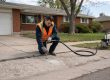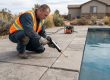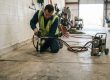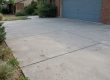

A settled concrete slab doesn’t always mean the finished floor must come out. Foam jacking for interior floors in Aurora uses closed-cell polyurethane injected through penny-sized holes in the slab, and it can be an option when the slab’s condition and access allow. The method also applies to some garage floors, where settlement can leave uneven surfaces and troublesome transitions.
It’s reasonable to wonder how crews reach concrete beneath a finished floor and whether the process works indoors. This guide explains common causes of uneven floors, how injection access works, and what affects whether foam lifting suits an interior or garage slab. You’ll also learn what the repair involves and how to judge whether lifting addresses the problem.
Key Takeaways
- Learn how weak or poorly compacted soil can contribute to slab settlement and why identifying the cause matters before choosing a repair.
- See how crews can access a concrete slab beneath finished flooring while limiting disruption to the surface.
- Understand what to consider when weighing foam lifting against slab replacement or other repair methods.
- Find out which signs of settlement in interior and garage floors may make concrete leveling a practical next step.
What causes uneven floors in a home?
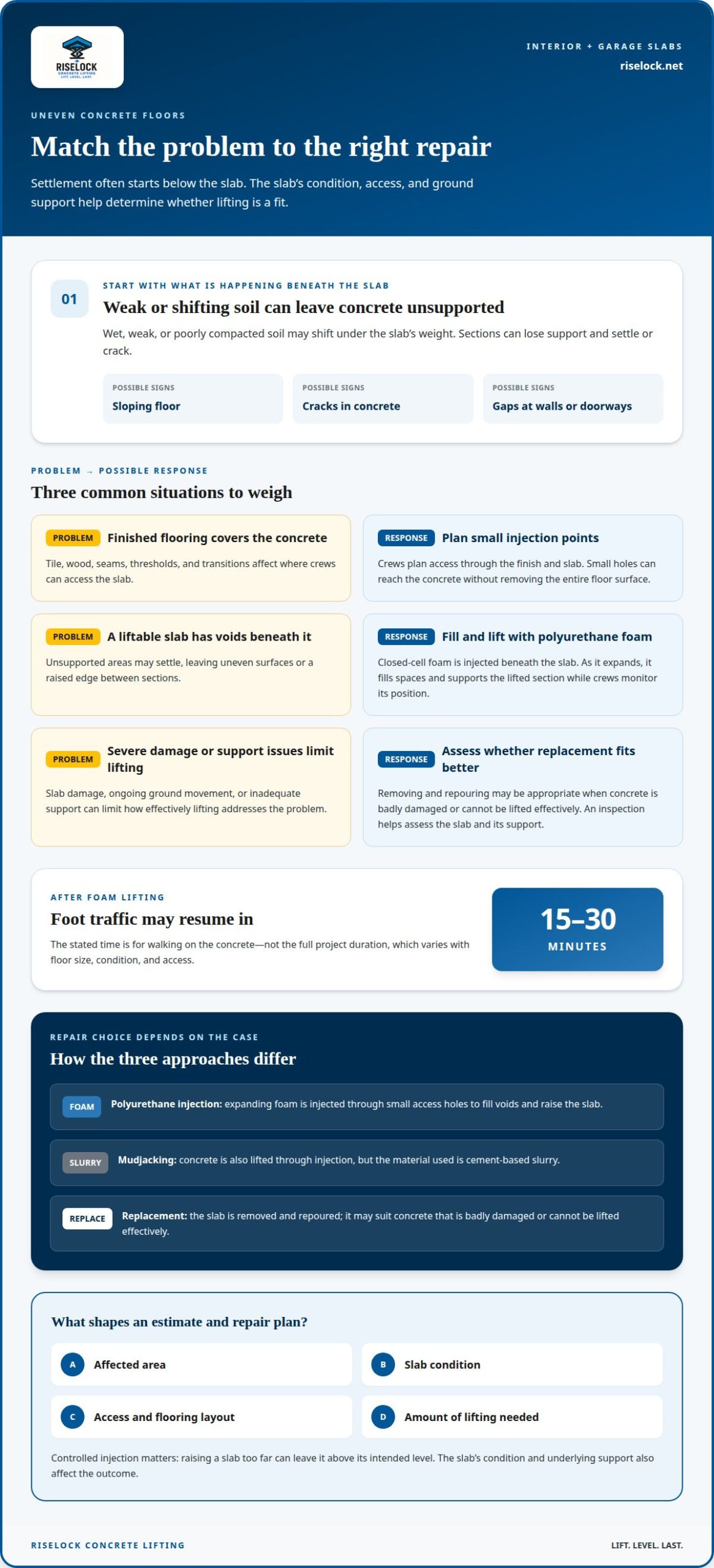
Uneven concrete floors often start with problems below the slab. Wet, weak, or poorly compacted soil can shift under its weight, leaving sections unsupported and allowing the concrete to settle or crack. In Aurora, a homeowner reported a driveway and adjoining sidewalk that had sunk an inch or two. Indoors, settlement may appear as a sloping floor, cracks, or gaps where the slab meets walls and doorways.
Foam lifting, mudjacking, and replacement address settlement in different ways. Foam lifting injects expanding polyurethane through small access holes to fill voids and raise the slab. Mudjacking also lifts concrete through injection, but uses cement-based slurry. Replacement removes and repours the slab, which may be appropriate when concrete is badly damaged or cannot be lifted effectively. The right approach depends on the slab’s condition, access, and whether its underlying support can be stabilized.
For an interior floor, crews inject polyurethane foam beneath the concrete to raise and support settled areas. The same method can level garage slabs, driveways, sidewalks, and patios. A warehouse floor may also need correction if settlement disrupts the surface, though its use and loading affect the repair plan. Each estimate considers the affected area, slab condition, access, and amount of lifting needed.
Permit and building-code review in Aurora depends on the project’s scope, including whether work changes structural elements or involves more than lifting the existing slab. The injection method alone doesn’t determine those requirements. The cost of foam jacking an interior floor depends on the area, access, slab condition, and work needed to lift and stabilize it; the price depends on the case and is given after a quote request. An inspection helps establish whether lifting can correct the settled slab or replacement is more appropriate.
Accessing slabs beneath finished flooring
Access depends on the floor finish, slab layout, and location of the settlement. For indoor work, small injection points let crews reach the concrete without removing the entire floor surface.
Preparing a Home for Indoor Foam Jacking
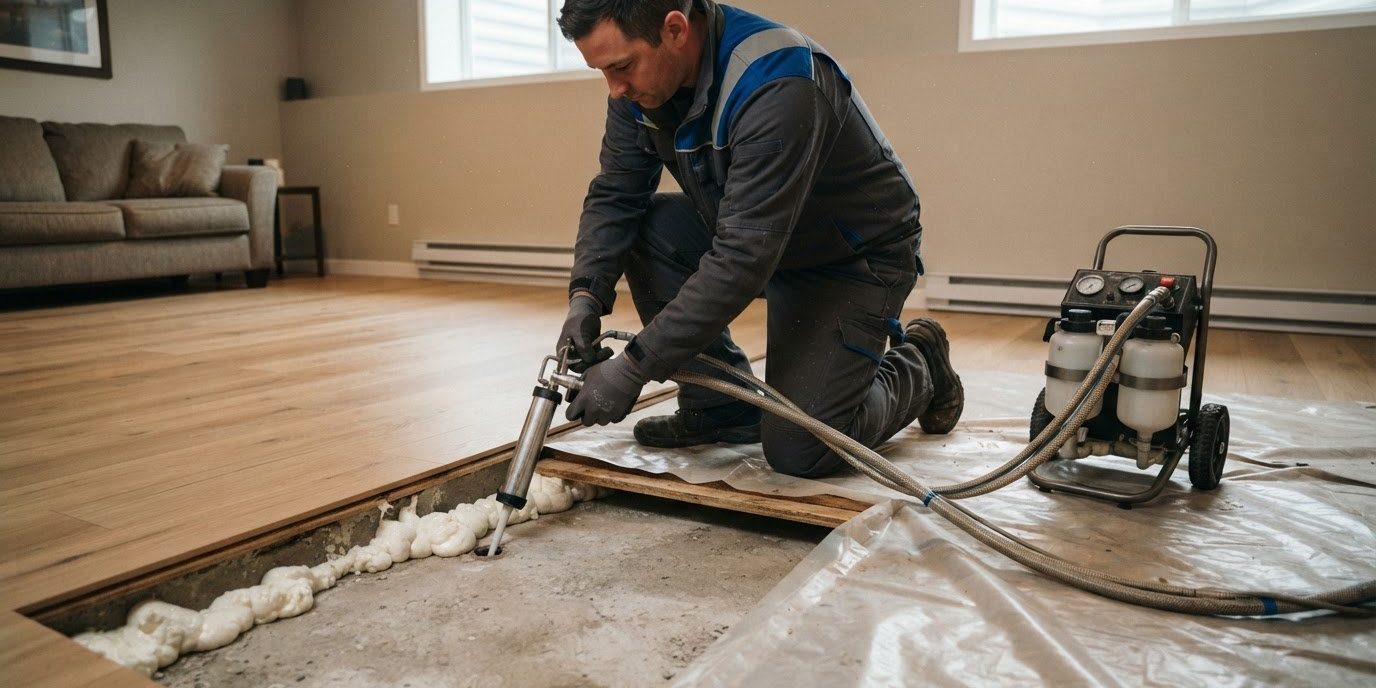
Preparation begins by identifying the settled area and the flooring above it. Crews plan injection points through the finished surface and concrete slab; indoor installations use small holes. Flooring material, seams, thresholds, and transitions help determine where to place access points. Clear access to the work area allows crews to inspect the floor and position equipment. Identifying the affected rooms or sections helps define the work area before lifting begins.
Garage Floors and Residential Slabs
A garage slab is often exposed concrete, making it easier to inspect than a finished living-room floor. Crews can identify the sunken section, locate slab joints, and plan injection points around the affected area. Other residential slabs may sit beneath tile, wood, or another finish, so the flooring layout matters. Concrete lifting can address a settled slab, while the finish and access conditions shape the repair plan. Mudjacking is another injection approach, but it uses a different material from polyurethane foam.
Trip Hazards and Sinking Slabs
A raised edge between settled concrete and a stable section can create a trip hazard. The same problem may occur at an interior doorway, garage entrance, or sidewalk joint. Crews assess the height difference, slab condition, and ground support before choosing injection points. Expanding foam fills voids beneath the concrete and lifts the slab as crews monitor its position. The slab’s response depends on the foam application and the size of the unsupported area. Controlled lifting targets the sunken section without treating the entire floor unnecessarily.
Is Concrete Lifting Foam Safe for Indoor Use?
Indoor foam lifting can suit a settled slab when the concrete is in suitable condition. Polyurethane foam is injected beneath the slab to fill voids and raise the uneven area.
Polyurethane Foam Lifting for Interior Floors
Indoor lifting uses closed-cell polyurethane foam beneath the slab. Small access holes let crews inject the material without removing the entire concrete floor. As the foam expands, it fills spaces below the slab and supports the lifted section. The process is suited to concrete that can be raised, rather than severely damaged slabs that need replacement.
After lifting, concrete can usually be walked on within 15 to 30 minutes. That time refers to foot traffic, not the full project duration, which varies with the floor’s size, condition, and access.
Indoor and Outdoor Lifting
The injection method works indoors and outdoors, but the setting affects how crews plan access. A garage floor is exposed concrete, while a finished room may require careful placement of access points through the flooring. Outdoor work can involve driveways or sidewalks exposed to weather and ground movement. For commercial or industrial floors, the affected area and how the space is used help shape the repair plan.
Foam lifting injects expanding polyurethane, while mudjacking uses cement-based slurry. Replacement removes and repours concrete, making it a different option when lifting cannot address the slab’s condition or damage.
Risks, Limitations, and Warranty Considerations
Foam lifting requires controlled injection because raising the slab too far can leave it above its intended level. Slab damage, ongoing ground movement, or inadequate support can also limit how effectively lifting addresses the problem. In cases where settlement stems from deeper sub-surface movement, specialized structural contractors like foundationresq.com can help evaluate whether broader stabilization is required. These factors matter beneath a living-room floor just as they do beneath a garage slab.
For any repair, review the written terms and the specific work they cover, including the lifted area and circumstances that may affect coverage. A clear record of the repair scope helps distinguish lifting work from unrelated floor or finish issues.
Interior and garage floor leveling
Interior and garage slabs settle differently, but both need a repair plan based on the affected concrete. In Aurora, a homeowner reported a garage floor that had sunk about 2 inches. Another described the back of a garage floor as sunken 2-3.5 inches. These examples show why leveling starts with locating the low area, checking adjoining sections, and understanding how the space is used.
In a home, uneven slab elevation can affect doorways, wall edges, and transitions between rooms. A basement may contain multiple concrete sections, so crews assess each slab and how it meets surrounding surfaces. During foam lifting, laser levels can help verify slab elevation as the material expands beneath the concrete. The goal is controlled raising, not filling every low spot without regard to nearby floors.
A garage floor has different demands. Vehicle access, the garage entrance, and drainage direction all influence which sections need leveling. An Aurora homeowner requested leveling for a garage slab that had sunk several inches. In cases like this, the affected area and its connection to adjacent concrete guide injection placement and the lifting sequence. Consider whether the uneven section disrupts a doorway, vehicle path, or transition.
A lasting result depends on addressing the slab’s support, not just its visible surface. Crews assess the sunken concrete, identify where support is needed, and raise the slab gradually while monitoring its position. Foam lifting is a practical option when the concrete remains suitable for lifting; severely damaged concrete may need a different repair approach. For interior and garage floors, assess the slab, its use, and the extent of settlement together before choosing a leveling method.
RiseLock Concrete Lifting: Foam Concrete Lifting
RiseLock provides foam concrete lifting for settled slabs, including interior and garage floors when the slab’s condition is suitable. The process can raise and support sunken concrete without removing the entire slab. The repair plan accounts for access, settlement, and how the floor is used.
If you’re assessing an uneven interior floor, start by identifying the affected area and how settlement changes the floor’s level. RiseLock also provides polyurethane concrete lifting and concrete leveling to address settled or uneven concrete. If the slab is too damaged to lift effectively, concrete repair may be a more suitable approach.
Share the location and condition of your settled floor with RiseLock Concrete Lifting to discuss the next step.
Plan the Next Step for Your Floor
A floor problem is easier to address when the repair decision starts with the slab, not just the surface. Before choosing a method, consider how the uneven area affects daily use, whether the surrounding concrete remains sound, and what access the finished floor allows. This context helps determine whether lifting is appropriate or another repair approach better suits the slab.
For foam jacking of interior floors in Aurora, RiseLock can assess the concrete and discuss a suitable next step. Its services include polyurethane concrete lifting, post-tension installation, and concrete leveling. The right approach depends on the floor’s condition and the work required.
To discuss a settled interior or garage floor, contact RiseLock Concrete Lifting. A clear conversation about the affected area can help you move toward a considered repair plan.
Frequently Asked Questions
What is the difference between Mudjacking and Polyurethane Concrete Raising?
The main difference is the injected material: mudjacking uses cement-based slurry, while polyurethane concrete lifting uses expanding foam. Knowing the material helps you understand the proposed repair. RiseLock provides polyurethane concrete lifting, not traditional mudjacking. The decision also depends on the slab’s condition and whether lifting can address the underlying support problem.
What is foam jacking for interior floors, and how does it work?
Foam jacking for interior floors in Aurora raises settled concrete by injecting polyurethane beneath the slab. Crews make small access holes and control the injection to lift the affected section. The foam hardens beneath the concrete to create a stable base. This can correct a low area without removing the full slab, provided the concrete is suitable for lifting.
Can polyurethane foam jacking be used on indoor concrete floors in Aurora homes?
Yes, polyurethane foam jacking can be used on indoor concrete floors in Aurora homes. Indoor installations use penny-sized holes in the slab, and lifted concrete can usually be walked on within 15 to 30 minutes. That timeframe describes when foot traffic can resume, not the duration of every repair. The slab’s condition and access through the finished floor help determine whether this method fits.
What causes interior concrete floors to sink or become uneven in Aurora?
Interior concrete floors can sink when the soil beneath them is wet, weak, or poorly compacted. As support shifts or gaps form beneath the slab, sections may settle unevenly or crack. Homeowners may notice a sloping floor, a change at a doorway, or a widening gap near a wall. The pattern and location of these signs help identify which area needs assessment.
How can I find and evaluate foam-jacking contractors serving Aurora, Colorado?
RiseLock provides concrete lifting in Aurora and nearby communities, including Denver, Centennial, Parker, Colorado Springs, Englewood, Littleton, Lakewood, Arvada, Thornton, Wheatridge, Castle Rock, Castle Pines, and Boulder. To assess a project, identify the affected slab, how the uneven area affects its use, and whether the concrete is cracked or settled. These details help clarify the repair need.