The repair method matters as much as the crack you see. Cement-based slurry and polyurethane foam can both lift settled concrete, but they work differently and suit different slab conditions.
Weather, burrowing animals, and changes in soil composition can compromise the ground beneath a Littleton driveway, leading to cracks or uneven sections. To fix a cracked and uneven driveway in Littleton, the first step is to understand whether the slab needs lifting, repair, or both. The visible damage is only part of the assessment.
This guide explains common causes of driveway cracking and settlement, compares concrete-lifting methods, and outlines what can shape an estimate and warranty coverage. You’ll also learn what a professional evaluates before recommending a repair, what information helps make an estimate useful, and how concrete leveling and repair fit into the options. The goal is a clear picture of the process, so you can understand the recommendation and what to expect before work begins.
Key Takeaways
- Learn how to distinguish a surface crack from signs that a driveway slab has shifted and may need leveling.
- Understand how cement-based slurry and polyurethane foam differ, so you can follow why a repair method may suit a particular slab.
- See which project details shape an estimate and what to look for in warranty coverage before work begins.
- Find out how professional concrete leveling and repair can address uneven sections while preserving usable concrete where appropriate.
What Causes Concrete to Settle or Crack in Littleton?
In Littleton, a driveway can crack when the soil beneath the slab shifts or loses support. Weather, burrowing animals, and changes in soil composition can all affect the base. Water moving through or away from the ground can also create voids beneath concrete. Unsupported sections may settle, tilt, or crack under everyday vehicle traffic.
Look at the pattern as well as the damage. A single crack may be limited to the slab surface, while a sunken edge or uneven joint can indicate movement below. One reported Littleton driveway had a trip hazard measuring 1 1/2 inches. That example shows why raised or dropped edges matter: they can disrupt walking and vehicle access.
Littleton and Douglas County requirements depend on the property’s jurisdiction and the proposed work. There is no single permit rule for every repair or replacement. Before changing a driveway’s layout, drainage, or access, determine which local requirements apply to the property and project scope.
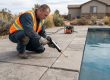
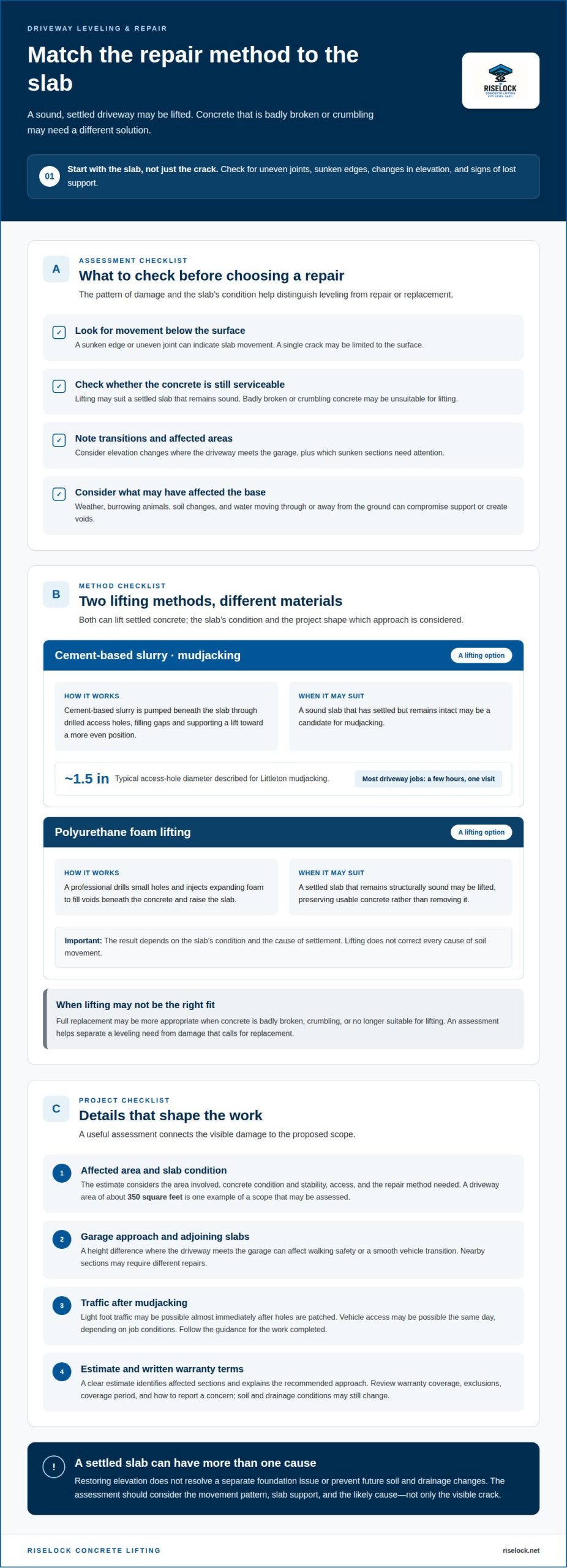
If a settled slab remains structurally sound, polyurethane foam concrete lifting can raise the existing concrete by filling voids beneath it. A professional assesses the slab and its support, then drills small holes and injects expanding foam. This can preserve usable concrete rather than requiring its removal. The result depends on the slab’s condition and the cause of settlement.
Cement-based mudjacking may suit a sound slab that has settled but remains intact. Full replacement may be more appropriate when concrete is badly broken, crumbling, or no longer suitable for lifting. The key question is whether the slab can remain serviceable after its support is restored. An assessment helps distinguish a leveling need from damage that calls for replacement.
A lasting repair addresses movement beneath the concrete, not only the visible crack. The process begins by assessing the slab, its elevation, and signs of lost support. A suitable lifting or repair method can restore more even contact and reduce stress from unsupported areas. Lifting will not correct every cause of soil movement, so drainage and ongoing ground changes can still affect future performance.
Driveway leveling and repair
An assessment considers the slab’s condition, elevation changes, and how the driveway meets the garage. These details help determine whether lifting, repair, or replacement best addresses the problem.
Garage Approach and Driveway Transitions
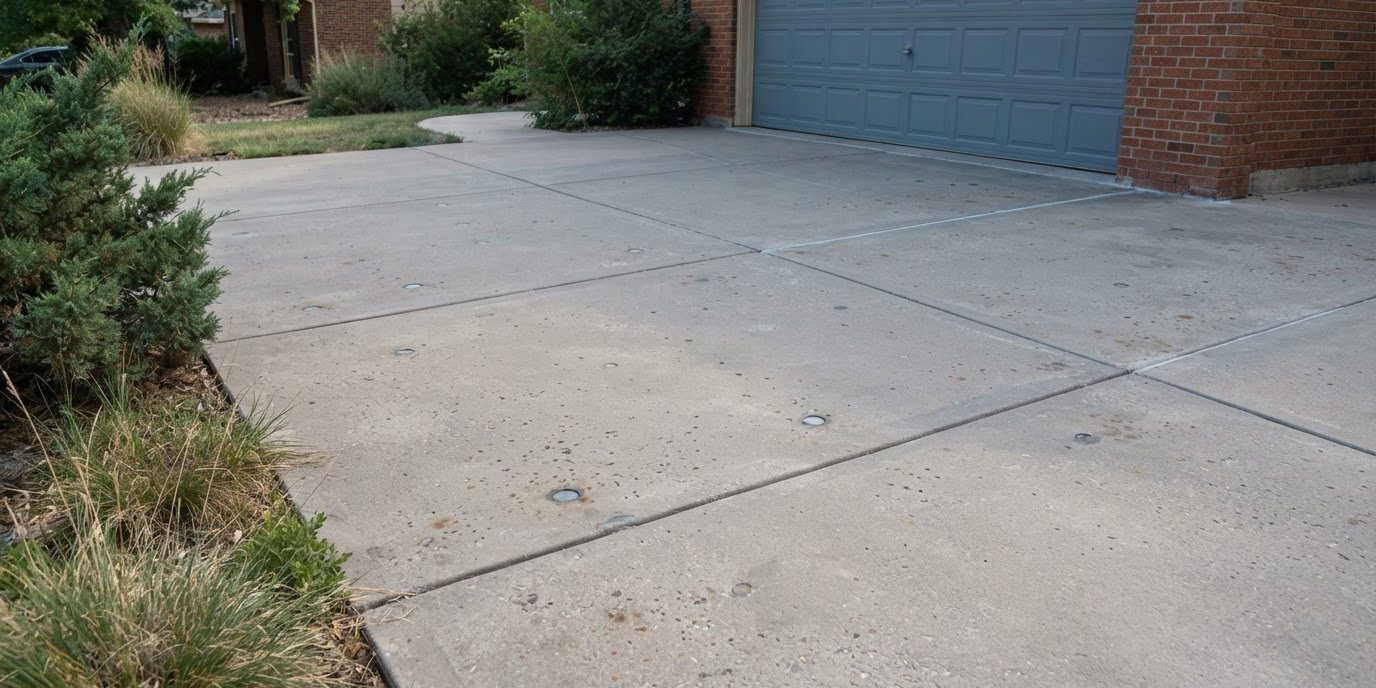
At a garage approach, the contractor evaluates the slab where the driveway meets the garage floor. A height difference there can create a trip hazard or interfere with a smooth vehicle transition. Repair focuses on restoring a usable connection while considering the condition of both surfaces. In a driveway area of about 350 square feet, the assessment also identifies which sunken sections need attention.
Mudjacking Process and Repair Time
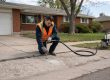
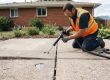
Mudjacking raises settled concrete by pumping cement-based slurry beneath the slab through drilled access holes. In Littleton, those holes are typically around 1.5 inches in diameter. The material fills gaps and supports lifting the concrete toward a more even position. Most driveway mudjacking jobs take a few hours during a single visit. Slab condition and the area requiring repair shape the work involved.
When to Resume Traffic
After mudjacking holes are patched, light foot traffic may be possible almost immediately. Vehicle access may be possible the same day, depending on the job conditions. Follow the guidance for the repair method and work completed, particularly if the garage approach or driveway transition was raised. Keeping traffic off the repaired area until advised helps protect the finished surface.
Driveway settlement can also accompany foundation concerns. If the concrete’s movement appears connected to a possible foundation problem, early assessment can help identify the issue before repairs become more intrusive. The professional considers the pattern and location of settlement, not only the visible crack. A repair that restores driveway elevation won’t resolve a separate foundation cause, so both conditions need appropriate attention. For a sunken slab that remains suitable for lifting, concrete leveling and repair can restore a more even surface.
Free on-site estimates and warranty
A useful estimate connects the visible damage to the proposed work. For a sunken driveway, sidewalk, or walkway, the assessment should consider the slab’s condition, stability, and affected area.
Free On-Site Estimates
An on-site assessment lets a professional examine the concrete instead of relying on a description alone. For example, a driveway may have a settled panel near the garage and a separate crack beside a walkway. These may need different repairs. A clear estimate identifies the affected sections, explains the recommended approach, and distinguishes leveling from concrete repair or replacement.
Useful project details include where the sunken concrete begins, how it meets nearby slabs, and whether the uneven area affects access. Describe when you first noticed the change and point out places where water collects. These observations help guide the assessment, while the recommendation depends on the concrete’s condition and support.
Pricing and Warranty
The price depends on the project and is provided after a quote request. An estimate should account for the affected area, slab condition, access, and required repair method. A small separated section beside a sidewalk differs from a broad driveway area with several uneven panels. Reviewing these factors helps explain how the proposed scope addresses stability.
Warranty coverage is defined by its written terms, including the repair work and conditions it addresses. Review the coverage period, exclusions, and process for reporting a concern. A warranty is not a promise that soil or drainage conditions will never change, and those factors can influence concrete movement after repair.
Compare the estimate’s scope with the surfaces that need attention, such as a driveway transition, sidewalk, or walkway. If the document separates lifting from crack repair, that distinction shows which work is intended to improve alignment and which addresses damaged concrete. A precise scope also clarifies which areas are covered and how the repair is intended to restore stability.
Cement-based slurry compared with polyurethane foam
In Colorado, concrete leveling can use cement-based slurry or polyurethane foam beneath settled slabs. Both methods aim to raise existing concrete, but their materials and placement differ. Start the comparison with the slab: its condition, the size of the voids, and whether it can remain in service.
Cement-based slurry is pumped beneath a slab to fill unsupported areas and lift the concrete. Mudjacking uses this approach for surfaces such as driveways, patios, and walkways. The assessment considers whether the slab can tolerate lifting and whether the proposed repair addresses the settled sections. If concrete is badly fractured or deteriorated, lifting may not restore a serviceable surface, and replacement may be more appropriate.
Polyurethane foam concrete lifting injects foam beneath the slab. The foam expands in place, fills gaps, and raises the concrete. Because its placement differs from slurry, the assessment considers access, slab condition, and the area needing support. A sunken patio panel and a driveway section beside a garage, for example, may need different assessments even though both require leveling.
Neither material suits every Colorado property. The key question is whether the existing concrete is structurally suitable for lifting and whether the material fits the repair plan. Compare slurry and foam based on the slab, access conditions, and desired elevation, rather than assuming one method always lasts longer or works better.
For a sound slab with lost support, lifting can preserve original concrete and avoid replacement. For cracked, crumbling, or extensively damaged concrete, raising it may leave the underlying deterioration unresolved. A professional assessment connects the material choice to the slab’s condition and intended use. To discuss which approach fits your driveway, request an assessment for concrete leveling.
RiseLock Concrete Lifting
RiseLock Concrete Lifting helps Littleton property owners assess cracked, sunken, or uneven concrete and choose an appropriate repair approach. When a driveway slab is suitable for lifting, concrete leveling can restore a more even surface. If the concrete is damaged, concrete repair can address the slab itself.
Polyurethane foam lifting is an option for settled concrete, but the right recommendation depends on the slab and the support beneath it. An assessment can clarify whether lifting, repair, or both best address the driveway’s condition, so you understand the proposed scope before moving forward.
If your driveway has settled or cracked, contact RiseLock Concrete Lifting to discuss concrete lifting or repair.
Plan the Next Step for Your Driveway
Consider how you want the driveway to function after repair. Think about everyday priorities such as a smooth garage entrance, stable parking space, or accessible walkway. These details help shape a practical discussion about the repair scope and the condition of the existing concrete.
If you’re ready to fix a cracked and uneven driveway in Littleton, a focused assessment can turn visible damage into a clear next step. It should connect the proposed work to the slab’s condition and explain what the repair is intended to address. RiseLock Concrete Lifting also provides Post Tension Installation where relevant, alongside concrete services for lifting and leveling.
Share where the driveway has shifted and how the uneven surface affects access. That context can help guide a discussion about the work involved and the approach that fits the concrete. Contact RiseLock Concrete Lifting to discuss your driveway and consider the next step with confidence.
Frequently Asked Questions
What causes driveway cracks and uneven concrete in Littleton, Colorado?
Littleton driveway damage can occur when the soil beneath a slab shifts or no longer supports it evenly. Water movement, changing soil conditions, weather, and burrowing animals can all contribute. Where the damage appears can offer a clue: a crack along a joint differs from a slab edge that has dropped beside the garage. A professional assessment considers the damage pattern and the concrete’s support.
How do you determine whether a cracked driveway needs repair or replacement?
The right approach depends on whether the slab can remain serviceable after repair. A localized crack or settled but intact panel may be suitable for repair or lifting. Widespread crumbling, broken sections, or concrete that cannot be raised without further damage may point toward replacement. To fix a cracked and uneven driveway in Littleton, assess the entire driveway, including connected panels and the garage entrance.
What are the best methods to repair cracked and uneven concrete driveways?
The appropriate method depends on whether the main issue is movement, surface damage, or severe deterioration. Leveling can raise a sound, settled slab, while concrete repair addresses damaged areas that remain serviceable. Polyurethane foam lifting supports and raises sunken concrete. If the slab is too deteriorated to remain in use, replacement may be more suitable than lifting alone.
How much does driveway crack repair cost in Littleton, CO?
The price depends on the project and is provided after a quote request. For a Littleton driveway, relevant factors include the damaged area, slab condition, access, and whether the work involves repair, leveling, or both. A crack in one section may need a different scope from damage across connected panels. A written estimate should explain the proposed work without suggesting that every crack needs the same treatment.
How much does concrete driveway leveling or mudjacking cost in Littleton?
The price depends on the project and is provided after a quote request. For concrete leveling, the area to raise, access beneath the slab, and amount of support needed shape the scope. Mudjacking uses cement-based slurry, while polyurethane foam lifting uses injected foam. Because the methods differ, a useful estimate identifies the proposed approach and the sections it addresses.
Can polyurethane foam lifting fix an uneven driveway, and how does it compare with mudjacking?
Yes. Polyurethane foam lifting can raise and support an uneven driveway when the existing slab is suitable for lifting. To fix a cracked and uneven driveway in Littleton, a professional assesses the slab and recommends a suitable repair. Foam expands beneath the concrete to fill voids and raise the slab, while mudjacking pumps cement-based slurry beneath it. The slab’s condition, access, and repair goals guide the comparison.