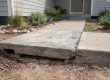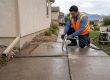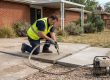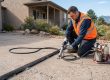
A sunken concrete slab doesn’t always need to be replaced. Poly foam injection for concrete stabilization in Thornton fills voids beneath the slab with expanding polyurethane foam, helping support and lift the concrete toward a more even position. A typical installation takes 1-2 hours, though the work depends on the slab and the conditions beneath it.
Uneven driveways, walkways, and garage floors can create trip hazards and disrupt everyday use, so it makes sense to look for a repair that addresses the space beneath the concrete as well as the surface. This article explains how foam injection works, where it’s commonly used, and how it compares with mudjacking and slab replacement. You’ll also see why soil conditions and the cause of settlement matter when deciding which repair approach fits the problem.
Key Takeaways
- Learn how expanding polyurethane foam fills voids beneath settled concrete and helps restore support and level.
- Recognize where residential and commercial slabs may benefit, from driveways and garage floors to other concrete surfaces.
- Compare foam injection with mudjacking and replacement by weighing disruption, curing, and whether the repair addresses the soil beneath the slab.
- Understand how moisture conditions and load demands affect stabilization, and when RiseLock Concrete Lifting’s polyurethane concrete lifting may fit the repair.
What Is Polyurethane Foam Injection?
Polyurethane foam injection stabilizes settled concrete by filling voids beneath a slab and expanding to support it. In Thornton, small access holes, typically 5/8 inch in diameter, let technicians deliver foam where the ground has lost support.
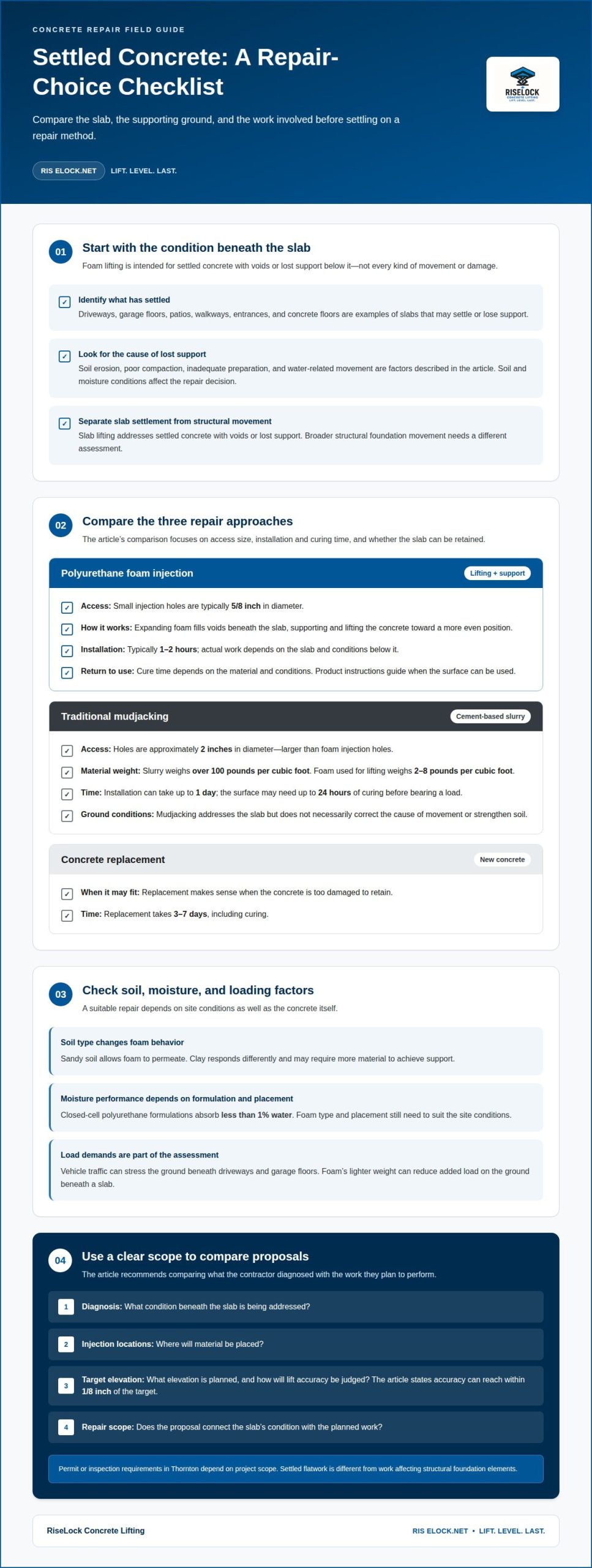
To evaluate quotes, compare the diagnosis, injection locations, target elevation, and stated repair scope. A clear proposal should connect the slab’s condition with the planned work, including how the crew will judge lift accuracy, which can reach within 1/8 inch of the target elevation.
Injection Process and Foam Curing
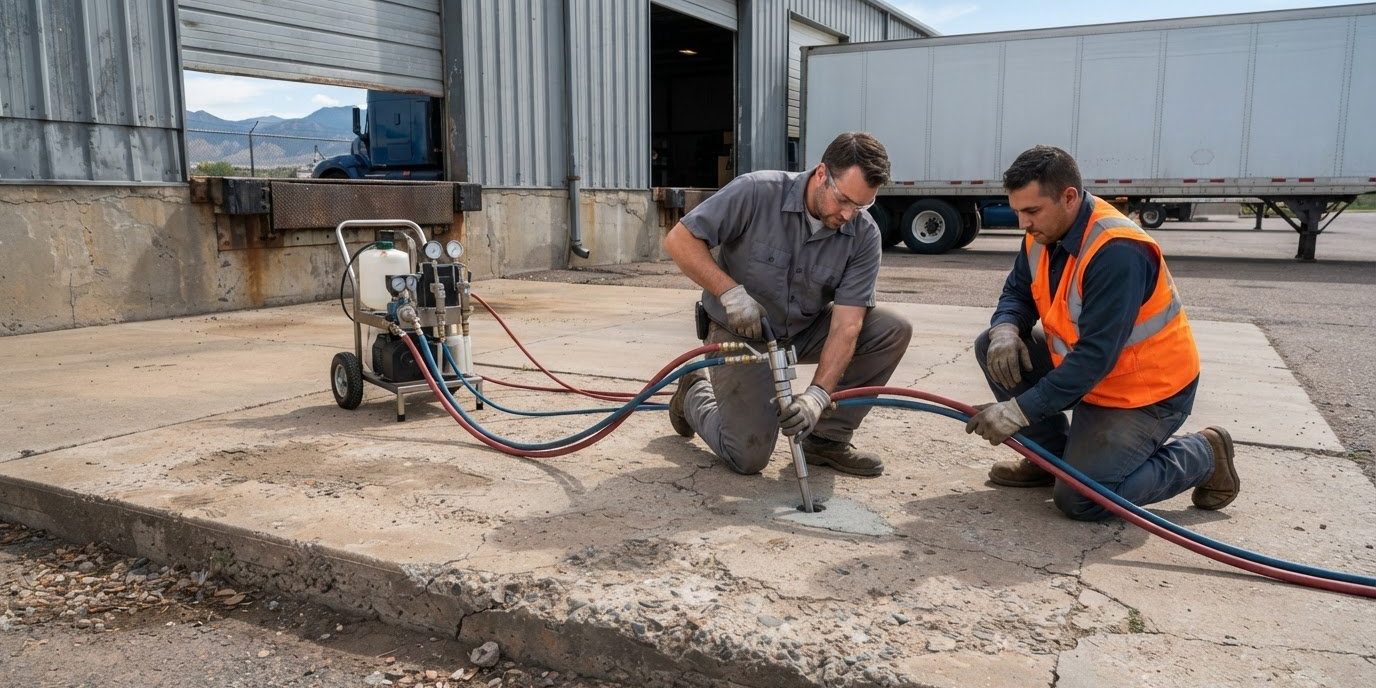
With polyurethane foam injection, technicians drill small holes in the slab and inject specialized foam beneath it. The foam expands to fill voids, lifts the concrete, then hardens into a strong, stable, waterproof base. Controlled placement helps raise the slab toward a more even grade without tearing out the existing concrete.
Installation typically takes 1-2 hours, although conditions beneath the slab shape the work. The foam’s cure time depends on the material and conditions specified for its use, so product instructions guide when the surface can be used.
Foam Composition and Soil Stabilization
Polyurethane foam starts as a liquid and expands into a lightweight solid beneath the concrete. By filling voids, it restores support under settled sections. This makes foam lifting an option when the slab is suitable for lifting and the problem involves lost support below the surface.
Soil type affects how the material behaves. Sandy soil allows foam to permeate, while clay responds differently and may require more material to achieve support. Closed-cell polyurethane formulations absorb less than 1% water, but the foam type and placement still need to suit the site’s conditions.
Foam Injection Compared With Mudjacking
Traditional mudjacking pumps a cement-based slurry beneath settled concrete; polyurethane foam expands in place and weighs less. Foam used for lifting weighs 2 to 8 pounds per cubic foot, compared with mudjacking slurry at over 100 pounds per cubic foot. The lighter material can reduce added load on the ground beneath a slab.
Access also differs: foam injection holes are typically 5/8 inch wide, while mudjacking holes are approximately 2 inches. Mudjacking addresses the slab but doesn’t necessarily correct the underlying cause of movement or strengthen soil. Erosion and poor compaction can still matter, so the repair approach should fit the diagnosed source of settlement.
Commercial and residential applications
For homeowners, polyurethane foam lifting can address settled driveways, garage floors, patios, and walkways. Vehicle traffic can stress the ground beneath driveways and garage floors. When soil erosion or poor compaction leaves a void, the slab may lose support and settle.
Residential concrete around the home
A sinking patio may be linked to inadequate soil preparation or water-related movement beneath the concrete. Foam injection fills voids and supports a slab that remains suitable for lifting. It does not correct every source of soil or moisture movement, so the cause of settlement matters when choosing a repair.
Homeowners should also distinguish a settled slab from structural foundation movement. A reported example involved a home that had settled 3 inches, but that figure describes one case, not a target for lifting. Foundation repair decisions depend on the affected structure and diagnosed movement; slab lifting is intended for settled concrete with voids or loss of support beneath it.
Commercial and construction settings
At commercial properties, uneven entrances, walkways, and concrete floors can interfere with access and routine use. RiseLock’s concrete lifting service can address settled slabs by filling voids and restoring support, without the disruption of demolition and replacement. The condition of the concrete and the cause of settlement help determine whether lifting fits the problem.
In construction settings, polyurethane injection can serve as a targeted repair for an existing concrete slab rather than a replacement project. The work focuses on the void or settled area beneath the surface, so the affected section and its ground conditions guide the treatment. For owners, identifying whether settlement is localized or spans a larger area helps clarify the repair objective.
Across residential and commercial sites, the key distinction is the problem being treated: a slab with diagnosed settlement or voids may be suitable for injection, while broader structural movement calls for a different assessment. This keeps foam stabilization focused on concrete repair, not a blanket solution for every foundation or soil issue.
Comparison with mudjacking and concrete replacement
For a sinking concrete slab, the right method depends on whether the slab can be lifted and whether its supporting ground also needs attention. In Thornton, compare the repair scope, disruption, and underlying cause before choosing foam injection, traditional mudjacking, or replacement.
Permit or inspection requirements in Thornton depend on the project scope. Work on settled flatwork is different from work affecting structural foundation elements, so identify what the repair involves before proceeding.
Polyurethane foam injection uses small access points to fill voids and lift concrete. Mudjacking pumps a cement-based mixture beneath the slab. Typical mudjacking holes are approximately 2 inches in diameter, compared with 5/8-inch foam access holes. The smaller openings can mean less patching at the concrete surface after lifting.
Time and return to use also differ. Mudjacking installation can take up to 1 day, and its surface may need up to 24 hours of curing before bearing a load. Concrete replacement takes 3-7 days, including curing. Foam injection typically takes less time and labor than either approach, but actual cure instructions depend on the material and use conditions.
Replacement makes sense when concrete is too damaged to retain, but installing a new slab alone may not correct movement in the supporting soil. Mudjacking can raise a settled slab, yet it doesn’t necessarily address the cause of sinking. Mudjacking repairs typically last 2 to 5 years before concrete settles again, making soil conditions and moisture relevant to the decision.
A sound slab over a void may be suitable for lifting, while badly deteriorated concrete may need repair or replacement. If weak ground or erosion is still affecting the area, lifting alone may not address the cause. Consider the slab’s condition, support, access, and intended use when choosing the repair.
Moisture resistance and load-bearing capacity
Foam expands beneath the slab, fills voids, and hardens into a supporting base. RiseLock’s polyurethane foam lifting is designed to restore support without tearing out existing concrete.
Moisture Resistance
Polyurethane foam resists moisture, an important property when groundwater collects in voids beneath settled concrete. The foam can fill those spaces and displace collected water, limiting open gaps that leave a slab unsupported. Polyurethane foam is generally described as moisture-resistant, which may help limit moisture exposure around a repaired slab. For a damp patio or driveway, this resistance can help protect the repaired support from moisture exposure.
Foam Density and Strength
Foam density and compressive strength describe distinct performance characteristics. Density is measured in pounds per cubic foot, while compressive strength is measured in PSI. Polyurethane lifting foams have densities from 2.0 to 8.0 pounds per cubic foot and compressive strength from 30 to 200+ PSI, depending on density. For comparison, 4 PCF foam reaches approximately 100 PSI, while 6 PCF formulations reach around 150 PSI. These values help explain why material selection must reflect slab use and expected loads.
Improved Load-Bearing Capacity
Stated load capacity for polyurethane concrete-lifting foam ranges from 5,000 to 14,000 pounds per square foot. As foam expands into voids and hardens, it supports the concrete above and can strengthen soil beneath it. That added support helps a settled surface carry intended use, including pedestrian or vehicle traffic, when the material suits the project. Foundation movement and ongoing soil changes require assessment beyond the slab’s load capacity.
For a settled slab that needs stable support, explore concrete leveling options and the repair approach suited to its condition.
RiseLock Concrete Lifting: Polyurethane Concrete Lifting
RiseLock Concrete Lifting provides polyurethane concrete lifting for settled or uneven slabs where filling voids and restoring support is an appropriate repair approach. It can help homeowners and property managers address sunken driveways, walkways, patios, and other concrete surfaces without defaulting to slab replacement. The right method depends on the concrete’s condition and the cause of settlement; foam injection is intended for slabs with diagnosed voids or settlement, not every foundation or soil problem.
For concrete that needs leveling or repair, start by identifying what has shifted and whether the slab is suitable for lifting. RiseLock provides concrete lifting and concrete repairs, while post-tension installation serves a separate structural purpose. Matching the work to the observed damage helps avoid treating every crack or uneven surface the same way.
To discuss a concrete surface that has settled, contact RiseLock Concrete Lifting.
Choose a Clear Next Step for Your Concrete
The next decision is how the repaired surface needs to perform in daily use. A driveway carrying regular vehicle traffic, for example, has different demands from a lightly used patio. Keeping that purpose in view helps make the repair conversation practical: focus on the slab’s condition, its support, and what you need the surface to do.
If you’re considering poly foam injection for concrete stabilization in Thornton, contact RiseLock Concrete Lifting to discuss the settled or uneven surface. Describe where the slab has shifted and how the problem affects access, so the repair can be matched to the issue.
Explore your concrete repair options with RiseLock and take a considered step toward restoring a surface you can use with confidence.
Frequently Asked Questions
What is poly foam injection for concrete stabilization?
Poly foam injection places expanding polyurethane beneath settled concrete to restore support. It can lift suitable driveways, patios, sidewalks, and garage floors without removing the existing slab. For Thornton property owners, the key question is whether the concrete has lost support or whether broader structural movement needs a different repair.
How does polyurethane foam injection lift and stabilize concrete?
Technicians inject liquid polyurethane through small holes in the slab, then monitor how the expanding material responds beneath the concrete. As it fills a void, the foam can raise the slab and harden into a supporting base. For example, a settled section of driveway can be lifted toward the adjacent concrete, helping restore a more even transition between the surfaces.
What types of concrete slabs can poly foam injection repair?
Poly foam injection can lift suitable settled driveways, sidewalks, patios, and garage floors. RiseLock Concrete Lifting serves Thornton, Denver, Aurora, Centennial, Parker, Colorado Springs, Englewood, Littleton, Lakewood, Arvada, Wheatridge, Castle Rock, Castle Pines, and Boulder. Cracked or badly deteriorated concrete may need concrete repair rather than lifting alone.
What is the typical process and timeline for poly foam injection?
The process involves identifying the settled area, drilling access holes, injecting foam beneath the slab, and controlling the lift as the foam expands. Installation typically takes 1-2 hours. For a homeowner considering poly foam injection for concrete stabilization in Thornton, the affected area must be accessible during the work; cure and surface-use timing depend on the material and conditions.
How does poly foam injection compare with mudjacking and concrete replacement?
Polyurethane injection uses smaller access holes than mudjacking, and the foam is much lighter than cement-based slurry. Replacement takes longer because the new concrete must cure; slab replacement typically takes 3-7 days, including curing. These methods serve different conditions: injection lifts a suitable existing slab, while replacement addresses concrete that cannot be retained. Soil movement can still affect either repair.
How long does polyurethane foam concrete repair last, and what warranties are offered?
Polyurethane foam used for concrete stabilization is described as remaining stable and effective for 10 to 20 years or longer. For poly foam injection for concrete stabilization in Thornton, service life also relates to the slab and conditions beneath it, including soil and moisture movement. RiseLock states, “We guarantee the job is done right.” This is not a specific warranty period or coverage term.