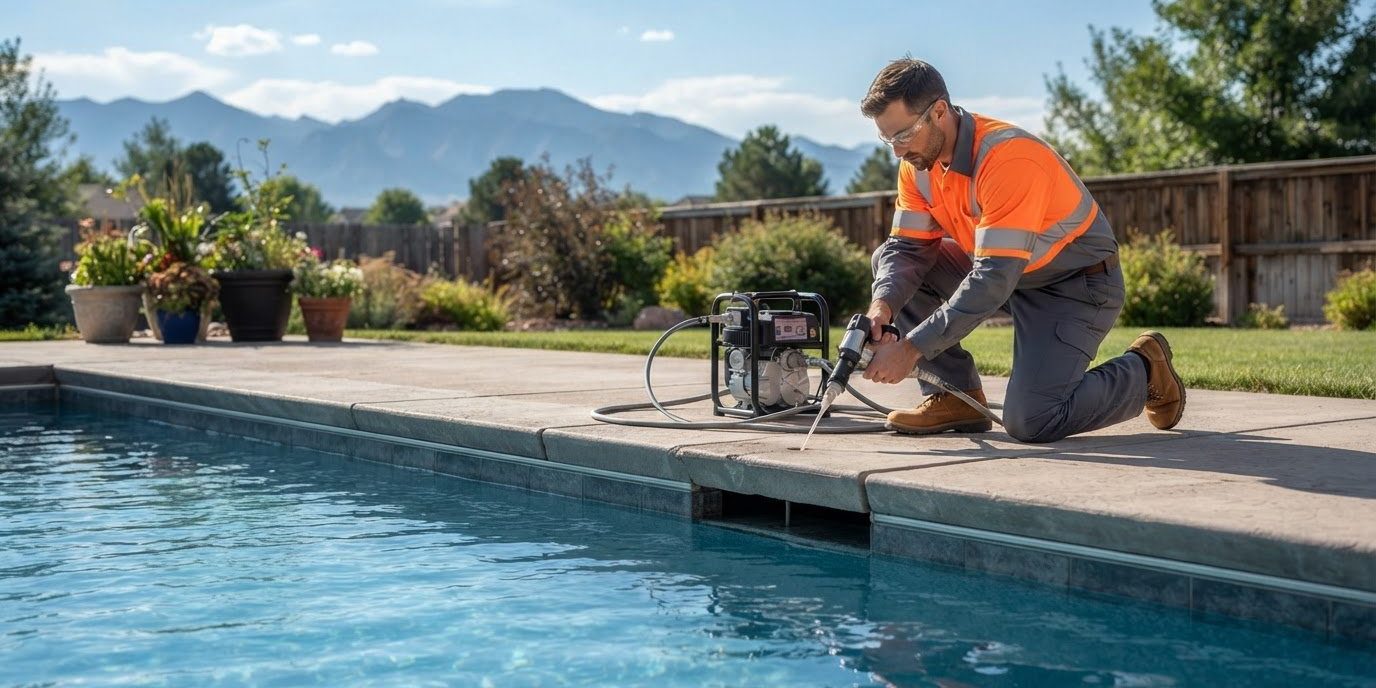
Repairing sunken concrete around a pool in Aurora may involve lifting the existing slab or replacing the damaged section. Pool-deck backfill can be less compact than undisturbed soil, so it may compress under the slab’s weight and cause settlement. Polyurethane foam lifting can raise and support suitable concrete, while replacement removes the settled section and pours a new deck.
A low or uneven pool deck is more than an eyesore: it can affect how you use the space and leave you weighing repair options. The right approach depends on the slab’s condition and the support beneath it, not on which method sounds more extensive. This guide explains why pool decks settle, how foam lifting compares with replacement, and what to consider when restoring an uneven area.
Key Takeaways
- Pool-deck settlement can begin when backfill soil compresses beneath the concrete, so identifying the cause helps guide the repair.
- Polyurethane foam injection can lift and support suitable slabs through a targeted leveling process.
- Compare leveling with replacement by considering the concrete’s condition, the extent of settlement, and the disruption each method involves.
- For a sunken pool deck in Aurora, concrete leveling and polyurethane concrete lifting are options to consider when the slab is a candidate for restoration.
Causes of sinking pool decks
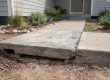
Pool decks often settle where concrete rests on soil placed during pool construction. This backfill may be less dense and less compacted than undisturbed ground. As the slab bears down, the soil can compress, leaving the deck lower than before. Settlement may affect one section while nearby concrete remains stable.
Uneven movement may appear as a sloping surface, a raised edge, or a gap between slabs. For example, a deck section beside the pool coping may sit lower than its neighbor. Cracks and changes in joint lines can also indicate movement. These signs point to areas for inspection, but they do not establish the cause on their own.
Water can contribute to settlement if a plumbing leak or surface drainage carries soil away from beneath the slab. A void below the concrete reduces support, allowing the affected area to sink under its own weight. Look for recurring damp spots, water draining toward the pool, or a depression that changes after wet weather. These clues can help distinguish soil movement from surface wear.
Before planning a repair, note where settlement occurs and how it appears. Compare adjoining slab edges, check whether cracks cross the settled area, and observe where water flows. A single low section may point to localized support loss, while several uneven sections may suggest broader movement. In Aurora, these observations help explain why a pool deck has shifted and which areas need attention.
Lifting concrete near pool plumbing and electrical lines can damage buried utilities if their locations are not considered. Identifying the lines and controlling the lift helps limit interference with pipes, wiring, and connected equipment.
Polyurethane foam injection
Polyurethane foam injection lifts a settled concrete slab by filling space beneath it. If you need to repair sunken concrete around a pool in Aurora, suitability depends on the slab’s condition and the support it needs.
Injecting Foam Beneath the Deck
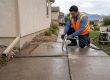
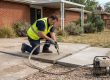
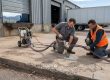
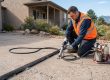
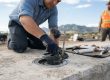
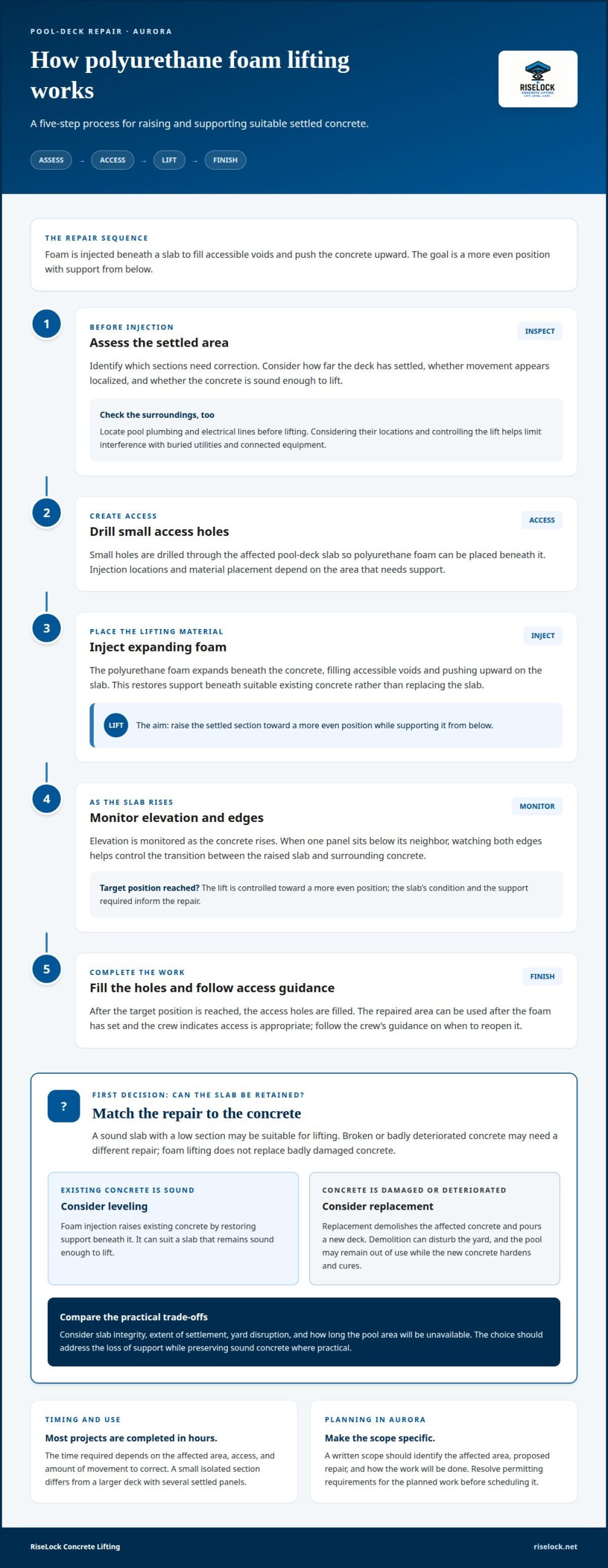
Small access holes are drilled through the affected pool-deck slab, then polyurethane foam is injected beneath it. As the foam expands, it fills accessible voids and pushes upward on the concrete. The aim is to raise the slab toward a more even position while supporting it from below.
Consider the extent of settlement, the slab’s condition, and whether the movement appears localized. A sound slab with a low section may be suitable for lifting; broken or badly deteriorated concrete may need a different repair. Injection locations and material placement depend on the area that requires support.
Pool-Deck Repair Steps
The work starts with inspecting the settled area and identifying the sections that need correction. Next, access holes are drilled, foam is injected beneath the slab, and the elevation is monitored as the concrete rises. Once the target position is reached, the holes are filled.
For example, if one panel sits below its neighbor, the crew can monitor both edges during lifting. This helps control the transition between the raised slab and the surrounding concrete. The practical steps are assessment, access, injection, monitoring, and filling the holes.
Repair Timing and Area Use
The time required for leveling depends on the affected area, access, and the amount of movement to correct. A small, isolated section differs from a larger deck with several settled panels. Most projects are completed in hours.
Before deciding to repair sunken concrete around a pool in Aurora, consider the slab’s condition and how the repair area connects to pool equipment or a frequently used path. The repaired area can be used after the foam has set and the crew indicates access is appropriate. Follow the crew’s guidance on when to reopen the area.
Pool deck replacement compared with leveling
Choosing between leveling and replacement starts with the slab’s condition and the extent of movement. In Aurora, the goal is to address the loss of support while preserving sound concrete where practical.
Replacement involves demolishing the affected concrete and pouring a new deck. Demolition can disturb the yard, and the pool may remain out of use while the new concrete hardens and cures. This approach suits areas where deterioration or damage makes retaining the slab impractical. The decision should consider more than the deck’s uneven appearance.
Leveling raises existing concrete by restoring support beneath it. Polyurethane foam injection can suit a slab that remains sound enough to lift. It avoids removing the whole affected section, but it does not replace badly damaged concrete. The key question is whether the existing slab can be retained effectively.
Slabjacking and polyurethane foam lifting both aim to raise settled concrete, but they use different materials beneath the slab. The choice depends on the repair method, the slab’s condition, and the support needed. Compare the work being proposed, not just the method’s name, and ask how the lift will address the uneven transition between adjoining panels.
When choosing a contractor in Aurora, look for a clear written scope that identifies the affected area, proposed repair, and how the work will be done. Review licensing and insurance documentation for your project records. A useful scope distinguishes lifting a sound slab from replacing damaged concrete rather than treating every low section the same way.
For work in Aurora, account for permitting as part of project planning. Define whether the project involves leveling an existing slab or demolition and replacement, since these require different construction steps. Resolve the permitting requirements for the planned work before scheduling it.
For example, a single settled panel with intact concrete may be suitable for leveling, while a crumbling section may call for replacement. The choice should reflect slab integrity, the extent of settlement, yard disruption, and how long the pool area will be unavailable.
When considering replacement, weigh both effects: demolition may damage the yard, and the pool remains unavailable while the new concrete hardens and cures.
Concrete leveling contractors for sunken pool deck in Aurora, Colorado
A useful assessment starts with the pool deck itself, not a one-size-fits-all repair. The contractor should map low sections, note cracks, and compare adjoining slab edges. For example, one settled panel beside stable concrete presents a different scope from several uneven sections. Clear observations help define the work before equipment or materials are selected.
The slab’s condition matters. Intact concrete may be suitable for lifting, while extensive cracking or crumbling can change the repair plan. A project scope should identify the affected areas, whether the existing concrete can remain, and how the finished surface will meet neighboring panels. This makes the proposed work easier to understand and compare.
Pool-deck features also affect access and planning. Coping, drains, steps, pool plumbing, and electrical lines may be close to the repair area. A careful work plan accounts for these details before drilling or lifting begins. For instance, a low panel beside a drain requires attention to both its elevation and the surrounding concrete.
Documentation helps clarify expectations. A written scope can describe the observed settlement, planned repair method, work area, and how completion will be assessed. Licensing and insurance records are separate considerations; reviewing them helps clarify the contractor’s qualifications and coverage. These details matter in Aurora, where a residential pool deck is part of an occupied outdoor space.
Compare the proposed repair with the actual damage. If a proposal recommends replacing a sound, settled panel, the reasoning should explain why lifting would not suit that slab. If the concrete is badly deteriorated, the plan should explain how the repair addresses that condition. Specific reasoning is more useful than a generic promise of a level surface.
Before work begins, confirm the agreed work area and how pool access will be affected. A defined scope can distinguish the deck section being repaired from nearby concrete that will remain untouched. For help considering a pool-deck repair approach, review pool deck repair options.
Replacing a settled pool deck involves demolishing the affected concrete and pouring a new deck. This can damage the yard and keep the pool out of use until the new concrete hardens and cures.
RiseLock Concrete Lifting: Polyurethane Concrete Lifting
RiseLock Concrete Lifting provides polyurethane concrete lifting for settled slabs that may be suitable for restoration. If your pool deck is uneven but the concrete remains in repairable condition, this approach can restore support beneath the slab without replacing the entire affected area.
To take the next step, describe where the deck has settled and note visible cracks or damaged sections and how the area is used. These details help determine whether concrete leveling or concrete repair better suits the problem. If the slab is severely deteriorated, lifting will not address the concrete damage itself, so the surface condition matters as much as its elevation.
For an informed next step on your pool deck, contact RiseLock Concrete Lifting.
Plan Your Pool Deck’s Next Step
A settled deck is easier to assess when you track how it changes. Note new cracks, shifting edges, or places where water collects, and share those observations when discussing a repair. This adds practical context beyond a single look at the surface.
If you need to repair sunken concrete around a pool in Aurora, match the next step to the slab’s condition and the work required. RiseLock Concrete Lifting provides polyurethane concrete lifting, post-tension installation, and concrete leveling. For a pool deck with settled concrete, discuss whether lifting or leveling suits the area’s needs.
Contact RiseLock Concrete Lifting to discuss your pool deck. A clear assessment can help you move forward with a repair plan that suits your property and restores confidence in the space.
Frequently Asked Questions
What causes concrete to sink around swimming pools?
Concrete sinks when its supporting material shifts, compresses, or washes away. Around a pool, poorly compacted construction fill and soil disturbed by utility work can settle unevenly. Irrigation that repeatedly saturates one area may also weaken its support. Check whether a low spot aligns with a sprinkler head, discharge point, or previously disturbed strip of ground. That pattern may help narrow down the cause.
Can sunken concrete around a pool be repaired without replacing the deck?
Yes, a settled slab may be lifted without replacing the deck if the concrete remains sufficiently intact. A practical assessment considers whether the slab is broken into loose pieces, how its edges meet pool coping and drains, and whether it can be raised without worsening existing damage. For example, an intact panel with a height difference at its joint may be a better lifting candidate than crumbling concrete.