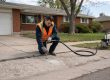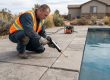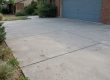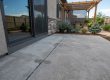
A sinking step is not always a patching problem. Repairing sinking concrete steps in Castle Rock starts with determining whether the steps remain structurally sound and what caused them to move. If the concrete is crumbling, badly damaged, or pulling away, replacement may be the safer, more durable option.
An uneven entrance can make each trip up or down less predictable, and a surface repair may not address the cause of settlement. The right approach depends on the concrete’s condition and the stability of its support, not appearance alone. This guide explains how specialists assess sunken steps, when leveling or repair may suit the problem, and when replacement makes more sense. You’ll also learn which warning signs to watch for, what can affect the work, and how an assessment can help define the next step for your Castle Rock home.
Key Takeaways
- Watch for uneven step heights, movement, and crumbling concrete, which can make an entrance less safe to use.
- An inspection can help identify whether the steps remain sound enough to repair or whether extensive damage points to replacement.
- Learn what a free inspection and estimate can clarify about the repair scope for a Castle Rock property.
- Find out how concrete repair and leveling may address sunken steps when the concrete and supporting conditions are suitable.
Concrete repair safety and trip hazards
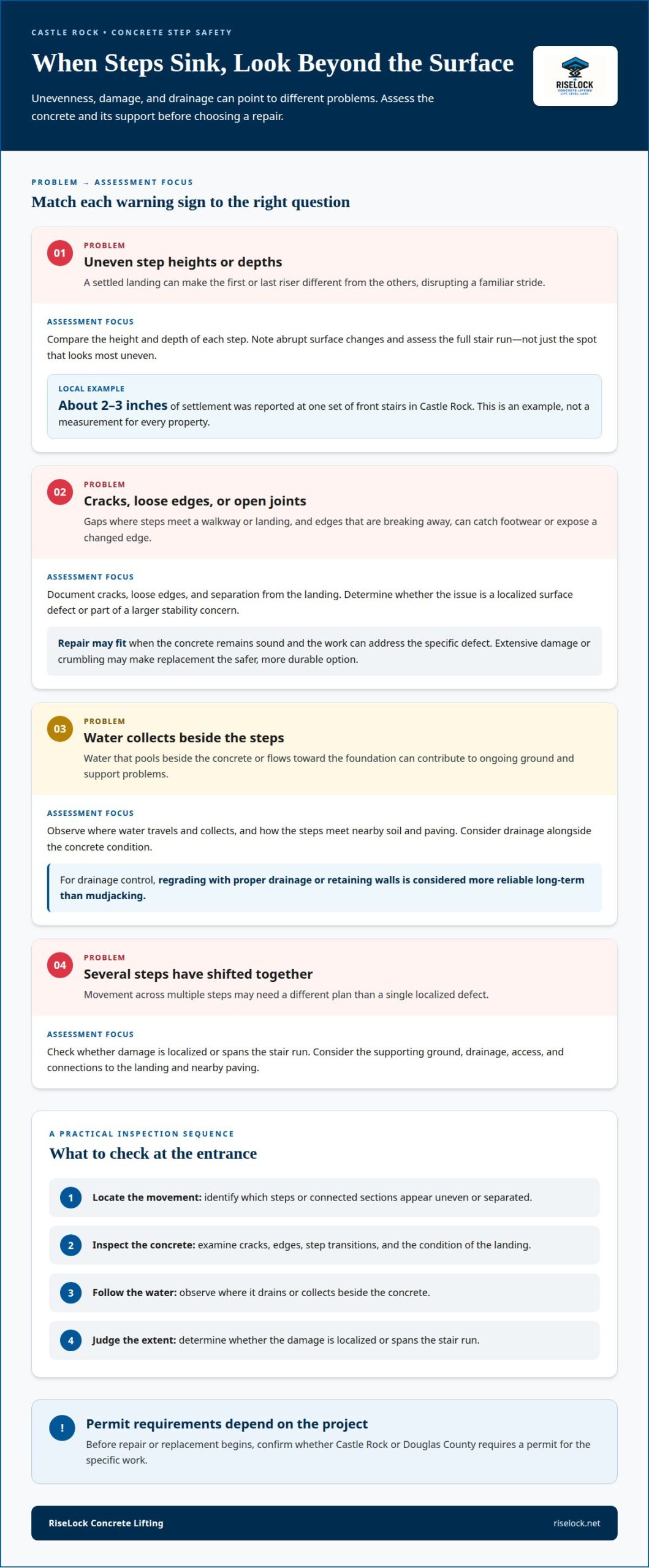
Uneven steps, open joints, and standing water can make a Castle Rock entrance harder to use safely. A safety assessment considers both the walking surface and the conditions around it.
Permit requirements depend on the work and local jurisdiction. Before repair or replacement begins, confirm whether Castle Rock or Douglas County requires a permit for the specific project.
Uneven Concrete Trip Hazards
Compare each step’s height and depth, then note where the surface changes abruptly. A settled landing can leave the first or last riser uneven with the others, disrupting a familiar stride. Cracks, loose edges, and gaps where steps meet a walkway can also catch footwear. In Castle Rock, one reported set of front stairs had settled about 2-3 inches, illustrating why the full stair run needs assessment.
Risks of Unrepaired Sinking Steps
As steps continue to settle, differences between treads and risers can become harder to anticipate. Someone carrying groceries or looking toward the doorway may miss a changed edge and stumble. Crumbling concrete can shed material, while a widening gap between the steps and landing may expose an edge. These conditions don’t mean an injury will occur, but they make routine entry less predictable and warrant timely assessment.
Drainage deserves attention alongside the concrete. Water that collects beside steps or flows toward the foundation can contribute to ongoing ground and support problems. For drainage control, regrading with proper drainage or retaining walls is considered more reliable long-term than mudjacking. A specialist should assess where water travels, whether it pools, and how the steps meet nearby soil and paving before selecting a repair approach.
An assessment can document uneven treads, cracks, movement, drainage patterns, and the connection to the landing. These observations help distinguish a surface defect from a larger stability concern. If the concrete is extensively damaged or crumbling, replacement may be safer and longer-lasting than patching. If the steps remain sound, the repair can focus on correcting the specific defect and addressing contributing conditions.
Free concrete repair inspections and estimates
When comparing concrete step repair contractors, look for an assessment that distinguishes surface damage from settlement and explains why the proposed work suits the steps. In Castle Rock, that distinction matters when a stair section has moved but remains intact. RiseLock Concrete Lifting assesses settled or damaged concrete and explains the recommended scope before work begins.
A free inspection and estimate can document the visible concerns, such as cracks, uneven joints, or separation from a landing. The specialist also considers access, the extent of the affected concrete, and whether drainage may contribute to movement. These details shape the recommended scope. For example, a localized defect calls for a different plan than several steps that have shifted together.
Concrete repair pricing depends on the case and is provided after a quote request. The estimate can reflect the repair area, concrete condition, access, and work needed to address the cause. Review the stated scope alongside the proposed method, so the estimate describes what the work addresses rather than only the visible surface. Warranty coverage is a separate term; its written conditions should identify the work covered and any limits.
To prepare for an estimate, note which steps feel uneven and where water collects after rain. Share whether the movement appears limited to one area or affects the whole stair run. Those observations help focus the inspection, while the specialist’s assessment determines the repair details. A free concrete repair inspection can clarify the condition, proposed scope, and next steps for your Castle Rock entrance.
Castle Rock service area
For Castle Rock homeowners, assessment starts at the property. A specialist needs to see how the steps meet the landing, walkway, and surrounding ground. That view helps distinguish a local surface issue from movement affecting connected concrete. The repair plan should reflect the site conditions rather than assume every Castle Rock entrance needs the same work.
Reported local projects illustrate how settlement can vary across concrete surfaces. One Castle Rock walkway request described areas needing a lift of 1-2 inches; the walkway had been poured about 6-8 years earlier. Those details show why age alone cannot establish the cause or repair scope. The specialist considers the affected area, how it connects to adjacent slabs, and whether the concrete remains sound.
At a Castle Rock property, an assessment can follow a practical sequence:
- Identify which steps or connected sections appear uneven or separated.
- Examine cracks, edges, and the condition of the landing.
- Observe where water drains or collects beside the concrete.
- Determine whether the damage is localized or spans the stair run.
Nearby features matter, too. A front stairway may connect to a walkway, patio, or driveway, and movement in one section can affect how the surfaces meet. A Castle Rock homeowner report described an outdoor patio corner sunk approximately 2-3 inches. That example is not a measurement for every property; it shows why assessment should consider transitions between concrete areas.
For a Castle Rock home, clear project details help define the work: which entrance is affected, what sections have shifted, and whether water pools nearby. The inspection can then focus on the actual stair configuration and surrounding conditions. A local evaluation is especially useful when steps connect to a walkway or landing, because the repair needs to account for those meeting points as well as the visible stair surface.
Repairing sunken concrete steps
Repairing sinking concrete steps in Castle Rock starts with determining whether the stairs remain sound and why they moved. An assessment considers the concrete, supporting ground, drainage, and connection to the landing.
Concrete Step Leveling
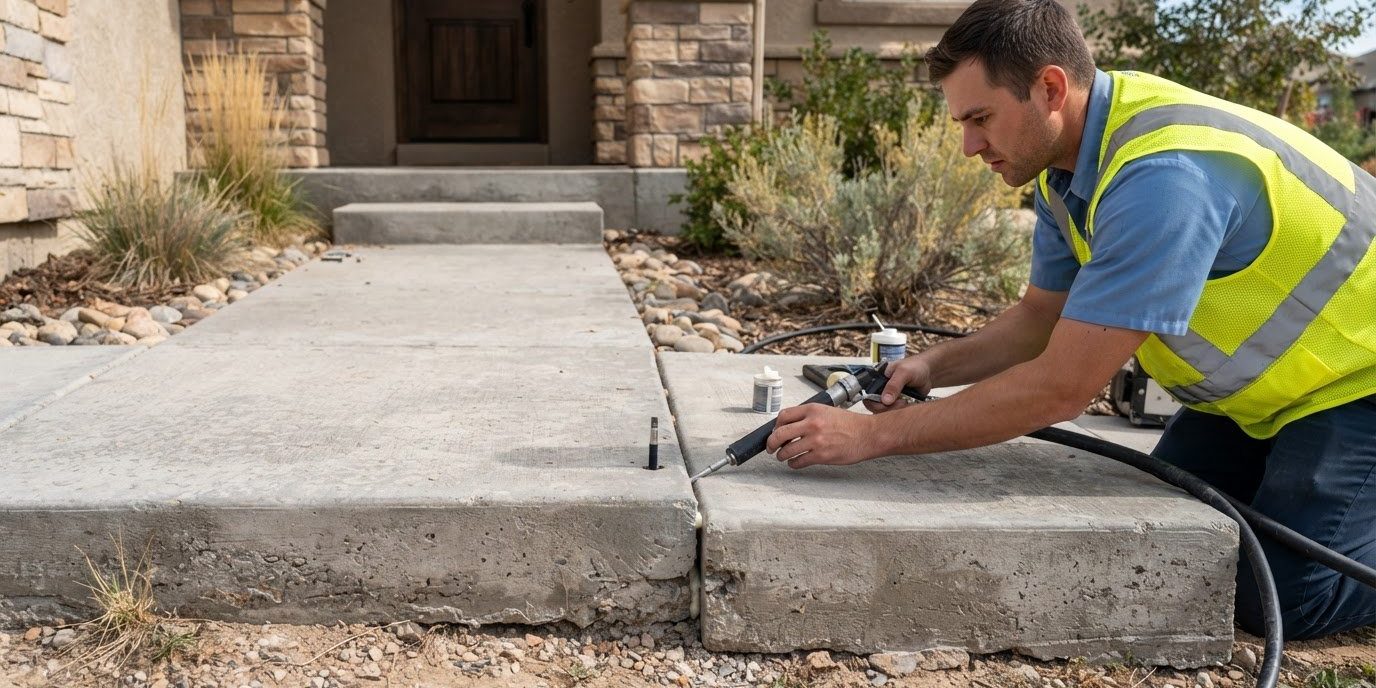
Leveling may suit steps that have settled while remaining intact. The specialist evaluates how far the section has moved, whether adjacent concrete has shifted, and whether the underlying support can be addressed. The aim is to correct the uneven transition without treating damaged stairs as sound. If the concrete is extensively crumbling or pulling away, replacement may be the safer, longer-lasting solution.
A surface patch can improve the appearance of a crack, but it doesn’t correct movement beneath the steps. A plan to repair sinking concrete steps in Castle Rock should match the cause and condition. Localized damage may call for focused repair, while broader settlement requires attention to support and connected surfaces. Drainage matters too, because water directed toward the steps can contribute to recurring ground movement.
Repair Timing and Step Use
There isn’t one reliable timeline for every leveling project. Work duration and when the steps can be used again depend on the method, affected area, site access, and concrete condition. A small, accessible section differs from stairs with multiple shifted sections or damaged adjoining concrete. The project assessment should explain the expected work sequence and when the repaired steps are ready for use.
Extensive damage changes the decision. Severely damaged or crumbling stairs may be safer to replace. Steps that have sunk significantly or are pulling away may also need replacement rather than patching. A specialist can assess the structure, settlement, and drainage before recommending an approach. When deciding how to repair sinking concrete steps in Castle Rock, let the stairs’ condition guide the choice, not appearance alone.
Request an assessment that addresses the cause, repair scope, and expected return-to-use timing. Request a concrete step repair assessment to discuss the conditions at your Castle Rock property.
RiseLock Concrete Lifting: Concrete Repair
RiseLock Concrete Lifting provides concrete repair and concrete leveling for homeowners addressing settled or damaged steps. An assessment helps determine whether the concrete is suitable for repair or leveling, or whether extensive damage makes replacement the more appropriate direction.
For sunken steps that remain suitable for repair, Polyurethane Concrete Lifting may address settlement by stabilizing and lifting concrete. The recommended approach depends on the steps, their support, and surrounding conditions. Clear findings help connect the visible problem with a practical scope of work.
If your Castle Rock steps are uneven or sinking, contact RiseLock Concrete Lifting to discuss the next step.
Choose a Clear Next Step for Your Castle Rock Home
If you’re ready to repair sinking concrete steps in Castle Rock, the next move is to turn your observations into a clear plan. Note how the steps feel underfoot, where the concrete has shifted, and whether the entrance has changed over time. Contact RiseLock to discuss the property and arrange an assessment.
Choose a solution that addresses the condition of the stairs, not just their appearance. A careful assessment can clarify the options and help you make an informed decision. Taking action also helps you plan around the entrance and address changes before they become easier to overlook.
Contact RiseLock Concrete Lifting to discuss your concrete steps and the next practical step for your home. A clear conversation is a sound place to begin.
Frequently Asked Questions
Sinking Concrete in Castle Rock?
Sunken concrete steps in Castle Rock can be assessed for repair or leveling based on their condition and support. RiseLock also provides concrete services in Denver, Aurora, Centennial, Parker, Colorado Springs, Englewood, Littleton, Lakewood, Arvada, Thornton, Wheatridge, Castle Pines, and Boulder. If your steps connect to a walkway, describe which surfaces have shifted so the assessment can consider how they meet.
What causes concrete steps to sink in Castle Rock, Colorado?
Steps sink when the ground or support beneath them no longer holds the concrete evenly. Water movement and drainage conditions can contribute to changes in supporting soil, while gaps beneath a slab can leave sections unsupported. The cause varies by property. If a stair landing and nearby walkway have moved differently, for example, their separate support conditions may help explain the uneven transition.
How much does it cost to repair or raise sinking concrete steps in Castle Rock?
The price depends on the case and is provided after a quote request. An estimate reflects factors such as the affected area, concrete condition, access, and work needed to address settlement. A short section with localized movement may require a different scope from stairs with extensive damage or connected surfaces that have also shifted. An assessment helps define the work involved.
What is the average cost per step for concrete step leveling in Castle Rock?
There isn’t a reliable per-step average for every Castle Rock project. The price depends on the case and is provided after a quote request. Step count alone doesn’t describe the work: the affected area, degree of settlement, concrete condition, and access all shape the scope. An estimate based on the actual stair configuration is more useful than a generic rate per step.
Is polyurethane foam injection or mudjacking better for sinking concrete steps?
The suitable method depends on the steps’ condition, the space beneath them, and the repair objective. Polyurethane foam lifting uses small drilled holes. The expanding foam fills voids, lifts the concrete, then hardens into a stable base. RiseLock provides this method for concrete lifting and leveling. Mudjacking is a different approach; the key is choosing a method that suits the existing concrete and addresses its movement.
Can sinking concrete steps be repaired, or do they need replacement?
Steps may be repairable if the concrete remains sound, while extensive damage or crumbling can make replacement the safer, longer-lasting option. An assessment considers the concrete’s condition, any separation, and how the stair section connects to its landing. Minor cracks alone don’t necessarily mean replacement is needed. The key question is whether the steps can be stabilized and restored without leaving damaged concrete in service.