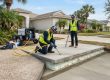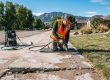
A loading dock slab can often be leveled with minimal disruption to facility operations. Most concrete leveling projects are completed in hours, and a structurally sound slab may be lifted instead of removed and replaced. For loading dock slab leveling in Lakewood, the key is to assess what caused the dock or ramp to settle and whether the concrete can still handle its working loads.
An uneven ramp can disrupt the transition between the yard and dock, while settlement may also point to drainage issues or voids beneath the slab. Keeping deliveries and daily work moving is a practical concern, so this guide explains common causes of settlement, how to compare lifting with replacement, and what damage may need attention before work begins. It also covers how concrete leveling works and how to plan around facility operations, helping you choose a practical next step.
Key Takeaways
- Settlement can stem from soil compression, poor compaction, water erosion, drainage issues, moisture changes, or voids beneath the slab. Identifying the cause helps guide a durable repair.
- A structurally sound dock slab may be a candidate for lifting, while severe fractures, deterioration, or inability to support its loads may point toward replacement.
- Concrete leveling projects are often completed in hours with minimal disruption, but facility access and connected equipment affect how work is planned.
- Uneven ramps need careful assessment of their slope, drainage, and transitions so the repair addresses both the settled concrete and its effect on dock operations.
- Learn how polyurethane concrete lifting and concrete repair can address qualifying slabs, and what conditions shape the right approach for your facility.
Causes of loading dock and ramp settlement
Include permits, building codes, and commercial loading dock requirements in project planning if work affects structural elements, drainage, equipment interfaces, or travel paths. Consider these requirements alongside the slab’s condition and the dock’s operating demands. The project scope and site conditions determine which requirements apply.
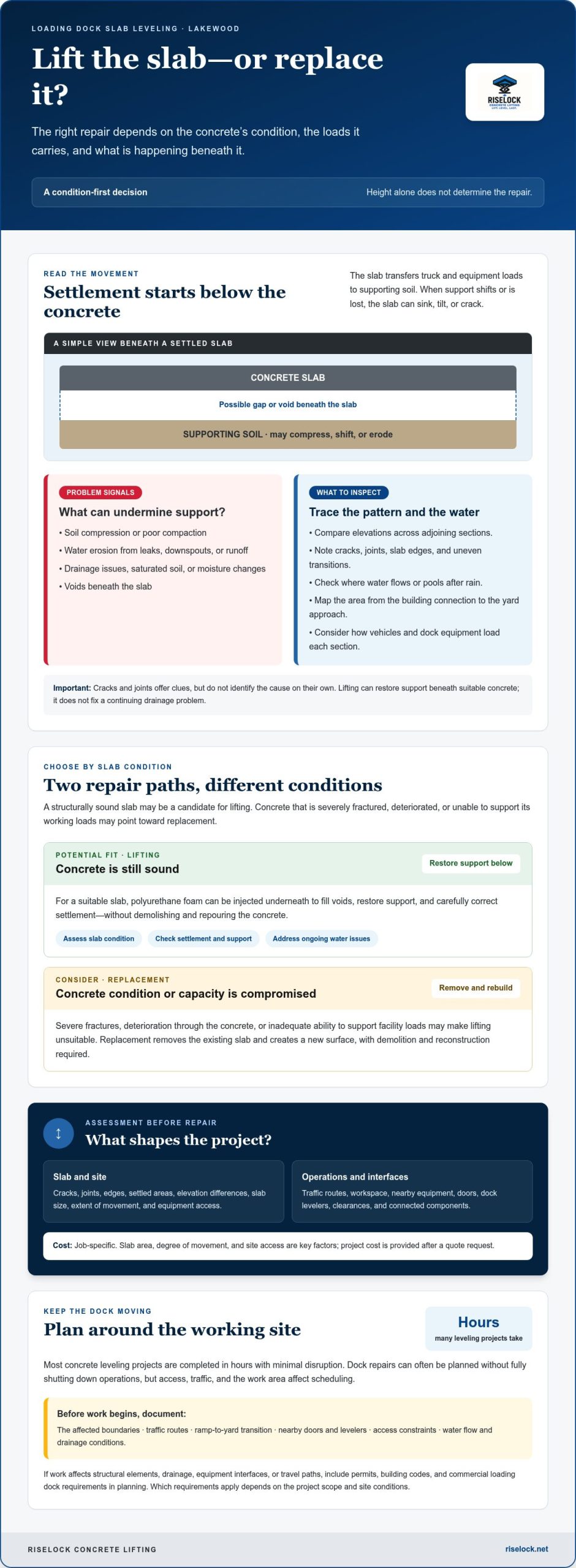
Settlement starts beneath the concrete. A loading dock slab transfers truck and equipment loads to the supporting soil. If that soil compresses, shifts, or loses support, the slab can sink, tilt, or crack. A ramp may settle unevenly, leaving one edge lower than the other. The visible issue is concrete movement, but the underlying cause may be in the base.
Poor soil compaction can leave loose areas beneath a dock or ramp. Repeated loading compresses those areas, creating gaps between the soil and slab. For example, a slab may stay firm near a building wall but sink near the yard, where support is weaker. This uneven movement can alter the ramp’s slope and create a rough transition at the dock edge.
Water can also carry supporting soil away. Leaking lines, downspouts, or runoff that collects beside a loading area may erode soil and create voids beneath the concrete. Drainage problems can keep the base saturated; repeated wetting and drying can also shift soils. Check where water flows after rain, especially along slab edges, joints, and nearby garage or building thresholds.
Cracks and joints offer clues, but they don’t identify the cause on their own. A widening gap, a raised edge beside a settled panel, or a crack extending across a ramp may signal movement beneath the surface. Compare adjoining slab sections and note where water pools or wheels cross uneven transitions. These observations help distinguish isolated surface damage from wider loss of support.
Before planning a repair, map the affected area from the building connection to the yard approach. Note where the slab slopes, where cracks meet joints, and whether drainage sends water toward the dock. Then consider how vehicles and dock equipment load each section. The pattern can help show whether soil compression, poor compaction, erosion, moisture changes, or several factors are contributing.
For suitable slabs, polyurethane foam can be injected underneath to fill voids, restore support, and carefully correct settlement. The method addresses the space below the concrete, not the source of a drainage problem. If runoff continues to wash soil away, the support problem may return. Inspecting the slab and considering water flow helps identify what the repair needs to address.
Lifting versus concrete replacement
A loading dock slab may be lifted if the concrete remains sound and can support facility loads. Severe fractures, deterioration, or inadequate load capacity may make removal and replacement a better fit. For loading dock slab leveling in Lakewood, the decision starts with the slab’s condition, not just its height.
Evaluating the Slab and Worksite
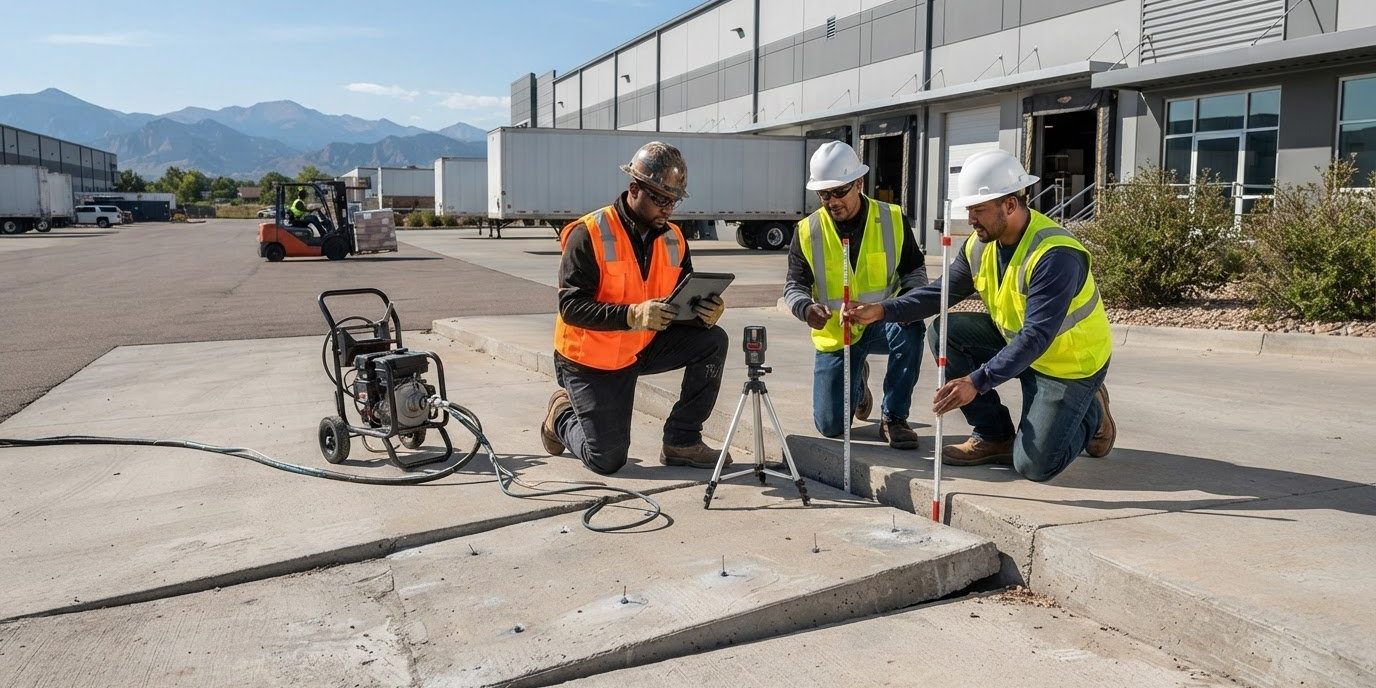
An assessment typically maps cracks, joints, slab edges, and settled areas, then compares elevations across the dock and ramp. It also considers slab size, the extent of settlement, and access for equipment. These factors shape the project scope and cost. The price depends on the specific job and is provided after a quote request; slab area, degree of movement, and site access are key cost factors.
Commercial access matters. A blocked approach, nearby equipment, or limited workspace can affect how crews reach the slab. For loading dock slab leveling in Lakewood, document the affected boundaries, traffic routes, and access constraints during planning.
Limits and Risks of Concrete Lifting
Concrete lifting raises a slab by restoring support underneath. It doesn’t rebuild concrete that has deteriorated through its depth. Severe fractures or damage under heavy loads may make lifting unsuitable. If drainage problems remain unresolved, erosion or voids may continue to put the slab’s support at risk.
Dock levelers, doors, mechanical equipment, and connected components may need assessment by an appropriate equipment professional. Raising the slab doesn’t automatically adjust these components, so include their clearances and interfaces in the repair plan.
For a suitable dock slab, lifting can correct settlement without demolishing and repouring the concrete. Replacement removes the existing slab and creates a new surface, but requires demolition and reconstruction. The choice depends on the concrete’s condition, working loads, and whether support beneath the slab can be restored.
The same distinction applies to driveways, sidewalks, patios, and pool decks. A settled panel with sound concrete may suit concrete leveling, while broken or deteriorated sections may need concrete repair or replacement. A raised sidewalk edge and a low patio corner are different surface problems; use and condition guide the decision.
Before work begins, document the affected area and operating constraints. Mark where the ramp meets the yard, identify traffic routes, and note nearby doors or levelers. This helps coordinate slab work with equipment needs and gives the assessment a clear scope.
Can you level a loading dock without shutting down operations?
Yes, dock repairs can often be planned without fully shutting down operations. Most concrete leveling projects are completed in hours with minimal disruption, though access, traffic, and the work area affect scheduling.
Here, Lakewood means Lakewood, Colorado, not Lakewood, Washington. Contractors performing commercial concrete leveling in Lakewood assess the slab, its loading conditions, and site access before planning the work. A dock with separate bays, for example, may keep unaffected bays available while crews address one area.
Map the delivery route, active doors, and equipment before work begins. Identify which section needs access and how trucks can approach other bays. A facility manager can coordinate these details with dispatch and warehouse teams. Clear staging areas and an agreed route help reduce conflicts between repair work and regular deliveries.
Concrete leveling addresses the slab and its support, but long-term performance also depends on surrounding soil conditions. If water continues to erode soil or drainage sends runoff beneath the dock, support can be lost again. Inspect downspouts, surface drainage, and slab edges during planning. Leveling without addressing ongoing erosion leaves the underlying cause in place.
Cracks don’t automatically rule out lifting. Minor cracking may be compatible with lifting, while more substantial damage may call for concrete repair or replacement. Check whether cracks cross joints, reach slab edges, or occur alongside crumbling concrete. Joint sealing serves a different purpose: it closes a gap to limit water entry, but doesn’t restore lost support or raise settled sections.
Separate slab movement from equipment adjustment. Lifting can change the concrete’s elevation, while dock levelers, doors, and mechanical equipment may need assessment by an appropriate equipment professional. Raising the slab doesn’t automatically reset connected components. Include these interfaces in the work plan before deciding which dock areas can remain active.
For an active facility, start with a simple sequence: mark the repair area, identify nearby equipment, and plan traffic around the work zone. Then review drainage and concrete condition before choosing lifting, repair, or replacement. This helps facility teams coordinate slab work with deliveries, sidewalks, and driveways while keeping the repair focused on the concrete problem.
Commercial slab and warehouse-floor leveling
Lakewood property owners can compare slab-leveling contractors by reviewing their documented method, project scope, and relevant commercial work examples. Compare warranty terms and reviews for details about the work performed, not just broad claims about results.
In a warehouse, floor settlement can affect forklift routes, pallet positions, and loading areas. Map the settled section and identify the loads it supports before choosing a repair. Polyurethane foam can be injected beneath suitable slabs to fill voids, restore support, and carefully correct settlement. As the foam expands within a void, its placement and the slab’s response need close control.
With heavy commercial use, the slab’s condition is central to the decision. A warehouse floor carrying forklifts or loaded racks needs support suited to its operating demands. Leveling addresses settled concrete and the support beneath it; it doesn’t strengthen concrete that has severely fractured or deteriorated. If the slab can’t perform under its loads, concrete repair or replacement may be more appropriate.
Injection methods also differ. Polyurethane foam is placed beneath suitable concrete to fill voids and stabilize the slab. Traditional mudjacking drills into the concrete and pumps a cement mixture underneath. Both methods aim to lift settled concrete, but use different materials and installation processes. The slab, access, and working conditions help determine which approach fits.
Review any written coverage closely. Check what it applies to, which work or materials it includes, what conditions it excludes, and how settlement or drainage issues affect it. Coverage for lifting doesn’t necessarily extend to dock equipment, new concrete damage, or a separate drainage problem. Keep the project scope and coverage document together for facility records.
Reviews are more useful when they describe a comparable job. Look for details about warehouse floors, commercial loads, access coordination, and how the contractor addressed the cause of settlement. A review about a residential patio gives less insight into a loading dock with forklift traffic. Compare those specific details with the contractor’s documented commercial work and proposed scope.
Before committing, organize the decision around three records: the slab condition, the planned repair method, and any written coverage. Include the affected floor area, nearby equipment, and traffic routes that need to stay usable. For example, a settled warehouse aisle beside active loading bays needs a work plan that accounts for restoring support and maintaining daily movement. Clear records make proposals easier to compare.
Leveling ramps that have settled unevenly
An uneven ramp needs more than a surface-level correction. Settlement can change the transition from the yard to the dock, affecting forklifts, truck access, and how equipment meets the slab. The repair should restore a stable, usable plane across the ramp’s full travel path.
Start with a visual profile. Walk the ramp from its yard edge to the dock, noting low areas, raised joints, cracks, and places where water collects. Compare both sides with the centerline. For example, a ramp that dips on one side may steer forklift wheels toward a joint, even if the dock-end surface appears level.
Next, map the transition points. Mark where the ramp meets the yard, dock slab, and adjoining pavement. These edges matter because raising one section can create an abrupt change at its boundary. Record where trucks scrape, forklifts bump, or water pools. These observations help define the repair area rather than focusing only on the most visible low spot.
Settlement patterns can show where support has changed. A ramp that slopes consistently toward the yard differs from one with a localized depression or tilted edge. Check nearby joints and drainage paths as well. If runoff repeatedly crosses a low area, correcting the ramp’s elevation without addressing water flow may leave the underlying cause active.
When discussing an estimate, describe the ramp’s use and access conditions. Identify forklift routes, truck turning paths, dock equipment, and the hours when traffic is heaviest. These details help plan the work zone and sequence for restoring access. A clearly marked plan also shows which adjoining slabs need to be considered with the ramp.
Lifting should follow the ramp’s condition and support needs, not just its lowest point. The concrete must be suitable for lifting, and the work should address the full affected section. If the ramp is severely damaged, concrete repair or replacement may be needed instead. The goal is a continuous, usable surface, not an isolated raised patch.
After leveling, inspect the same locations recorded beforehand: both edges, joints, transitions, and drainage paths. Check whether the repaired surface connects smoothly to adjoining concrete and whether water still collects. Comparing these observations gives facility teams a practical way to assess the result and spot drainage concerns that could affect future soil support.
For an estimate, discuss concrete leveling for your settled ramp and share its traffic routes, boundaries, and visible settlement pattern. A focused assessment can align the repair plan with the ramp’s actual use.
RiseLock Concrete Lifting: Polyurethane Concrete Lifting
RiseLock Concrete Lifting provides polyurethane concrete lifting for settled slabs with suitable concrete and support conditions. Small holes are drilled in the slab, then expanding polyurethane foam is injected beneath it to fill voids and carefully correct settlement. This can help restore a more even dock or ramp surface.
Consider this approach when a slab has settled but remains structurally sound. Severely fractured or deteriorated concrete may need concrete repair instead. The right option depends on the slab’s condition, its loads, and the cause of lost support, not simply the visible height difference.
For a settled loading dock or uneven ramp in Lakewood, contact RiseLock Concrete Lifting to discuss the concrete and your facility’s needs.
Plan the Next Step for Your Facility
Turn your observations of the slab into a repair plan that fits your facility’s priorities. For loading dock slab leveling in Lakewood, consider how the concrete, operating loads, and daily traffic affect the decision. A clear scope helps your team coordinate the work with facility operations and plan around connected equipment.
RiseLock Concrete Lifting provides Concrete Leveling and Polyurethane Concrete Lifting for suitable settled slabs, as well as Post Tension Installation. Describe the dock or ramp area you’re concerned about and the conditions affecting its use. That gives the conversation a practical starting point, focused on the concrete and the work your site needs.
Contact RiseLock Concrete Lifting to discuss a suitable next step for your facility. A careful plan can help you move forward with greater clarity and confidence.
Frequently Asked Questions
Do you offer solutions to prevent future sinking?
RiseLock provides polyurethane concrete lifting and concrete leveling to stabilize suitable settled slabs. Long-term performance also depends on conditions around the concrete. For example, runoff directed beneath a dock can continue affecting support after leveling. Keep drainage paths clear and watch for new pooling near slab edges. Addressing water movement alongside concrete repair helps reduce the risk of recurring settlement.
How do I get a quote?
Contact RiseLock Concrete Lifting and describe the slab, its use, and the affected area. Include whether forklifts or trucks cross it, where settlement appears, and any access constraints. This helps focus the discussion on your facility’s needs. RiseLock serves Denver, Aurora, Centennial, Parker, Colorado Springs, Englewood, Littleton, Lakewood, Arvada, Thornton, Wheatridge, Castle Rock, Castle Pines, and Boulder.
How long does the process take?
Most concrete leveling projects are completed in hours, with minimal disruption. The work plan depends on the affected slab and facility layout. A dock with active truck routes, nearby doors, or connected equipment needs coordinated access. Before work begins, identify the area crews need to reach and the routes operations must keep clear. This gives facility staff a practical basis for scheduling.
Is polyurethane foam strong enough for heavy loads?
Polyurethane foam can support suitable concrete slabs when injected underneath to fill voids and restore support. Suitability depends on the slab’s condition and the loads it carries, such as forklift traffic or loaded warehouse racks. The surface concrete must also be appropriate for lifting. A deteriorated slab may need concrete repair rather than foam support alone.
Is this better than replacing the concrete?
Neither option is automatically better; the slab’s condition determines the right fit. Lifting can preserve concrete that remains structurally sound, while severe deterioration may make replacement more appropriate. Consider how much usable concrete remains and whether the slab can handle its working loads. A sound panel with a settled edge, for example, presents a different repair decision from crumbling concrete across a loaded work area.
Need Help With Uneven Concrete?
RiseLock Concrete Lifting provides concrete leveling, polyurethane concrete lifting, and concrete repair for uneven surfaces. For a facility manager, a useful first step is to identify the surface’s function and the problem it creates. Note whether a forklift catches at a joint, a door no longer meets the slab cleanly, or water gathers in a low spot. These details help focus the next conversation.
What Causes Concrete Slabs to Sink?
Concrete slabs sink when the soil or other support beneath them shifts or compresses. Poor compaction can leave loose areas that settle under repeated traffic, while water can erode soil or create voids. Look for patterns around downspouts, slab edges, and drainage paths. A low section beside a water outlet, for instance, may point to a support issue that surface patching alone won’t address.
What Is Concrete Leveling?
Concrete leveling raises settled concrete toward a more even position by restoring support beneath the slab. With polyurethane lifting, small holes are drilled in the slab and expanding foam is injected underneath. The foam fills voids, lifts the slab, and then hardens into a stable, waterproof base. Unlike resurfacing, which changes the top surface, this process raises a settled section.