A sunken driveway doesn’t automatically need replacement. The cost to lift a sunken driveway in Denver depends on the size of the settled area, how far the concrete has dropped, and whether the slab is sound enough to raise. The right solution starts with the driveway’s condition, not just its dimensions.
It’s reasonable to want a clear estimate before deciding what to do. Denver’s soil and weather can affect how concrete settles: the Colorado Geological Survey notes that Colorado’s expansive soils can expand up to 20% by volume when exposed to water. This article explains the main factors behind driveway lifting costs, how local conditions contribute to settlement, and what makes a driveway a suitable candidate for lifting. You’ll also learn when leveling may address the problem and when the concrete’s condition points to a different repair.
Key Takeaways
- Driveway lifting costs depend on the size and condition of the slab, the depth of settlement, and the work needed to raise it.
- Denver’s expansive soils can shift as moisture changes, which may contribute to uneven concrete and recurring settlement.
- A driveway with sound, mostly intact concrete may be a better candidate for lifting than one with extensive damage or failing sections.
- Understanding the difference between lifting methods can help you see which factors matter when a professional assesses your driveway.
How much does concrete leveling cost in Denver?
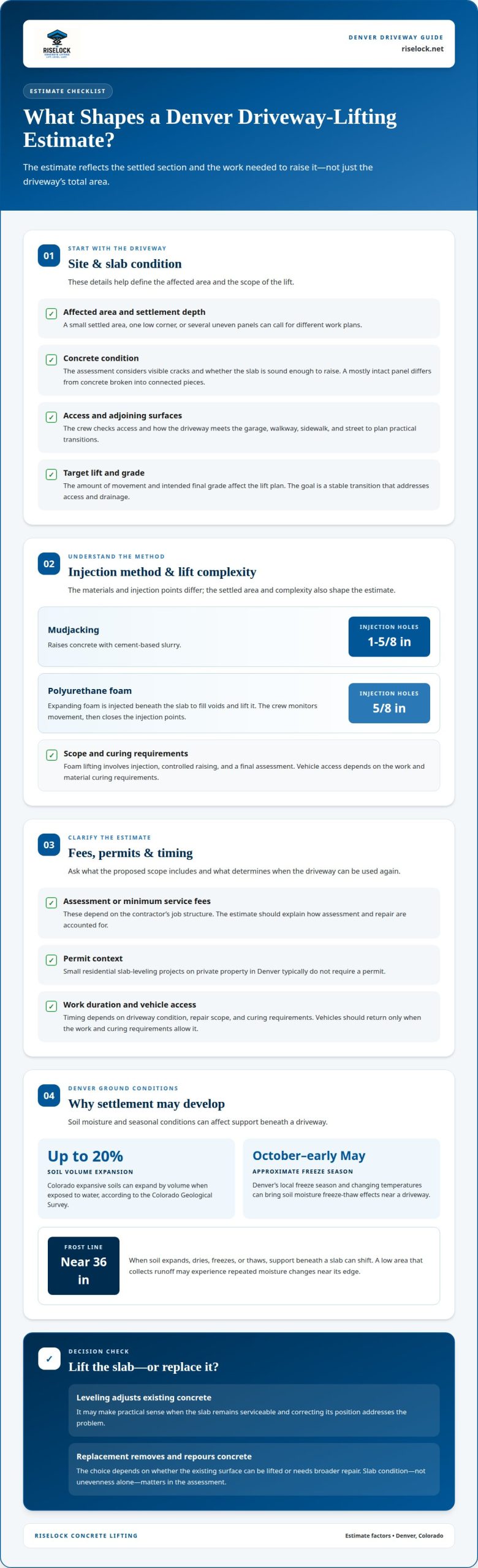
The cost to lift a sunken driveway in Denver depends on the affected area, slab condition, access, and complexity of the lift. These details shape the work plan and when the driveway can be used again.
Mudjacking and Foam Price Differences
Mudjacking raises concrete with cement-based slurry, while polyurethane foam lifting injects lighter material beneath the slab. There isn’t one price for every driveway; the size of the settled area and complexity of the repair affect the estimate. The methods also use different injection-hole sizes: 1-5/8 inches for mudjacking and 5/8 inch for polyurethane foam. Knowing the method helps explain what an estimate covers.
Polyurethane Foam Injection
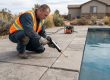
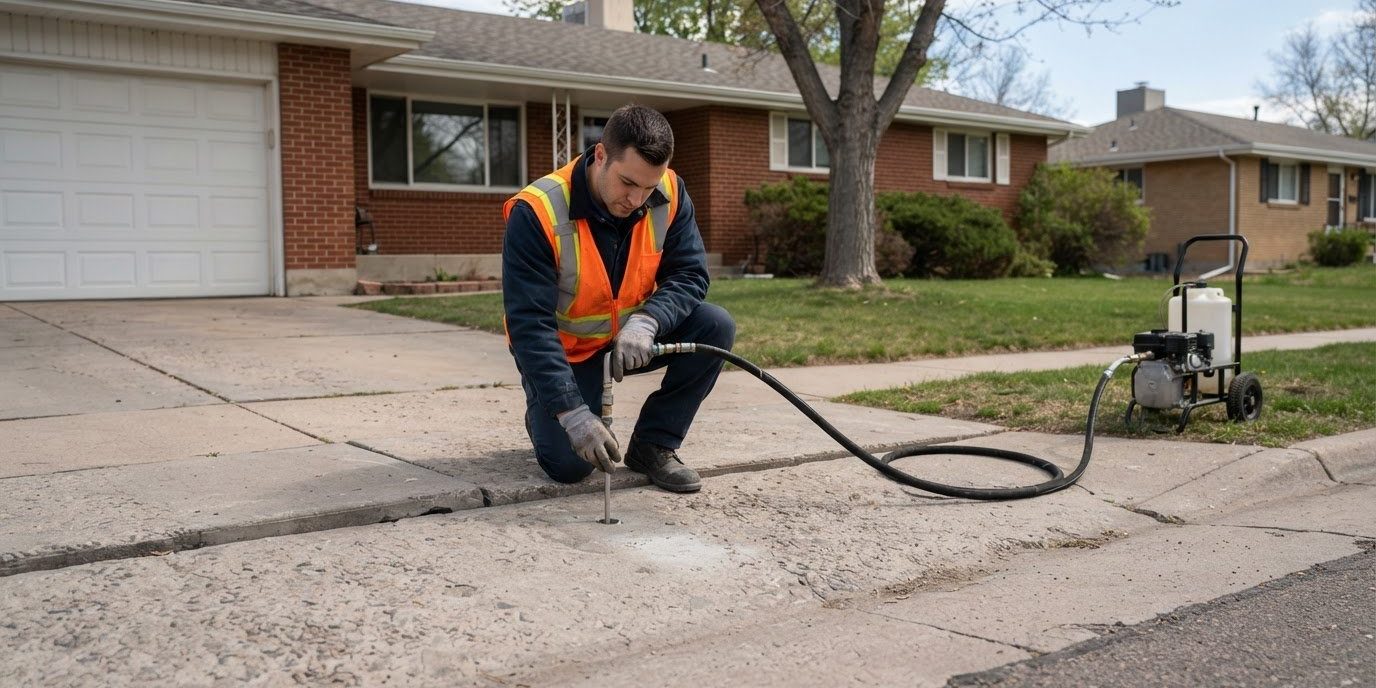
Polyurethane foam injection places expanding foam beneath a sunken driveway to fill voids and lift the slab. The crew injects it through small holes, monitors the movement, and closes the injection points after reaching the intended position. The cost to lift a sunken driveway in Denver also reflects the work needed to raise the affected sections accurately. Foam hardens in place, and vehicle access follows the curing requirements and completion of the work.
Cost Factors, Fees, and Permits
Driveway size, settlement depth, slab condition, access, and lift complexity shape the estimate. A small area may still need careful setup if connected sections are uneven. Inspection or minimum service fees depend on the contractor’s job structure, so the estimate should clarify how assessment and repair are accounted for. Small residential slab-leveling projects on private property in Denver typically do not require a permit.
Work duration and vehicle access depend on the driveway’s condition, repair scope, and material curing requirements. Foam lifting involves injection, controlled raising, and a final assessment. Vehicles should return only when the work and curing requirements allow it. To prepare an accurate estimate, the assessment considers the affected area, visible cracking, and how the driveway meets the garage or walkway.
Denver soil and climate effects on settled concrete
Moisture can change the support beneath a Denver driveway. According to the Colorado Geological Survey, Colorado’s expansive soils can expand up to 20% by volume when exposed to water, posing a risk of damage to driveway surfaces. When soil expands or dries, support beneath a slab can shift. A driveway may settle unevenly where the ground changes, leaving low sections or altering how runoff moves across the surface.
Denver’s seasonal conditions add another influence. The local freeze season runs roughly from October through early May, and the frost line is near 36 inches. Soil moisture can freeze and thaw as temperatures change, affecting the ground around a driveway. For example, a low section that collects runoff may experience repeated moisture changes near its edge. Settlement can develop over time as support shifts, rather than from one isolated event.
In Denver, the concrete leveling cost depends on the repair’s size and complexity, not simply the driveway’s total area. A broad settled section may require a different lift plan from one low corner. The amount of movement, access to the slab, and the final grade all shape the scope. A useful estimate reflects the actual surface and the adjustment needed to guide water away from the driveway.
Concrete lifting can restore a settled surface’s height and alignment without removing the entire slab. Final grade matters: raising concrete too little may leave drainage or access problems, while the target is a stable transition to adjoining surfaces. Leveling can make practical sense when the slab remains serviceable and correcting its position addresses the problem. Replacement involves removing and repouring concrete, so the choice depends on whether the existing surface can be lifted or needs broader repair. The value lies in restoring useful access and drainage. A concrete leveling assessment can help clarify which scope fits the driveway.
Denver driveway lifting and leveling
Across the Denver metro, driveway leveling can raise settled sections while preserving usable concrete. The right scope depends on the slab’s condition and its transitions to the garage, sidewalk, and street.
How Driveway Leveling Works
Driveway leveling raises settled concrete to improve its alignment with adjoining surfaces. First, the crew assesses the affected section, cracks, edges, and nearby concrete. This helps establish a target elevation and practical transitions at the garage and driveway apron.
The crew then injects polyurethane foam beneath the slab and monitors its movement as it rises. The lift is controlled to avoid an abrupt step between the repaired panel and adjoining concrete. A final review considers the surface, joints, and access to the garage.
Denver Driveway Leveling Costs
Leveling cost depends on the area being raised, the extent of settlement, access, slab condition, and lift complexity. For example, one settled corner beside a garage may require a different scope from several uneven driveway panels. These details matter more than a broad square-foot estimate alone.
The price depends on the driveway’s condition and repair scope, so RiseLock provides an estimate based on the specific project. A useful estimate describes the affected sections, intended adjustment, and any related concrete repair. This gives property owners a clear basis for understanding the proposed work instead of treating every Denver driveway as the same project.
Leveling Versus Replacement
Leveling adjusts existing sunken concrete; replacement removes and repours affected driveway sections. The distinction matters because a slab must be suitable for lifting. A mostly intact panel with a low edge is different from concrete broken into connected pieces, even if both look uneven from the street.
Consider cracks alongside the slab’s overall condition, rather than treating them alone as proof that replacement is necessary. An assessment can distinguish a localized crack near the driveway entrance from widespread fragmentation across several panels. If the concrete remains suitable for lifting, leveling can improve its position. Extensive damage may instead require concrete repair or replacement.
In Colorado, the decision depends on the driveway’s condition, the elevation needed, and how the repair meets adjoining surfaces. These are practical details to compare in an estimate.
When a driveway is a good lifting candidate
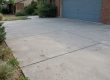
A driveway may be suitable for lifting when the concrete is largely intact but has settled unevenly. For example, a sound panel sitting below the garage threshold presents a different problem from concrete fractured into loose pieces. The key question is whether lifting can restore support and a usable transition without relying on badly damaged concrete.
Assess the entire affected area. A few stable cracks differ from widespread breakup, crumbling edges, or panels shifting independently. The assessment considers the slab’s integrity, the location of low sections, and transitions to a sidewalk or garage. A sound recommendation distinguishes a position problem from concrete that needs repair or replacement.
The cause of settlement also matters along Colorado’s Front Range. If water repeatedly reaches the soil beneath one edge, the ground may lose consistent support. Lifting changes the slab’s position, not the source of moisture. For example, a low area beside a downspout calls for attention to drainage as well as the concrete. Persistent soil movement or pressure can affect the result, so the repair scope should consider conditions beneath the surface.
Lifting has limits: it cannot restore missing concrete or make severely broken pieces whole. Raising one section also changes its relationship to adjoining slabs, the garage, and the sidewalk, so the target elevation must be planned carefully. Raise the surface only as much as needed to improve access and drainage without creating a new abrupt edge. A sound assessment explains which sections can be lifted and which need concrete repair.
If your driveway has settled but remains structurally sound, a professional assessment can clarify whether lifting fits its condition. Share where the concrete has dropped, visible cracking, and nearby drainage conditions to help define the scope. Request a driveway lifting assessment to discuss the surface, underlying support, and practical repair options.
RiseLock Concrete Lifting
RiseLock helps property owners assess settled concrete and define a practical repair scope. When a driveway has uneven sections, the key question is whether lifting can restore its position or whether damaged concrete needs repair. The slab’s condition, extent of settlement, and transitions to the garage or sidewalk all inform that decision.
For suitable concrete, leveling can address changes in elevation; concrete repair can address damage that lifting alone won’t resolve. RiseLock provides a clear next step to understand the work involved, without treating every driveway as the same project. An assessment connects the visible problem to the appropriate repair approach and the driveway’s condition.
If you’re considering a repair, contact RiseLock Concrete Lifting to discuss your driveway.
Take the Next Step Toward a Sound Driveway
The cost to lift a sunken driveway in Denver is most useful when it leads to a clear decision about the concrete, not just a number on a page. An assessment can turn visible settlement into a defined scope, helping you understand whether the next step is lifting, repair, or another approach. That clarity makes it easier to plan around the driveway and avoid treating a surface problem without considering the slab beneath it.
RiseLock provides polyurethane concrete lifting, post-tension installation, and concrete leveling. These services address different concrete needs, so the right approach depends on the condition and purpose of the area. Contact RiseLock to discuss your driveway and arrange an assessment that connects the problem to an appropriate service.
When you’re ready to discuss the next step, contact RiseLock Concrete Lifting. A clear assessment can put you on a practical path toward a more usable driveway.
Frequently Asked Questions
Mudjacking or polyurethane foam, which is better in Denver?
Neither method suits every Denver driveway; the slab and repair goals matter. Mudjacking pumps cement-based slurry beneath concrete, while polyurethane lifting injects expanding, high-density foam through small access holes. The foam hardens beneath the slab and can provide support, though its long-term performance depends on site conditions. RiseLock provides polyurethane concrete lifting, with the approach guided by the concrete’s condition and the support it needs.
Should you lift it or rip it out?
Lift the driveway when the concrete is intact enough to raise and remain useful. Replacement is more appropriate when sections are badly broken, crumbling, or missing, because lifting can’t restore concrete that no longer forms a sound slab. One settled but whole panel differs from a driveway with widespread fragmentation. The deciding factor is the slab’s condition, not simply whether it has visible cracks.
How long does polyurethane concrete lifting take?
Most projects are completed in hours, though the work sequence depends on the driveway and the area being raised. The crew drills small access holes, injects expanding polyurethane foam, and monitors the slab as it lifts. The foam then hardens beneath the concrete. Several connected sections may need a more involved assessment and controlled lift than one isolated panel.
How soon can I drive on it?
Wait until the lifting work is complete and the polyurethane foam has hardened before driving on the driveway. The foam expands beneath the slab, then hardens to create a stable base. Keep vehicles off the affected area during the repair. If the driveway connects to a garage or shared access point, plan alternate parking so traffic doesn’t cross the active work area.
What about the patch holes you leave?
Small drilled access holes are part of polyurethane foam injection, allowing the crew to reach voids beneath the slab. They’re localized points, not demolition across the driveway. The finished appearance depends on how the surface is treated after injection. If the driveway has a decorative or colored finish, mention it when discussing the repair so the surface can be considered in the work scope.
Why is one corner sinking and not the others?
One corner can settle independently when soil support or moisture differs beneath that section. For example, runoff may repeatedly reach one driveway edge while the opposite side stays drier, affecting support beneath the slab. This can occur in Denver, Aurora, Centennial, Parker, Colorado Springs, Englewood, Littleton, Lakewood, Arvada, Thornton, Wheatridge, Castle Rock, Castle Pines, and Boulder.