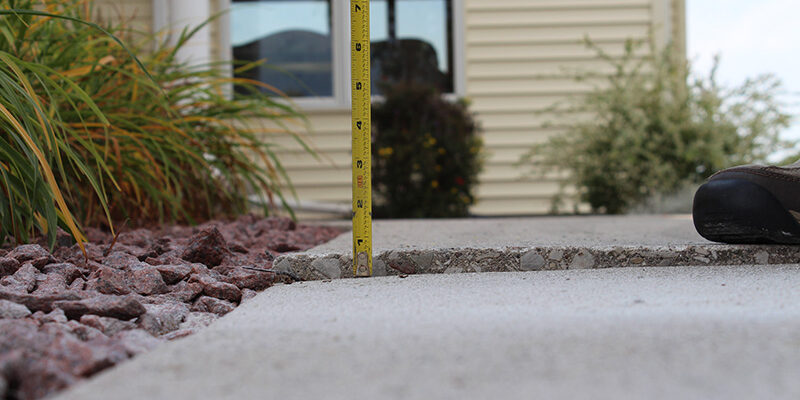
If you live in the Denver metro area, you’re likely familiar with the “mile-high tilt.” Between our intense freeze-thaw cycles and the expansive clay soils common across the Front Range, outdoor concrete rarely stays level for long.
When a backyard patio or walkway begins to sink, the traditional solution was mudjacking—pumping a heavy slurry of concrete and dirt under the slab. But a more modern, efficient alternative has taken over: Polyurethane Concrete Lifting (or “Polyjacking”).
The Science of the Lift
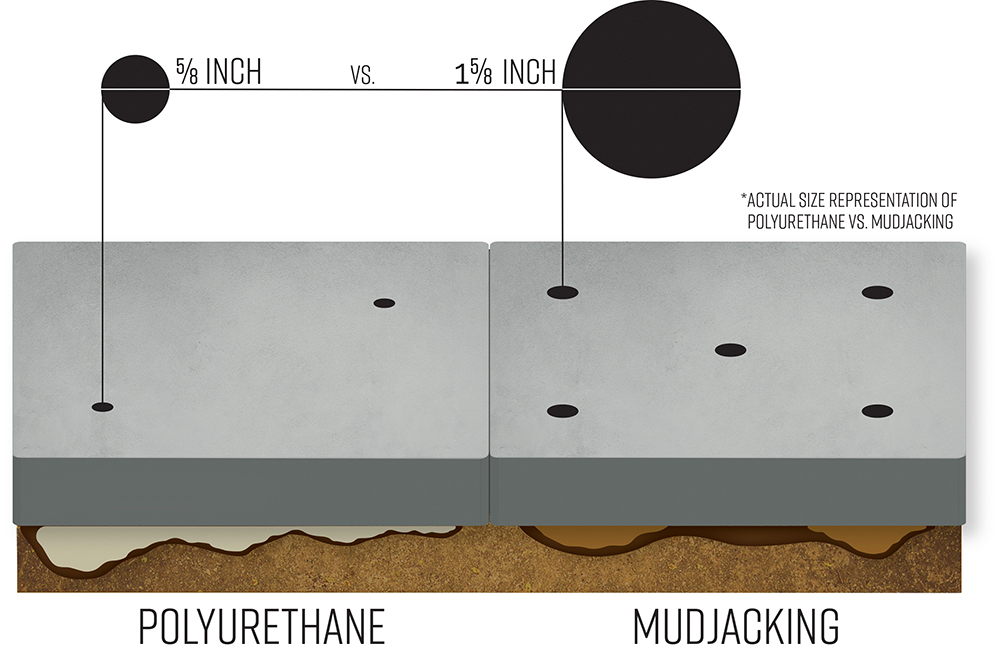
Unlike mudjacking, which adds significant weight to already unstable soil, polyjacking uses a high-density expanding foam.
-
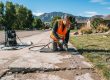
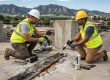
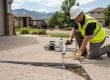
Minimal Intrusion: Technicians drill tiny holes (about the size of a penny).
-
The Reaction: A two-part polymer is injected. As it moves beneath the slab, it undergoes a chemical reaction, expanding into a rigid, waterproof foam.
-
The Precision: The foam fills every void and provides enough upward pressure to level the concrete to within a fraction of an inch.
The “Disappearing” Step in a Denver Backyard
The Problem: A homeowner in a quiet Denver neighborhood noticed that their large stamped-concrete patio had begun to pull away from the house. Over two seasons, the far corner had sunk nearly four inches. This created a dangerous trip hazard and caused rainwater to pool against the home’s foundation—a recipe for basement leaks.
The Challenges:
-
Access: The backyard was beautifully landscaped with mature perennials and a tight gate, making it impossible to bring in heavy masonry equipment.
-
Aesthetics: The patio featured a custom charcoal tint. The owner didn’t want large, messy patches or a full replacement that wouldn’t match the original color.
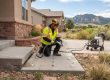
The Solution: A local team uses polyconcrete lifting. Because the equipment consists mostly of a long hose run from a truck parked on the street, the landscaping remains untouched.
The Result: In under three hours, the foam stabilizes the loose soil and lifts the four-inch dip back to its original height. The technician fills the tiny injection holes with a color-matched grout that renders the repair virtually invisible.
By the time the sun set over the Rockies that evening, the homeowners are back on their patio, hosting a barbecue on a surface that was safe, level, and ready for use immediately.
Why It Works for the Front Range
-
Weight: Poly foam is incredibly light. It won’t cause the soil to “re-settle” under its own weight like heavier concrete slurries.
-
Moisture Barrier: The foam is hydrophobic. In a climate where snowmelt is constant, the foam acts as a seal, preventing future erosion from water running under the slab.
-
Speed: You can walk on the surface 15 minutes after the job is done.
If your backyard looks more like a skate park than a seating area, polyjacking offers a permanent, surgical fix that saves your concrete—and your weekend plans.