An uneven basement floor usually points to movement or loss of support beneath the slab, not just a surface defect. To fix uneven concrete in a basement in Littleton, the repair needs to address the cause, such as shifting soil, washout, or poorly compacted fill. The right method and cost depend on the slab’s condition and the area that needs repair.
A sloping floor, widening cracks, or trim pulling away can make a basement harder to use and raise concerns about whether the problem is worsening. The extent of the damage matters: lifting may work for a sunken slab that is still sound, while severely broken or structurally damaged concrete may need replacement.
This guide explains what can cause basement concrete to settle or crack in Littleton, how concrete leveling works, and which project details shape the repair. You’ll also learn when lifting may be suitable and when the slab’s condition calls for another approach.
Key Takeaways
- Leveling cost depends on the slab’s condition, the area affected, and the work needed to restore support, not on a single standard rate.
- Polyurethane foam can fill voids beneath a sunken slab and lift the concrete, while the underlying cause still matters for choosing a suitable repair.
- Soil movement, drainage issues, and settling backfill can all contribute to basement floor changes, but they affect the concrete in different ways.
- Learn which signs may indicate a repairable slab and when severe cracking or structural damage can make replacement necessary.
How much does concrete leveling cost in Littleton?
Littleton leveling costs depend on the slab’s condition, access, affected area, and repair scope; permits depend on project scope and jurisdiction. Potential complications include uneven lifting or revealing damage; severely cracked, broken, or structurally damaged concrete may need replacement.
Polyurethane Foam Injection
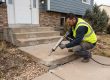
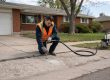
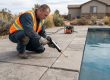
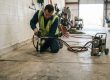
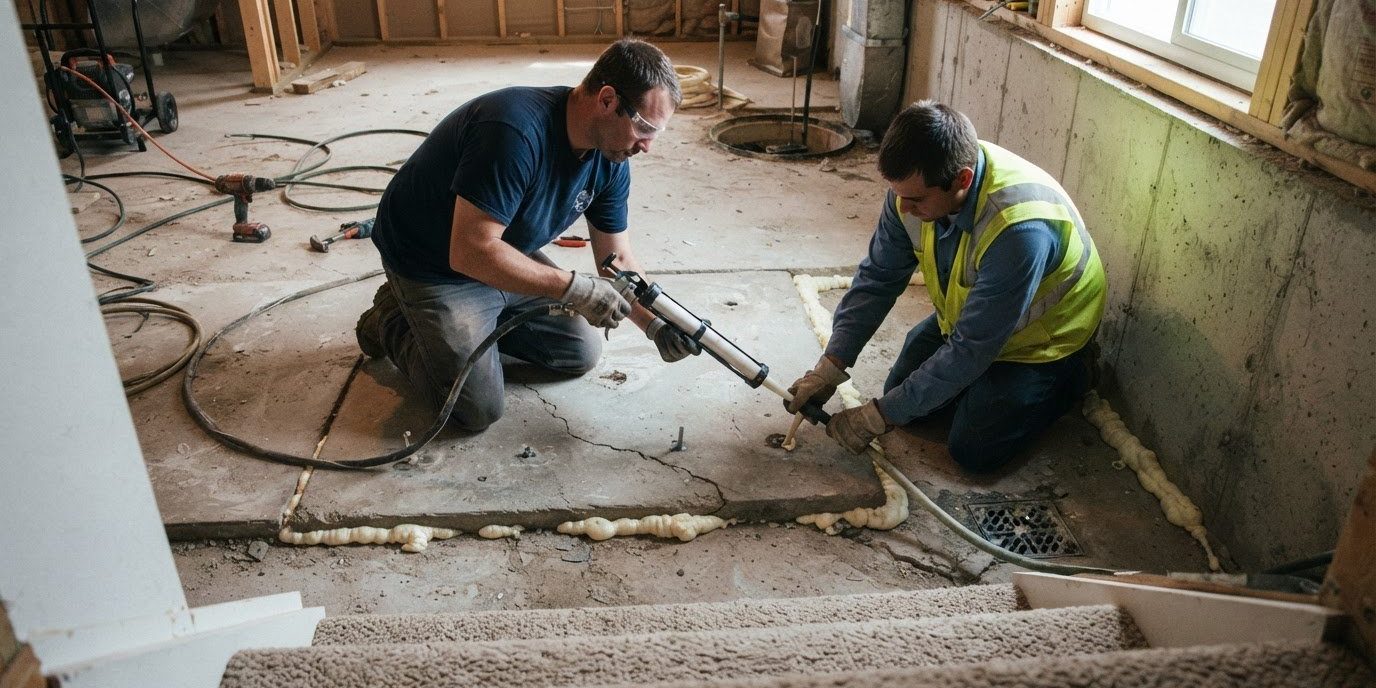
Polyurethane foam injection fills voids beneath concrete and lifts the slab to restore support. Small holes are drilled in the slab, then expanding foam is injected below the surface. For a Littleton basement, the key considerations are the settled area, the slab’s condition, and whether support beneath it can be restored. These factors shape the repair plan.
Interior and Garage Floor Leveling
Basement, interior, and garage floors each need an assessment of low areas, cracks, and access for injection. A garage slab may need leveling where a vehicle crosses a sunken section; an interior floor may need attention if the height change affects walking or door clearance. Once a slab is structurally sound and level, homeowners looking to upgrade the finished surface often turn to providers such as Deluxe Resin Services for durable flooring options. Concrete leveling can lift a repairable slab, but it cannot restore concrete that is broken beyond repair.
Leveling Costs and Replacement Savings
The price depends on the case and is given after a quote request; cost factors include the affected area, slab condition, access, and repair scope. Leveling may avoid removing and replacing a slab that remains repairable, while severely damaged concrete may require replacement. The practical comparison is the work each option requires, rather than a general cost figure.
Polyurethane concrete leveling can also address sunken driveways, sidewalks, and patios. A Littleton homeowner’s approximately 350-square-foot driveway area illustrates why surface size matters when planning work. A Denver-area repair-services search may return different project types, so compare the actual slab, access, and damage involved. For basement work, the assessment should distinguish a settled slab from concrete requiring replacement.
What Causes Concrete to Settle or Crack in Littleton?
Littleton basement floors can become uneven when soil shifts, washes out, or was not compacted properly. Leaks, groundwater changes, poor drainage, and loosely compacted fill can also contribute to movement and concrete cracks.
Soil conditions are a key part of the picture. According to USDA soil survey mapping, roughly three quarters of the ground beneath Littleton communities is clay. Changes in moisture can affect clay soil and its support beneath slabs. If one area loses support more than another, the concrete may settle unevenly, creating a slope, a gap, or cracks across the floor.
Water movement can worsen the loss of support. A leak, poor drainage, or changing groundwater levels may wash soil from beneath a slab or alter its moisture. The way the foundation sits in relation to the yard and garden also affects water movement around the home. For example, water collecting beside a basement wall can signal a drainage issue worth noting during an assessment.
Fill soil placed after foundation construction is another possible cause. If it was loosely compacted, it can settle over time and leave a void beneath concrete. Walkways and sidewalks can sink for similar reasons when supporting soil shifts or washes away. The location and pattern of movement can help distinguish an isolated slab problem from broader foundation movement.
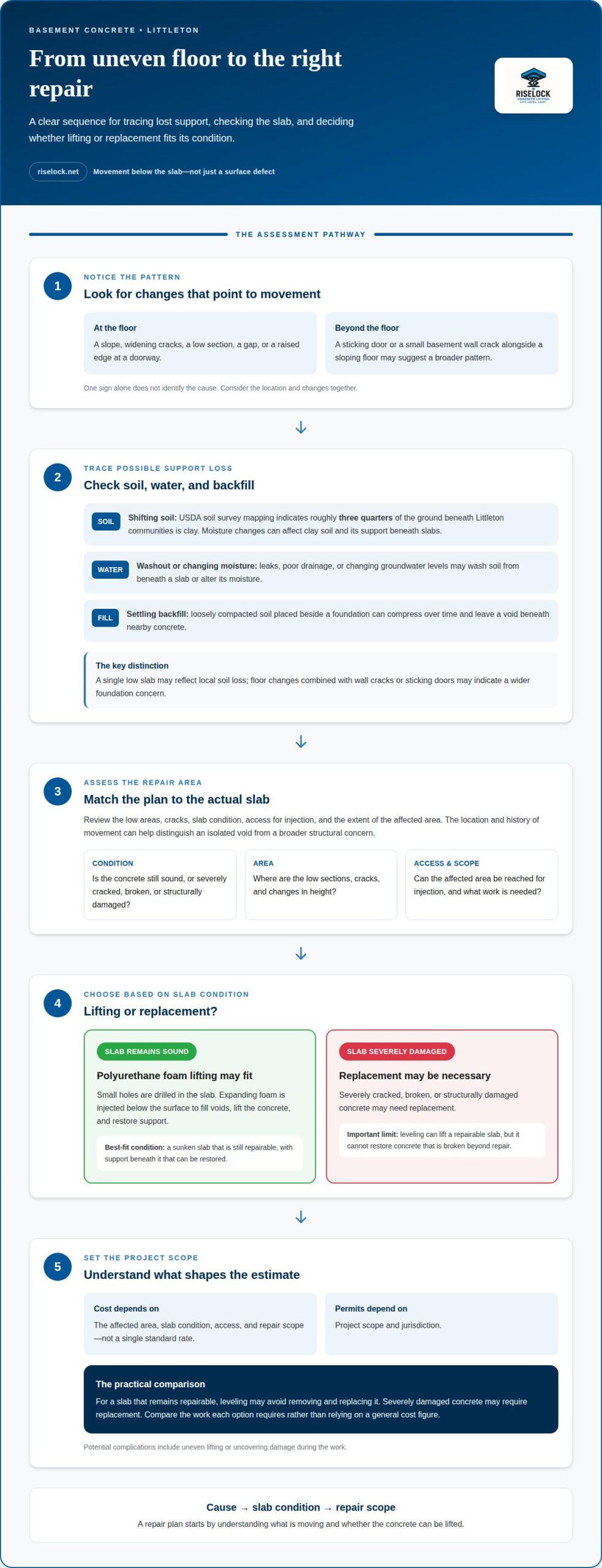
Look at changes together, not as separate clues. A sticking door, a small basement wall crack, and a sloping floor may point to foundation movement, while a single low slab may reflect local soil loss. Before considering concrete lifting, an assessment should identify the likely cause and affected area. That distinction helps shape an estimate and supports a lasting repair plan. An assessment of concrete settlement can help clarify whether the movement is limited to the slab.
Backfill settling beneath concrete
Backfill is soil placed beside a foundation after construction. If loosely compacted, it can compress over time and leave gaps beneath nearby concrete. A basement floor may then sink where support has weakened, while the surrounding soil remains higher. This change can affect floors, nearby slabs, or the transition between them.
Foundation settlement occurs when a home’s foundation shifts and sinks unevenly into the ground. In Colorado, movement may relate to soil changes, water movement, or drainage around the structure. A sticking door or small basement wall crack can accompany settlement. One sign alone doesn’t identify the cause, but several changes in the same area may point to a broader pattern.
Compare the movement’s location with nearby surfaces. A single sunken section may reflect a local void beneath a slab; cracks and changes across the foundation may suggest a wider structural concern. A walkway lifted in 2018 and later found sunk again illustrates why the history of concrete movement matters. Repeated sinking can point to continuing changes beneath the slab, not simply a surface-level defect.
A raised edge where concrete meets a doorway or adjoining floor can create a trip hazard. The location, crack pattern, and slab condition help determine whether lifting is appropriate. Polyurethane foam can fill a void beneath concrete and support lifting, but a severely broken slab may need concrete repair or replacement. The condition of the surrounding foundation matters, too.
A lasting repair plan should match the cause and scope of the problem. If backfill movement affects only a separate slab, concrete leveling may address that surface. If doors stick alongside wall cracks, the floor may be only part of the concern. Determining whether movement is local or foundation-wide helps distinguish a concrete lifting project from a structural problem that needs broader evaluation.
Uneven and sinking basement concrete slabs
A sunken basement slab can affect how a room functions, even without dramatic damage. A Littleton homeowner described an uneven basement floor that developed over time, with trim separating from the floor. This is why it helps to consider both the concrete surface and nearby changes in finishes. A low spot alone does not establish whether the slab or foundation has moved. For property owners planning broader repairs or interior updates once the slab is addressed, hughestermitecontrol.com offers support with comprehensive home improvement services.
Start by distinguishing a slab-level issue from wider structural movement. A localized depression, isolated crack, or gap at a floor edge may indicate lost support beneath that concrete. Wall cracks or sticking doors alongside a sloping floor raise a different concern: foundation settlement. The repair approach depends on what has moved and whether the slab remains sound.
Concrete lifting can restore a repairable slab by filling voids beneath it and raising the surface. Polyurethane foam is injected below the concrete, where it expands to provide support. Lifting aims to stabilize the slab, but it does not repair concrete that is severely cracked, broken, or structurally damaged. In those cases, replacement may be necessary.
Mudjacking pumps a heavier slurry beneath concrete, adding weight that can stress unstable soil. For a basement slab, the method matters because the underlying soil must support the restored surface. A raised edge at a doorway also deserves attention, since a change in height can affect movement between rooms. Patios and walkways can have similar uneven edges, though their exposure and use differ from basement floors.
For homeowners who need to fix uneven concrete in basement Littleton homes, the key decision is whether the slab can be lifted intact or needs repair or replacement. A careful assessment considers crack severity, the extent of sinking, and signs around the foundation. To fix uneven concrete in basement Littleton properties, an assessment can help determine a suitable repair path. If your basement slab needs attention, request an assessment for concrete lifting.
RiseLock Concrete Lifting
RiseLock Concrete Lifting helps Littleton property owners address uneven slabs with concrete leveling, polyurethane concrete lifting, and concrete repair. The right approach depends on whether the basement slab is intact, where it has settled, and whether damage extends beyond the concrete surface.
For a repairable slab, lifting can raise the surface and restore support beneath it. Where concrete is severely cracked or broken, concrete repair may be more appropriate. RiseLock also provides post-tension installation for projects involving the structural integrity of concrete slabs.
If your basement floor is uneven or sinking, contact RiseLock Concrete Lifting to discuss repair options for your concrete.
Choose a Clear Next Step for Your Basement
Choosing how to fix uneven concrete in a Littleton basement starts with understanding what the floor needs now. A measured assessment can help you move from concern to a practical repair decision, based on the slab’s condition and the surrounding signs of movement. That gives you a clearer basis for planning the work without relying on a generic estimate.
RiseLock Concrete Lifting provides concrete leveling, polyurethane concrete lifting, and post-tension installation. The right service depends on the project, so discuss the uneven area and what you’ve noticed in the basement with RiseLock. Clear details about the floor’s condition help focus the conversation on an appropriate approach.
For guidance on your basement slab and possible repair options, Contact RiseLock Concrete Lifting today. A thoughtful first conversation can help you decide how to move forward with confidence.
Frequently Asked Questions
Can concrete leveling be done in winter?
Winter conditions don’t automatically rule out concrete leveling, but site conditions determine whether work can proceed. Access to the slab and conditions beneath it affect the repair plan. An interior basement floor may be less exposed to outdoor weather than a driveway, though ground conditions still matter. An assessment can identify whether winter conditions affect the proposed work.
Is concrete leveling worth it, or should I just replace it?
Leveling may be suitable when the slab is sound enough to lift and support; replacement is appropriate for concrete that is severely broken or structurally damaged. A settled section with sound edges differs from crumbling pieces that no longer form a stable slab. The decision depends on the concrete’s condition and the work required, not simply the visible dip.
Who fixes sunken concrete in Littleton?
RiseLock Concrete Lifting handles sunken concrete in Littleton with concrete leveling and polyurethane concrete lifting. Its local service area includes Denver, Aurora, Centennial, Parker, Colorado Springs, Englewood, Littleton, Lakewood, Arvada, Thornton, Wheatridge, Castle Rock, Castle Pines, and Boulder. The repair approach depends on the slab’s condition and setting, including residential surfaces such as basement floors, garages, and walkways.
How can I tell whether uneven basement concrete is a safety or structural problem?
A raised edge or sudden change in floor height can create a trip hazard, especially along a route to stairs or a utility area. Uneven flooring alongside new changes elsewhere, such as binding doors or cracks extending beyond the slab, can indicate structural concerns. Note where symptoms occur and whether they change; the pattern can help distinguish a local floor issue from broader movement.
What are the repair options for uneven concrete basement floors, such as mudjacking, polyurethane foam, or replacement?
Options include polyurethane foam lifting, mudjacking, and slab replacement, each using a different method. Foam expands beneath the concrete to lift it; mudjacking pumps slurry under the slab. Replacement removes damaged concrete and installs a new slab. RiseLock uses polyurethane foam for concrete lifting, while the slab’s condition helps determine whether lifting or concrete repair is suitable.
How much does it cost to level or repair a concrete basement floor in Littleton, CO?
The cost to level or repair a Littleton basement floor depends on the affected area, slab condition, access, and whether lifting or replacement suits the damage. A small, accessible section can require a different scope from a larger area with extensive damage. RiseLock provides project pricing after a quote request, based on the work involved.