We’ve all done it.
 You walk past that uneven step on the front porch or the sunken corner of the driveway and think, “I really need to fix that someday.”
It is easy to push concrete repair to the bottom of the “To-Do” list. Unlike a leaking roof or a broken furnace, a sinking slab doesn’t scream for attention. However, uneven concrete is rarely just a cosmetic issue. It is usually a symptom of a larger problem happening underneath the soil, and ignoring it can turn a small repair bill into a massive structural nightmare.
If you are waiting for the “right time” to lift your concrete, here is why you should consider doing it sooner rather than later.
1. The Liability Trap (Trip and Falls)
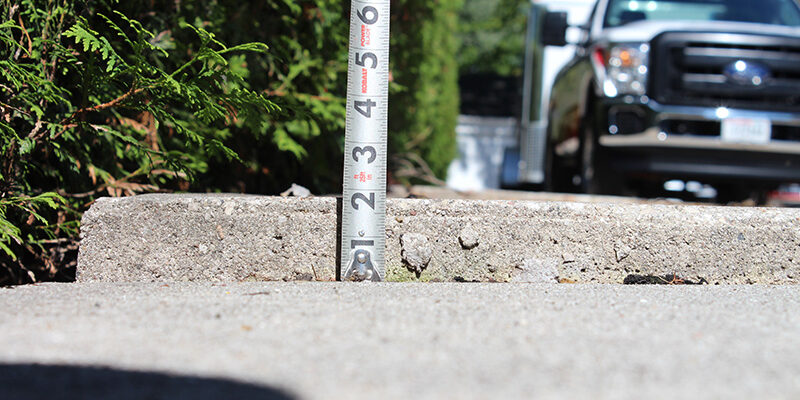
The most immediate risk of uneven concrete is safety. What looks like a small half-inch lip to you can be a serious legal liability if a delivery driver, neighbor, or trick-or-treater trips and falls.
-
The “Trip Hazard” Standard: The Americans with Disabilities Act (ADA) generally defines a trip hazard as any vertical change of over 1/4 inch.
-
The Cost: If someone is injured on your property due to negligence (failing to fix a known hazard), your homeowner’s insurance premiums could skyrocket, or you could face a lawsuit.
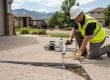
The Fix: Foam lifting removes the trip hazard in minutes, smoothing the transition between slabs and eliminating your liability instantly.
2. Water Drainage: The Foundation Killer
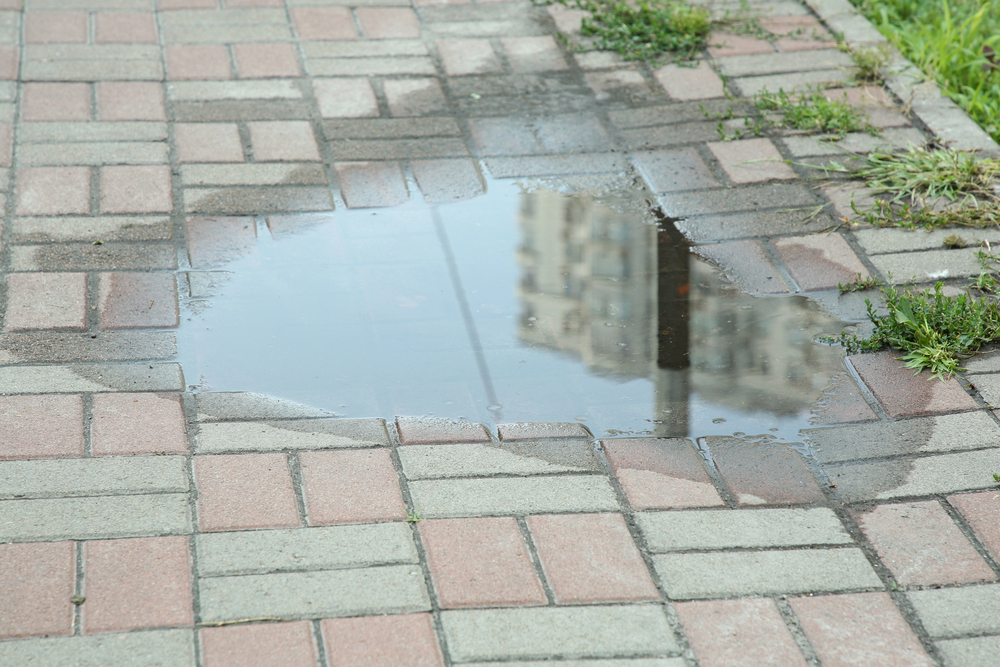
This is the most expensive consequence of waiting. Concrete slabs are originally poured with a specific “pitch” or slope to channel rainwater away from your home’s foundation.
When a slab sinks, that pitch often reverses (this is called Negative Grade). Instead of water flowing into your yard or street, it pools against your foundation walls or flows down into the cracks.
Why this is dangerous:
-
Freeze/Thaw Cycle: In winter, trapped water freezes and expands, cracking your foundation walls.
-
Basement Leaks: Water pooling against the house eventually finds a way inside.
-
Soil Washout: Water running under the slab washes away more soil, accelerating the sinking process.
3. Varmints and Pests Love “The Void”
Concrete doesn’t just sink magically; it sinks because the soil underneath has settled or washed away, creating a pocket of empty space called a “void.”
To a rodent, snake, or insect colony, a void under a warm concrete slab is a 5-star hotel. It provides shelter from the elements and predators. If you have noticed an uptick in ants or mice near your entryway, they might be living in the void under your sinking stoop.
The Foam Benefit: Polyurethane foam expands to fill these voids completely, evicting the pests and sealing off their entry points.
4. The “Crumble” Effect
Concrete is rigid. It is designed to be supported evenly by the ground. When a void forms, the concrete bridges that gap. Eventually, the weight of a car or even just the concrete itself becomes too much for the unsupported section.
If you wait too long, the slab won’t just sink—it will snap.
Important Note: Concrete lifting works best on intact slabs. If your driveway cracks into rubble or small jagged pieces, lifting becomes impossible, and you are forced to pay for an expensive pour-and-replace job. Fixing it while the slab is still whole saves you thousands.
Summary: The Cost of Waiting
| Issue | Consequence of Waiting | Repair Cost |
| Uneven Joint | Trip Hazard / Lawsuit | High (Legal/Medical) |
| Negative Grade | Foundation Water Damage | Very High (Structure) |
| Unsupported Slab | Concrete Cracking/breaking | High (Full Replacement) |
| Early Detection | Foam Lifting | Low (Maintenance) |
Don’t Wait Until It Breaks
A sinking slab is trying to tell you something about the soil underneath your home. By listening to it now, you protect your family, your foundation, and your wallet.
Polyurethane foam lifting is fast, non-invasive, and surprisingly affordable compared to the alternatives.